

Panama’s food scene is shaped by centuries of cultural crossroads. Spanish, Indigenous, Afro-Caribbean, and Chinese influences have all left their mark, producing a cuisine that is hearty, flavour-forward, and deeply tied to the land and sea. This guide covers the dishes and drinks worth seeking out across the country, along with where to find them.
Panamanian Cuisine: What Shapes It
Panama sits at the intersection of continents and oceans, and its food reflects that. Indigenous staples like corn, yuca, and plantains form the base of most traditional cooking. Spanish colonisation layered in stewed meats, rice, and legumes. Afro-Caribbean communities along the Caribbean coast brought coconut milk, spice, and slow-cooked seafood. Chinese migration in the 19th century, largely driven by canal construction, introduced rice-heavy dishes and stir-fry techniques that have become embedded in everyday Panamanian cooking.
The result is a cuisine that is not flashy but is genuinely satisfying. You will find it at street-side fondas, market stalls, and family-run restaurants across every region.
Sancocho
Sancocho is Panama’s national dish and one of the most comforting things you will eat in the country. It is a slow-cooked chicken stew made with yuca, ñame (a starchy tuber), corn on the cob, and culantro, a herb with a bolder flavour than standard cilantro. The broth is light but deeply savory, and the chicken falls off the bone.
You will find sancocho at fondas and local restaurants across Panama City and throughout the interior provinces. It is a Sunday lunch staple and a post-celebration recovery meal in equal measure.
Where to Find It
Panama City fondas
Nationwide
Ceviche
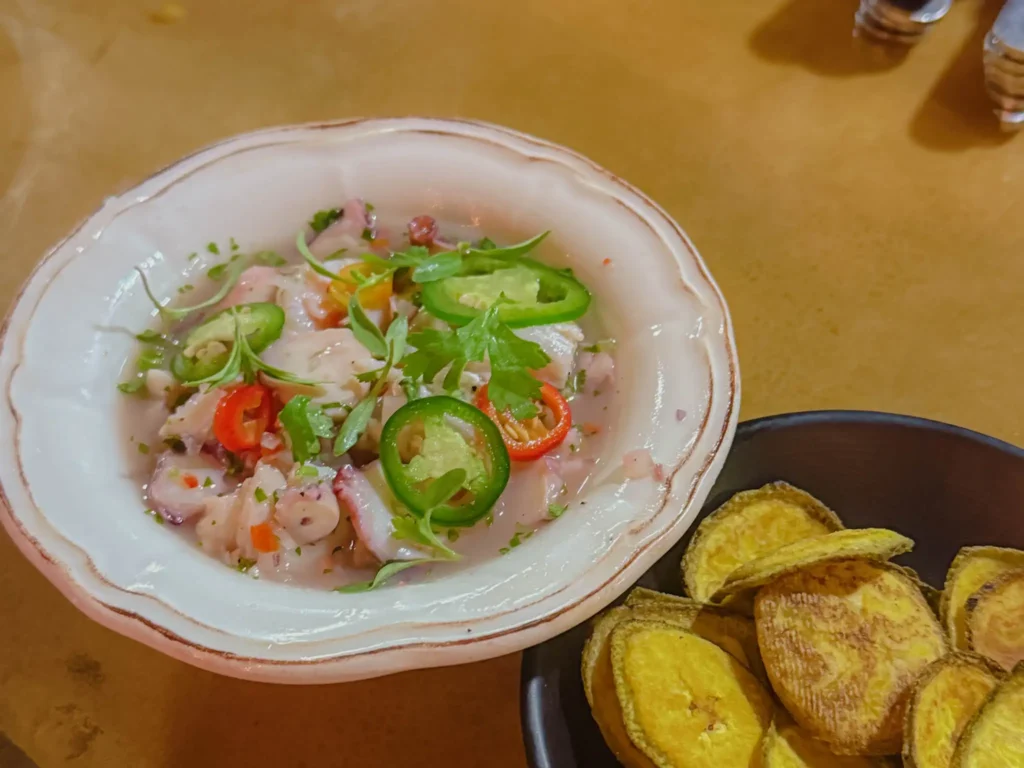
Panamanian ceviche is different from the Peruvian version. It is lighter, less spicy, and typically made with corvina (white sea bass) or shrimp, marinated in lime juice with finely diced onion, celery, and ají chombo (a hot pepper used sparingly). The fish is citrus-cured rather than cooked, and the result is fresh and clean.
The best place to eat ceviche in Panama City is Mercado de Mariscos, the seafood market on the waterfront near Casco Viejo. Arrive before noon for the freshest product and eat at one of the market stalls upstairs. You can also find it along both coasts of Panama.
Ropa Vieja
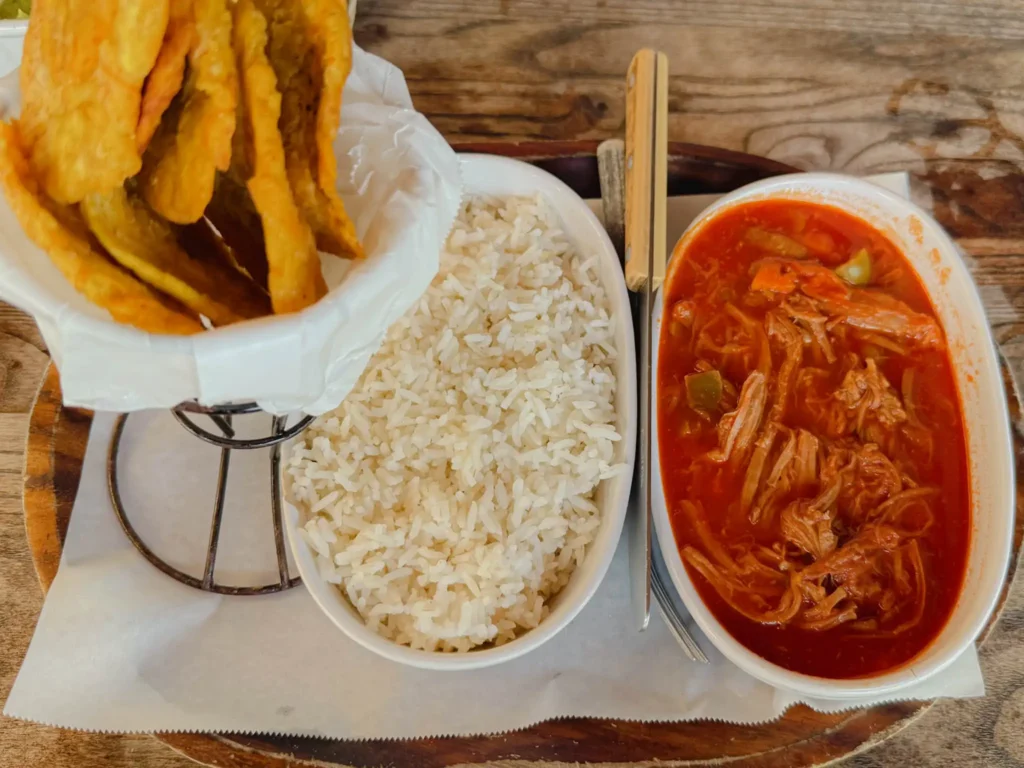
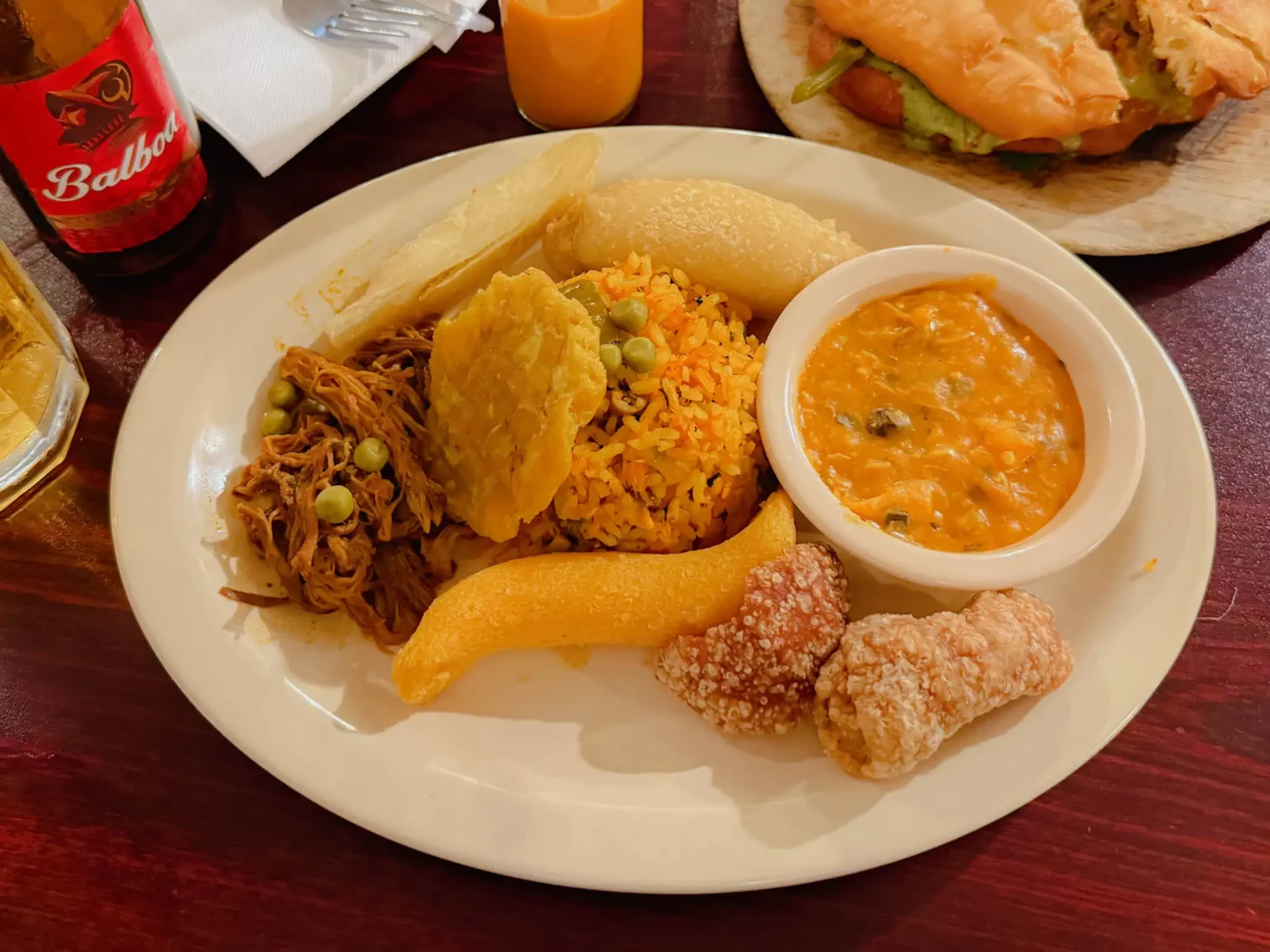
Ropa vieja, which translates literally to “old clothes,” is a shredded beef stew cooked with tomatoes, onions, peppers, and garlic. The name comes from the way the slow-cooked beef pulls apart into strips resembling scraps of fabric. It is a shared dish across Latin America and the Caribbean, but in Panama it is a comfort food staple served over white rice and paired with fried plantains.
You will find ropa vieja at traditional Panamanian restaurants and fondas across the country. It is a reliable order when you want something filling and deeply flavored.
Where to Find It
Nationwide
Traditional fondas
Patacones
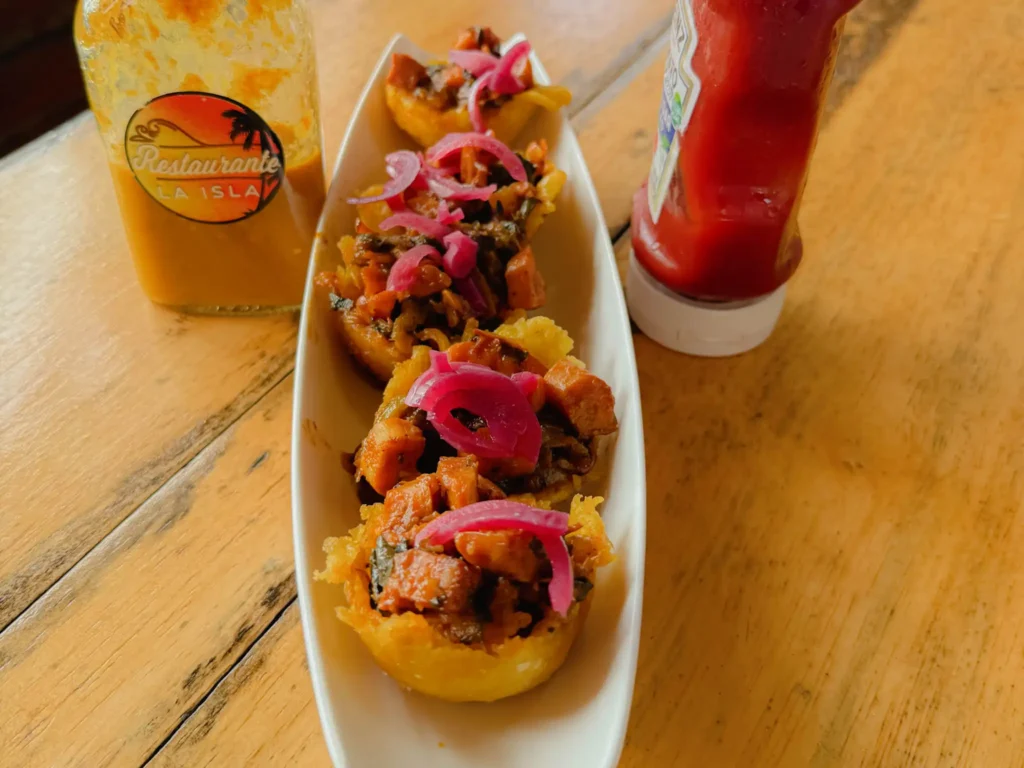
Patacones are twice-fried green plantains, flattened and fried until golden and crispy. They are the Panamanian equivalent of a side dish that appears with almost everything. Eaten on their own with salt, dipped into sauces, or used as a base for toppings like shredded chicken, avocado, or ceviche, they are one of the most versatile and universally loved foods in the country.
You will find them everywhere from street carts to sit-down restaurants. On the Caribbean coast, they are often served alongside rice and beans cooked in coconut milk.
Where to Find It
Nationwide
Street carts
Afro-Caribbean Coast Food
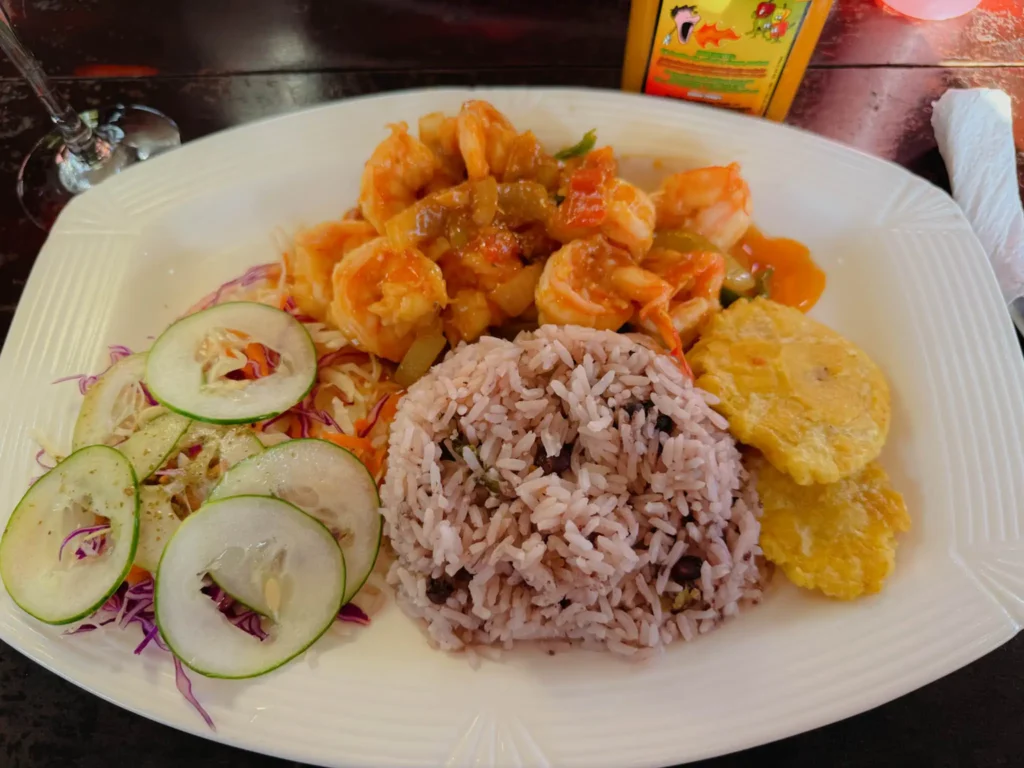
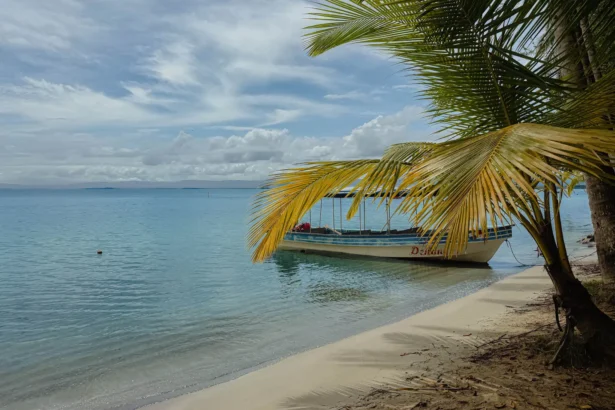
The food along Panama’s Caribbean coast, particularly in Bocas del Toro and Portobelo, has a distinct character that sets it apart from the rest of the country. Coconut milk is used as a base in rice, beans, and seafood dishes. Rice and beans cooked together in coconut milk is a daily staple. Rondón, a slow-cooked seafood and root vegetable stew simmered in coconut milk, is the Caribbean coast’s answer to sancocho.
Seafood is fresh and central. Lobster, snapper, and shrimp are all caught locally and appear on menus throughout the archipelago. The flavors are warming and aromatic, influenced by Afro-Caribbean culinary traditions that travelled with communities from Jamaica, Trinidad, and Colombia over several centuries.
Where to Find It
Bocas del Toro
Portobelo and Isla Grande
Caribbean coastal restaurants
Arroz con Pollo
Arroz con pollo is one of the most widely eaten dishes in Panama. Chicken is cooked with rice, vegetables, and spices until the rice absorbs all the flavour from the meat and broth. It appears in different forms across Latin America, but in Panama it is a practical, satisfying everyday dish found at every fonda and home kitchen across the country. If you are eating at a traditional Panamanian restaurant and are not sure what to order, arroz con pollo is a dependable choice.
Where to Find It
Nationwide
Geisha Coffee
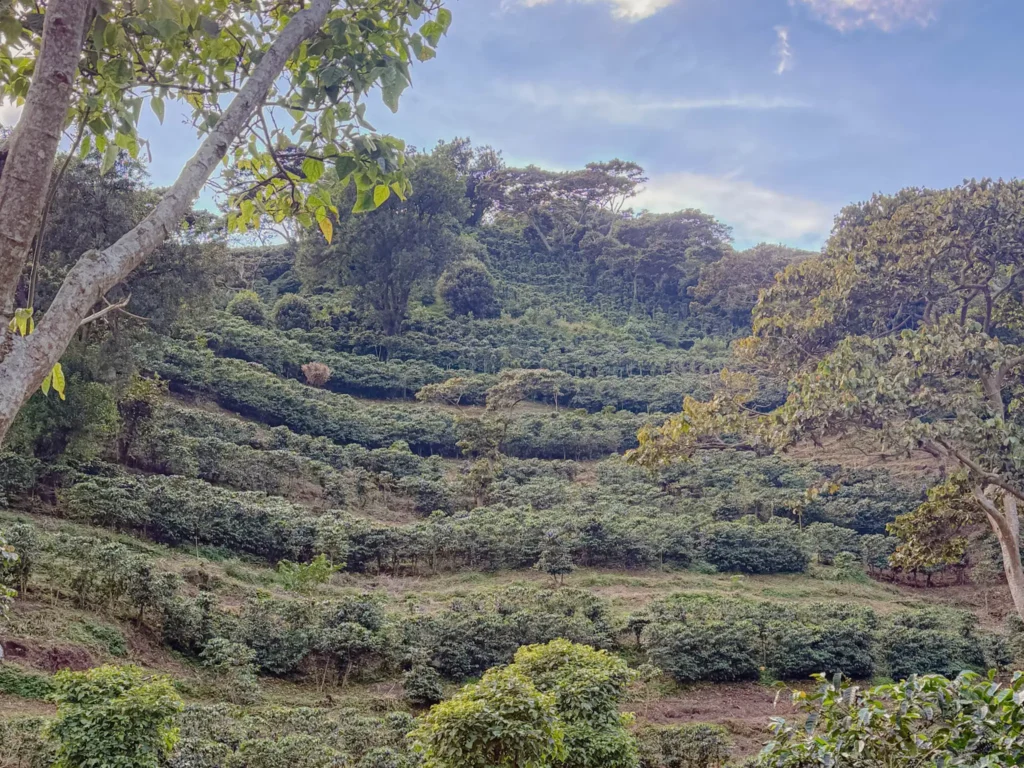
Panama produces some of the most sought-after coffee in the world, and Geisha is at the centre of that reputation. The Geisha variety was developed in the highlands around Boquete in Chiriquí Province and regularly commands record prices at international auction. It has a distinctive flavour profile: floral, complex, and unlike anything you are likely to have tasted in a standard cup of coffee.
If coffee is a serious interest for you, Boquete deserves its own dedicated stop. Several farms in the area offer tastings and tours where you can learn how Geisha is grown, processed, and prepared.
Where to Find It
Boquete coffee farms
Specialty cafes in Boquete and Panama City
Drinks
Seco Herrerano
Seco is Panama’s national spirit, a sugarcane-based distillate produced in the Herrera province in the Azuero Peninsula. It is clear, smooth, and lower in intensity than rum. The most common way to drink it is mixed with milk and ice, a combination known as “seco con vaca.” It is widely consumed at celebrations and is a distinctly Panamanian drink that you will not find in the same form anywhere else.
Chicha
Chicha is a broad category of fruit-based drinks made throughout Panama. Chicha de maracuyá (passion fruit), chicha de piña (pineapple), and chicha de tamarindo are all common. Some versions are fermented; most are not. They are sold cold by street vendors and in local restaurants and are the everyday alternative to soft drinks across the country.
Balboa and Panama Beer
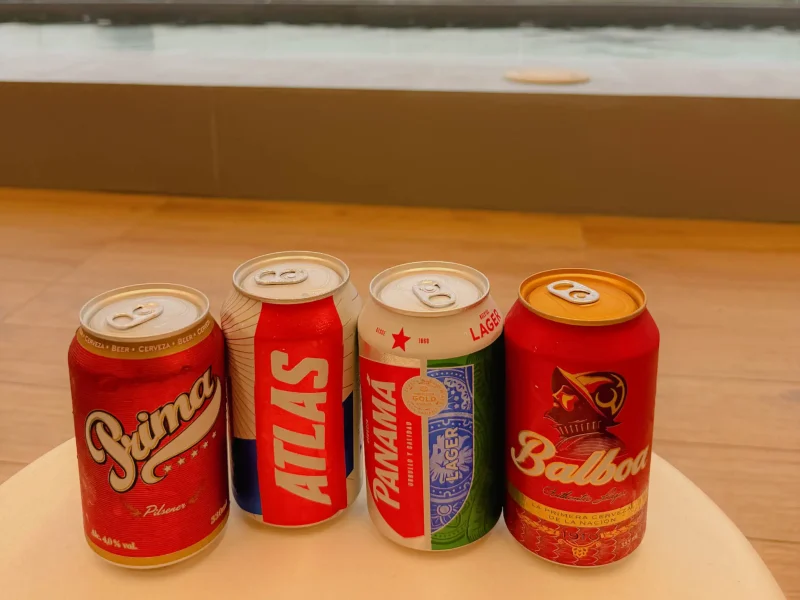
Panama has two widely available local lagers: Balboa and Panama. Both are light, cold, and suited to the heat. You will find them everywhere from beach bars in Bocas del Toro to rooftop spots in Casco Viejo.
Where to Eat in Panama
Panama City
For the most concentrated introduction to Panamanian food, Panama City is the best starting point. Mercado de Mariscos is the go-to for ceviche and fresh seafood. Casco Viejo has a range of restaurants covering traditional Panamanian dishes alongside international options.
Bocas del Toro
On the Caribbean coast, Bocas del Toro is the place to seek out coconut-based dishes and fresh lobster.