

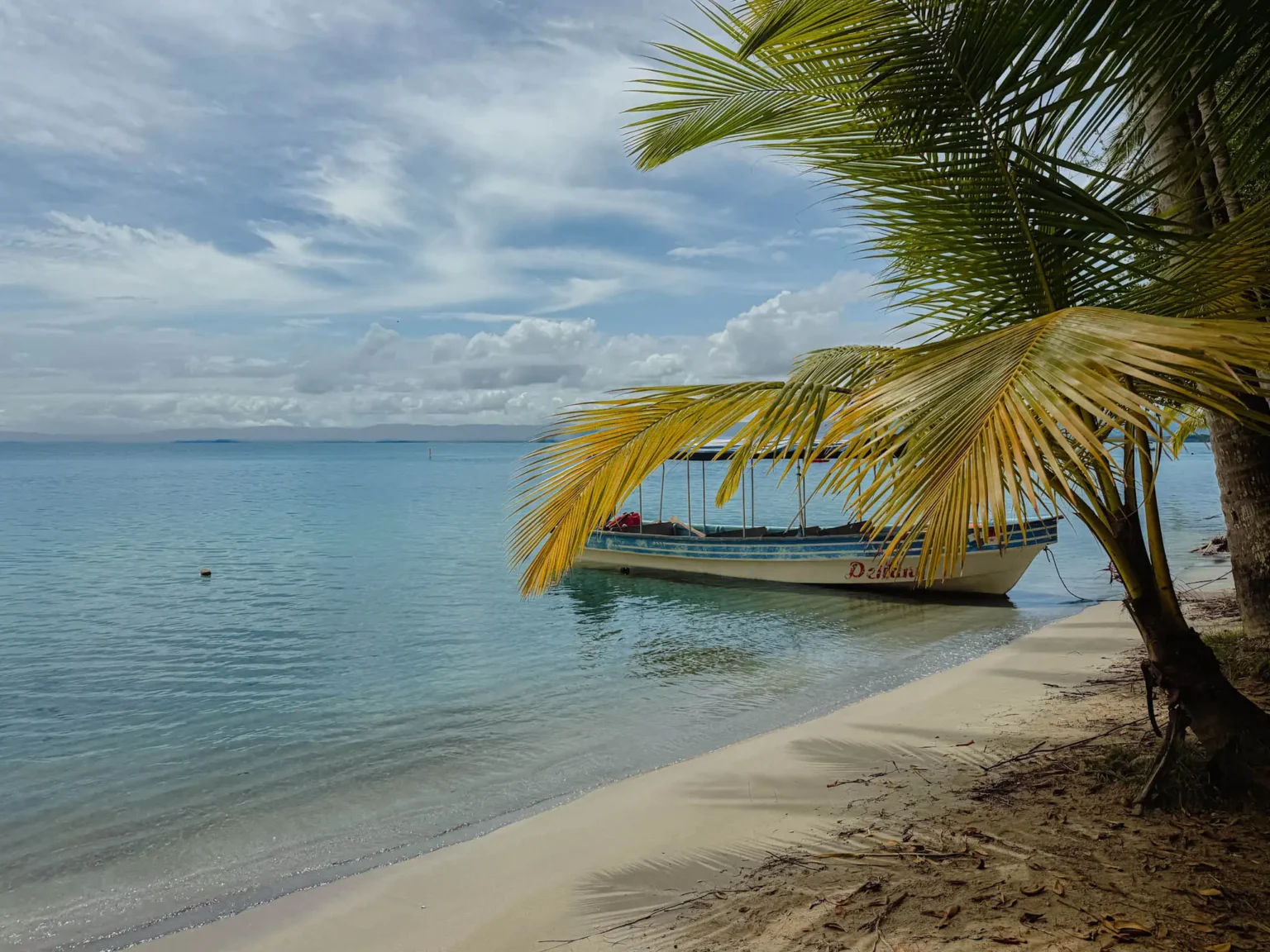
Get to Starfish Beach before 11 and you'll have the sandbank to yourself. Arrive at one and you'll be sharing it with four tour boats and water too stirred up to see through. Book your island charter the night before and you'll get a captain who knows where the swell is running. Book it at breakfast and you'll get whoever's left. Planning 3 days in Bocas del Toro comes down to a handful of decisions like these, and the order you make them in matters more than the number of things you fit in.
This is the sequence we'd follow: a boat day, a bike day, and a third day held loose. Below is what to reserve before you land, what time to be where, and what to move first when the weather turns.
THE HONEST ANSWER
Yes, as long as you count them correctly. Three full days on the islands covers the essentials, but you'll want a travel day booked on either side, because getting into Bocas and back out eats a partial day each way whether you fly or come overland. That's where most three-day plans fall apart. Booked as three total days, you're really getting a day and a half on the water. Count three full days on the islands and add the travel days to your flights separately. With those three days, the order matters more than anything else you'll decide.
Why this order
Day one goes to the boat tour. It orients you faster than anything else and hands you the whole archipelago in one loop, which means everything you do afterward is an informed choice rather than a guess. Day two is Isla Colon by bike, and it's the only day that doesn't depend on a captain, the swell, or anyone else's schedule. After a day on the water, that independence is a relief. Day three stays flexible on purpose. By then you'll know which parts of Bocas you want more of, and you'll have a buffer if the weather moves, which in this part of Panama it often does.
Before you arrive
Four things decided in advance will save you most of a day once you land.
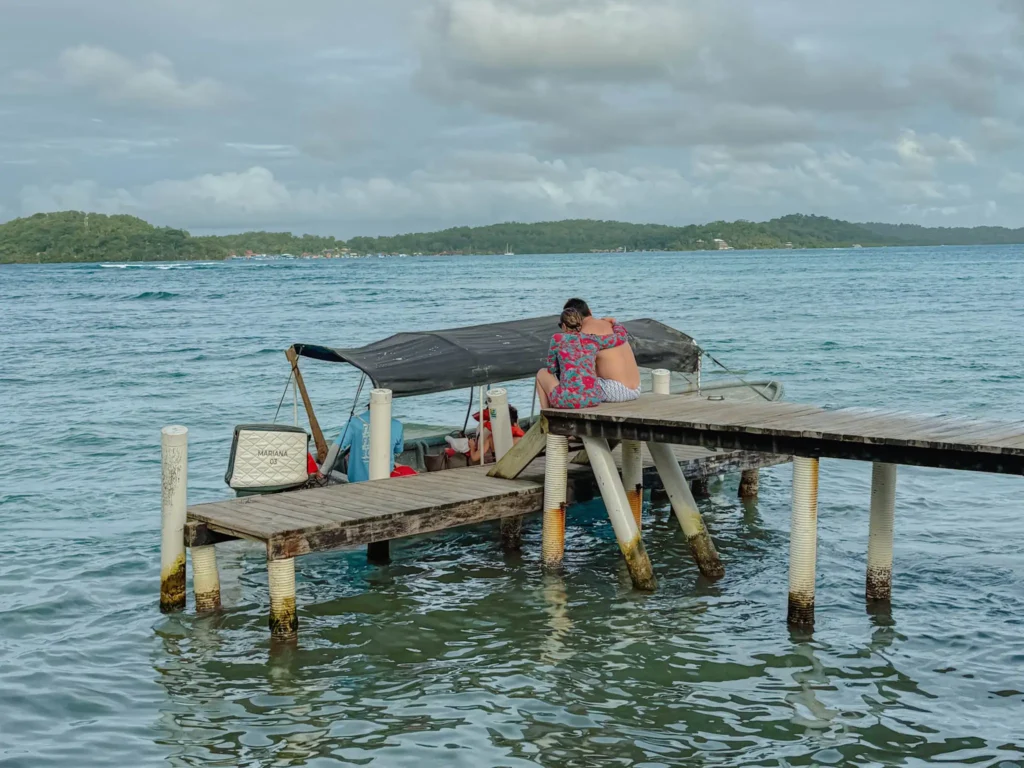
Pack a carry-on and nothing bigger. Almost every hotel here is reached by boat, which means your luggage gets handed down to a captain, set on a wet deck, and lifted onto a dock at the other end. A carry-on and a personal item is the right size for Bocas. If the islands are one stop on a longer Panama trip, leave the big suitcase at your Panama City or Boquete hotel and travel out light.
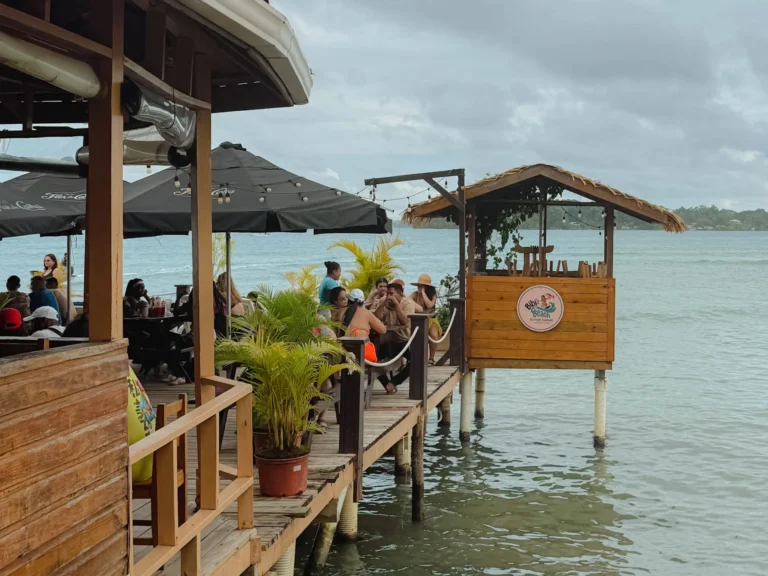
Isla Carenero
Best for: travelers who want easy access to town plus a stronger sense of island culture.
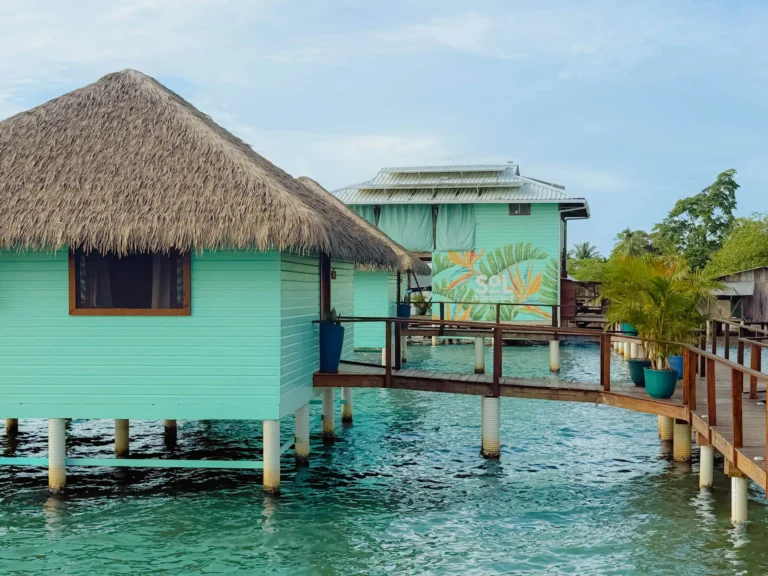
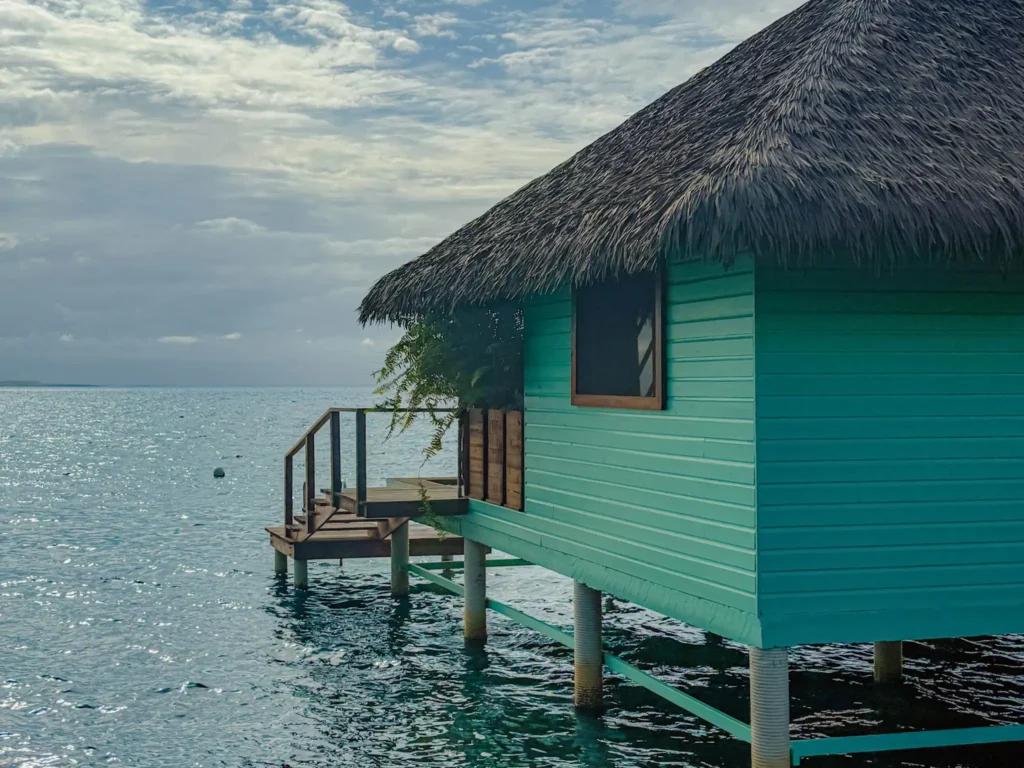
Sol Bungalows
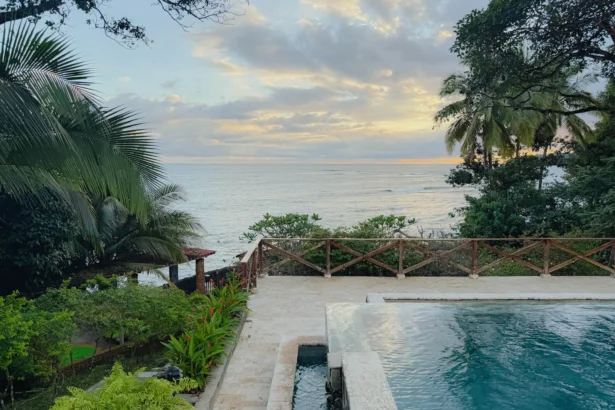
Best for: couples and travelers seeking a quiet, design-forward, relaxing escape.
Bring cash in small bills. Water taxis, beach access fees, snorkel rental, and food stands are all cash, usually one to five dollars at a time, and the ATMs in Bocas Town run out regularly. Take money out on the mainland before you cross.
Buy repellent on arrival. Sandflies, not mosquitoes, are the insect that'll define your comfort here, and they're especially voracious on Isla Carenero in the early morning and evening. Keep your arms and legs covered and coated in oil during those hours, and buy the local repellent from the pharmacy in Bocas Town rather than relying on what you packed. It works far better than the imported stuff, and it should be one of the first things you do after you land.
The archipelago
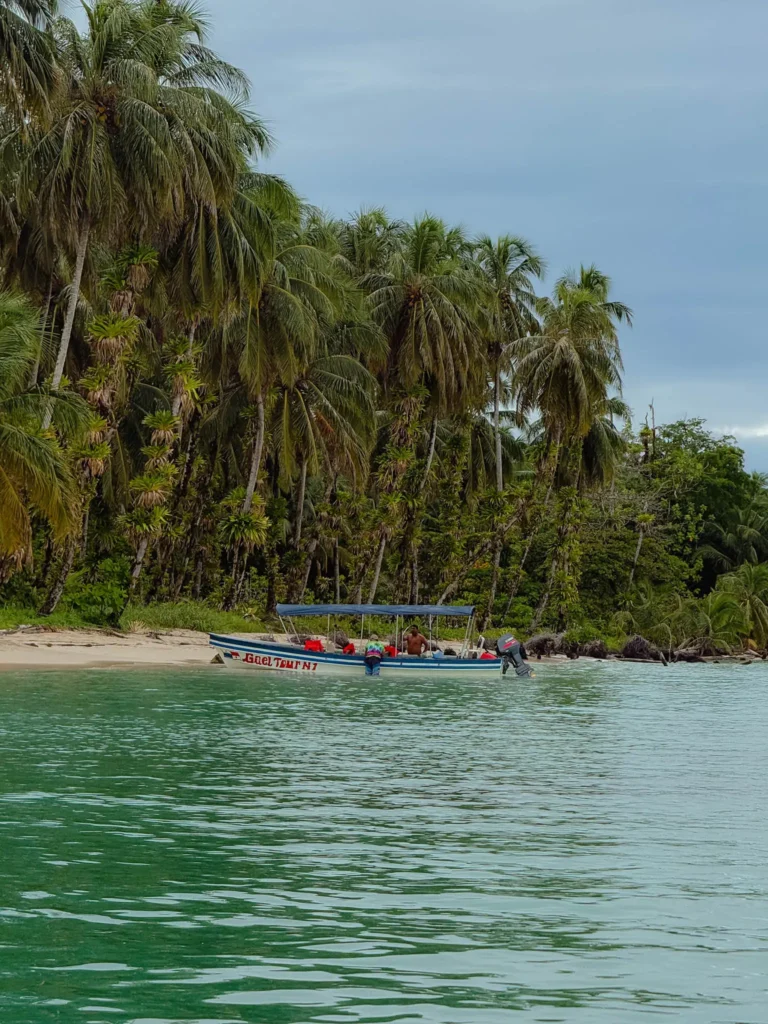
Start on the water. A full-day tour loops you around several islands to see the starfish, spot sloths and other wildlife, and swim in the calm spots along the way, and by the end of it you'll understand the shape of the archipelago in a way no amount of reading gets you.
Booking the boat
If you are coming during peak season, coordinate with your accommodation to reserve this in advance. Otherwise, book it the evening before, not the morning of. Boats leave early because the water's calmest then, and the good captains fill up. The standard group tour of the archipelago is sold all over Bocas Town (or online in advance in the link below) and it's the easy, affordable way to see the highlights on a first visit. A private charter costs a little more and lets you set the route and the pace, which is the honest recommendation if you want Polo Beach or other remote beaches on your day, since the group boats don't stop there.
The two stops that make the day
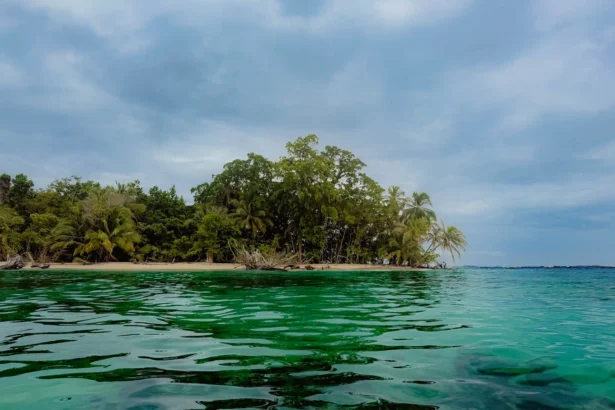
Cayos Zapatilla is the postcard. Two uninhabited islands inside Isla Bastimentos National Marine Park, powdery white sand, and reef-protected water calm enough that you can actually swim and snorkel without checking the current. There's a park fee, paid in cash.
Polo Beach is the one locals recommend most, and it's the reason to spring for a private boat. It's a wild stretch of the outer Bastimentos coast with palms running down to the water, rainforest behind, no infrastructure at all, and most days almost nobody on it. You pay a small cash fee to Polo himself, who lives in a hand-built cabin at the tree line. Because that side of the island isn't protected by reef, a big swell can mean your captain simply can't land, so hold this stop loosely.
M
From the field · Melina
Polo Beach, Bocas del Toro, Panama
We hired a private captain for the day and it turned out to be the best decision of the trip. We had a few hours at Polo and Cayo Zapatilla with very few other travelers in sight the whole day. It's the day we describe when friends ask what to actually do in Bocas.
First-hand observation
Lunch in Old Bank
Break for lunch in Old Bank, the Afro-Caribbean community on Isla Bastimentos, where the food is the best cultural experience of the trip. Caribbean seafood and coconut rice, cooked by families who've been cooking it on this island for generations.
Safety Note
Visit Old Bank during the day and with your boat captain or a guide. It isn't considered the safest area for tourists at night or on your own, and the jungle trails leading out of town toward the outer beaches have periodic mugging reports. Arrive by boat, leave by boat.
THE NORTH SHORE
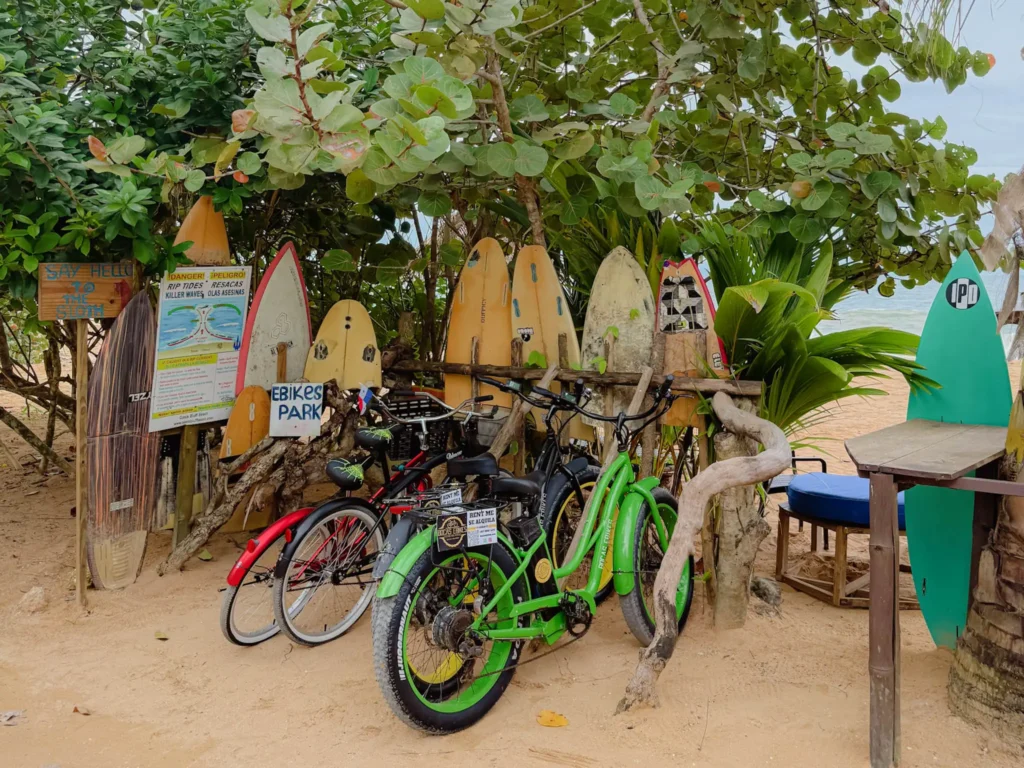
The second day needs no boat and no captain, and after a day on the water that's its own kind of relief. Rent e-bikes in Bocas Town and give the whole day to Isla Colon.
Renting the bikes
You can reserve the e-bikes in advance (recommended during peak season) or in person at Bocas Ebikes in Bocas Town. A full-day e-bike rental from Bocas Ebikes runs around $37 and comes with fat tires, which you'll want for the compact sand and gravel roads you'll hit on both routes. Isla Colon is bigger and hillier than it looks on a map, and the two beaches worth reaching sit at opposite ends of it, so a regular bike turns this into a day of pedaling rather than a day of swimming. An e-bike is absolutely worth it to maximize your time at the beautiful beaches of Isla Colon.
Starfish Beach in the morning
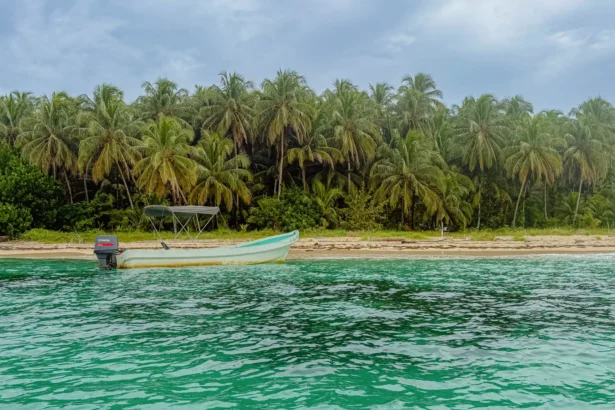
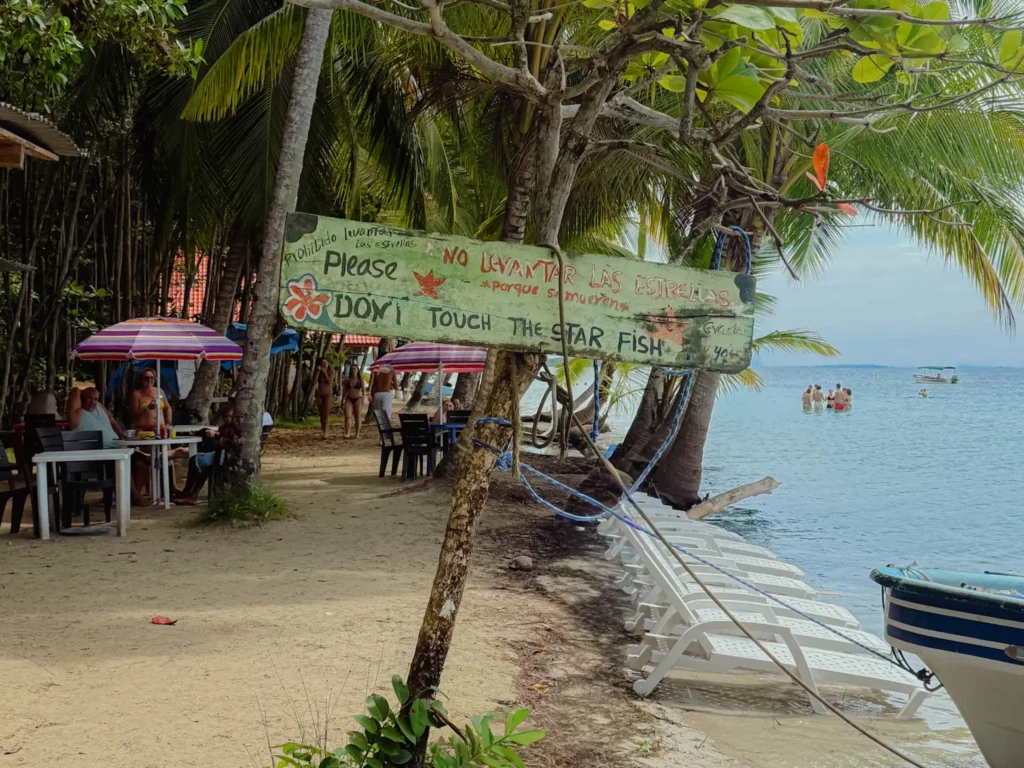
We recommend arriving at Starfish Beach as early as possible and definitely before 11 to avoid the tour boats. The ride across to Boca del Drago takes about 45 minutes, and from there it's a 20-minute walk along the sand to the starfish sandbank, or a few dollars for one of the small boats waiting near the shore. If you visited Starfish Beach the day before during the standard tour of the archipelago, spend time on the beautiful palm-lined beaches that are between Boca del Drago and the busy Starfish Beach area.
There are small boats that will offer to take you from Boca del Drago (where you drop off your bike) and Starfish Beach. We recommend that you walk at least one direction. The little beaches you pass on the way have white sand, palm trees, and virtually nobody on them, and skipping them is a real miss. Rent a mask and snorkel from the vendors along the tree line and wade out to the shallows, where dozens of bright orange cushion starfish sit on the sandy bottom, close enough to float three feet above.
The 11 o'clock deadline is about the tour boats. Once they pull in around midday the sandbank fills, the sand gets stirred up, and the water goes cloudy.
Playa Bluff in the afternoon
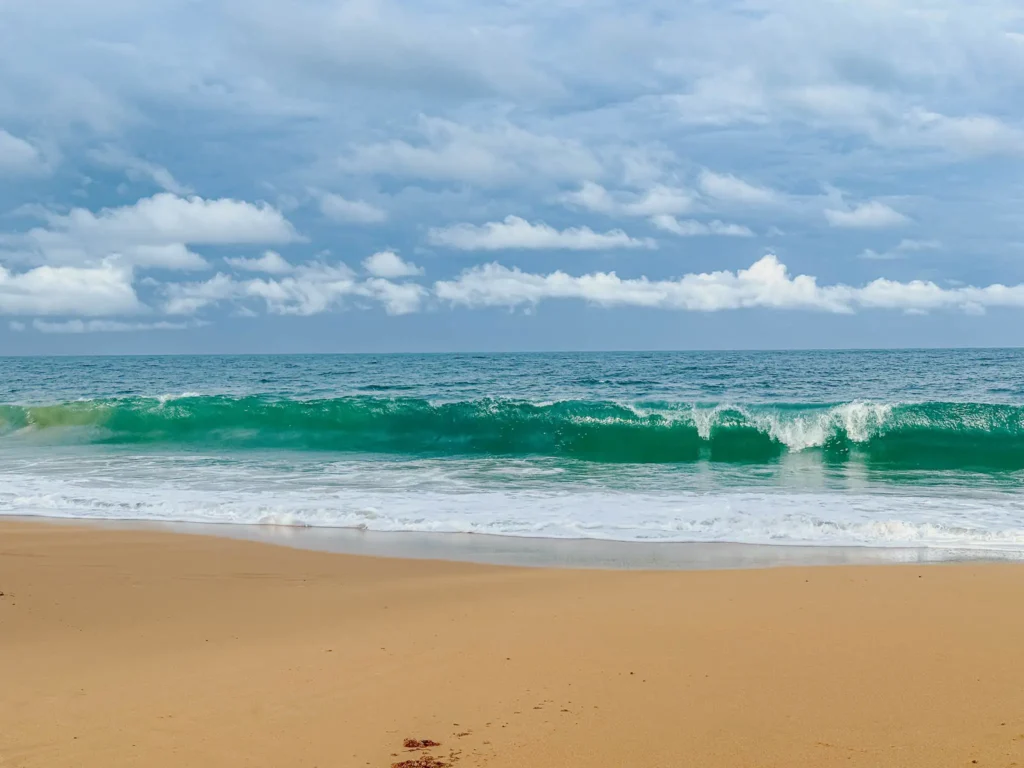
Playa Bluff is the opposite of Starfish in every way. Nearly two miles of wide golden sand backed by palms and low dunes, facing the open Caribbean, with almost no infrastructure to interrupt it. It's the closest thing Bocas has to a proper long walking beach, and most days your footprints are the only ones on it.
Oasis at Bluff Beach and The View Restaurant is a restaurant (and hotel) partway along Playa Bluff with service right on the sand. We recommend parking your bike here, grabbing a bite to eat right on the sand, and enjoying the beach. You may also find sloths in the trees around the property. Prices run higher than in town.
Safety Note
Playa Bluff isn't a safe swim beach. The currents run strong year-round and there are no lifeguards. Wade to your knees if you want to cool off, and save the swimming for Cayos Zapatilla or a calm morning at Starfish.
The flexible day
By the third day you'll know what you want more of, which is exactly why we'd leave this one open. Here's how we'd fill it. This flexibility also allows you to accommodate for the Caribbean weather that affects the archipelago.
The morning: Red Frog Beach
Red Frog sits on the same wild outer stretch of Bastimentos as Polo, with the same pristine sand, but it has a resort, a restaurant, and real infrastructure behind it. That makes it the one outer beach where you can spend a whole day without planning for it, which is what you want on a day you've deliberately left loose.
Take a water taxi from the main dock in Bocas Town, both directions. Prices are per person and cash only. Don't walk the jungle trail in from Old Bank or Wizard Beach, which carries the same mugging warnings as the rest of that coastal path. One honest note: we haven't set foot on Red Frog ourselves. We've seen it from the water on our boat tour and researched it through local sources, but our write-up of it doesn't come from a day on the sand.
Or trade the beach for a surf lesson
Bocas has a real surf scene, and it's a good place to learn. A lesson works at any point in the year, because instructors know where the beginner-friendly conditions are on any given day and they'll take you there rather than paddling you out into whatever the main breaks are doing.
The peak swell from January through April matters if you already surf and you're here for size. Either way, talk to a local surf shop for current conditions and bookings rather than planning around a calendar.
The afternoon: Floating Bar
Keep the rest of the day for Floating Bar. It's exactly what the name suggests, a bar out in the water that you can swim right off its platform, and it closes at sunset for the sensible reason that nobody should be swimming in the dark. Build your afternoon around getting there with time left to enjoy it.
M
From the field · Melina
Floating Bar, Bocas del Toro, Panama
Floating Bar is the one thing we missed, and it's the first thing we'd fix. We heard about it over and over from people who live here and have visited, ran out of daylight on our last afternoon, and left without going.
First-hand observation
Adjusting the plan
Three things will push this plan around, and all three are manageable if you're expecting them.
Rain rarely lasts the whole day in Bocas, so a wet trip is a matter of rearranging rather than canceling. The boat day is the one to move, since calm water matters most there and the outer stops are the first to go when conditions turn. It's also the best argument for a fourth day if your schedule can take one, because a buffer means a wet afternoon costs you an activity instead of the highlight of your trip.
Rough water is the related problem. When the swell's up, water taxis won't always run to the outer beaches and captains may not be able to land at Polo or Red Frog. Have a second option in mind for both day one and day three.
The last one is nightlife. Bocas has a young, party-forward scene, and the organized Friday bar crawl is genuinely better value than the cover charges you'll pay bar to bar, if that's your trip. If it isn't, one drink in town is a fine evening and consider staying away from Bocas Town to avoid the all-night noise.
For the month-by-month picture, see our guide to the best time to visit Panama. →
Before you book
Bocas isn't a destination that works for everyone at every budget. Here's our honest assessment to help you decide how you want to visit.
This plan fits if...
→ You want beach and boat days to be the point, not the filler
→ Wooden bungalows, boat transfers, and salt on everything sound fine
→ You want to eat where locals eat and meet the Afro-Caribbean side of Panama
→ You can travel with a carry-on for three days
Rethink it if...
→ A packed schedule is what makes a trip feel worthwhile
→ You want a polished resort with everything on site
→ You'd rather stay put and be looked after
→ Your luggage needs a porter
If you align with this column, Bocas can still work. Book a remote lodge like Sol Bungalows on Isla Solarte or the more exclusive resort of Nayara, plan fewer moves, and let the archipelago come to you instead.
Planning the rest of your time in Bocas del Toro?
Where to stay, how to get there, best time to visit, and what to do beyond the beaches.
The Bocas del Toro guide →