

Part of the Panama Travel Guide
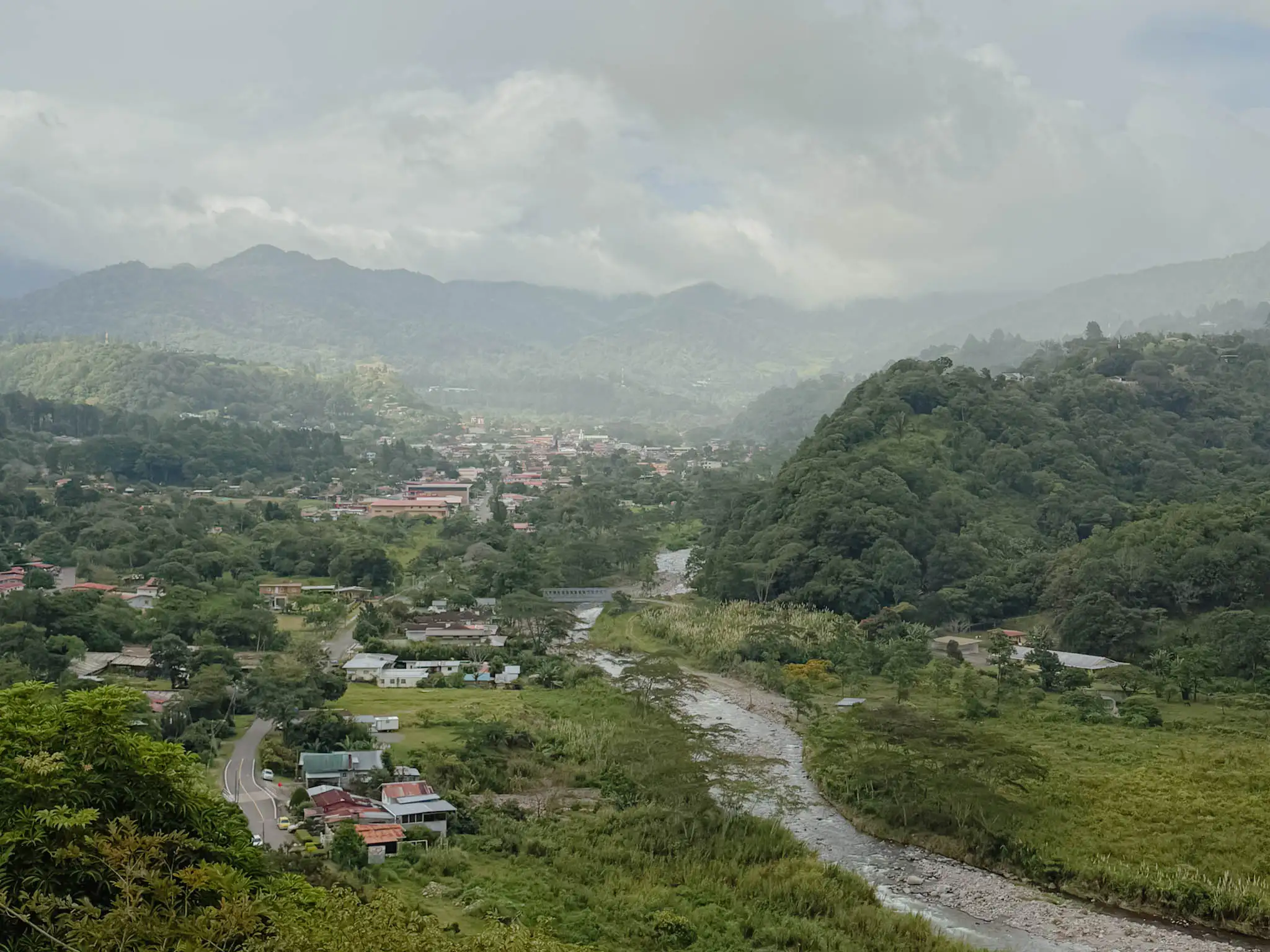
← Back to PanamaBoquete, Panama sits at just over 1,000 meters above sea level in the Chiriqui highlands, and the moment you arrive, you feel the difference. The air is cooler and cleaner than the coast, the streets are lined with flowering trees, and the surrounding hills climb steeply into cloud forest draped in mist. After the heat and noise of Panama City, it feels like a completely different country.
This is Panama's highland heartland. Volcan Baru, the country's highest peak at 3,475 meters, dominates the skyline to the north. On a clear morning at the summit, you can see both the Pacific Ocean and the Caribbean Sea at the same time. Below the volcano, the slopes are covered in coffee farms producing some of the most sought-after beans in the world, including the Geisha variety that has made Boquete a destination for serious coffee travelers from across the globe.
But Boquete is not just for coffee enthusiasts and serious hikers. The town is small, relaxed, and easy to navigate, with excellent restaurants, a craft brewery, and a food scene that reflects both Panamanian tradition and the international community that has made this place home. You can spend a morning chasing waterfalls through cloud forest, eat a long lunch at a working coffee plantation, and be back in town for a cold beer and live music before sunset.
Boquete can be reached by flight or a day-long bus from Panama City or a shuttle from Bocas del Toro. However, if you want to discover the highlands that are closer to Panama City with a stronger focus on hiking, consider visiting el Valle de Anton.
Quick Resources to Plan Your Trip to Panama
Getting there
Getting to Boquete, Panama is straightforward once you reach the western highlands, and you have two main options depending on your budget and how much time you have.
Flying (recommended)
The fastest way to reach Boquete is to fly from Panama City to David (Aeropuerto Enrique Malek), then take a taxi from David to Boquete. The taxi ride takes approximately 50 minutes. If your time in Panama is limited, this is the route we recommend.
Flights to David →By bus or shuttle
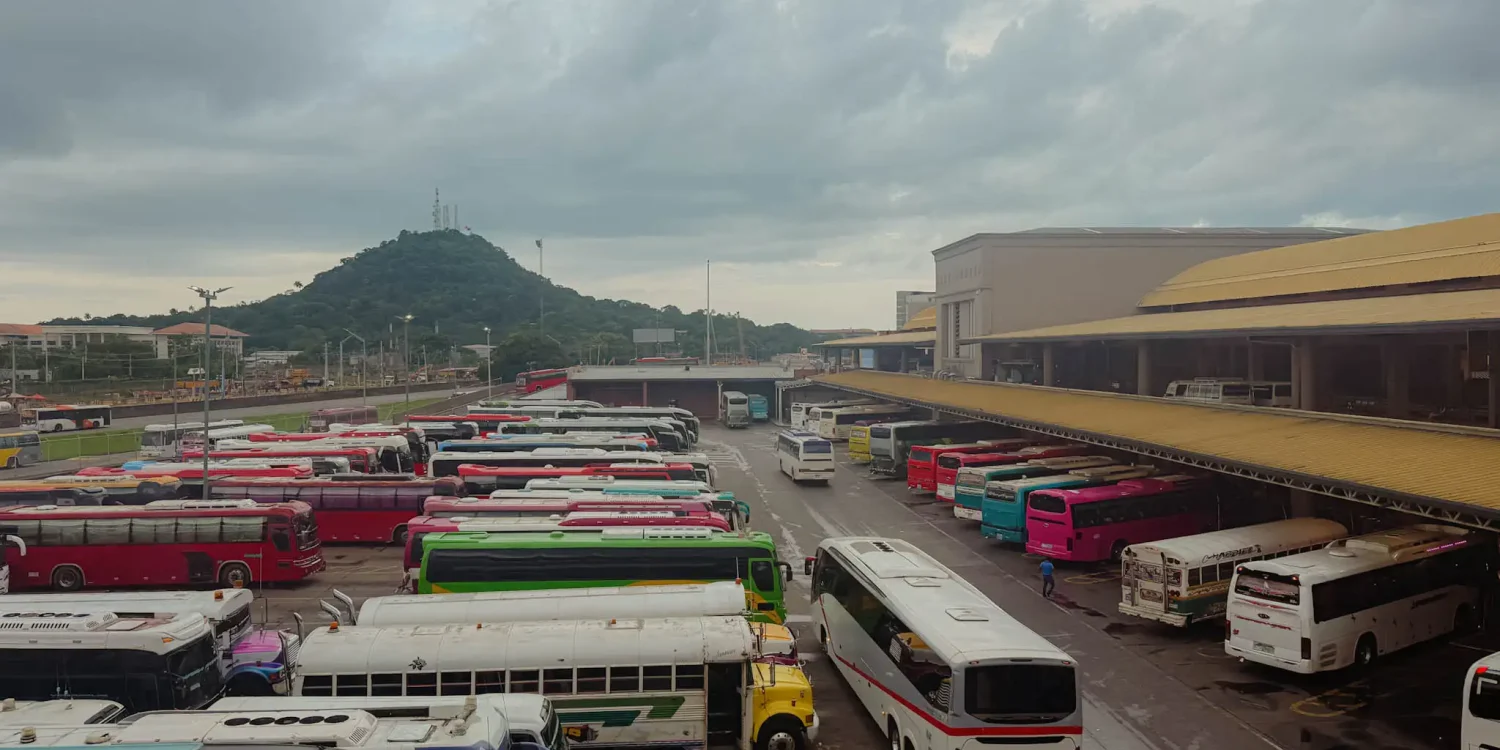
We took the TDP bus from Albrook Bus Terminal in Panama City directly to David Bus Terminal. Tickets can be purchased in advance at the terminal or on the day. Buses run approximately every 1.25 hours so you are rarely waiting long. The journey takes around 6.5 hours to David, with one rest stop along the way. The bus is comfortable, but bring your own food rather than relying on the stop. From David, a taxi to Boquete takes another 50 minutes, making the total journey approximately 7.5 hours door to door.
If you are coming from Bocas del Toro, you can take a shuttle between the two destinations. You can read more about this in the Bocas del Toro guide.
highlights
Boquete, Panama is one of those rare places where you could fill two weeks without repeating yourself. The activities here are anchored in the natural landscape, from volcano summits and cloud forest trails to river rapids and hidden waterfalls. Below are the experiences we recommend, starting with the ones that should be at the top of every itinerary.
1
Conquer Volcan Baru by 4x4
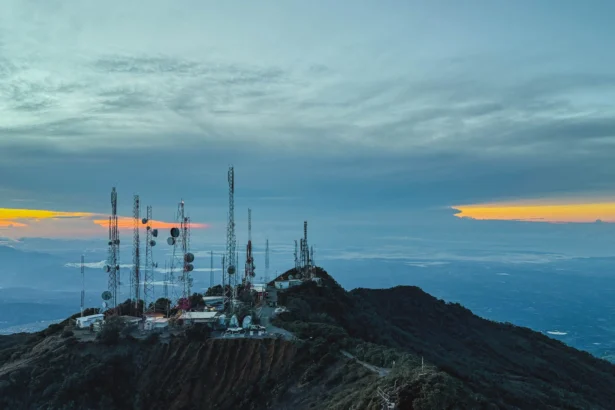
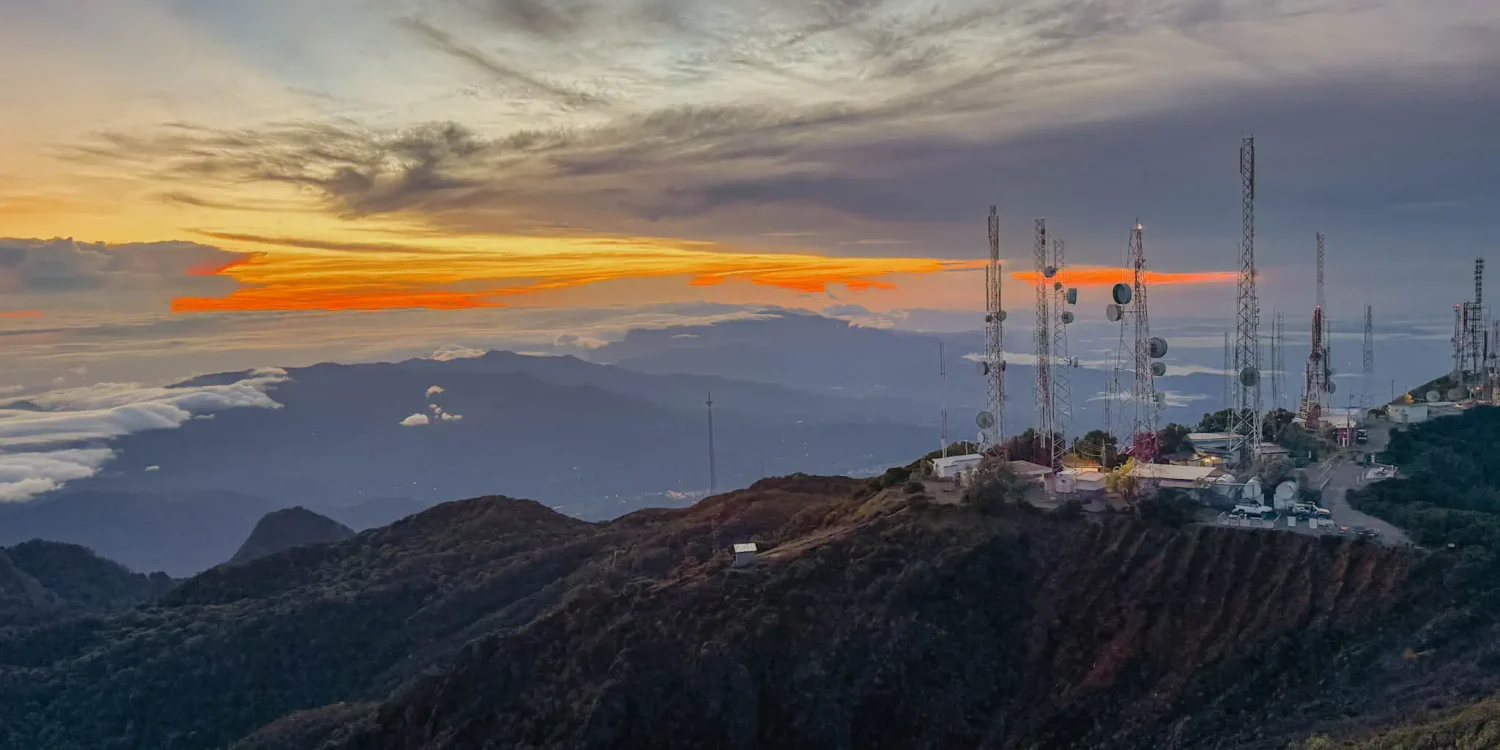
At 3,475 meters, Volcan Baru is the highest point in Panama. On a clear morning at the summit, you can see both the Pacific Ocean and the Caribbean Sea at the same time. Tours depart at 3:30am for the 4×4 drive up a road so technical that attempting it in your own vehicle is not recommended even with a 4×4. A breakfast picnic at the summit rounds out one of the most memorable mornings you can have in Panama. Bring warm layers, a hat, and gloves. It is genuinely cold up there.
Tours to the Volcan Baru summit → full guide to volcan baru, including a hike vs 4x4 comparison →2
Hike the Lost Waterfalls (Las Tres Cascadas)
The Lost Waterfalls trail is the hike we recommend doing first in Boquete. The trail winds through dense cloud forest to three distinct waterfalls, each with its own character, and the second and third falls have crystal-clear pools that are perfect for a swim after the climb. The forest itself is beautiful throughout, with tall trees draped in bromeliads and the sound of water getting louder as you get closer to each cascade.
A word of warning: this is not a casual walk. Some sections are steep and require ropes to navigate, and the trail can be muddy and slippery after rain. Proper hiking shoes are non-negotiable. Entry is $10 per person, paid in cash at the ticket booth near the trailhead, where you will also sign in and out. Plan for a half day and go early to beat the crowds. You can discover the full hike here on AllTrails.
3
Walk the Pipeline Trail
The Pipeline Trail is a more accessible option close to Boquete town, a 3.6-mile out-and-back route through cloud forest with good birdwatching along the way. It is easier underfoot than the Lost Waterfalls and straightforward to do independently. We hiked it during our week in Boquete. If spotting a resplendent quetzal is on your list, this trail gives you a reasonable chance, particularly between March and May when quetzals are most active in the region. We did not see one on our visit, but the trail is worth doing regardless. You can follow the exact trail on AllTrails.
A guided hike to get the chance to spot quetzals →4
Hike the Quetzal Trail
The Quetzal Trail is the region’s most iconic long hike, passing through jungle and cloud forest on the slopes of Volcan Baru. The full out-and-back distance is 12.1 miles with around 4,000 feet of elevation gain, but most people do it one way only. Starting at the Boquete end and hiking to the town of Cerro Punta covers approximately 6 miles and ends downhill, where you can take a minibus or taxi back. Alternatively, start in Cerro Punta and hike toward Boquete for a mostly downhill experience. Either way, take a taxi to your starting point. You can check out the full trail here on AllTrails.
If seeing a resplendent quetzal is your goal, plan your visit between March and May when they are most active in this area. A guide is worth considering for wildlife spotting, as knowing where to look makes a significant difference on a trail this long.
5
Visit Los Ladrillos
Los Ladrillos is a striking volcanic basalt rock formation on the edge of Boquete and one of Panama’s best climbing crags. The columns are dramatic even if you never put on a harness, and the surrounding views across the valley are worth the trip on their own. For climbers, a guided half-day tour includes over 30 routes suitable for all skill levels, all gear, and hotel pickup.
Climbing tours →6
White-water rafting on the Chiriqui Viejo River
The Chiriqui Viejo River offers some of the best white-water rafting in Panama. Class III rapids make it exciting without being overwhelming, and the route passes through beautiful highland scenery with opportunities to spot birds and wildlife along the banks. One detail that surprises most people: the route briefly crosses into Costa Rica on the return journey, making it technically a two-country day. Bring your passport as it is required at the immigration checkpoint. Lunch, helmet, life jacket, and water shoes are all included.
Full day rafting tour →7
Adventure hiking and waterfall swimming in Caldera
For a full day that combines hiking, natural waterfall slides, swimming, and cliff jumping, the Caldera adventure tour is one of the most exhilarating options in the region. The tour also visits the Caldera hot springs, making it the most practical way to experience them without needing your own 4×4 vehicle. Lunch, life jacket, helmet, and transportation are all included.
The best rated tour for this adventure →8
Coffee in Boquete
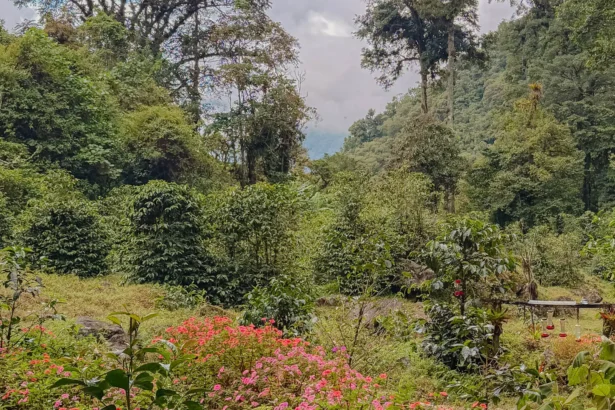
No trip to Boquete is complete without exploring what makes this region one of the world’s most celebrated coffee-growing areas. The combination of altitude, rich volcanic soil, and a cool microclimate produces beans of extraordinary quality. The most famous of all is the Geisha variety, which has put Boquete on the map for specialty coffee enthusiasts across the globe.
During our visit we did a coffee tasting at Tree Trek that covered eight different strains side by side. It was one of the most educational and enjoyable experiences of the week, giving real context to how processing and variety affect what ends up in the cup.
full guide to geisha coffe in panama: farms, tastings and tours →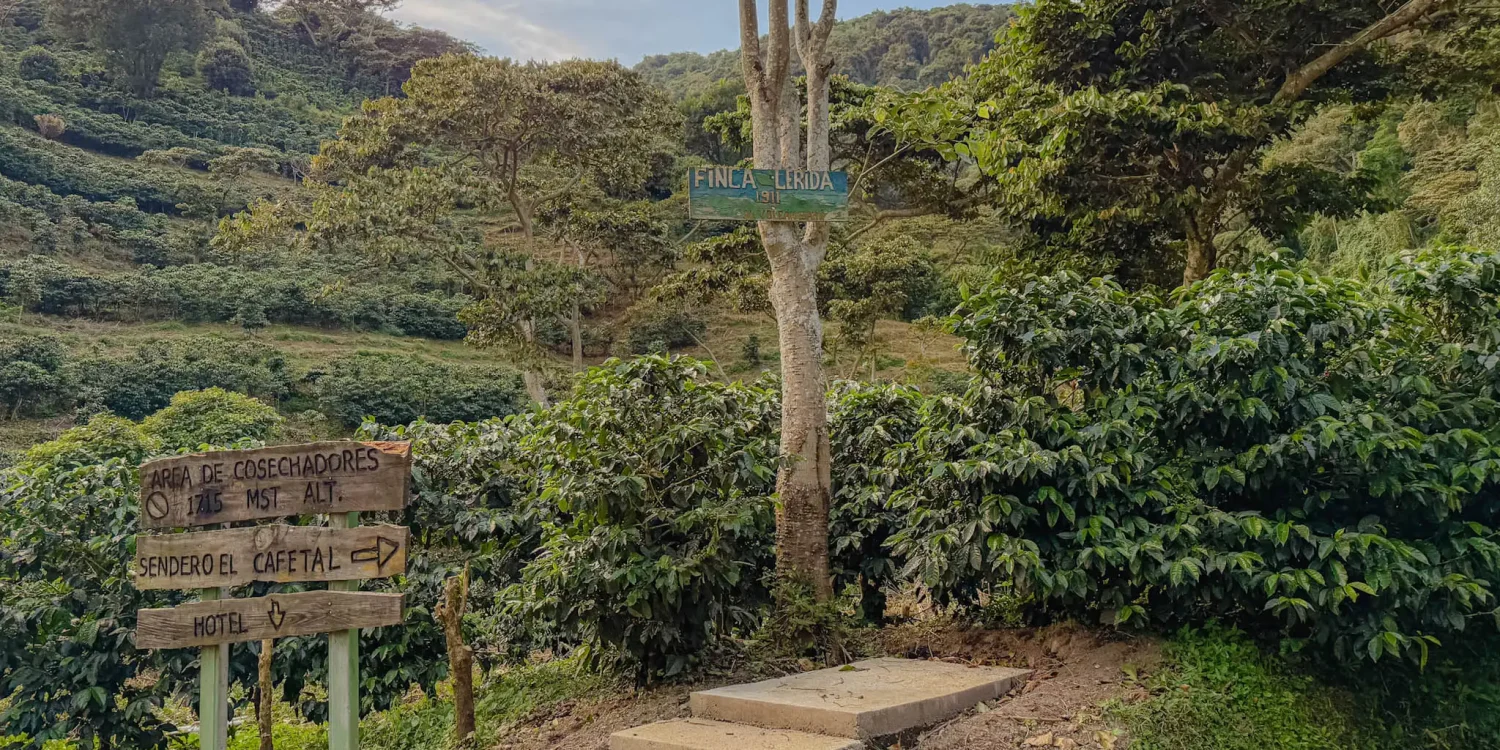
Food
Boquete punches well above its size when it comes to food. The town is small but the dining scene reflects both its agricultural roots and its international community, with a handful of spots that are genuinely worth planning your day around.
Finca Lerida
Dining at Finca Lerida is one of the most memorable meals you can have in Panama. The restaurant sits on a working coffee plantation and the menu weaves coffee through multiple courses in ways that feel inventive rather than gimmicky. The coffee dessert in particular is exceptional. Book a table for lunch or dinner and give yourself time to sit with it. The views across the plantation from your table do a lot of the work.
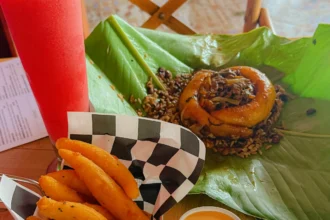
Donde Giselle
Elevated Panamanian cuisine in a relaxed setting. Donde Giselle is the place to go for a proper dinner that celebrates local ingredients and traditional flavors with care and technique. A reliable highlight for any evening in Boquete.
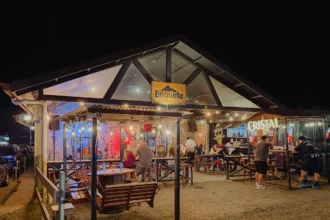
Boquete Brewing Company
A craft brewery with rotating taps and live music in the evenings. It draws a good mix of locals, expats, and travelers and has the kind of easy atmosphere that makes it easy to stay longer than you planned. A great spot to unwind after a day on the trails.

El Poder de las Frutas
Do not leave Boquete without trying the strawberries and cream. This is a genuine regional specialty and El Poder De Las Frutas is the most popular local spot for it but you can also find it at local food carts around town. It is simple, fresh, and completely specific to this part of Panama.
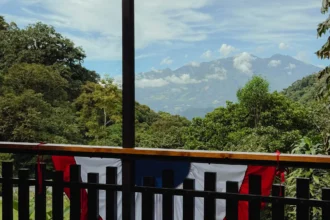
Tree Trek Restaurant
A convenient and solid option if you are spending the day at Tree Trek doing activities. Grab lunch between the coffee tasting and the forest walk rather than heading back into town.
Where to stay
Boquete, Panama has accommodation options across every budget, from social hostels in town to plantation estates on the hillsides above. The right choice depends on whether you want to be close to the action in town or immersed in the landscape itself.
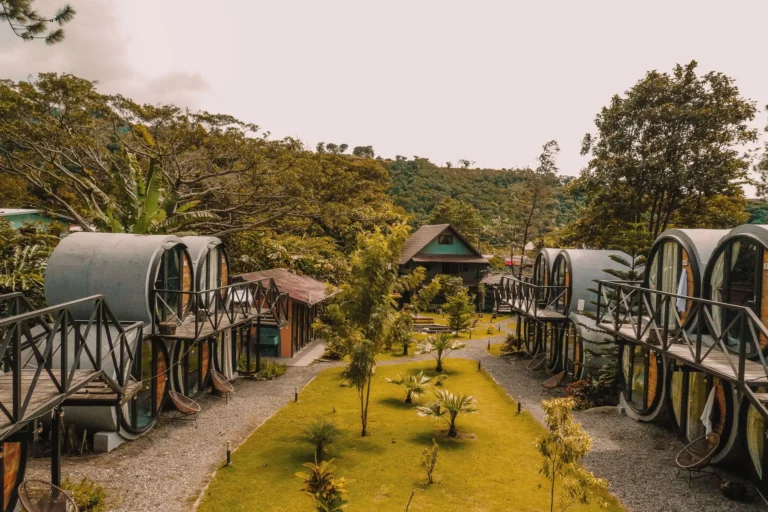
ONDA Boquete
• Simple + Honest
Best for: solo travelers and digital nomads
ONDA is the best budget base in Boquete. Set beside a river on the edge of town, it has a bar, coworking space, and a social atmosphere that makes it easy to meet other travelers. A solid choice if you are moving through Panama on a tighter budget or want a lively communal vibe.
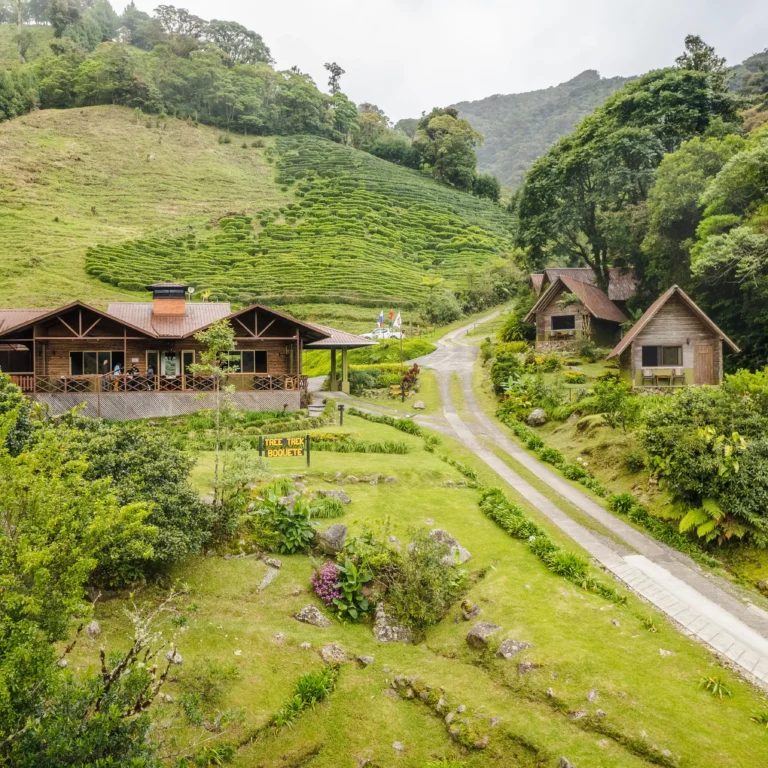
Tree Trek Adventure Park Hotel
•• Sweet Spot
Best for: adventure travelers who want activities on their doorstep
If you want your activities on your doorstep, Tree Trek is the pick. The hotel sits within the Tree Trek complex, so your coffee tour, forest walk, and zipline are all a short walk away. A practical and enjoyable base for active travelers who want to maximize their time in Boquete.
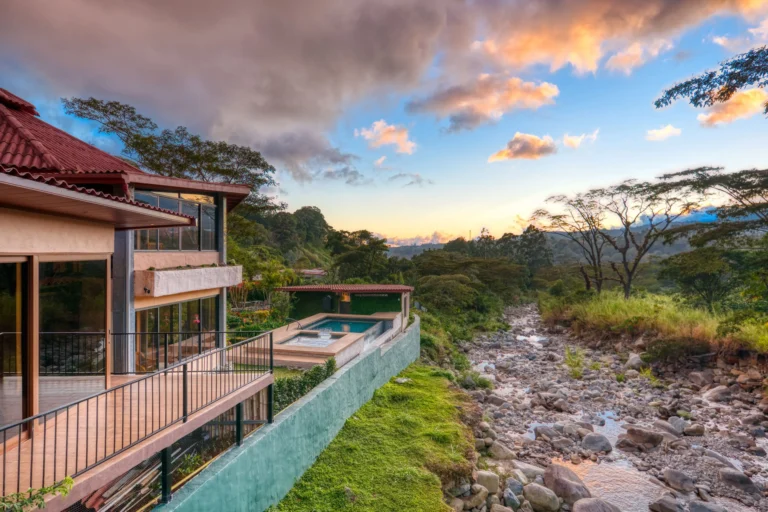
The Inn at Palo Alto
•• Sweet Spot
Best for: couples looking for a polished mid-range stay
A polished boutique hotel on the banks of the Palo Alto River with a heated infinity pool, jacuzzi, sauna, and a breakfast that guests consistently rave about. It is a step up in amenities from most options at this price point and a particularly good choice for couples.
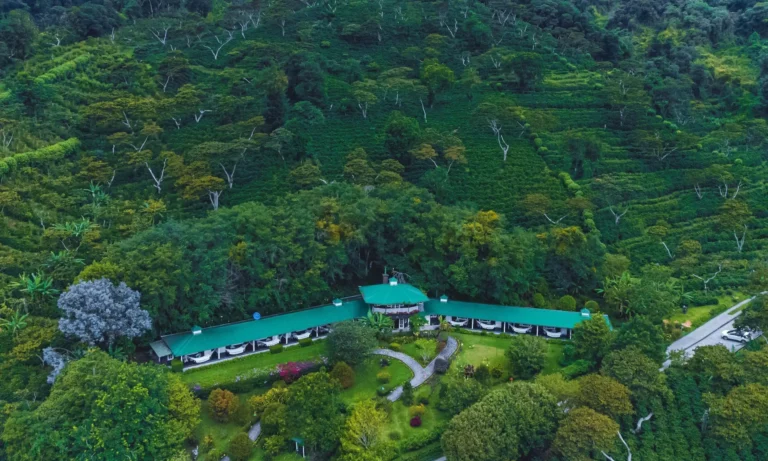
Hotel Finca Lerida
••• Worth Splurging
Best for: food and coffee travelers wanting full plantation immersion
Staying at Finca Lerida puts you on one of Panama’s most celebrated coffee estates, with guided farm access, forest trails, and the on-site restaurant where we had our most memorable meal of the week. The combination of natural setting, coffee immersion, and boutique comfort makes it unlike anywhere else in Boquete.
Planning
Boquete, Panama sits in a highland microclimate that behaves differently from the rest of the country. While the coasts follow a predictable dry and wet season pattern, Boquete can surprise you in either direction, with sunny mornings giving way to afternoon mist and rain even in the dry season, and clear windows appearing in the middle of the wet season that are perfect for hiking or a Volcan Baru sunrise.
Dry season (December to April)
Dry season is the most popular time to visit. Trails are drier, cloud cover is less frequent, and the chances of a clear summit view from Volcan Baru are higher. If seeing the two-ocean view is a priority, this is when to go.
Wet season (May to November)
Wet season brings heavier afternoon rain and muddier trails, but the landscape is at its most vivid green and the crowds are thinner. Accommodation rates are lower and the coffee farms are often at their most active during the harvest months.
If you are hoping to spot a resplendent quetzal, plan your visit between March and May when they are most active in the cloud forest around Boquete and along the Quetzal Trail.
M
From the field · Melina
Boquete, Panama
We visited Boquete in November, right in the middle of wet season, and still managed to hike the Lost Waterfalls, explore coffee plantations, and stand on the summit of Volcan Baru watching the sun rise over both oceans at the same time. Shoulder season travel in Boquete is absolutely doable. You just need to keep a close eye on the weather apps and be flexible with how you schedule your days.
First-hand observation
For a full country-level overview of practical information including domestic travel, health, and entry requirements, see our Panama travel guide →.
The Volcan Baru: hiking versus a 4x4
Should you hike Volcan Baru or take the 4x4 tour? An honest comparison from someone who did the sunrise 4x4 ride, with costs, logistics and trade-offs.
Geisha coffee in Panama
A first-hand guide to Geisha coffee in Panama: the origin story, where to taste it in Boquete, which farms run the best tours, and what to buy to bring home.
Best time to visit Panama
The dry season is not the only season worth going. Here is what the calendar actually looks like, region by region.
Is Panama safe?
Panama is one of the safest countries in Central America. But the answer shifts considerably depending on where you are going.
