
Panama City earns more time than most travelers give it. The Canal is extraordinary. Casco Viejo is unlike any neighborhood in Central America. But beyond those two, the city has ruins that predate the Canal by four centuries, a causeway with a Frank Gehry museum, a fish market that feeds the whole city, and a forested hill that gives you the best free view in Panama.
This guide covers everything: the big-ticket items and the ones most visitors miss. For each activity I have included how long to allow, how to get there, and an honest read on whether it is actually worth your time. The day trips section at the end covers the best options within two hours of the city.
Use this as your starting point for planning time in Panama City. Our Panama City travel guide gives you the broader picture of neighborhoods, food, where to stay, and how to structure the trip.
Activity 01
Casco Viejo: Panama City's Historic Quarter
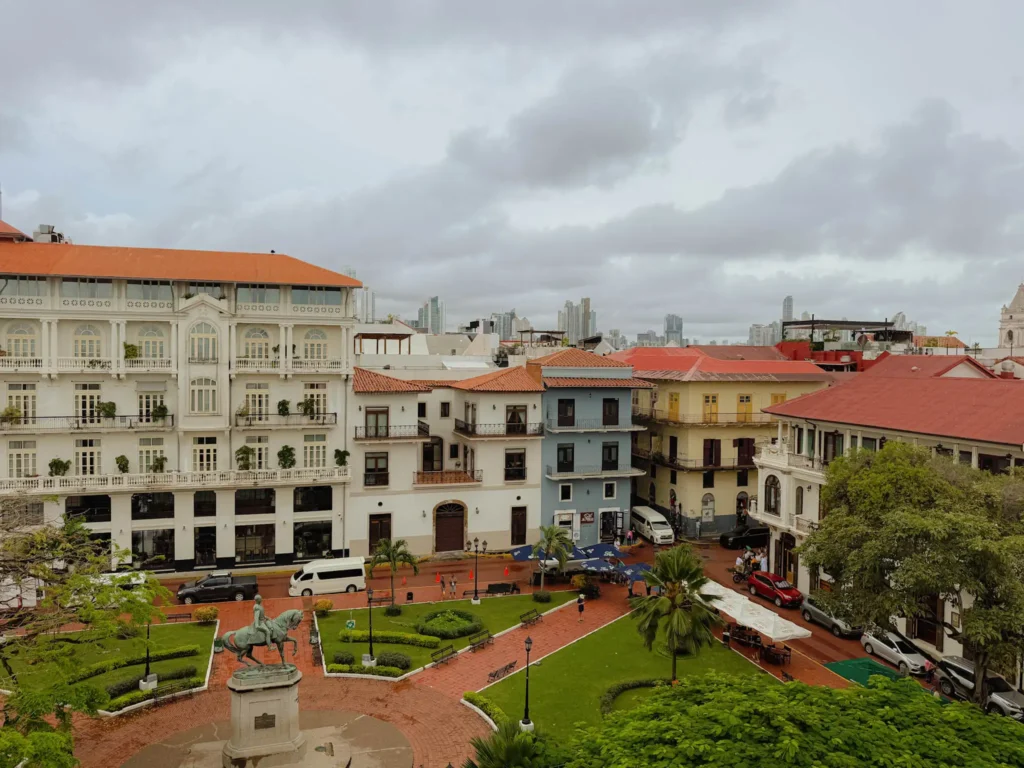
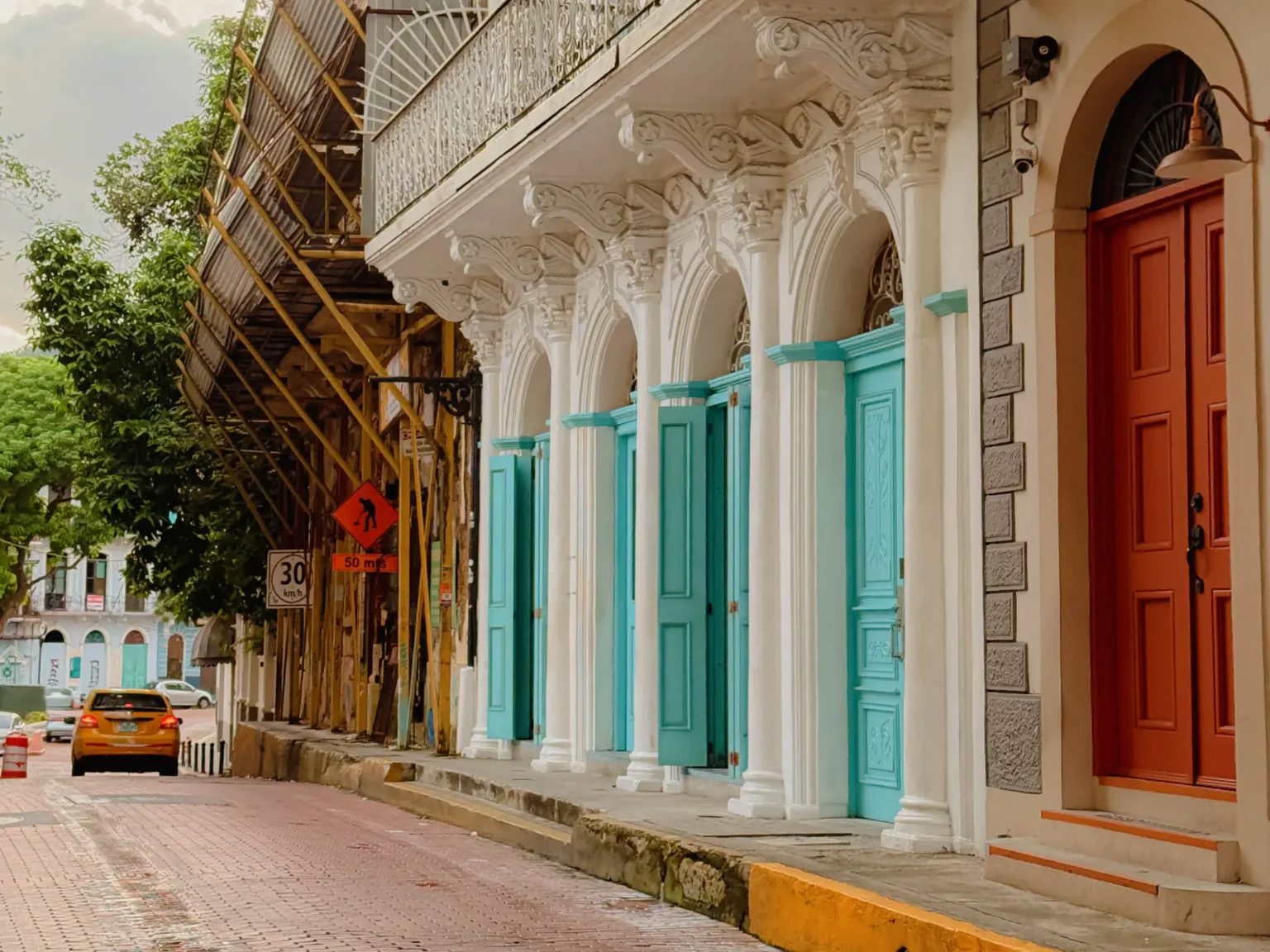
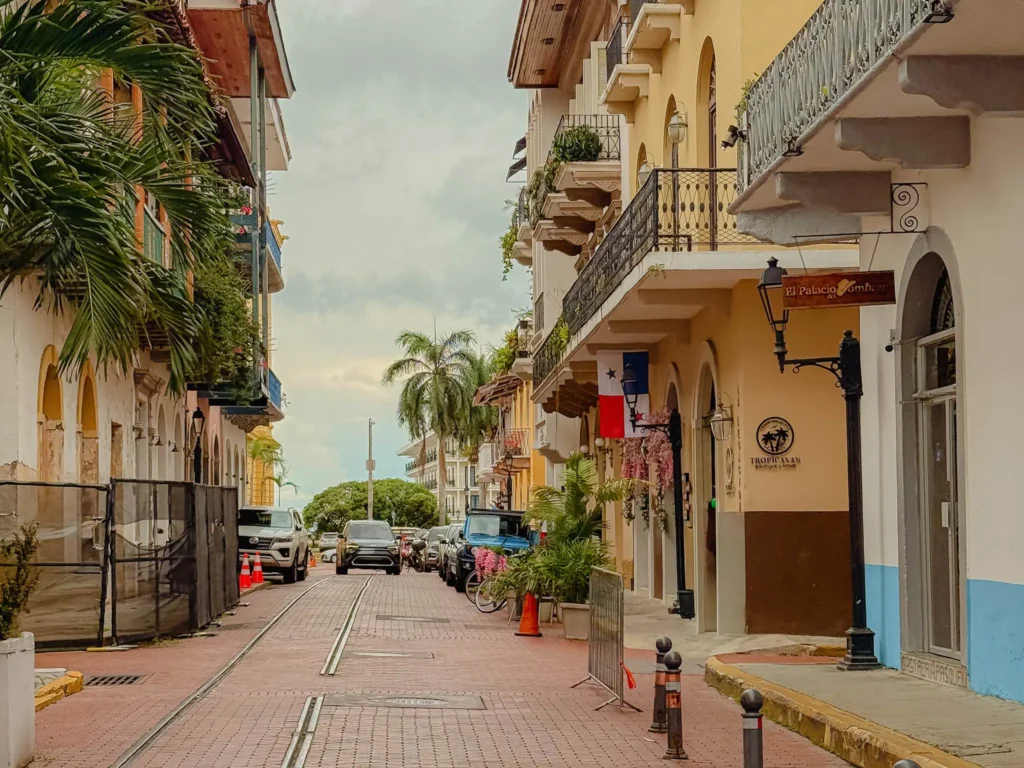
Casco Viejo is the part of Panama City that stays with you. It is the rebuilt successor to Panama Viejo, founded in 1673 after Henry Morgan’s raid, and it occupies a narrow peninsula at the southern tip of the city. The streets are cobblestone, the buildings are colonial Spanish and French, and the whole neighborhood feels suspended between two states: some blocks are fully restored and immaculate, others are still mid-renovation with scaffolding on every facade.
What makes Casco Viejo worth more than a morning is the density of things to see and do within a very small area. You can walk the perimeter walls and look out over the Bay of Panama on one side and the old city rooftops on the other. You can sit at a cafe on the same plaza where Spanish colonists held their markets 350 years ago. You can eat and drink extraordinarily well.
Getting to Casco Viejo
If you are not staying in Casco Viejo, we recommend taking an Uber from your hotel. It is the most straightforward option regardless of where you are staying in the city, the pickup is easy, and the drop-off puts you directly at the edge of the neighborhood. Avoid walking from the financial district or any surrounding streets. The blocks between the modern city and Casco Viejo are not safe on foot. For hotel recommendations close to Casco Viejo, see our where to stay in Panama City guide.
The architecture walk
Start at Plaza de Francia at the southern tip. Here you will find the old French embassy, a monument to the workers who died during the failed French Canal attempt, and good views over the bay. Walk north along the perimeter walls and Paseo de las Bovedas (a well photographed walkway) to Plaza Bolivar, a small square dedicated to Simon Bolivar in front of the Church of San Francisco. In this church, you can pay to climb to the top of the tower to get a view of the city. Then continue to the beautiful ruins of the Arco Chato where you can experience one of the few structures that remains from the 1600s.
Make your way towards the Panama Canal Museum, a museum worth discovering if you do not get the chance to visit the canal during your time in Panama. Then, continue on to the Plaza de la Independencia at the center, where the historic Central Hotel (the first commercial hotel of Panama and worth visiting inside) and the Metropolitan Cathedral face each other across the main square. If you are interested in visiting more historic churches, consider walking by the Church of the Mercy and the Church of Saint Joseph, famous for its golden altar. End your walk at the Plaza Herrera surrounded by historic buildings. Allow two hours minimum to walk it properly without feeling rushed.
Architecture Walk Route
A
Plaza de Francia — start here, get bay views, walk the Paseo de las Bovedas (B)
C
Plaza Simón Bolívar — church of San Francisco
D
Arco Chato — historic ruins
E
Panama Canal Museum — to do if you cannot visit the canal
F
Plaza de la Independencia — historic hotel + Cathedral (G)
H
I
Church of the Mercy + Church Of Saint Joseph — historic churches
J
Plaza Herrera — end here
If you want more context on the history and architecture than you can get from self-guided exploration, a walking tour is a good option. Several operators run small-group tours of the neighborhood covering the colonial history, the restoration story, and the social and political context of the area. These typically run two hours and cost $25 to $40 per person.
Eating and drinking in Casco Viejo
The restaurant scene in Casco Viejo is a great place to start in Panama City. Here are a few recommendations. For delicious elevated Caribbean and Panamanian cuisine, you cannot skip Fonda Lo Que Hay. Looking for something a little more casual with a generous happy hour and elevated bar food, consider La Pulpería. And you can consider Kaandela Restaurant for a fusion cuisine. For a delicious cafe style meal, you can discover Super Gourmet Restaurant.
For drinks in the evening, the rooftop bars are the draw. Lazotea Restaurant & Rooftop has great views of the Panama City skyline. Or check out Casa Casco for views of the colonial neighborhood, its churches, streets, and plazas from above. The streets are lively on Friday and Saturday nights, and the neighborhood is safe to walk after dark within the main plazas and the streets connecting them.
Time to allow
Half day minimum
Taxi from center
15 min
Safety
Safe in tourist core
Entry
Free to walk
Safety in Casco Viejo
Casco Viejo is generally safe within the tourist core, the area around the three main plazas and the streets between them. Do not walk north beyond Avenida Central without checking current conditions first. Take a taxi or Uber directly to and from the neighborhood rather than navigating the surrounding streets on foot.
Activity 02
The Panama Canal: What to Visit and How
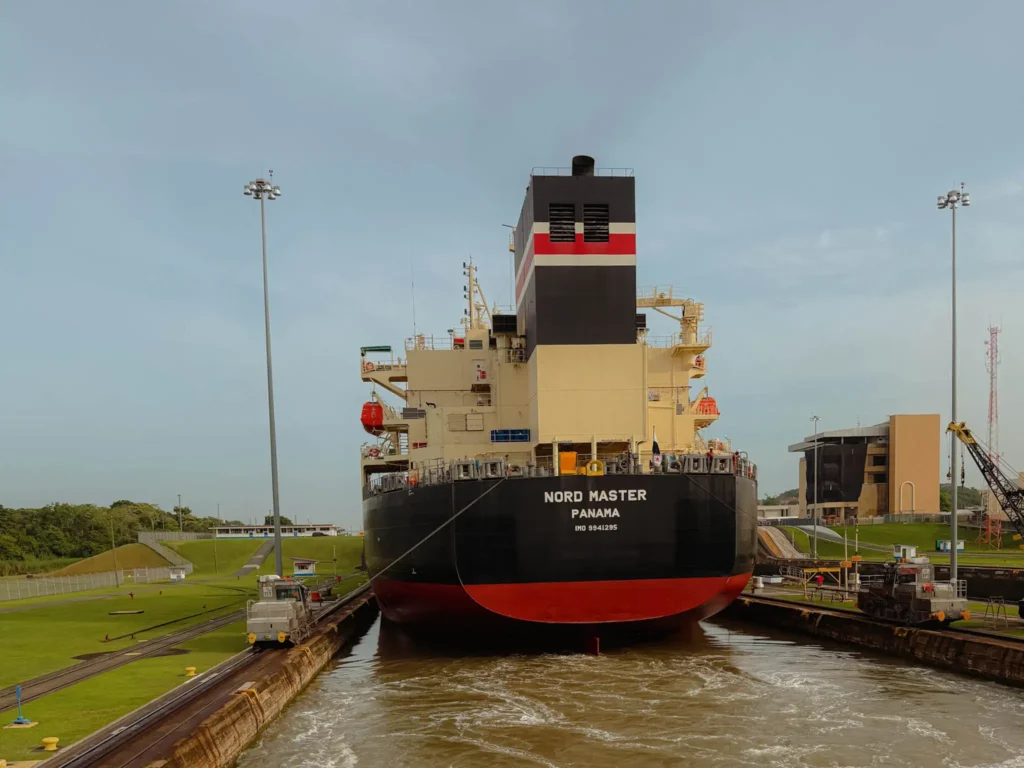
The Canal is the reason most people come to Panama, and it justifies the reputation. There are three ways to experience it: the Miraflores Visitor Center on the outskirts of the city, the Agua Clara Visitor Center on the Atlantic side, and a partial or full transit where you board a boat and move through the locks yourself.
Miraflores is the most accessible, about 20 minutes by taxi, and gives you a viewing platform directly above the lock chambers with ships moving through in real time. Agua Clara, 80 kilometers away near Colon, shows you the newer expanded locks alongside the original Gatun Locks and is the more impressive of the two visitor centers. A partial transit puts you on the water inside the Canal itself, which is a fundamentally different experience from watching from a platform. The full transit runs the entire 80-kilometer length on the first Saturday of each month only.
Our Panama Canal guide covers all four options in full: what you actually see at each, how long to allow, how to book, and which one suits your trip.
Time per visitor center
1.5 to 2 hrs
Taxi to Miraflores
15 min
Miraflores Entry
~$17
Book ahead
Partial + full transit
Activity 03
Panama Viejo: The Ruins That Started It All
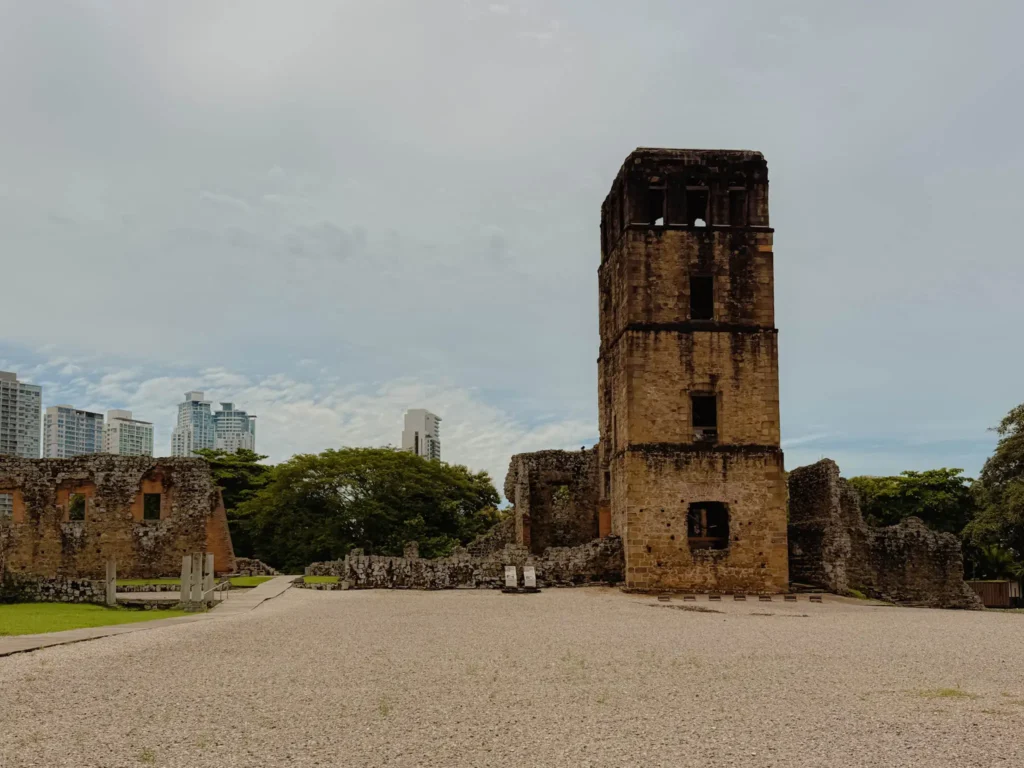
Panama City is the oldest continuously occupied European settlement on the Pacific coast of the Americas. Panama Viejo is where that city began in 1519, and where it ended when Henry Morgan burned it to the ground in 1671. The ruins, a cathedral tower, the main plaza, convent walls, and sections of the original street grid, are now a UNESCO World Heritage Site and the best-preserved colonial ruins in Central America.
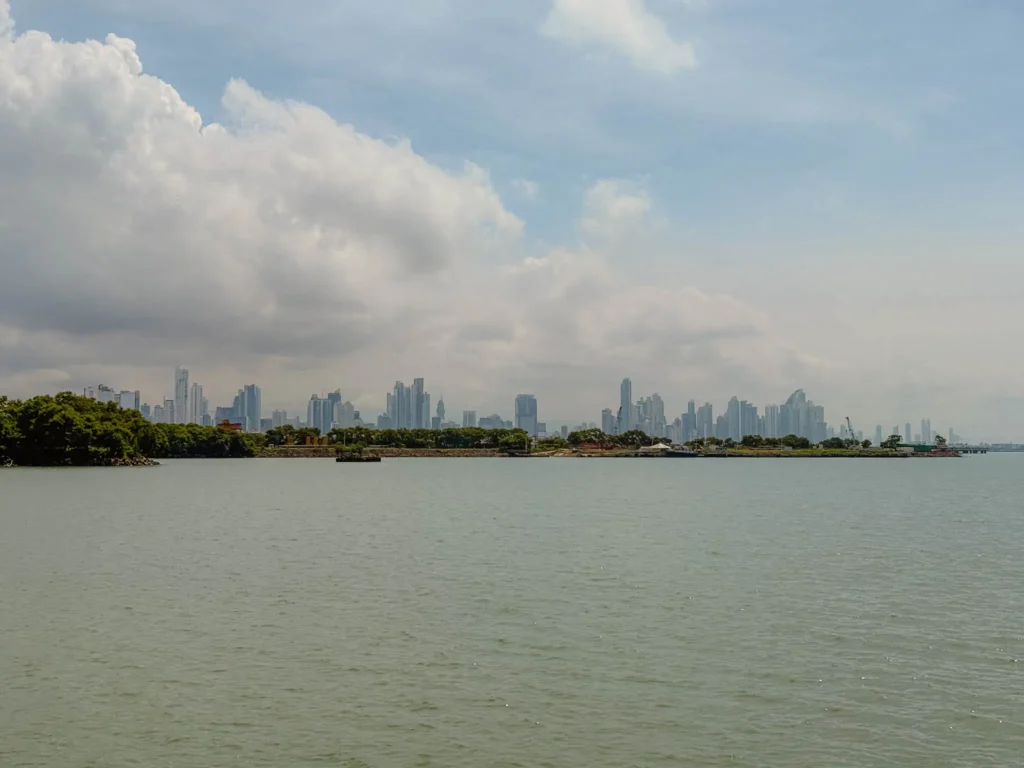
What makes Panama Viejo interesting is the contrast. You stand inside a 500-year-old stone tower and look out at the gleaming glass towers of the financial district less than a kilometer away. Nothing else in Panama City gives you that collision of old and new in quite the same way.
The site has areas that are relatively overgrown, which adds atmosphere rather than detracting from it. Explanatory panels placed throughout the grounds give you a genuine sense of what the original city looked like and how it functioned. You can visit independently and leave with real context. A guide adds more depth on the social history and daily life of the original city, but is not required.
To get around the site, a complimentary shuttle is provided, which is particularly helpful in the Panama heat. You can easily go from the entrance to various parts of the ruins and the museum. Do not skip the museum. It sits near the dense part of the ruins and holds artifacts recovered from the ruins alongside a detailed account of the Morgan raid and the founding of Casco Viejo. The museum gives you the context that makes the ruins make sense.
The tower climb is a few stories of modern retrofitted stairs, not original stone, not claustrophobic. The view from the top looks down over the full extent of the ruins with the city skyline rising behind them. It is worth the effort.
Panama Viejo is consistently one of the most underrated stops in the city. Two hours here is two hours well spent.
Time to allow
2 hrs
Taxi from center
15 min
UNESCO
World Heritage Site
Small Fee
Museum + ruins
Activity 04
Amador Causeway: Cycling, Views, and the Biomuseo
Cycling the Causeway
Several bike rental vendors operate along the Causeway, so finding a bike is straightforward. Bring cash. Most vendors are independent operators and may not take cards. The route is flat, car-free in the central lane, and takes about twenty minutes to ride end to end at a casual pace. Early morning is the best time, before the heat builds.
The Biomuseo
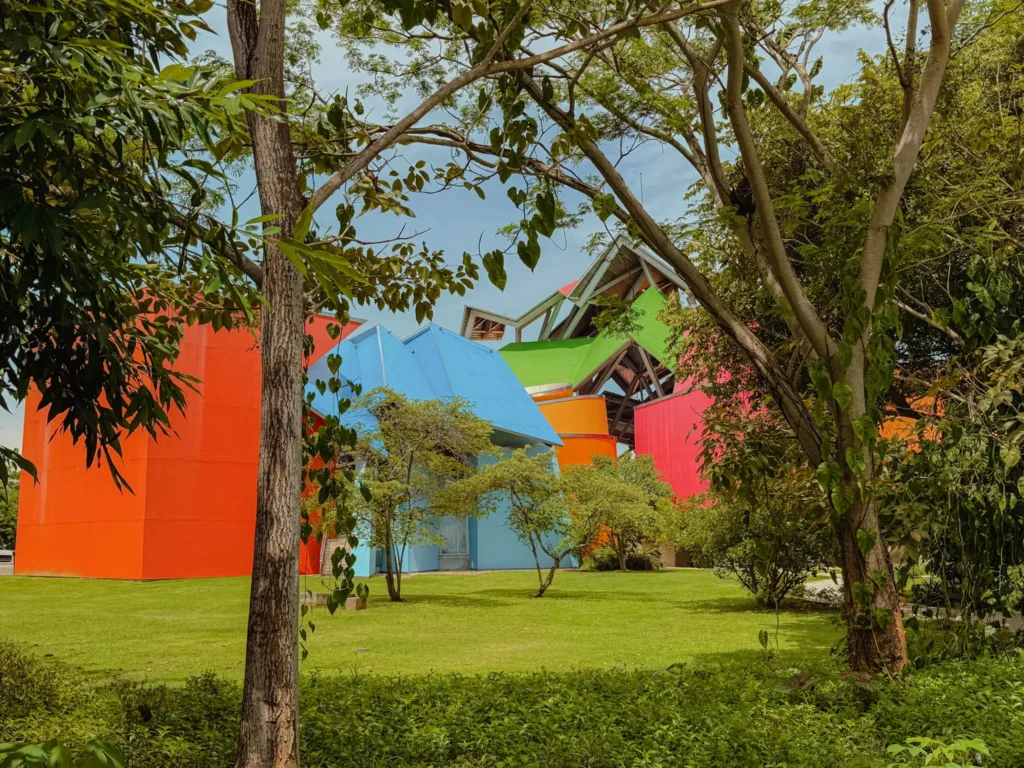
The Biomuseo is Frank Gehry’s only building in Latin America: a riot of color, angles, and folding planes that looks completely deliberate and completely out of place in equal measure. Inside, it is a natural history museum focused on the formation of the Isthmus of Panama and why that matters to the rest of the world.
When the land bridge between North and South America closed roughly three million years ago, it triggered one of the largest species exchanges in the history of life on Earth and fundamentally altered ocean circulation patterns on both sides of the continent. If you have been traveling through Panama without fully understanding why this narrow strip of land is so biologically significant, the Biomuseo answers that question in a way that is engaging rather than textbook.
The exhibitions are fully bilingual in English and Spanish, and the design is genuinely accessible for families. Fish tanks throughout display the range of aquatic environments found around Panama, from Pacific reefs to Caribbean shallows to freshwater river systems. It is the best single place in the country to visualize all of Panama’s ecosystems in one location.
Budget ninety minutes minimum. The building gets warm, so morning visits are more comfortable. The Biomuseo is closed on Tuesdays.
Time to allow
Half day
Taxi from Casco Viejo
10 min
Bike Rental
Cash only
Biomuseo
Closed Tuesdays
Activity 05
Mercado de Mariscos: Panama City's Fish Market
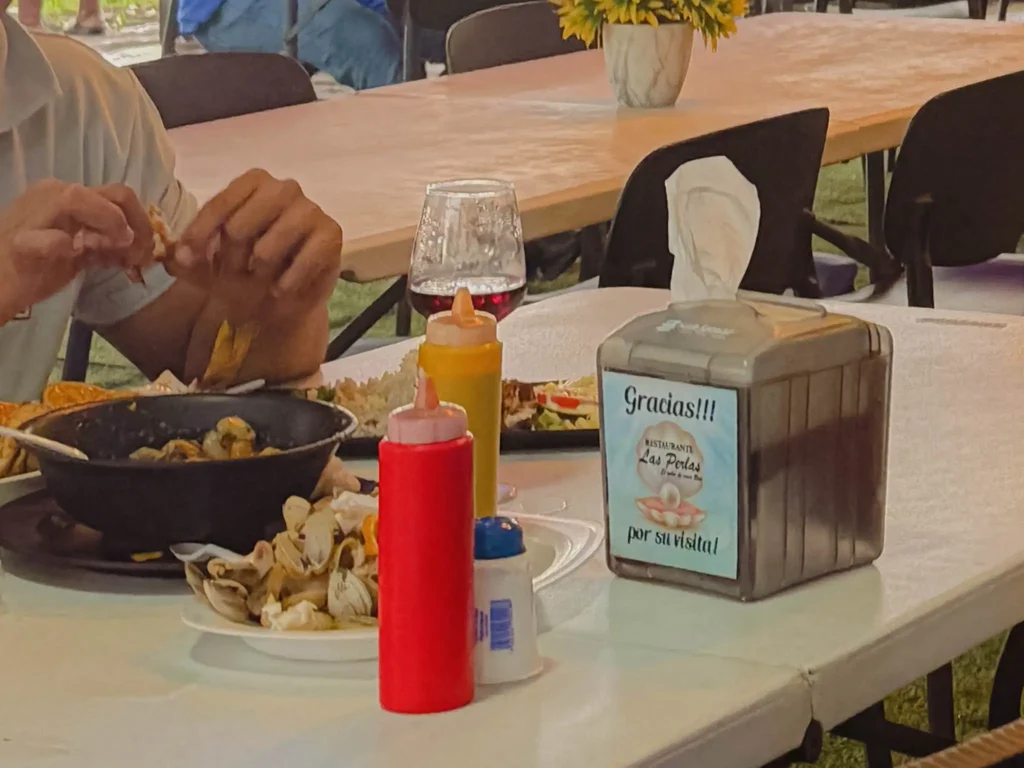
The Mercado de Mariscos sits on the waterfront near the old city walls. The ground floor is a working fish market, corvina, pargo, octopus, shrimp, and also where you want to eat. The restaurants sit right alongside the stalls, and the food is made from whatever came off the boats that morning.
The ceviche is the reason to come. Panamanian ceviche is made with corvina, lime juice, onion, and aji chombo, served cold in a plastic cup with crackers on the side. Beyond ceviche, most stalls offer a range of cooked fish dishes based on whatever is freshest that day.
A few things to know before you arrive. The restaurant workers outside the stalls are pushy and will try to direct you to their spot before you have had a chance to look around. Ignore them. Walk the full ground floor first and choose based on which stall has the most locals already eating there. Most sell the same dishes at the same prices, so foot traffic is your best indicator of quality.
Best time to visit
Noon to 2pm
Where to eat
Ground floor
Distance from El Cangrejo
~30 min
Quality signal
Local crowd
Activity 06
Ancon Hill and Metropolitan Natural Park: Wildlife Within the City
Ancon Hill
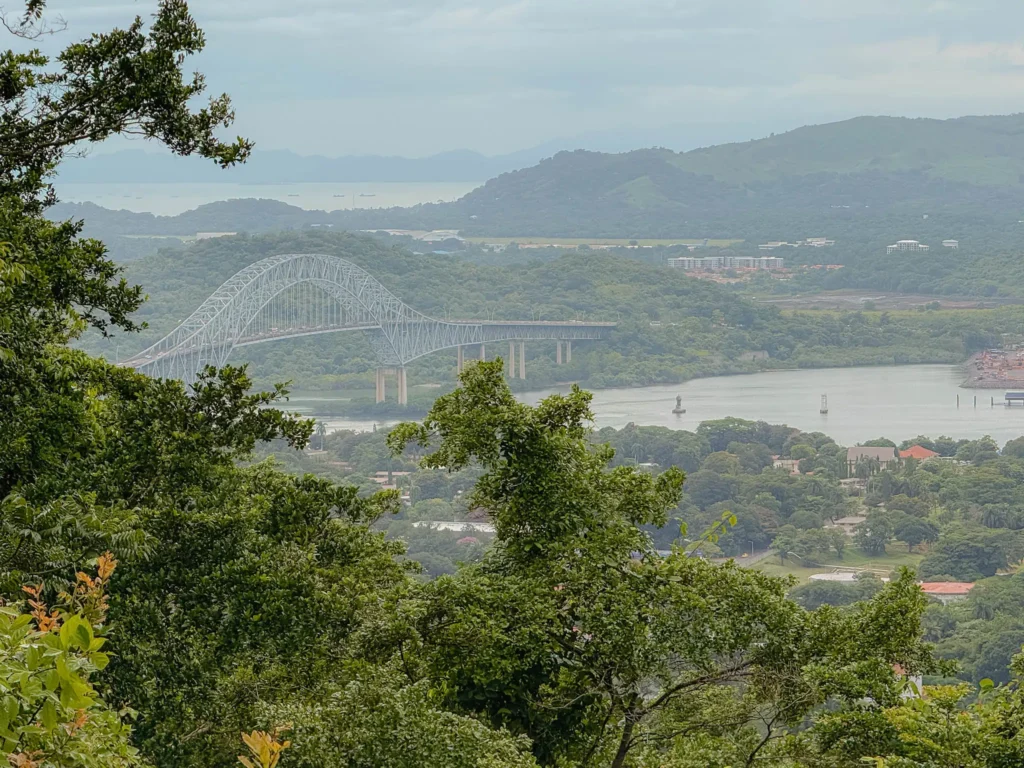
Ancon Hill is a 199-meter forested hill on the edge of the old Canal Zone, about ten minutes by taxi from Casco Viejo. It is free to enter, open to walkers, and offers the best elevated view of Panama City that does not require a hotel rooftop reservation.
One important practical note: do not walk to the hill from Casco Viejo. The neighborhood between them is not safe. Take a taxi or drive directly to the entrance on Avenida de los Martires.
The path to the summit takes about forty minutes at a comfortable pace. The summit is shaded by trees, which makes the heat manageable, and the views take in both the Canal and the Bay of Panama. You will likely hear howler monkeys somewhere on the path. We heard them on the way up. Go early. Bring water. There are no facilities on the hill.
Mi Pueblito: the cultural village at the base of the hill
At the southeastern foot of Ancon Hill sits Mi Pueblito, a recreated cultural village depicting three distinct Panamanian traditions: the Afro-Caribbean community, the interior farming region, and indigenous groups including the Kuna and Embera. The site features replica traditional buildings, craft workshops, and displays of polleras and regional costumes. Entry is $3 and it is open daily from 8 a.m. to 4 p.m.
The honest assessment: Mi Pueblito is a modest attraction and some visitors find it more touristy than educational. For anyone spending only a day or two in Panama City with no time to travel to the interior or the Caribbean coast, it gives a reasonable visual introduction to how different Panama’s regional cultures are from one another. It works well as a 30-minute add-on before or after the Ancon Hill walk rather than a destination in its own right. There is parking and clean public restrooms on site, which makes it a practical starting point for the hill if you are arriving by car or taxi.
Metropolitan Natural Park
If Ancon Hill leaves you wanting more wildlife, the Metropolitan Natural Park is the follow-up. It is a short taxi ride away and is the only protected tropical forest within the city limits of any capital city in the Americas. Purchase a ticket at the entrance and walk the marked trails through the forest at your own pace.
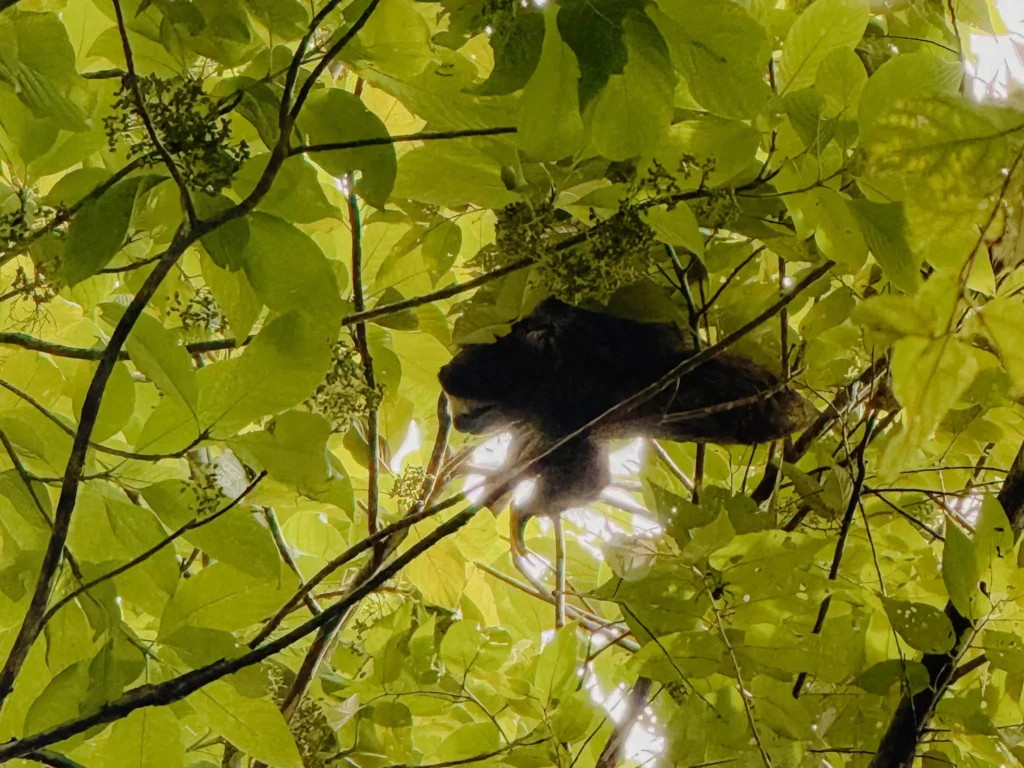
This is where we saw a sloth in the canopy above one of the trails, which is about as good as a sloth sighting gets. The park connects to Soberania National Park further along the Canal corridor, and toucans, monkeys, and a wide range of birds are regularly spotted here. Take a taxi directly to the entrance.
Half a day covers Ancon Hill, Mi Pueblito, and the Metropolitan Natural Park comfortably, and it is one of the more complete wildlife and culture mornings you can put together in the city without a guide.
Time to allow
Half day
Taxi from Casco Viejo
10 min
Ancon Hill + Mi Pueblito Cost
Free + $3
Safety
Take a taxi to each park
Activity 07
Day Trips from Panama City
Panama City is one of the best-positioned bases in Central America for day trips. Within two hours you can be on a Caribbean island, inside the Canal jungle, in a cloud forest crater, or walking Spanish colonial forts on the coast.
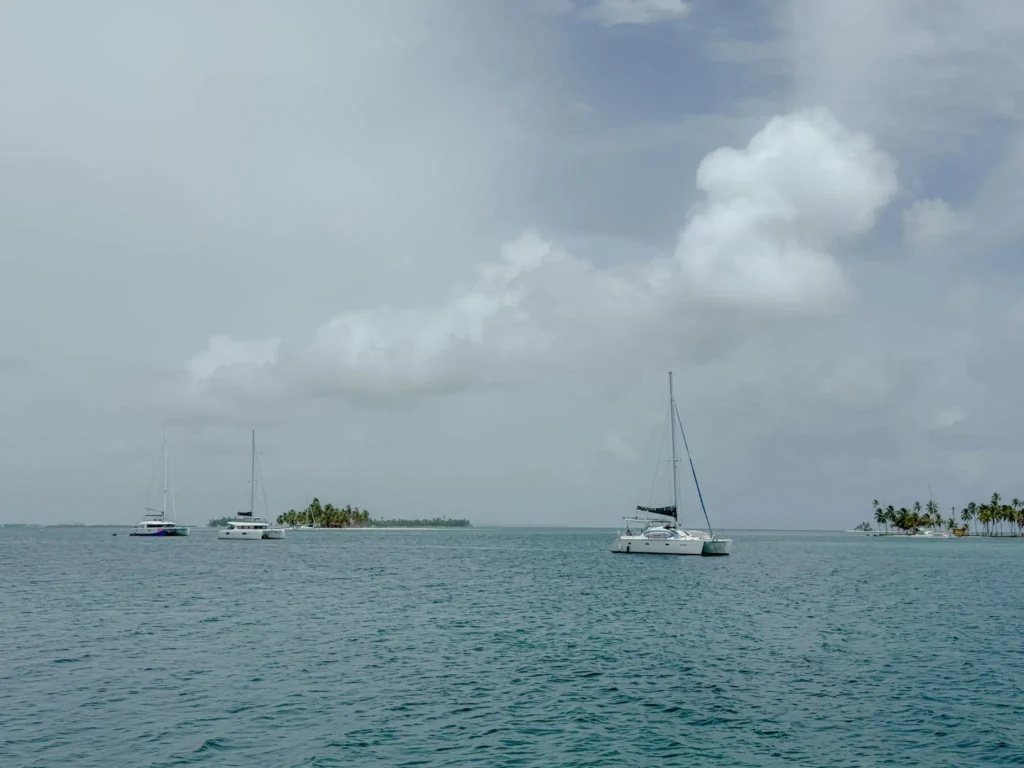
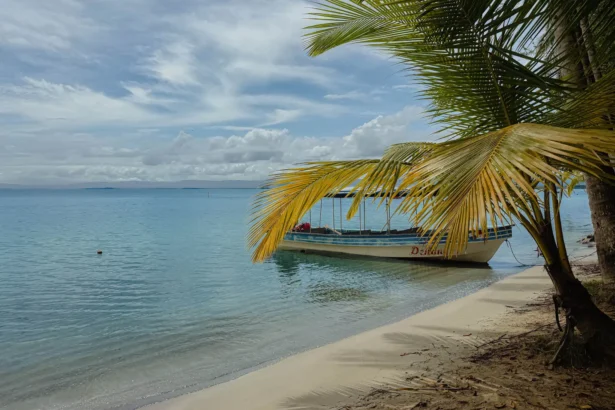
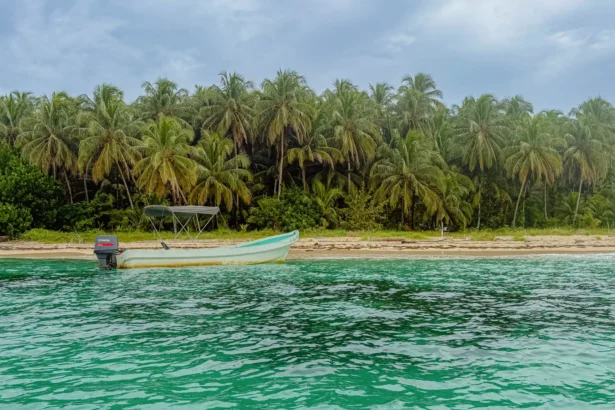
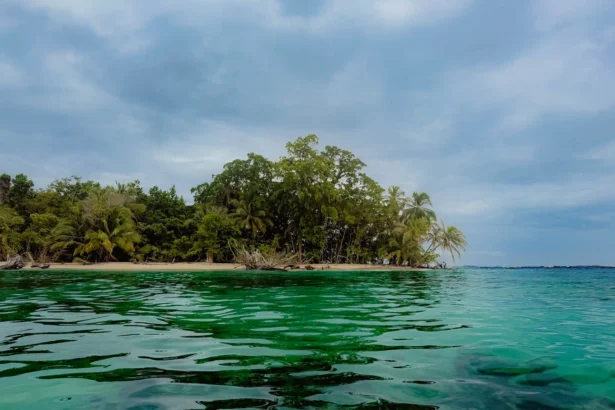
The best options are San Blas Islands (Caribbean islands governed by the Guna people, about 90 minutes by 4WD road), Gamboa (Canal jungle and wildlife, 30 minutes from the city), Valle de Anton (a small town inside an extinct volcano crater, two hours away), Portobelo and Isla Grande (Spanish forts and Caribbean snorkeling, 90 minutes), and the Embera community (an indigenous village reachable by dugout canoe up the Chagres River).
Our day trips from Panama City guide covers each one in full with practical detail on transport, timing, and what to expect.
distance to Gamboa
30 min
distance to San Blas or Portobelo
90 min
distance to Valle de Anton
2 hrs
All Day Trips
Full day
Planning
How to Plan your Time in Panama City
One day: Casco Viejo in the morning, the Canal in the afternoon, back to Casco Viejo for dinner and drinks in the evening.
Two days: Add Panama Viejo in the morning of day two. Lunch at Mercado de Mariscos. The Amador Causeway and Biomuseo in the afternoon.
Three days: Add Ancon Hill and the Metropolitan Natural Park for a wildlife morning. One day trip, San Blas if the road is open, Gamboa if you want wildlife and a partial Canal transit.
Four or more days: Add a second day trip. Portobelo and Isla Grande work well together. Valle de Anton is a full day. The Embera community visit is unlike anything else on this list. Or consider an overnight stay in the San Blas islands.
Panama City is also the launch point for the rest of the country. San Blas, Boquete, Valle de Anton, and Bocas del Toro all start with a flight or a drive from here. Our Panama itineraries are built around that fact, if you want a day-by-day framework for the whole trip.