
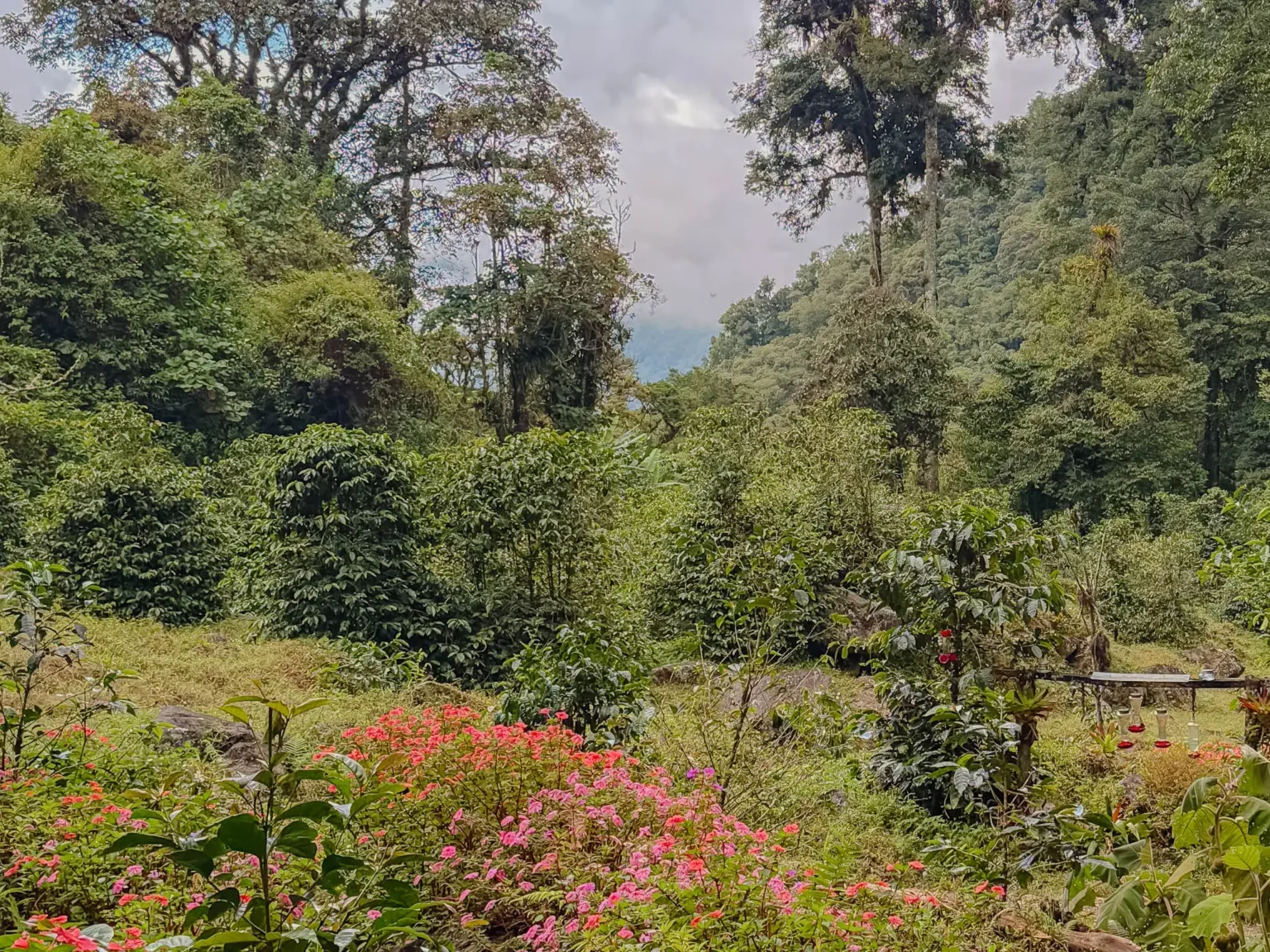
Geisha coffee is a rare, floral, tea-like specialty coffee grown in the highlands above Boquete, Panama. It is one of the most coveted coffee bean in the world, with lots regularly selling for thousands of dollars per pound at auction. And in Panama, you can taste it at the source, brewed by the people who grew it, for a fraction of what the same cup costs in New York or Tokyo.
We tried Geisha for the first time on a coffee tour in Boquete and quickly understood why it commands the price. The cup is unlike any coffee we had tasted before, closer to a delicate fine wine than a morning brew. It is a coffee for special occasions, not for every day. And the chance to drink it where it is grown is one of the most distinctive food experiences Panama has to offer.
This guide covers what Geisha is, where to taste it in Boquete, how much it costs, where to buy beans to bring home, and an honest take on whether the experience is worth the price tag. If you are still planning the wider Boquete trip, start with our Boquete travel guide.
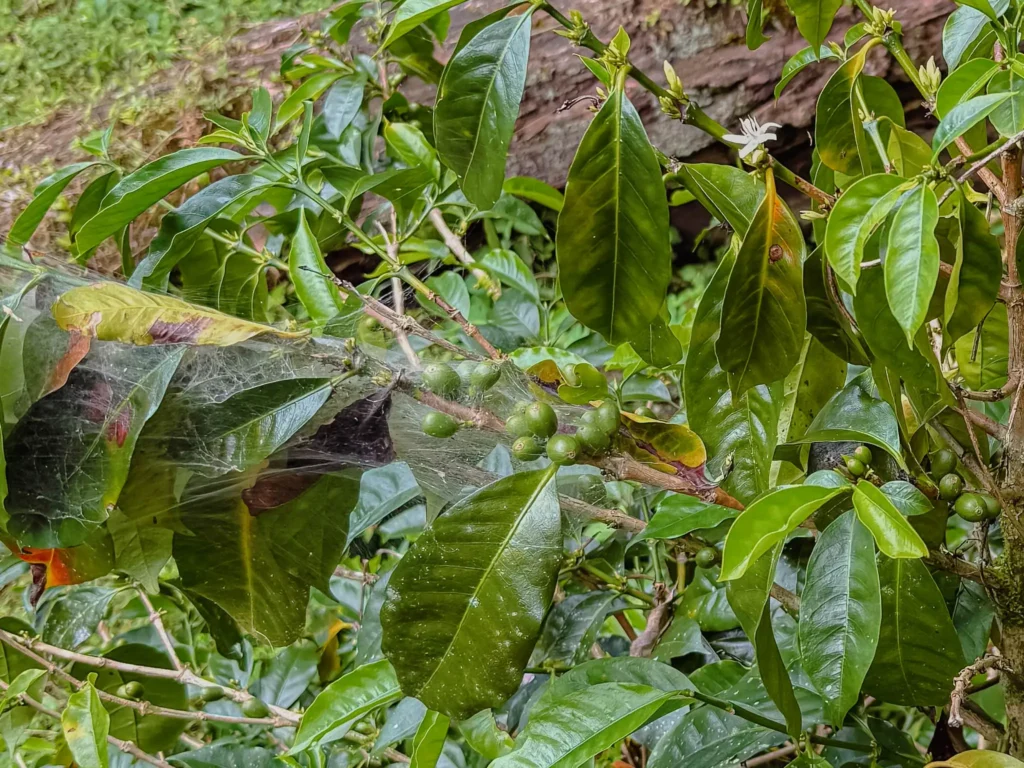
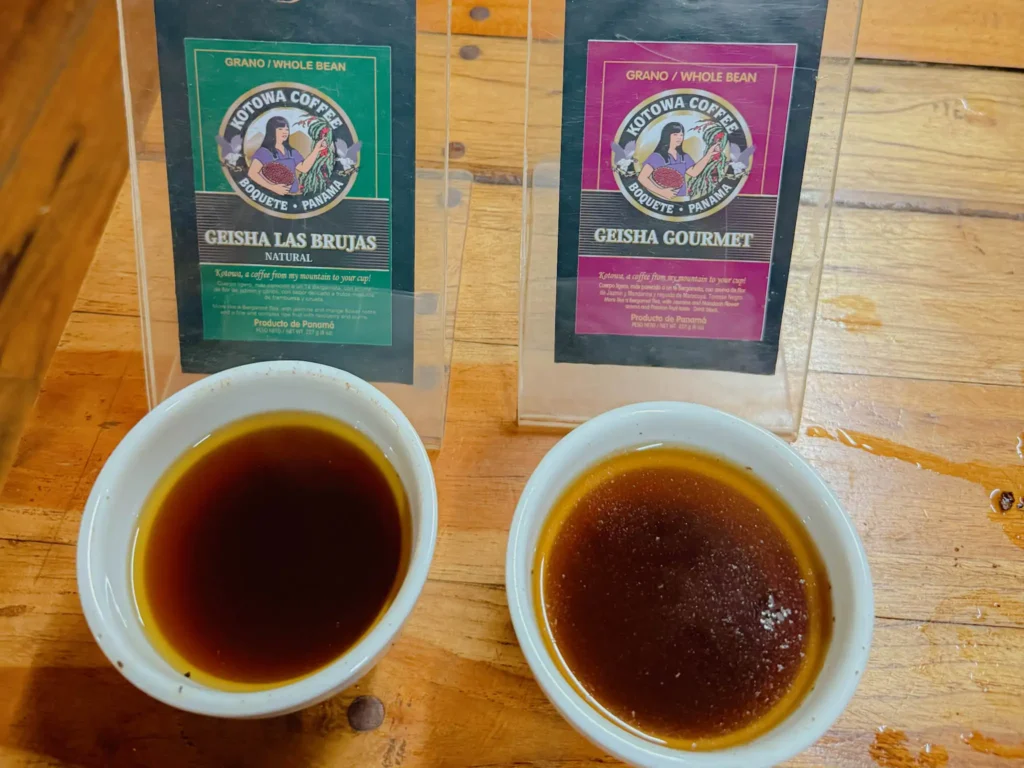
Geisha (sometimes spelled Gesha) is a specialty Arabica coffee varietal known for its delicate, floral, tea-like cup profile. It tastes nothing like the coffee you drink in the morning. The Kotowa Coffee bags sold in Boquete describe their Geisha as "more like a Bergamot Tea, with jasmine and orange flower notes" and a finish of ripe raspberry and plum. That is not marketing copy. That is what the cup actually delivers when a Geisha lot is prepared well.
The varietal traces back to the Gesha region of southwestern Ethiopia in the 1930s, where coffee researchers collected seeds for crop diversification programs. The seeds traveled to Costa Rica's Tropical Agricultural Research and Higher Education Center in the 1950s, where the plant was studied for its resistance to coffee leaf rust. From there, it was distributed to other Central American coffee regions, including Panama. For decades, Geisha was largely ignored. The plant is finicky, low-yielding, and produces small harvests. Most farmers planted higher-yielding varietals instead.
That changed in 2004, when a Geisha lot grown by the Petersen family at Hacienda La Esmeralda was entered in the Best of Panama auction and outscored every other coffee on the panel. The specialty coffee world took notice, and the Geisha varietal moved quickly from obscurity to the most sought-after coffee on Earth.
In the years since, multiple Panamanian farms have set successive auction records with their Geisha lots. The Lamastus Family Estate currently holds the record. Other notable producers include Hacienda La Esmeralda, Finca Deborah, Ninety Plus, Café Kotowa, Finca Casanga, and Finca Lerida. The vast majority of the most acclaimed Geisha lots in the world come from the highlands around Boquete.
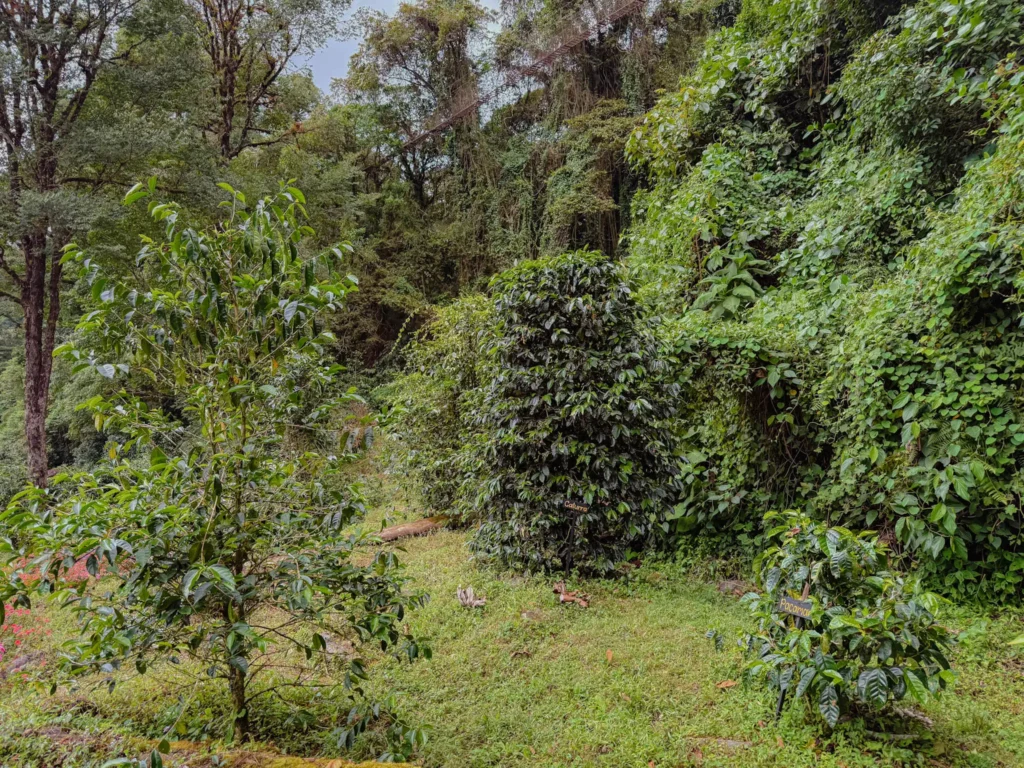
Most coffee sold in the world is commodity coffee. It is graded by volume and price, not by flavor, and ends up in the mass-market brands and chain coffee shops you recognize. Specialty coffee is a different category entirely.
What specialty coffee actually means
Specialty coffee is graded on a 100-point scale by certified Q graders. A coffee needs to score 80 or higher to qualify as specialty, with traceable origin, careful processing, and small-batch roasting. This is the coffee you find at independent third-wave roasters and serious coffee bars. It is not what you get at Starbucks or in a grocery store bag.
Even within specialty coffee, there is a wide quality range. Most specialty lots score between 80 and 86. Anything above 87 is considered exceptional. Anything above 90 is extraordinary.
Where Geisha sits
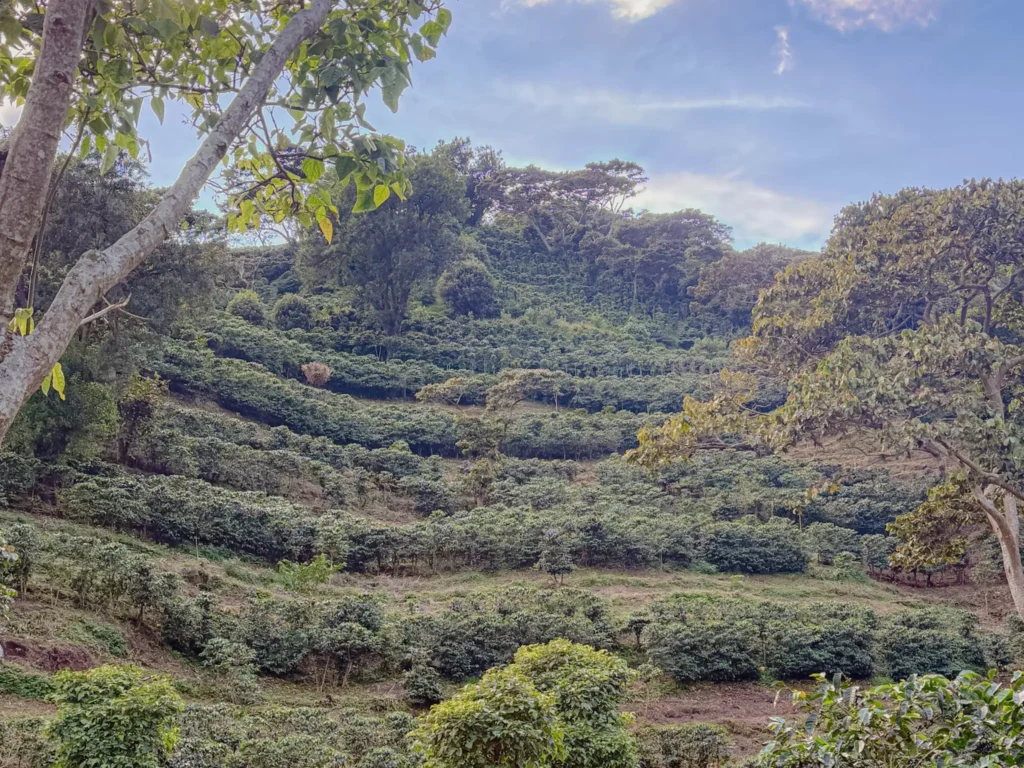
Geisha is one of the few coffee varietals that consistently scores 90 and above on the Q grade scale. The combination of the varietal itself, the high elevation microclimates of Boquete (typically 1,500 to 2,000 meters), and the careful processing required to bring out the floral notes produces a cup unlike anything else in the coffee world.
It is also unusually divisive. Geisha's light body and tea-like profile are the opposite of the rich, chocolatey, full-bodied flavors most coffee drinkers expect. People who love it call it transcendent. People who do not love it call it weak. Both are right. Geisha is not trying to be a typical coffee. It is something else.
Geisha's price tag is driven by a combination of agricultural reality and market dynamics. The agricultural part is simple. The plant produces less fruit per tree than common varietals like Catuai or Caturra, sometimes only a third as much. It grows well only at very high elevation, above roughly 1,500 meters, in specific microclimates with the right balance of temperature, rainfall, and shade. The maturation cycle is long, and the cherries are delicate.
Processing matters too. Geisha lots are often processed using the natural method, where the cherries dry whole before the bean is extracted. Natural processing produces the wild fruit and floral notes Geisha is famous for, but it is more complicated and more prone to defects than the standard washed process. A small error during fermentation or drying can ruin a lot.
The brewing side is the part most travelers do not think about. A poorly extracted cup of Geisha wastes everything that went into producing it. Water temperature, grind size, brew ratio, and timing all matter more than with a forgiving daily-drinker coffee. This is why a $15 Geisha pour at a well-trained café is often more revelatory than a cheap Geisha brewed badly at home.
And then there is the market. Geisha lots that score in the mid-90s are produced in tiny quantities, often less than 1,000 pounds per harvest. Competition-grade microlots at the Best of Panama auction regularly sell for thousands of dollars per pound to specialty roasters around the world. Scarcity meets desirability, and the price climbs accordingly.
So what does that actually look like for a traveler in Boquete?
Cost per cup
A regular Panamanian coffee at a Boquete café runs $3 to $5. It is good coffee. Boquete is a coffee region, and the local cafés take their craft seriously. A cup of Geisha at a producer like Finca Lerida runs around $15. The price reflects the bean itself, the careful preparation, and the experience of drinking it where it is grown.
The best value for tasting Geisha is to do it as part of a flight rather than a single pour. Tree Trek's Café Kotowa coffee tour serves eight different coffees, including Geisha, for $35 per person. That is the most efficient way to taste Geisha alongside other varietals and actually understand what makes it different.
Cost per bag
Half a pound of Geisha beans in Boquete runs around $25. You can find it at the Café Kotowa shop in town, the Finca Casanga store in downtown Boquete, and The Perfect Pair Coffee & Chocolate. We cover the details in the where to buy section below.
Auction prices
Competition-grade Geisha lots at the Best of Panama auction regularly sell for thousands of dollars per pound. Successive records have been broken over the past two decades, with the Lamastus Family Estate currently holding the top spot. These are not the lots you are buying at the Café Kotowa shop or drinking at Finca Lerida. The auction lots are commercial-grade rare and go to specialty roasters around the world. What you are tasting in Boquete is the producer's own retail Geisha, which is excellent but more affordable.
Boquete is the headliner for tasting Geisha at the source. Three farms in the area run accessible tours that include Geisha in the tasting flight, and each one offers a meaningfully different experience. The right choice depends on how deep you want to go and how much you want to spend. Doing a Geisha coffee tasting is a top activity to do in Boquete. The other top thing to do is visit the peak of Volcan Baru, the highest peak in all of Panama.
Tree Trek's Café Kotowa coffee tour (the most accessible option)
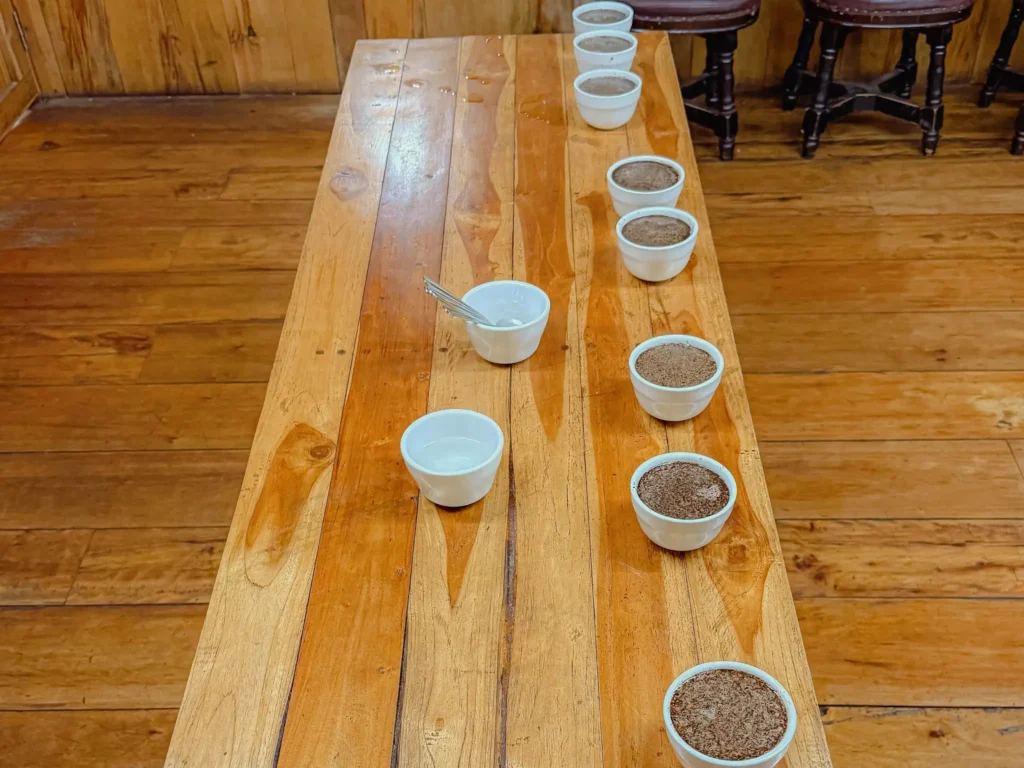
The Café Kotowa coffee tour at Tree Trek is the most accessible Geisha tasting experience in Boquete and, in our view, the best overall value. The tour runs $35 per person, includes round-trip transportation from Boquete town center, and pours eight different coffees, including Geisha, alongside other Panamanian varietals like Pacamara, Bourbon, and Typica. You taste a range of processing styles too, which makes the difference between a natural Geisha and a washed Geisha legible in the cup.
The format is a guided cupping after a short tour of the coffee plants and a walkthrough of the harvesting and processing story. The host explains how the cherries are picked, how the fruit is removed from the bean, and how processing decisions shape the final flavor. By the time you reach the tasting flight, you have the vocabulary to actually understand what you are drinking.
Tree Trek's property is also large enough that you can pair the coffee tour with another experience on the same day. The on-site zipline through the cloud forest is the most popular add-on. Splitting the day between the coffee tour in the morning and ziplining in the afternoon is a strong way to spend a half day, especially given the included transport.
A few logistical notes. The tour books direct through Tree Trek, not through GetYourGuide or Viator. We recommend reserving ahead, especially in high season. The tour can be conducted in English or Spanish, but neither is guaranteed without confirmation, so message Tree Trek when you book to verify your language. The road up to the property is unpaved and steep, which is part of why the included transport is worth taking even if you have your own car.
Book the Tree Trek Café Kotowa coffee tour →M
From the field · Melina
Tree Trek tasting, Boquete, Panama
We did the Tree Trek tasting in November, and the Geisha came last in the flight, after seven other coffees. Drinking it in that order was the point. By the time we reached the Geisha, our palates had calibrated to what specialty Panamanian coffee actually tastes like, and the Geisha landed as something genuinely different. Floral and bright, almost tea-like, closer to a delicate white wine than a morning brew. The host framed it well: this is a coffee for special occasions, not for every day. Tasting it alongside seven other coffees, rather than as a solo $15 pour, was what made the price tag make sense to us.
First-hand observation
Finca Lerida (the elevated, historic option)
Finca Lerida is one of the oldest coffee estates in Boquete and the most refined of the three options. The property includes a hotel, a restaurant with sweeping mountain views, and a working coffee plantation that you can walk through as part of the visit. The Lérida Coffee Experience is a two-hour tour covering the production process and ending with a tasting. A shorter tasting-only option is also available for visitors who want the cup without the full tour.
Booking is done by WhatsApp directly with the finca rather than through a website cart or a third party. Reach out a day or two before you want to visit. The estate pours its own Geisha by the cup at the restaurant, with a single cup running around $15. It is the most expensive way to taste Geisha in Boquete, and also the most atmospheric.
Our honest take: the full tour is worth it if you are already staying at the hotel on the property, where it folds into the wider Finca Lerida experience. If you are visiting just for the day, our recommendation is to do your tasting at Tree Trek or Finca Casanga, then come to Finca Lerida for lunch and a single Geisha pour at the restaurant. You get the views, the food, and a properly prepared cup of the estate's own Geisha without paying for a tour that overlaps with what you have already done.
A note on getting there. Finca Lerida is up the mountain from Boquete town and does not provide transport. Take a taxi up and ask your hotel restaurant to call you a taxi for the return trip.
Book the Lérida Coffee Experience →Finca Casanga (the production-focused option)
Finca Casanga runs a coffee tour built around the production process. If your interest is less about the tasting flight and more about understanding how the coffee gets from the plant to the bag, this is the best option of the three. During the harvest months (October through March), the tour includes hands-on coffee picking, where you can help bring in some of the cherries yourself. Outside of harvest, the focus shifts to the processing facilities and the tasting.
The tour runs $35 to $50 per person depending on the season and is offered in both English and Spanish. English tours are actively advertised, which makes Finca Casanga the most reliably English-friendly option of the three. Booking direct through their website gets you transport from their shop in downtown Boquete to the farm and back.
Finca Casanga is also listed on Viator, which can be a useful option if you are building a longer Boquete itinerary on the platform and want everything in one booking. The Viator price is generally higher than booking direct, so the direct booking is the better value if you do not need the platform consolidation.
The Finca Casanga shop in downtown Boquete is also a stop to know about for buying Geisha beans to bring home. Half a pound of Geisha runs around $25.
Book the Finca Casanga tour →A note on Hacienda La Esmeralda and the other big-name farms
Several of the farms most famous for Geisha do not run public tasting tours. Hacienda La Esmeralda, the Lamastus Family Estate, Finca Deborah, and Ninety Plus all produce world-class Geisha lots that have set successive auction records, but their business model centers on competition lots sold to international specialty roasters, not on agritourism. Travelers who specifically want to taste the Esmeralda or Lamastus Geisha will have better luck at high-end specialty cafés in Panama City than at the farms themselves.
A few other Boquete-area farms come up in coffee conversations but are worth flagging carefully. Janson Coffee Farm is family-owned, welcoming, and produces good Geisha, but it sits about 1 hour and 45 minutes from Boquete town, which makes it hard to fit into a typical Boquete trip without a rental car and a half day to spare. Finca Dos Jefes runs a tour, but it is cash only and the tasting includes only three coffees, which makes it weaker value than Tree Trek, Finca Lerida, or Finca Casanga for the same time investment.
Tasting Geisha in Panama City
Boquete is the headliner, but Panama City has a growing specialty coffee scene with cafés that pour Geisha by the cup, often sourced from the same Boquete producers. The Café Kotowa group has outposts in the capital, and a handful of independent third-wave roasters and high-end hotel restaurants pour Geisha on their tasting menus. If you are not making it out to Boquete, Panama City is a viable Plan B for actually tasting the coffee, though the experience of drinking it at the farm where it was grown is meaningfully different.
Geisha is one of the most distinctive parts of Panama's broader food culture, alongside ceviche, sancocho, and the country's coastal seafood traditions. For the wider picture, see our Panama food guide.
If you want to bring Geisha home, three shops in Boquete town make it easy. All three carry whole-bean and ground options, and the going rate for a half pound of Geisha is around $25.
Café Kotowa shop
The Café Kotowa shop in Boquete town is the retail counterpart to the Tree Trek tour. If you did the tour and decided you wanted to bring home what you tasted, this is where you buy it. The shop carries multiple Geisha lots, including the natural process Geisha Las Brujas and the washed Geisha Gourmet. Both come with the producer's own tasting notes printed on the bag, which makes them easy to gift.
Finca Casanga store
The Finca Casanga store sits in downtown Boquete and stocks the farm's own Geisha alongside other Panamanian varietals. This is the shop tied to the Finca Casanga coffee tour, and the staff can usually walk you through the bean options if you have not already done a tasting elsewhere.
The Perfect Pair Coffee & Chocolate
The Perfect Pair Coffee & Chocolate is a small downtown shop that sells local Panamanian chocolate alongside specialty coffee, including Geisha. If you want to consolidate your souvenir shopping into one stop, this is the most efficient option. The chocolate is also worth a look on its own.
One piece of honest advice
Do a tasting before you buy. Geisha varies meaningfully by producer and by process. A washed Geisha and a natural Geisha from the same farm taste almost nothing alike, and a Geisha you love in one cup may not be the one you love in another. Buying blind is a $25 to $50 mistake waiting to happen. Take the Tree Trek tour first or order a Geisha pour at Finca Lerida, then decide which bag to bring home.
The honest answer depends on what you actually like in a cup of coffee. If you want strong, punchy, and full-bodied, Geisha is going to disappoint you. The light body and tea-like profile are exactly the opposite of what you are looking for. If you appreciate delicate, floral, complex flavors, and you enjoy the experience of tasting something carefully, Geisha is a revelation.
The wine analogy is the cleanest way to think about it. Geisha is to coffee what a fine Burgundy is to wine. You would not drink it every day, and you would not pour it for someone who only drinks beer. It is a special-occasion cup, and the price tag reflects that. Treating it as your morning coffee misses the point.
There is also a market reality worth naming. Geisha's price is driven by scarcity and demand, not just by the cost of growing the beans. Auction lots regularly sell for thousands of dollars per pound because specialty roasters around the world compete for tiny quantities, and that scarcity gets baked into the retail price. At the source in Boquete, you are paying a fraction of the export price. A $15 cup at Finca Lerida or a $35 tasting flight at Tree Trek is genuinely good value relative to what the same coffee costs at a specialty café in New York, London, or Tokyo.
There is also the cultural piece. Geisha is something Panamanians take real pride in, and the tourism economy around it supports the farms, the cooperatives, and the families who have built this industry over decades. Doing a tasting connects you to a piece of national identity in a way that crossing it off your list as "too expensive" does not.
M
From the field · Melina
Geisha coffee tasting, Boquete, Panama
Worth it once, as an experience? Absolutely. Worth it every morning at home? Not for us. The Geisha we brought back ended up reserved for special weekends and dinner parties, where the cup actually got the attention it asks for. Worth it as a gift for the coffee lover in your life? Hands down. We have not given a bag away yet that did not get a surprised text back.
First-hand observation
Who should do a tasting
Coffee enthusiasts, food travelers, gift-buyers, and culturally curious travelers should all do a tasting in Boquete. Even if you take your coffee with cream and sugar, you should do a tasting, because you have likely never had a properly prepared cup of coffee, and the experience is worth having. The only people who can skip without guilt are those who genuinely do not like coffee in any form.
Geisha is one of several reasons Panama deserves a spot on any food traveler's list. For the wider picture, see our Panama food guide.
If you are spending a day in Boquete with coffee as the focus, here is how we would structure it.
Morning, 9:00 AM to 12:30 PM
Take the Café Kotowa coffee tour at Tree Trek. Reserve in advance with transport included from Boquete town center. The eight-cup tasting flight is the most efficient way to understand the differences between Geisha and other Panamanian varietals, and the tour walks you through the production story before you taste. About $35 per person.
Lunch, 1:00 PM to 3:00 PM
Taxi up to Finca Lerida. Eat at the restaurant on the terrace, where the mountain views are part of the meal. Order a Geisha pour at the end, around $15. If you have time, take a walk through the property to see the coffee plantations.
Afternoon, 3:30 PM to 5:30 PM
Taxi back into Boquete town. Stroll through downtown and stop at the Café Kotowa shop or the Finca Casanga store to buy beans to bring home. Drop by The Perfect Pair Coffee & Chocolate for local chocolate as a complement to the coffee gift haul.
Evening
Dinner in town. Boquete has a small but reliable restaurant scene that lines up well after a coffee-heavy day.
A note for travelers more interested in the production side of coffee than the tasting side. The Eje Cafetero region of Colombia is built around the coffee production story rather than around tasting flights. The bulk of Colombia's specialty Arabica is grown there, and the farms run hands-on tours that walk you through harvesting, processing, and roasting in deep technical detail. If that is what you are after, see our guide to the things to do in Salento and the Eje Cafetero region.
Planning the rest of your time in Boquete?
Coffee farms, cloud forest hikes, hot springs, and where to stay by vibe.
The Boquete guide →