
The Volcan Baru hike and the 4x4 sunrise tour both end at the same cross on Panama's highest peak. They are completely different ways to get there. The hike covers 16.4 miles round trip with 6,236 feet of elevation gain over 11 to 13 hours, and it is free. The 4x4 tour takes about 4.5 hours door to door, costs $125 to $175 per person, and is the better choice for most travelers. The Volcan Baru hike is for people whose specific goal is summiting a volcano on foot. Visiting the peak of Volcan Baru is one of the top things to do in the Boquete region, along with discovering Geisha coffee in Panama.
We took the 4x4 sunrise tour out of Boquete and saw both oceans from the summit cross. I did not do the Volcan Baru hike. What follows is an honest account of the 4x4 experience plus carefully researched detail on the hike for anyone weighing the trade-off.
Volcan Baru sits in the western Chiriqui province, a couple of hours by 4x4 outside the town of Boquete. The mountain is a dormant volcano (its last eruption was around 1550) and one of a small handful of places in the world where, on a clear morning, you can see both the Pacific Ocean and the Caribbean Sea from a single spot. That two-ocean view is the entire reason the summit draws thousands of travelers a year. Almost everyone goes up before sunrise to catch it.
The catch is that getting to the top is genuinely difficult either way. The Volcan Baru hike is one of the hardest day hikes in Central America. The 4x4 ride sounds easier on paper, but the road is so broken in places that vehicles have to tether each other up the worst sections. Neither option is casual. Choosing the right one for your trip comes down to your hiking experience, your time in Boquete, your tolerance for altitude, and what kind of adventure you are actually after.
At a glance: Volcan Baru hike vs 4x4 tour
How to book and what it costs
Tour operators line the town center of Boquete, and most offer essentially the same sunrise 4x4 experience. We booked through one of these operators in town. You can also reserve in advance directly with operators on WhatsApp, or through a third-party platform like Viator.
When to book in advance versus walking in: in the dry season (mid-December through mid-April), demand is high and the best operators sell out, so reserve before you arrive. In the wet season or shoulder months, wait until you are in Boquete and check the forecast before committing. Most operators allow date changes with 24 hours of notice, which softens the risk either way.
The going rate is $125 to $175 per person. Our tour included hotel pickup and drop-off, the 4x4 ride with a driver-guide, and a large breakfast served at the summit area.
PRICE • T2 MID RANGE | $125 to $175 per person • sunrise tour with breakfast and pickup included
Tours from $135 per person →The schedule
Pickup is around 3:30 AM. You are back at your hotel by around 9 AM. The whole experience is built around catching sunrise from the top, so the timing is non-negotiable.
The vehicle and the drive
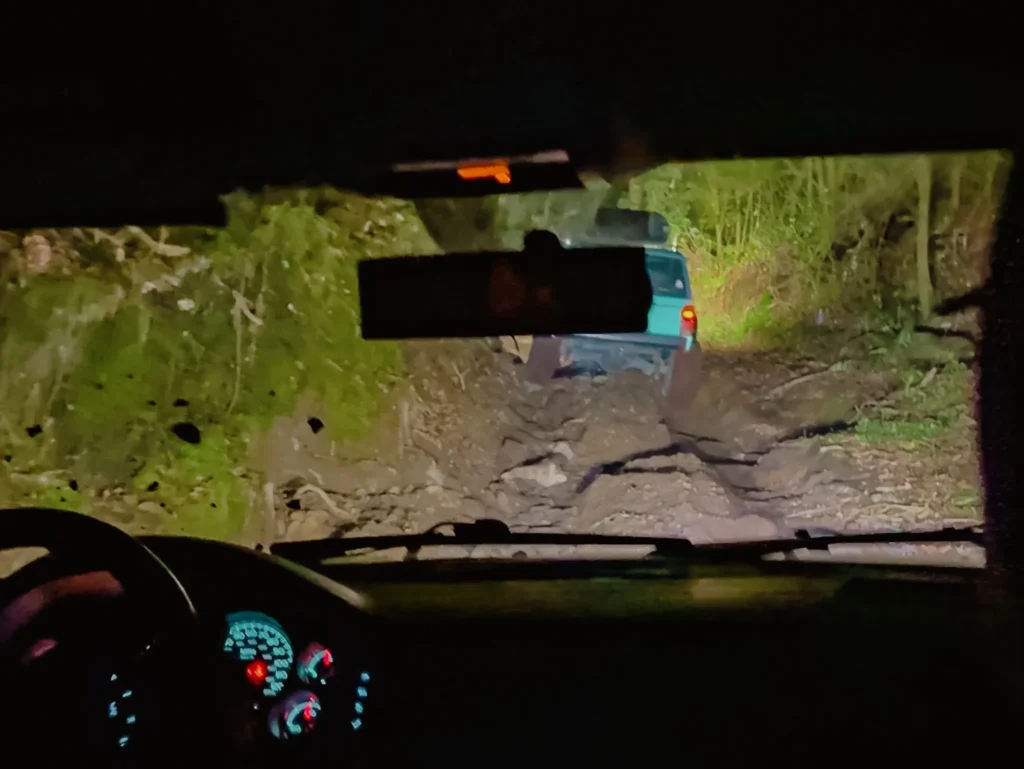
The vehicle is an enclosed 4x4 SUV with room for four to six passengers plus the driver-guide. The cabin is heated, which matters more than you might expect.
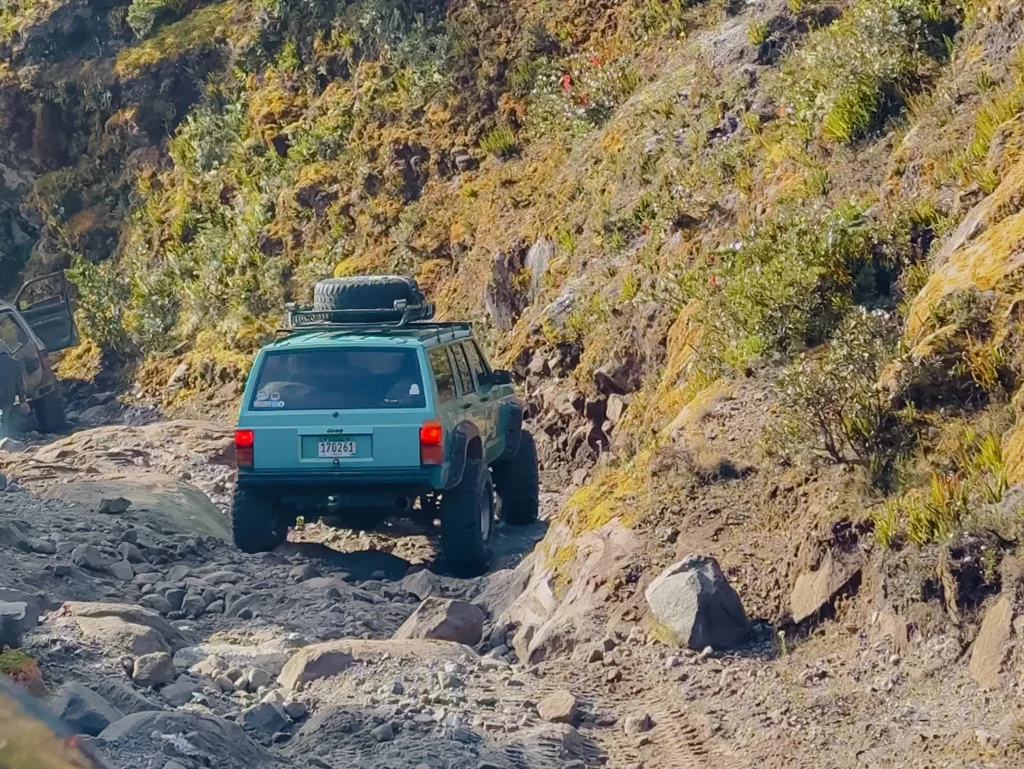
The drive is 1.5 to 2 hours each way on a relentlessly rocky, rutted volcanic road. There are sections where the surface is broken to the point that vehicles have to tether each other to get up safely, and the tour companies work together on the mountain to keep everyone moving. It is bumpy, slow, and genuinely impressive to watch.
For safety reasons (and park regulations), you cannot do this drive in your own personal vehicle, even if it is 4x4 ready. Volcan Baru National Park restricts access to registered tour operators with permits, and the road itself is regularly tackled by mechanics-on-call who keep the tour vehicles running.
Altitude and motion sickness on the drive
Because the cabin is heated, you do not feel the cold or the altitude on the ride itself. Two things to plan for:
Motion sickness
If you are even mildly prone to it, take medication before the 3:30 AM pickup. The bumps are not the polite kind. Dramamine, meclizine, or natural ginger options all work. The window of usefulness is about 30 minutes before nausea starts, so do not wait.
Altitude
The summit sits at 11,398 feet. That is high enough for altitude effects in some people, particularly those who have come from sea level (Panama City) the day before. Mild symptoms like shortness of breath, dizziness, or headache are common at the summit and usually resolve quickly once you descend. If you have a history of altitude sickness, talk to a doctor about acetazolamide (Diamox) before your trip.
At the summit
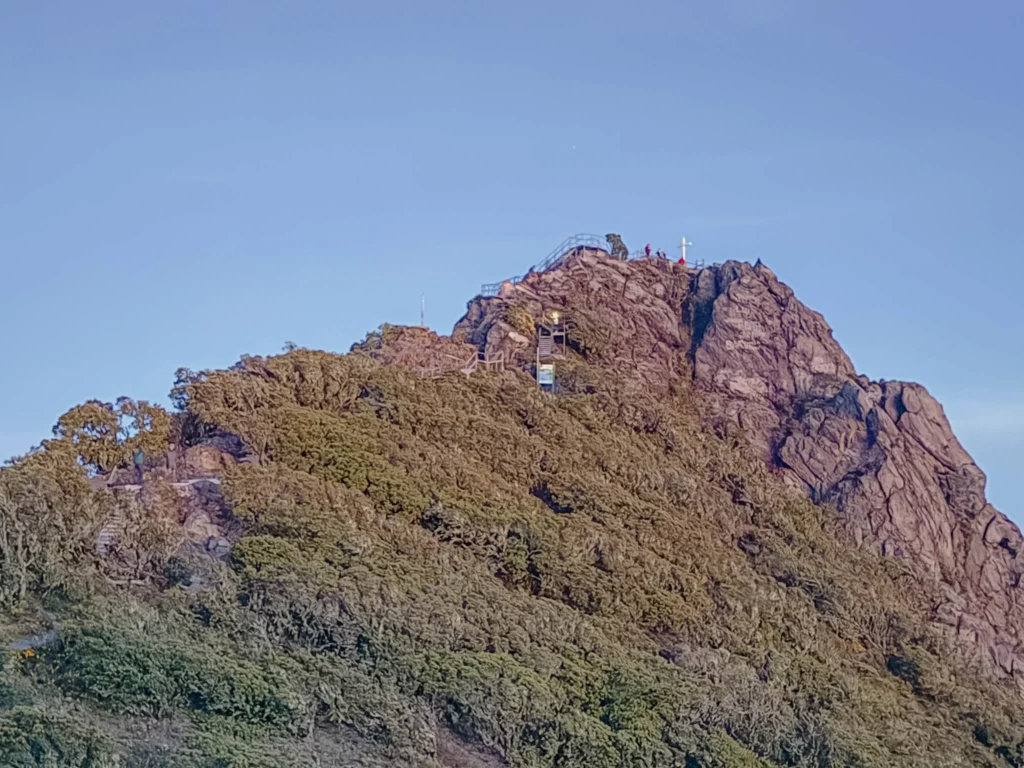
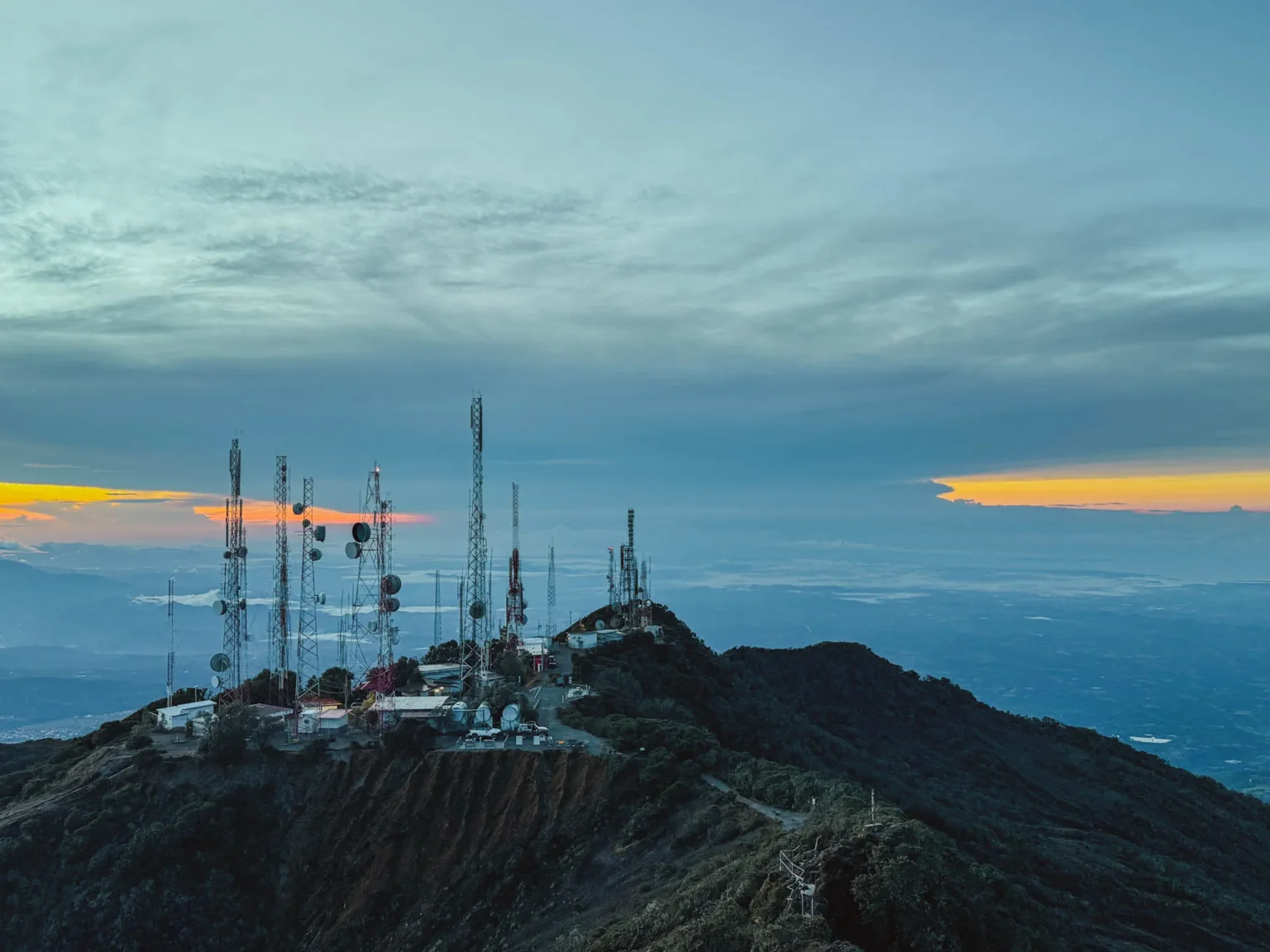
You arrive in near-darkness as the sun is just beginning to rise. The vehicle drops you near the antennae station at the top of the road, and from there it is a short 10 to 15 minute walk uphill to the cross that marks the true summit of Volcan Baru.
Temperatures sit just above freezing. The wind cuts through anything thin. What we wore: long pants, wool socks, hiking boots, long sleeve base layers, a mid-weight jacket, hat, buff, and gloves. We were comfortable. Other travelers who underestimated the cold were visibly miserable, which is a useful data point if you are debating how many layers to bring.
You spend roughly 1.5 to 2 hours at the cross and the surrounding viewpoints. Then you head back down to the antennae area for breakfast with the view, which adds another half hour or so. Total time at the summit area is about 2.5 hours before the drive back down. There are public toilets at the antennae station, which is useful to know given the 3:30 AM pickup and the 1.5 to 2 hour drive each way.
The two-ocean view, honestly
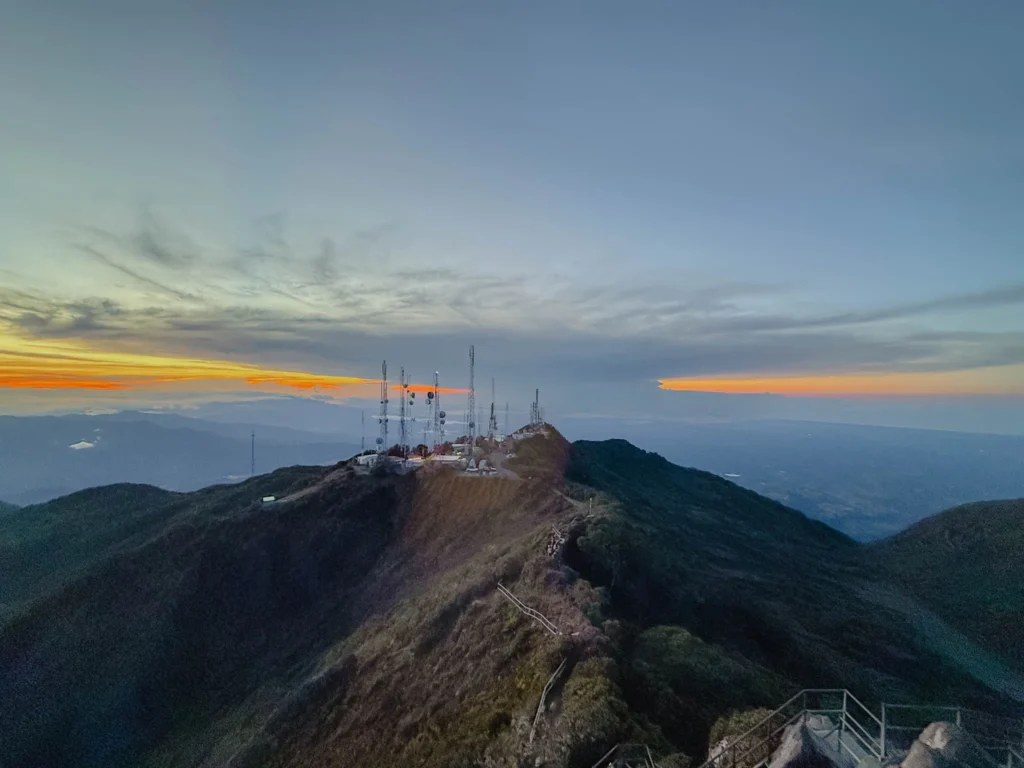
We saw both oceans. There were soft clouds laying over the Pacific and the Caribbean, but the view was real and the sunrise was a postcard. The catch is that the view depends entirely on the weather that morning. On a fully clouded day, the summit is white in every direction and you are paying for the ride, not the panorama. This is the strongest argument for booking in town once you can read a 24-hour forecast.
Who else is up there
There are other tour groups and a smaller number of hikers who came up overnight via the Volcan Baru hike to catch the sunrise. Because of the cold, almost everyone is quiet. The summit feels peaceful, not crowded the way a popular viewpoint can feel.
M
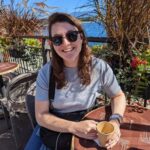
From the field · Melina
The summit of Volcan Baru, Boquete, Panama
The thing that stayed with me was the skill of the drivers. Watching them work the vehicles up that broken volcanic surface, tethering each other through the worst sections, made it absolutely clear we had chosen right. The 4x4 is not a shortcut. It is its own kind of adventure, and the people driving you are doing the hard part.
First-hand observation
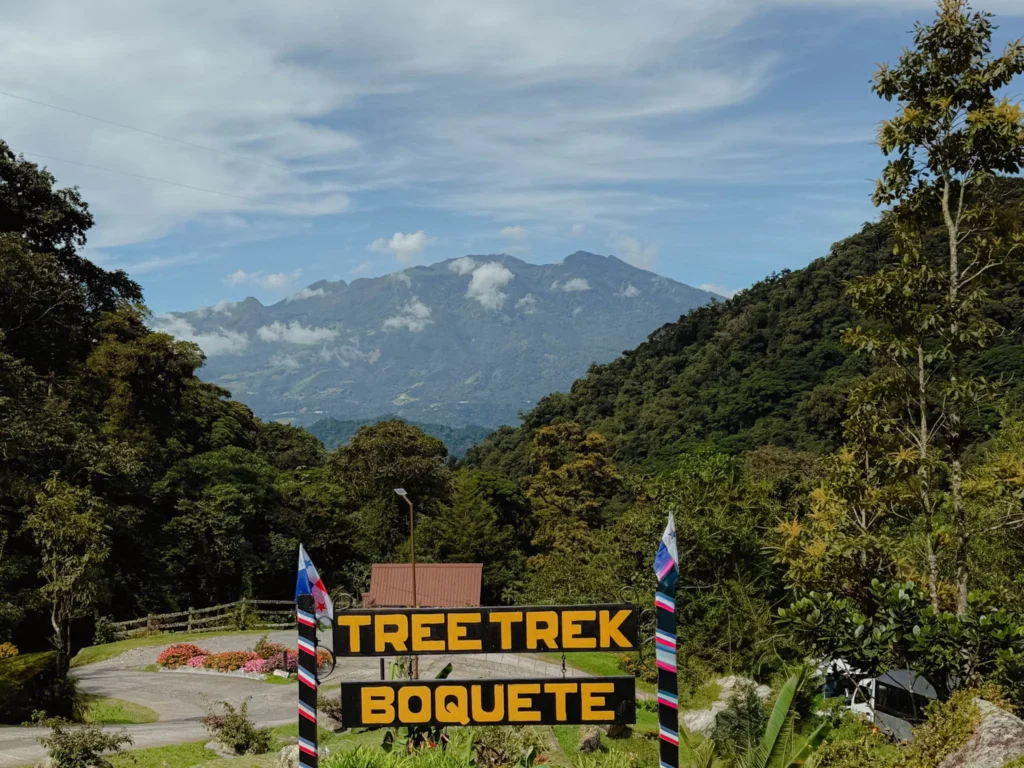
The Volcan Baru hike is one of Central America's classic day climbs, and one of its hardest. The trail covers 16.4 miles out and back with a single relentless ascent of 6,236 feet to the summit at 11,398 feet. Most hikers complete it in 11 to 13 hours. There is one trailhead, no shortcuts, and no shelter on the way up.
I have not personally done the hike. The detail below comes from AllTrails trip reports, conversations with Boquete-based guides, and Panama's national park regulations. Verify any specifics with your tour operator or the park office before you go.
Where the Volcan Baru hike starts
The official trailhead is the Volcan Baru National Park ranger station on the eastern side of the mountain, about 6 km north of Boquete town in a village called El Salto. You can drive to the trailhead and park there, take a taxi from Boquete town center (roughly $5 to $10), or arrange a drop-off through your hotel. There are also local hostels that organize a shuttle to the trailhead, which means that you could meet fellow hikers and do the trek with as a group (recommended when doing the hike at night).
A small park entrance fee is collected at the ranger station (typically $5 so bring cash in small bills). Register your name and intended return time with the rangers. This is mandatory and exists for good reason: hikers have gotten lost on this mountain.
There is a second, longer route via the western side through Volcan town, but it is roughly 50% longer and rarely used by visiting hikers. The Boquete-side trail is the standard.
The trail at a glance
Distance
16.4 mi total
Elevation gain
6,236 feet
Total time
11 to 13 hrs total
Difficulty
Hard
Trail type
Out and back
Guide required
No
Why people hike Volcan Baru
There are real reasons to choose the Volcan Baru hike over the 4x4 tour, and they are worth respecting.
The summit feels earned. Watching sunrise from 11,398 feet after climbing through the night is a different experience than watching it from a sunrise tour. Hikers describe a quietness at the top that the tour groups, however well-behaved, do not quite match.
It is free. No guide is required, no tour fee, no booking pressure. The only costs are the park entrance, your transport to the trailhead, and your gear.
You see the mountain. Hikers take the time to pass through three distinct ecological zones (lower cloud forest, upper cloud forest, alpine paramo) on the way up. For naturalists and birders, the hike is the only way to see what the mountain actually contains.
Resplendent quetzals. Volcan Baru's slopes are one of the best places in the Americas to see a quetzal in the wild. Most sightings happen in the lower forest sections of the trail at dawn or dusk.
If any of those reasons matter to you more than a comfortable ride, the hike is the right choice.
What to expect on the trail
The Volcan Baru hike has three rough phases.
Phase 1: The lower forest (roughly miles 0 to 4)
A wide, gentle-to-moderate climb through dense cloud forest. The grade is reasonable, the air is warm, and most people feel strong here. Bird and wildlife sightings concentrate in this zone. Average pace: roughly 1.5 to 2 hours.
Phase 2: The middle climb (roughly miles 4 to 7)
The trail steepens. The forest thins. You start to feel the altitude. This is where many hikers slow significantly. Switchbacks help but the climb is constant. Average pace: 2.5 to 3.5 hours.
Phase 3: The upper section (roughly miles 7 to 8)
Exposed alpine terrain, strong winds, near-freezing temperatures at night. The last mile is the hardest because you are tired, cold, and at altitude. The trail reaches the antennae station where all the 4x4s park, and you walk the final 10 to 15 minutes to the cross at the summit.
The descent could be faster (roughly 4 to 6 hours) but harder on the knees. Hiking poles help significantly.
Camping at the Volcan Baru summit
A small number of hikers camp near the summit to break the climb into two days and time sunrise without an overnight push. This is permitted by the park but rarely done because:
If you do camp, sites are informal and located below the antennae station in the wind shadow of the upper rocks. Bring a four-season tent or expect a miserable night. Most experienced hikers consider this option more punishing than the all-night push.
Sendero Los Quetzales: an alternative if you are not committed to summiting
If the goal is the cloud forest experience but not the summit, Sendero Los Quetzales is a popular alternative. The trail runs through Volcan Baru National Park between Boquete and Cerro Punta over roughly 5 miles, with much less elevation gain. It does not reach the summit, but it passes through the same prime quetzal habitat as the lower section of the Volcan Baru hike, and most hikers complete it in 4 to 6 hours. You can check out the exact trail on Alltrails.
Logistically, you arrange a one-way taxi to one end and a pickup at the other, since the trail does not loop. Otherwise, you can hike just part of the trail and return to the trailhead, depending on how far you want to hike. Many Boquete tour operators run guided versions for $40 to $60 per person.
Do the hike with a guide to get the best chance to spot quetzals →You can also look spend time hiking in Valle de Anton for a gentler alternative to hiking in the Panama highlands.
Gear and preparation
This is a hard hike at altitude with extreme conditions at the summit. The right gear is the difference between an unforgettable summit and a serious problem.
Gear essentials
get your gear at REI →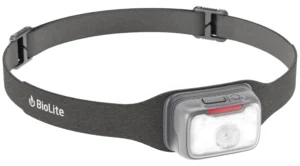
Headlamp
A rechargeable headlamp that will power you to the top of the summit when hiking at night.
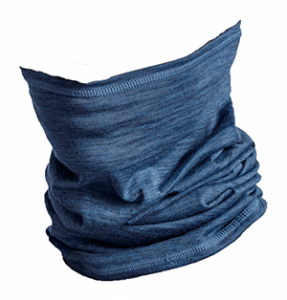
Buff neckwear
The most versatile piece of warm weather gear. It can be worn in a variety of ways to keep your extremities warm, including your mouth, nose and ears.
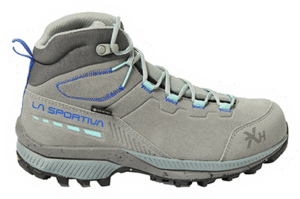
Hiking boots
You will want a good pair of hiking boots for this trek, preferably one that goes above the ankle, due to the volcanic soil that you will be hiking through.
The Volcan Baru hike should be done by hikers who are comfortable with long ascents and exposure to wind and cold at altitude. If those words do not describe you, take the 4x4.
The Volcan Baru hike has had multiple fatalities and rescue operations over the past decade. Most incidents fall into three categories.
Getting lost on the descent
The most common serious incident on Volcan Baru is hikers losing the trail on the way down, especially if descending in low light, fog, or fatigue. Several rescue operations every year involve hikers who took a wrong turn off the main trail. Register at the ranger station, carry a GPS or downloaded offline map, and do not leave the marked trail.
Hypothermia at the summit
Hikers underestimate the temperature drop. The base in Boquete can be 70°F while the summit is 32°F with wind. Wet clothing from a sweaty climb compounds the risk. Carry a dry base layer to change into at the summit before you sit down for sunrise.
Weather changes
Weather on Volcan Baru changes fast, especially in wet season. Clear afternoons can become whiteout conditions by midnight. Check the forecast, but be ready to turn back if conditions deteriorate. For the best chance, make sure to visit Boquete during the right season and cloud cover.
Take the 4x4 if
→ You have one or two days in Boquete
→ You want the sunrise view without the physical investment
→ You are traveling with mixed fitness levels, children, or older travelers
→ You do not have hiking experience at altitude
→ You are open to a genuinely adventurous ride as part of the appeal
Hike if
→ Summiting a volcano on foot is the actual goal
→ You have multiple days in Boquete with a rest day built in afterward
→ You are an experienced hiker with the right gear and the right layers
→ You want a free, self-guided physical challenge
Dry season (mid-December through mid-April) offers the most reliable weather for clear summit views and stable road conditions for the 4x4. This is also when tours sell out, so book ahead.
Shoulder season can absolutely work. A clear morning after a rainy afternoon often delivers the best visibility because the rain washes the air clean. The risk is committing to a sunrise pickup and getting clouded out. Most operators will rebook if the weather is bad, which is another argument for booking in town once you can read a short forecast.
Wet season (May through November) carries the highest risk of clouded summits and difficult road conditions for the 4x4. Hiking in heavy rain at altitude is a serious safety issue and not recommended.
For the 4x4, any hotel in Boquete works. You will be picked up at your hotel around 3:30 AM, so location is convenient but not critical.
For the Volcan Baru hike, the timing is different. Most hikers start in the late evening to reach the summit by sunrise, which means hiking through the night. Plan accommodation for the night after the hike to recover, not the night before. A cheap room near the trailhead in El Salto or a comfortable hotel back in Boquete town both work; what matters more is being able to crash hard after 11 to 13 hours on the trail.
Planning the rest of your time in Boquete?
Coffee farms, cloud forest hikes, hot springs, and where to stay by vibe.
The Boquete guide →