


Part of the Panama Travel Guide
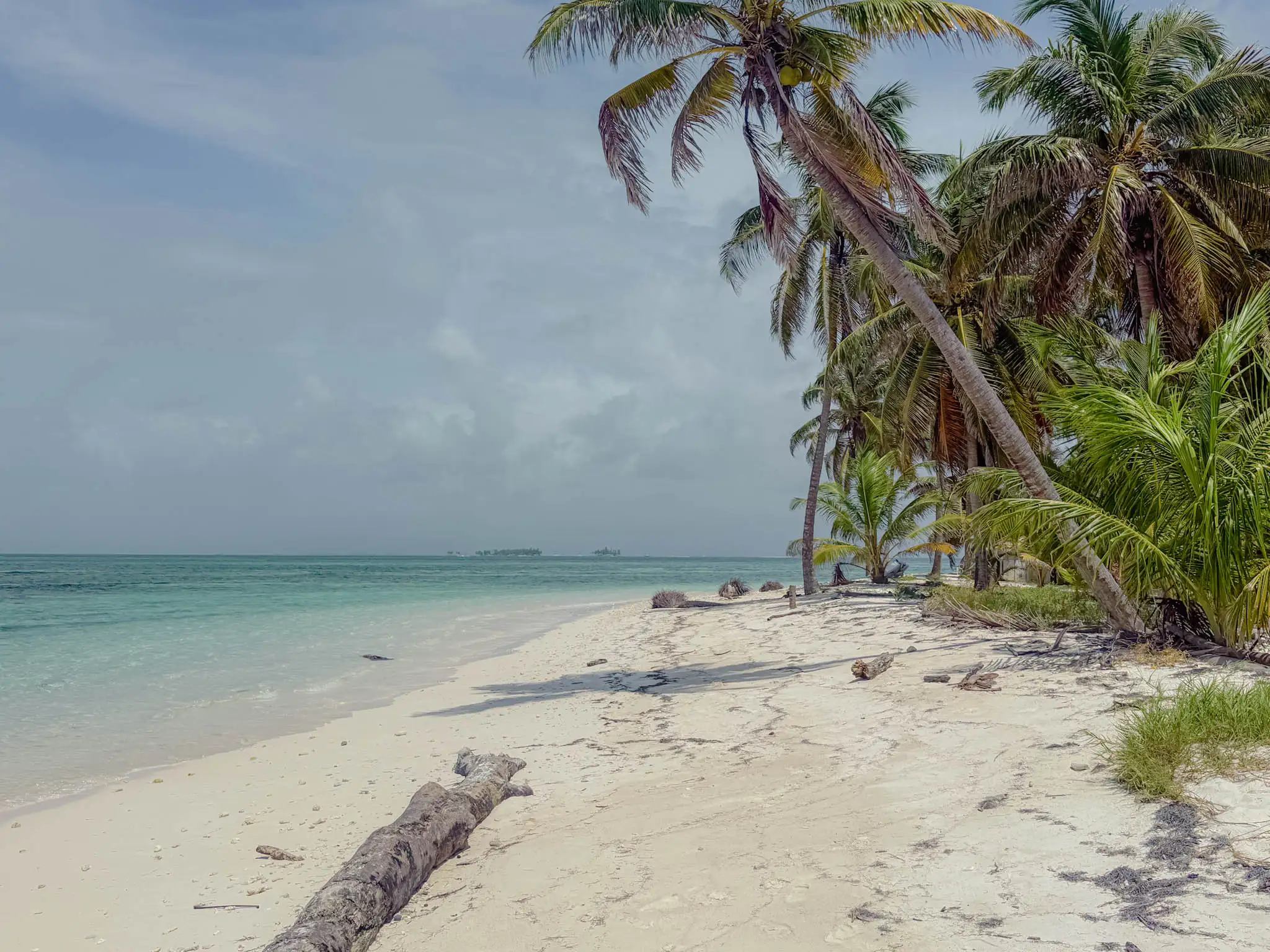
← Back to PanamaSan Blas is one of those places that actually deserves the word 'unspoiled'. The archipelago stretches along Panama's Caribbean coast: 365 islands, most of them uninhabited, all of them governed by the Guna people under a degree of political autonomy that has kept resort developers out for a century.
You will not find swim-up bars in San Blas and international hospitality brands. No all-inclusive packages, no matching staff uniforms, no experience engineered to keep you comfortable and separate from the place. What San Blas, Panama offers instead is white sand, shallow turquoise water, and a level of quiet that is increasingly hard to locate anywhere in the Caribbean.
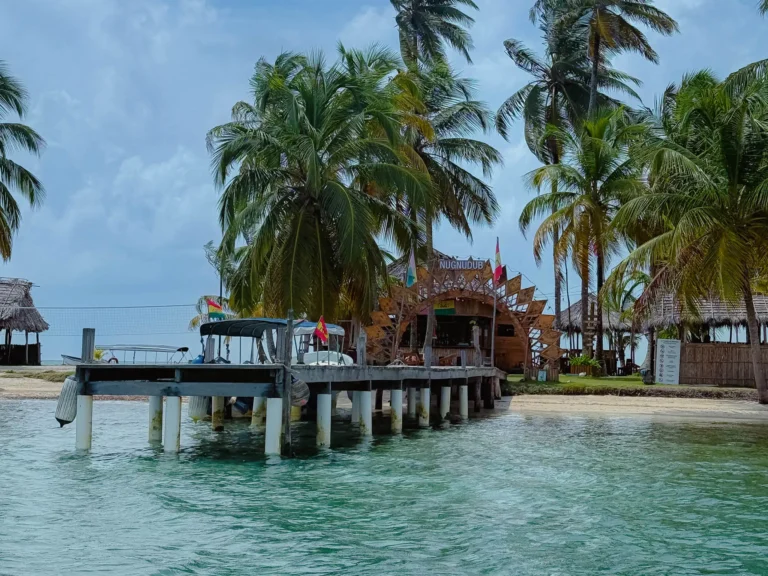
The islands go by two names. San Blas is the term most travelers use. Guna Yala is the official name of the comarca, the semi-autonomous territory the Guna have governed since 1925. Both names will appear throughout this guide. The flag of the Guna people is a black swastika over red and yellow stripes. (This can be shocking to visitors.) The flag was developed when Guna Yala attempted to gain independence in 1925, before the Nazi use of the symbol, and represents their creation story by an ancient octopus. You will see this flag throughout the San Blas islands.
There are three ways to experience the San Blas Islands: as a day trip from Panama City, staying on one of the islands in Guna-run accommodation, or chartering a sailboat or catamaran and living on the water for a few nights. Each suits a different kind of traveler. This guide covers all three, with honest framing on what each one actually involves.
Other San Blas islands articles
Quick Resources to Plan Your Trip to Panama
Planning your trip
San Blas does not have easy access, and that is part of why it remains what it is. There are two ways to get to San Blas from Panama City: the overland road or a charter flight.
The 4WD road
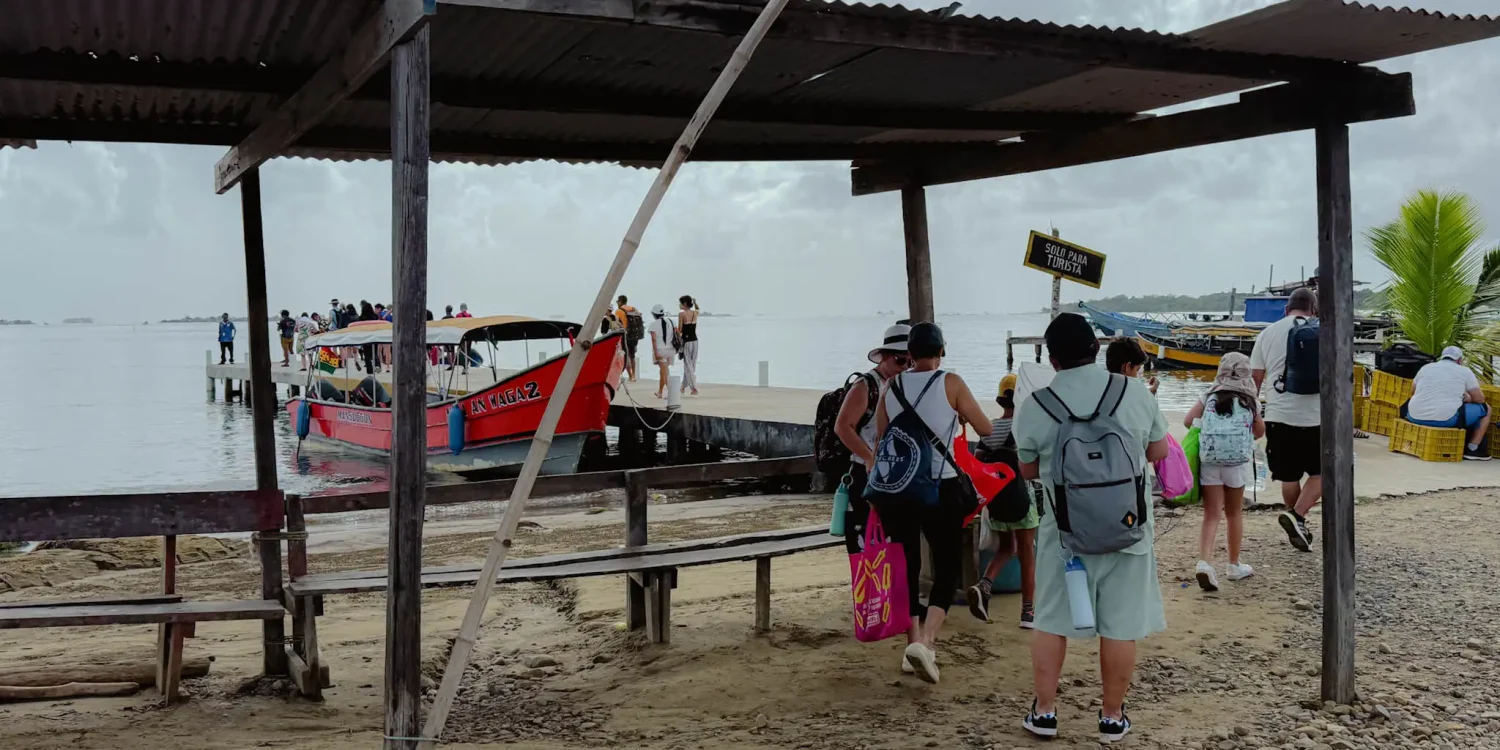
The Llano-Carti road is the most common route and the one most day-trippers and travelers use. It leaves the Pan-American Highway and climbs into the mountains before descending steeply to the Caribbean coast. Part of the road is unpaved, rutted in places, and requires a 4WD vehicle. The total journey time from Panama City to the coast is about two and a half to three hours, followed by a short boat transfer to your island. The best way to get to the coast is through an operator rather than attempting to do the drive yourself.
Most operators run shared 4WD departures from Panama City in the early hours of the morning, typically leaving between 4am and 5am. It is an early start. (Check out where you can stay before the trip.) You will go through cloud forests and get both mountain views and Caribbean throughout the drive.
If you are booking through an island operator or a San Blas day tour, the land transfer is almost always included. Confirm this before booking. If it is not included, most operators will give you the information to reserve the land transfer yourself.
Looking for a Caribbean adventure in Panama without the 4WD journey? Consider visiting Portobelo and Isla Grande or Bocas del Toro.
Charter flight
Air Panama and a handful of small charter operators fly from Albrook Airport in Panama City to airstrips on or near the islands. Flight time is around 30 to 45 minutes. It costs significantly more than the road and typically USD 120 to 200 each way depending on the operator and the season.
Charter flights make the most sense if you have limited time, are sensitive to the road conditions, or are staying on an island far enough east that the boat transfer from Carti would be long.
Which option is right for you?
For most travelers, the 4WD road is the right call. It is cheaper, the early departure gives you a full day on the water, and the drive itself is memorable. Choose the charter flight if you are short on time, prone to motion sickness on rough roads, or stretching toward the more remote eastern islands.
One thing both options have in common: you will need cash before you leave Panama City. There are no ATMs on the islands. Bring more than you think you need.
Planning your trip
A San Blas day trip is possible and worth doing if a longer stay is not in your itinerary. You will get the water, the islands, and the experience of being somewhere unlike the rest of the Caribbean. But you will spend a significant portion of your day in transit, and you will leave before the archipelago has had a chance to settle on you. Learn more about some other day trips you can do from Panama City.
Link to the San Blas Day Tour →Staying overnight changes the experience completely. The early morning light on the water, the silence once the day-trip boats have left, the meals with your host, the unhurried pace of island life: none of that is available on a day trip. If you can give San Blas two or three nights, do it. The islands and the archipelago are another world when taken in slowly.
Three nights is the sweet spot for most travelers. It gives you enough time to visit more than one island, adjust to the pace, and feel like a guest rather than a tourist passing through.
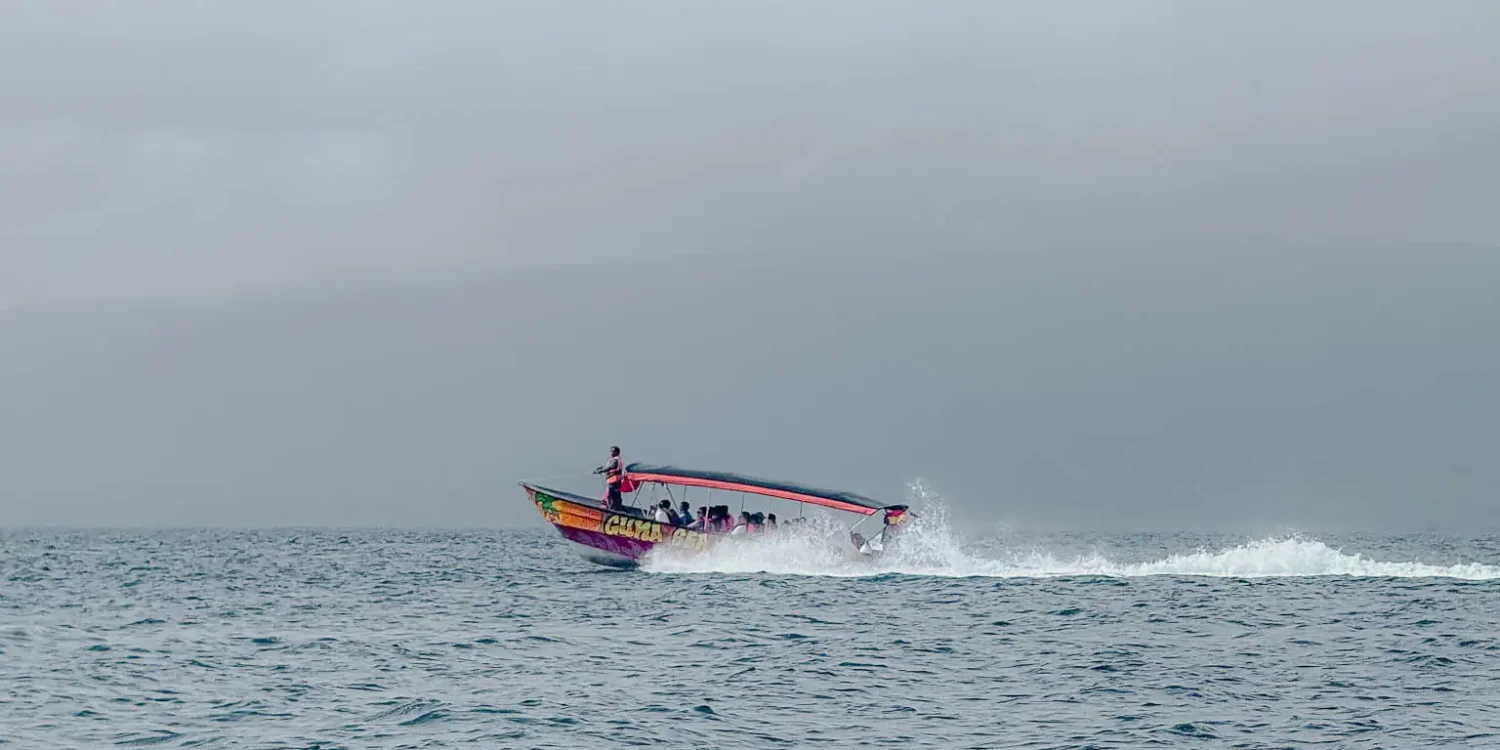
Planning your trip
There is no bad time to visit San Blas, but the two seasons offer different experiences and it is worth knowing which one suits your trip before you book.
Dry season (December to April)
Dry season is peak travel time for Panama overall. Rain is rare, sunny days are reliable, and the islands are at their most photogenic. The trade-off is the water. The northeast trade winds that define the dry season push through the Caribbean, particularly between January and March, and the open water between islands can be choppy. If you are prone to seasickness or planning a sailing charter, this is worth factoring in.
Day trippers and island cabin guests tend to notice it less, since most of the water time is spent in the sheltered lagoons close to shore rather than on open passages. But if you are spending several days moving between islands by boat, the chop is something to plan around.
Wet season (May to November)
The wet season brings afternoon rain showers and occasional heavier downpours, but the trade winds ease off considerably and the water between islands is noticeably calmer. For sailing in particular, wet season passages are often more comfortable than dry season ones. The rain typically comes in short bursts rather than all-day events, and mornings are frequently clear.
Visitor numbers drop in wet season, which means less crowded islands and a quieter version of the archipelago. If you are flexible on timing and comfortable with the possibility of rain, the wet season is worth considering.
The bottom line
Dry season gives you reliable weather and the best photography conditions. Wet season gives you calmer water, fewer crowds, and a more immersive experience. Both are worth it. The best time to visit San Blas is the time that fits your travel style.
Planning your trip
Island cabins
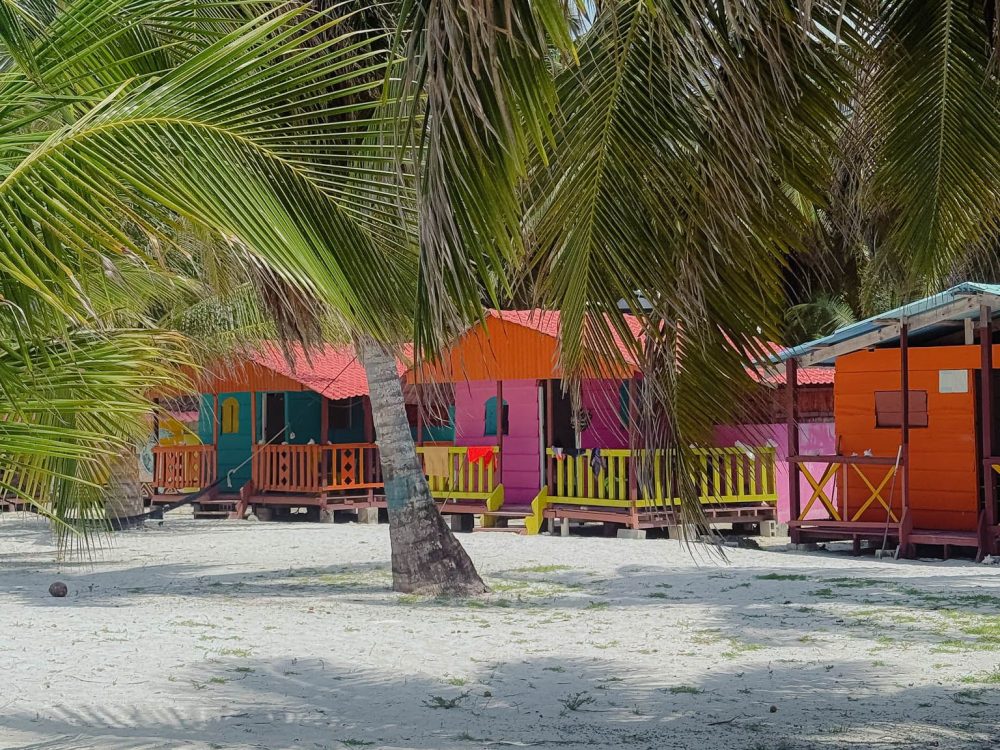
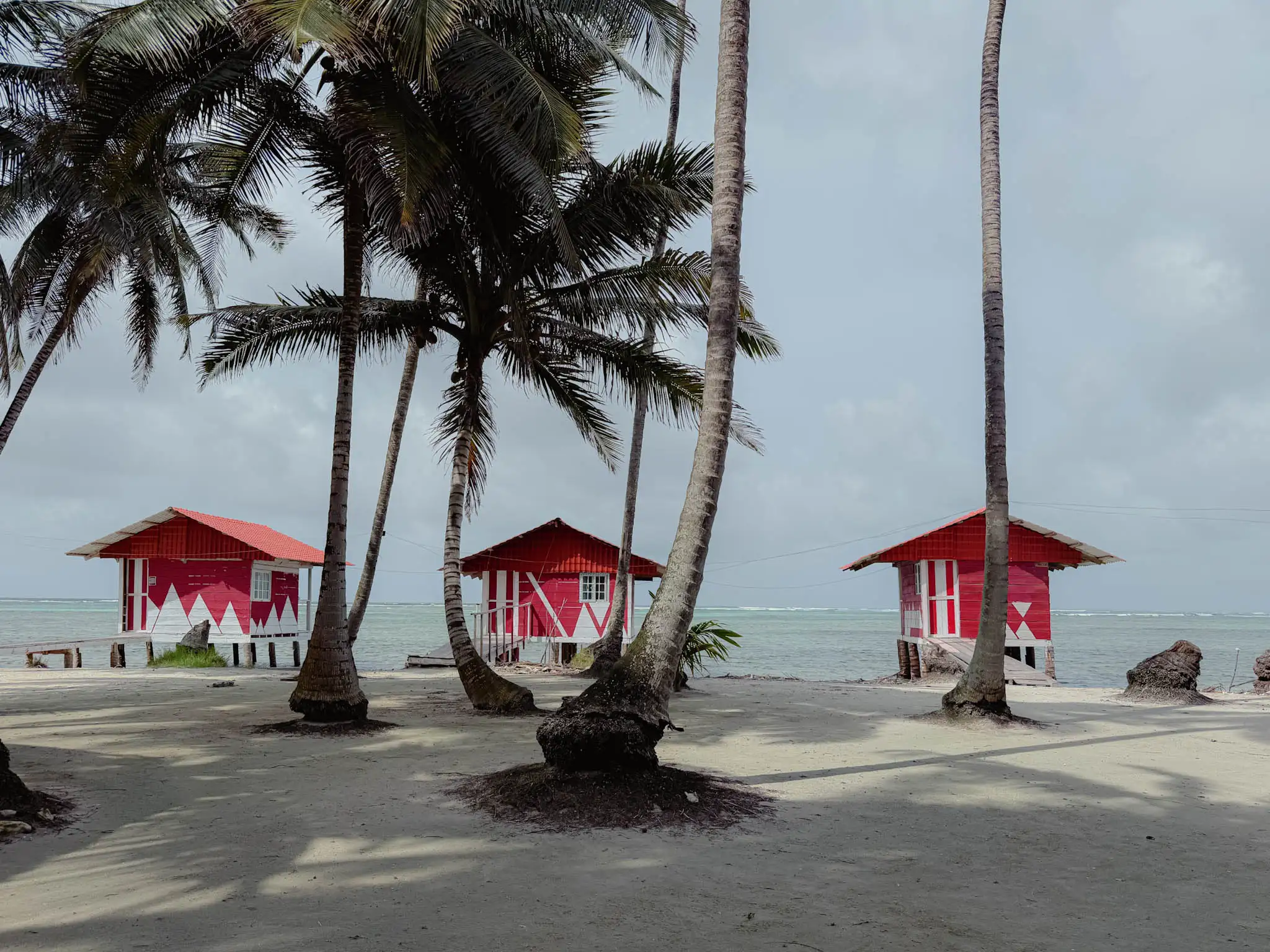
The most widely written-about option is staying on one of the Guna-run islands in a cabin or hut. On a basic island, you are sleeping in a bamboo or wood structure with a simple mattress, a mosquito net, and a shared outdoor bathroom. Electricity may run a few hours in the evening via generator. You may have fans rather than air conditioning. Upgraded island stays offer more comfortable cabins, better beds, and private bathrooms in some cases, but the fundamentals remain the same: small island, limited infrastructure, cash economy, and meals prepared by your host family.
Island cabin stays are the most affordable option, typically running USD 60 to 120 per person per night including meals and boat transfers to the island. They suit travelers who are comfortable with basic conditions and want the most direct immersion in Guna island life. Most islands are booked directly through the families who run them or through a small number of operators who work with specific islands and payment for the stay is often cash given directly to your host when you arrive. Reddit posts dedicated to San Blas travel are one of the more reliable sources for current recommendations, because operators come and go, island quality varies, and recent first-hand reports are worth more than any list written a year ago.
Sailing and catamaran charters
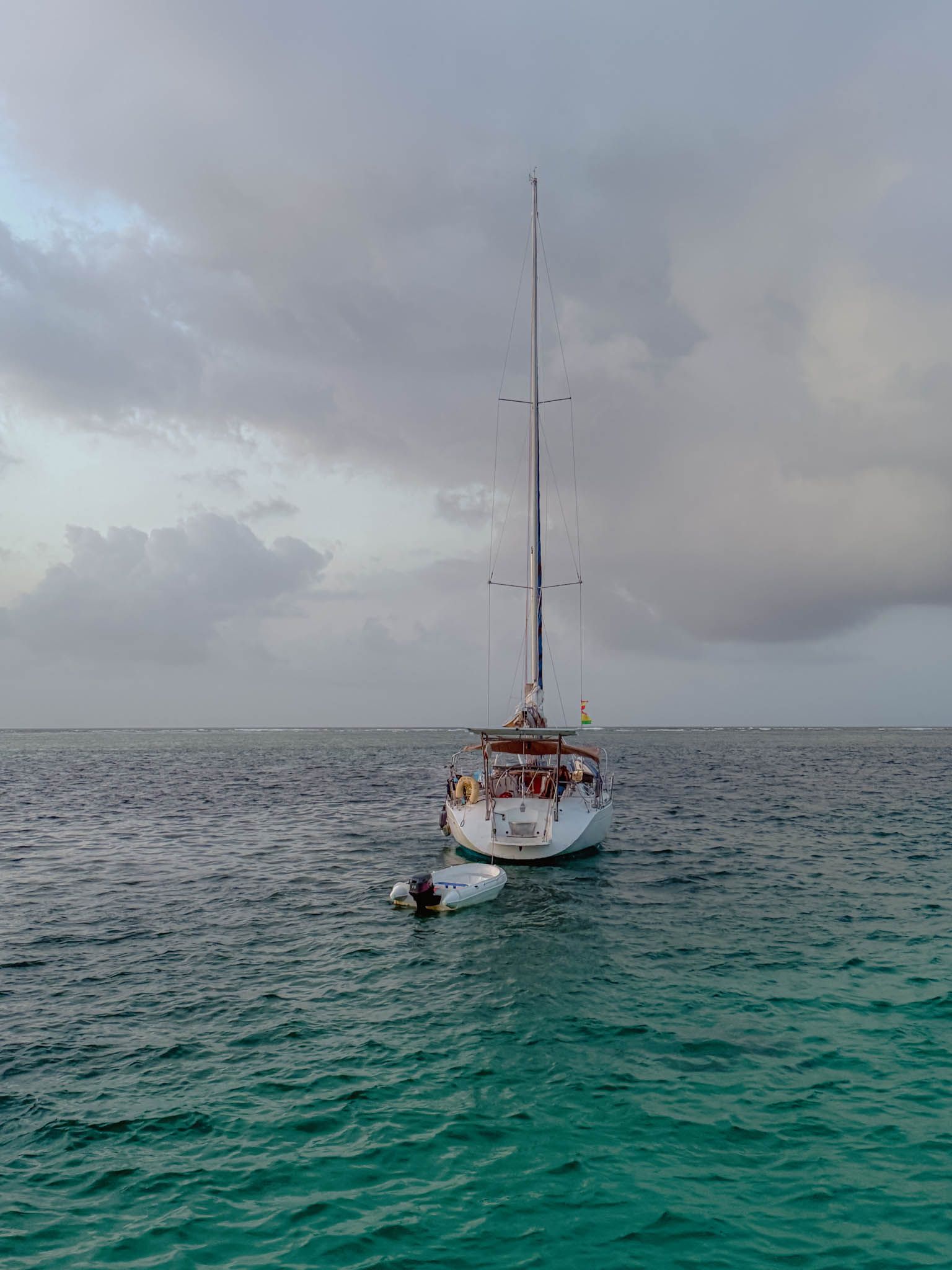
The option that tends to surprise first-time visitors to San Blas is how good the sailing experience is, and how well it solves the comfort question without sacrificing the authenticity of the place. This is the option we recommend for travelers who want San Blas at its best.
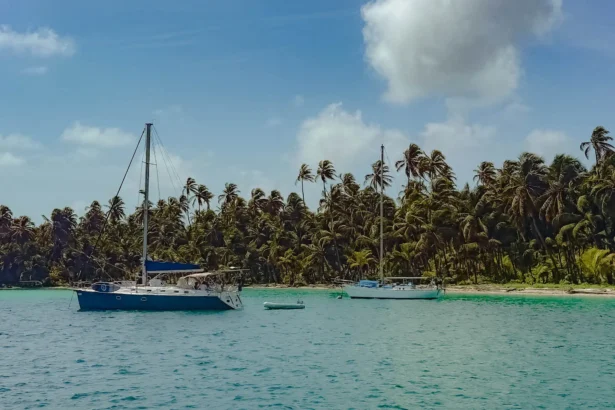
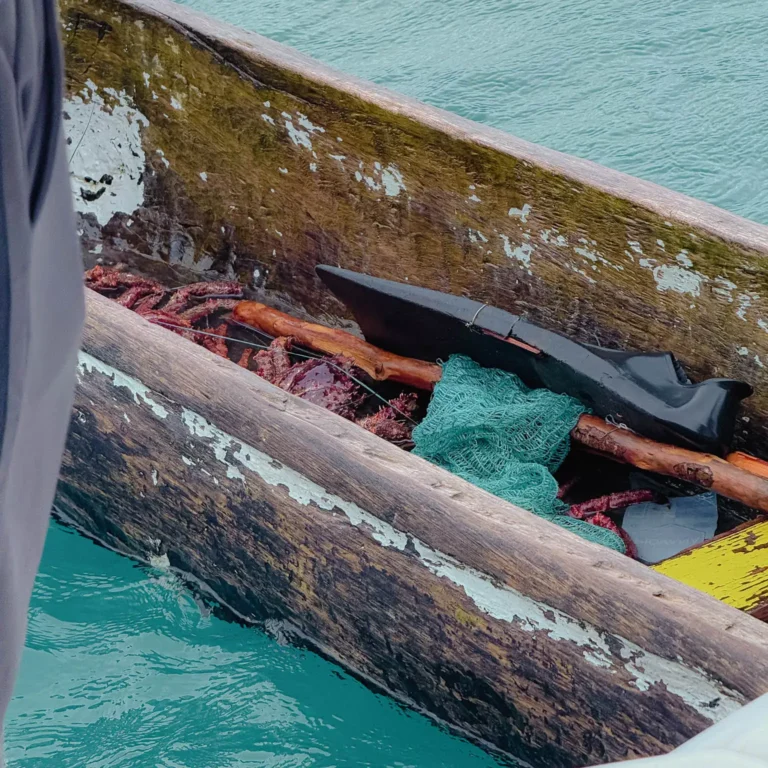
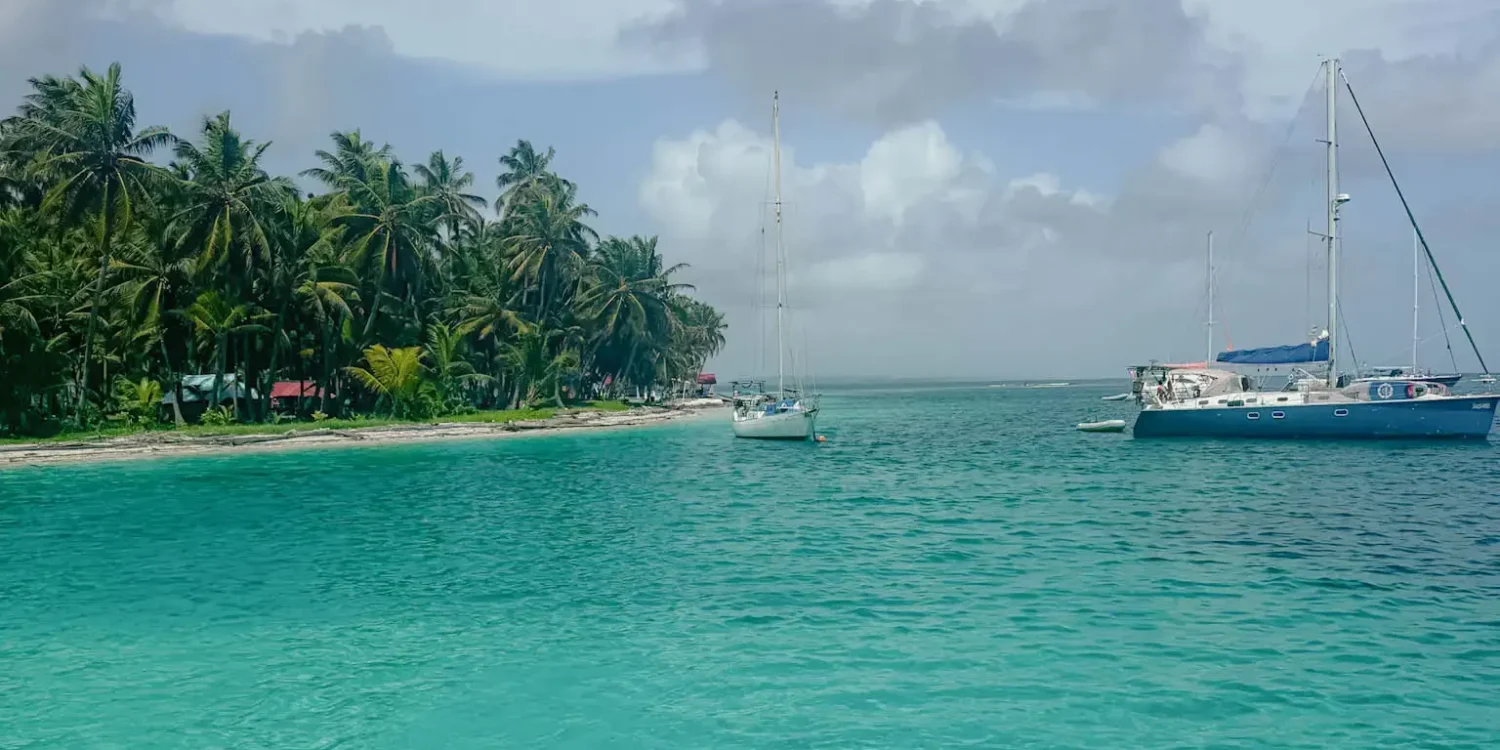
Chartering a sailboat or catamaran gives you a floating base that moves with you. You wake up anchored off a different island each morning, spend your days snorkeling and swimming from the boat, and return to a proper cabin at night. The water access is better than any land-based stay: you are on it, in it, and surrounded by it at all times. Meals are prepared on board and the food is often purchased directly from local Guna fishermen, making it the freshest seafood you can find.
The archipelago is made to be sailed. The islands look different from the water. The ability to move between anchorages means you see more of the 365 islands rather than being tied to one or two. And the boat itself, whether a catamaran with wide deck space or a well-fitted sailboat, is a significantly more comfortable place to sleep than a bamboo cabin on a small island.
Catamaran charters typically accommodate groups of four to eight people and are priced per vessel rather than per person. Expect to pay in the range of USD 150 to 300 per person per night for a crewed charter including meals, depending on the boat, the season, and the group size. This is higher than island accommodation, but for a small group the per-person cost becomes more reasonable, and the experience is considerably different. In addition, some of the more expensive boats have air conditioning and other amenities available to you.
Multi-day sailboat trips are also available for solo travelers and couples through shared-boat operators who fill berths individually. These are the more affordable sailing option, and the format covered in full detail in our sailing guide.
When you're there
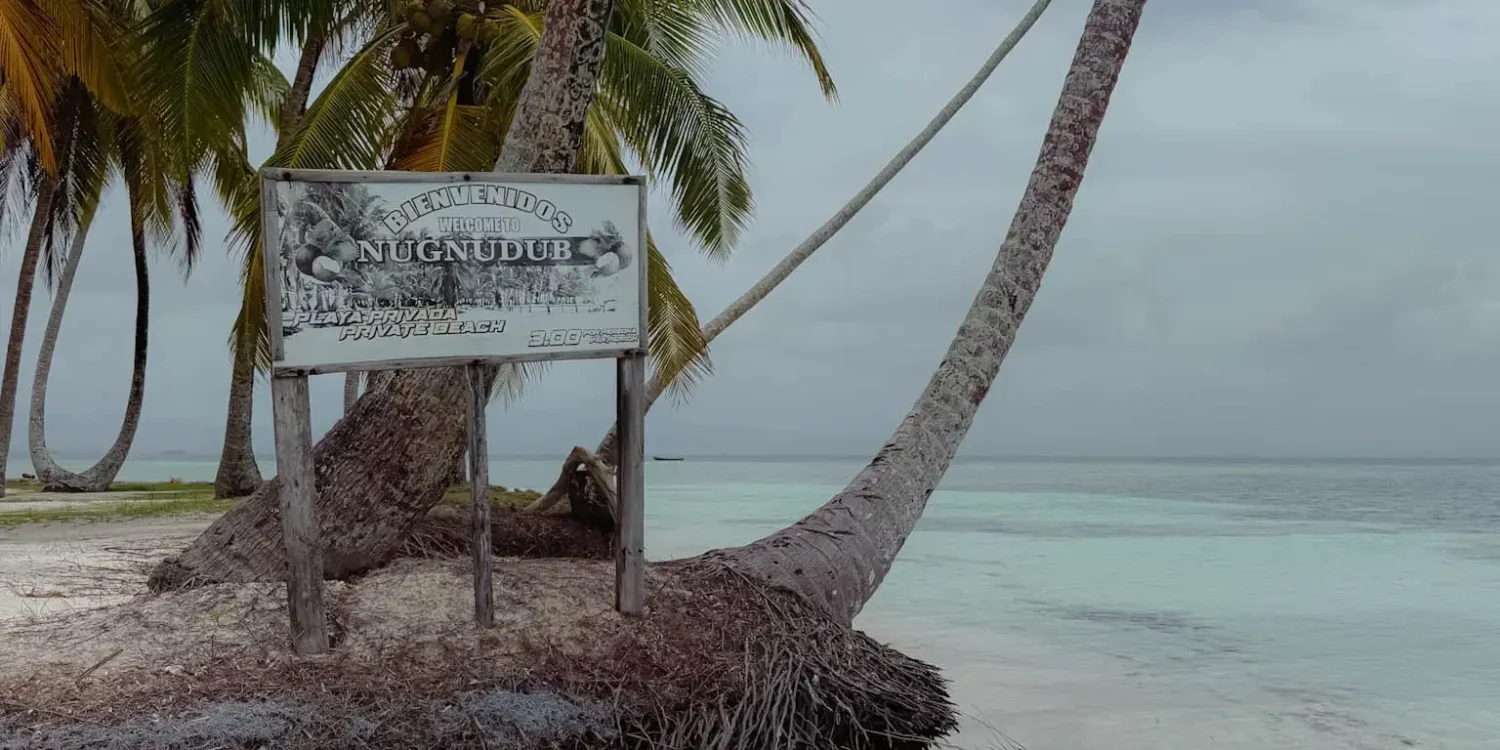
The San Blas archipelago has 365 islands, but most visitors experience only a handful of them. The popular islands near the Carti area are the most accessible, and therefore most visited. They are beautiful. They are also, on day-trip days, crowded. The further east you go, the quieter it gets. Remote islands can feel completely deserted outside of your group and the host of the island. The water gets clearer, the crowds disappear, and the experience becomes something closer to what people imagine when they picture San Blas.
Snorkeling is great throughout the archipelago, particularly around the coral heads and reef sections between islands. (Read more about the different marine life you can see in Panama.) You do not need to bring your own gear, though many islands have limited equipment available. Bringing your own mask and snorkel is worth the bag space. Days in San Blas have a rhythm: snorkeling in the morning when the water is calmest, time on the beach, a lunch of fresh fish and coconut rice prepared by your host family, more water time in the afternoon, and an evening that gets dark and quiet faster than you expect. It is slow in the best possible way.
What the islands do not have: nightlife, restaurants beyond your host, shops, or reliable connectivity. Come prepared for disconnection. For most people who make it to San Blas, that turns out to be exactly the point.
M
From the field · Melina
On the water · San Blas Islands · Guna Yala, Panama
San Blas has a way of resetting your pace whether you planned for it or not. The first morning I woke up on the boat, I reached for my phone out of habit and then remembered there was no signal, no reason to check it, and nowhere to be. By the second morning I stopped reaching for it. There is something about the combination of that turquoise water, that quiet, and the complete absence of anything to optimize that makes the place genuinely hard to leave.
First-hand observation
When you're there
Why this matters
The Guna people have governed the San Blas archipelago autonomously since 1925 and have resisted resort development entirely. No swim-up bars. No staff in matching uniforms. No experience designed to keep you comfortable and separate from the place. The money from your visit goes directly to the families who host you.
The Guna Yala comarca
The comarca is a semi-autonomous territory recognized under Panamanian law. The Guna govern it through their own congress and make their own land use decisions. That independence is why San Blas looks the way it does.
When you travel here, you are a guest of the Guna. That means following local rules about where you can go and understanding that the experience is on their terms. For broader context on safety and travel norms across the country, see our guide on whether Panama is safe.
Entry fees
There is an entry fee to the comarca, typically collected at the checkpoint near Carti. There may also be per-island fees charged by the individual families who inhabit the islands. These are legitimate and expected. Pay them without negotiation.
Photography
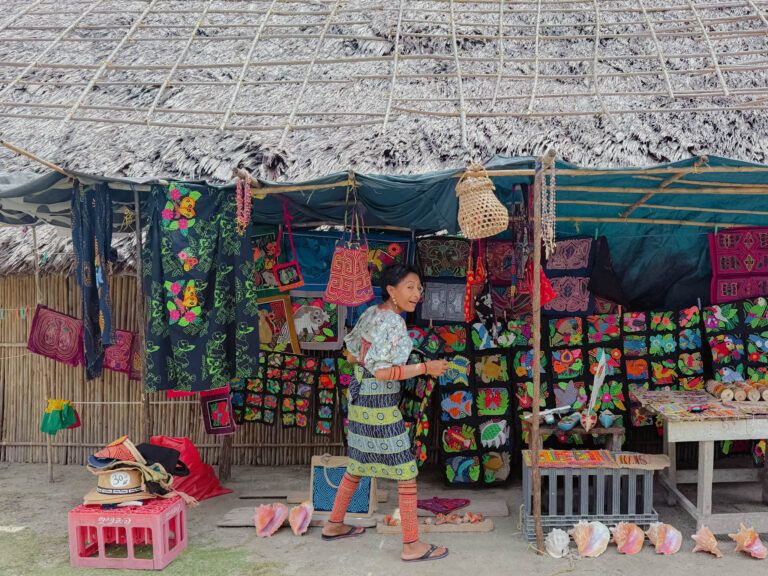
Guna women in traditional dress, with their mola blouses, beaded leg wrappings, and nose rings, are among the most photographed people in Panama. They are also people, not a backdrop. Always ask before photographing anyone. Many Guna women will say yes, some will ask for a small payment in return, and some will say no. All three responses deserve the same respect. Do not photograph people who have declined.
Buying directly
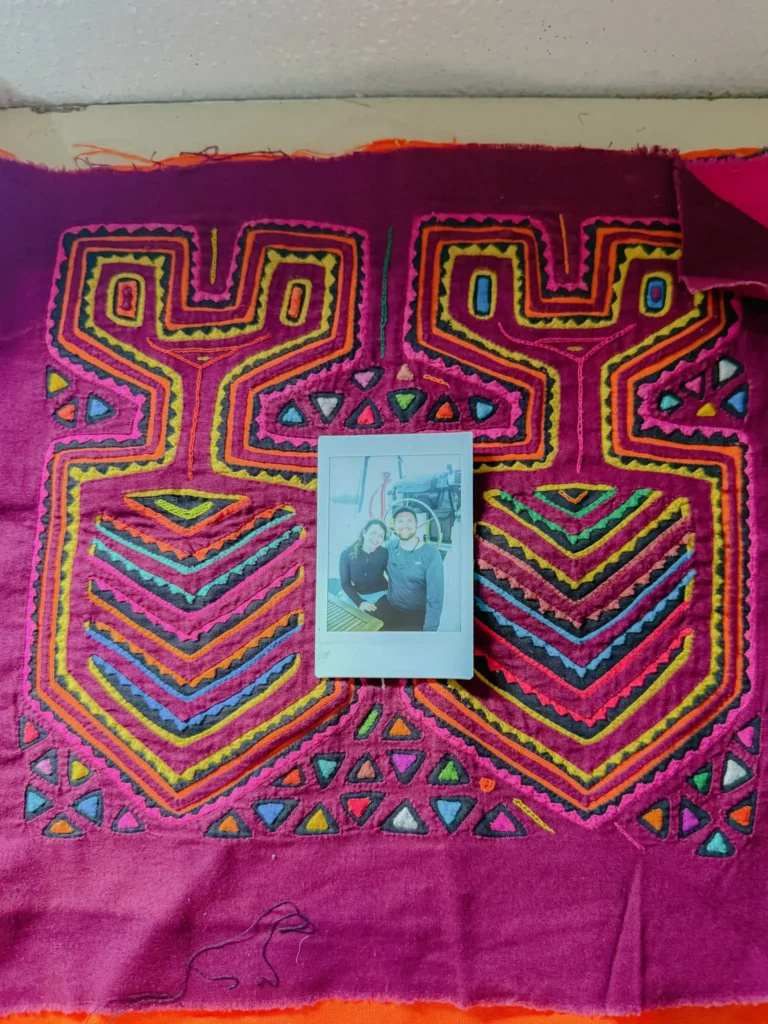
Molas, the reverse-appliqué textile panels made by Guna women, are one of the most distinctive craft traditions in the Americas. Buy them directly from the women who make them rather than from intermediaries. The same applies to food, boat trips, and any other service on the islands. Direct spending keeps the economic benefit where it belongs.
Yes. Without qualification. The access is not easy and the accommodation is basic. The early departure, the rough road, the limited electricity, the cash-only economy: none of it is designed for convenience. That is not a design flaw. It is what has kept San Blas from becoming another resort coast.
What you get in return is a place that feels rare. The water is as clear as anywhere in the Caribbean. The islands are beautiful in a way that photographs cannot fully represent. The experience of staying among Guna families, eating fresh seafood, moving at the pace the locals set, is something that a packaged resort stay cannot replicate.
For travelers who want that experience at a higher level of comfort, the answer is a crewed catamaran charter. You get the archipelago, the water, the islands, and the disconnection, without the bamboo hut. For travelers happy to trade comfort for the most direct experience of Guna island life, the island cabins deliver something that a boat stay cannot fully replicate. Both are worth it. The question is which version of San Blas suits you.
San Blas is worth it for the traveler who is happy to trade some convenience for authenticity. It is not the right destination for someone whose idea of a good beach trip requires air conditioning, nightlife, or reliable WiFi. Know which one you are before you book.
Sailing the San Blas islands
What a San Blas sailing trip is actually like
Day trips from Panama City
Panama City is a base, not just a destination. Here is what to do with a free day.
Best time to visit Panama
The dry season is not the only season worth going. Here is what the calendar actually looks like, region by region.
Is Panama safe?
Panama is one of the safest countries in Central America. But the answer shifts considerably depending on where you are going.
