


Torres del Paine · Patagonia, Chile
New Zealand Travel Guide
Two islands, three months of driving, and an honest account of how long it all actually takes.
Language
English
Capital City
Wellington
Currency
New Zealand Dollar
Budget Range
price
Best time to visit
December to March is the summer season in New Zealand and the most popular time to visit. However, the shoulder seasons of fall and spring are also amazing times to visit, with more variable weather.
Typical Trip Length
With nine days, you can visit one of the two islands. Sixteen days allows you to visit both islands. Anything under a week is hard to justify, especially with long flight times to the country.
US, Canadian, UK, EU and most other visa-waiver passport holders need an NZeTA requested before travel, valid for two years, plus the NZD 100 International Visitor Levy. Allow 72 hours for processing and check requirements for your passport before booking. Some passport holders require a visa in advance so check your country's visa requirements before booking.
Quick Resources to Plan Your Trip to New Zealand
South Island
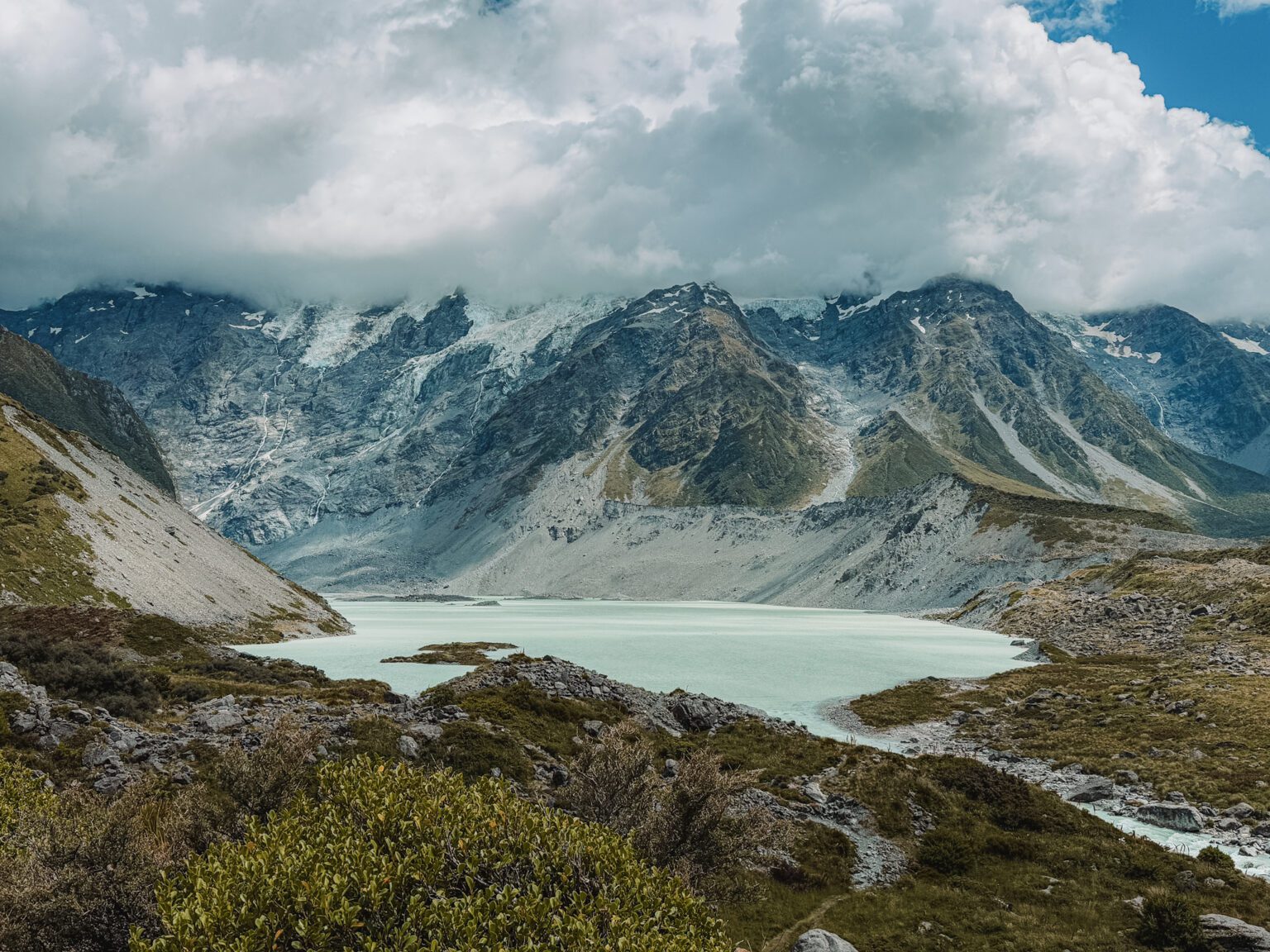
Queenstown, Wanaka and Canterbury
The alpine spine. Adventure sports in Queenstown, a quieter lake at Wanaka, and the road east past Aoraki Mount Cook and Lake Tekapo to Christchurch.
~6 hr drive Christchurch to Queenstown
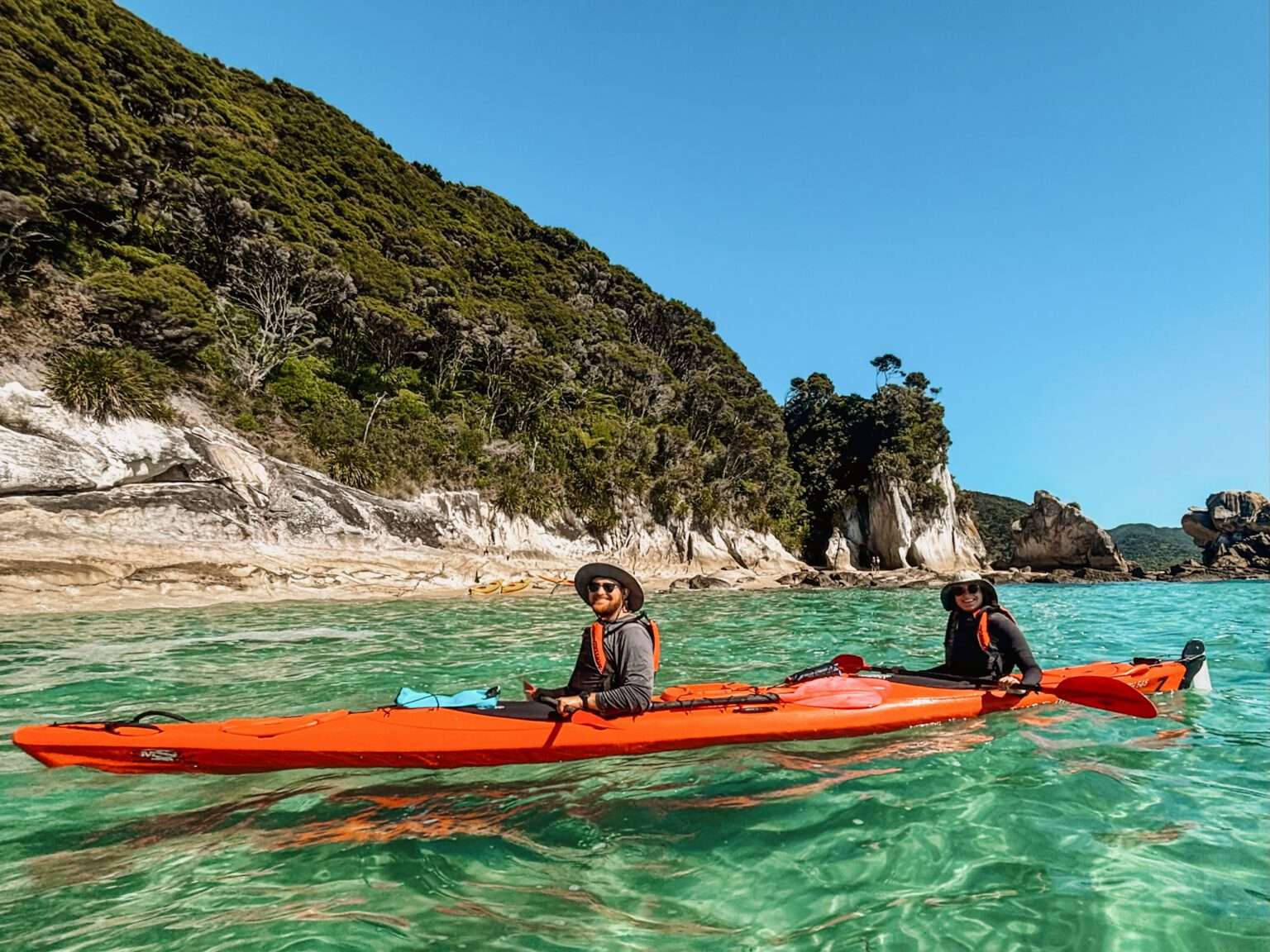
Nelson, Marlborough and the West Coast
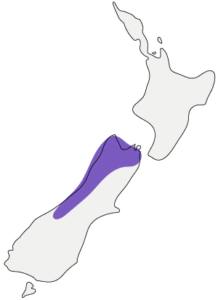
Where the ferry lands. Sauvignon Blanc country and golden beaches at the top, then the wettest, wildest coastline in the country running south to the glaciers.
Ferry from Wellington to Picton
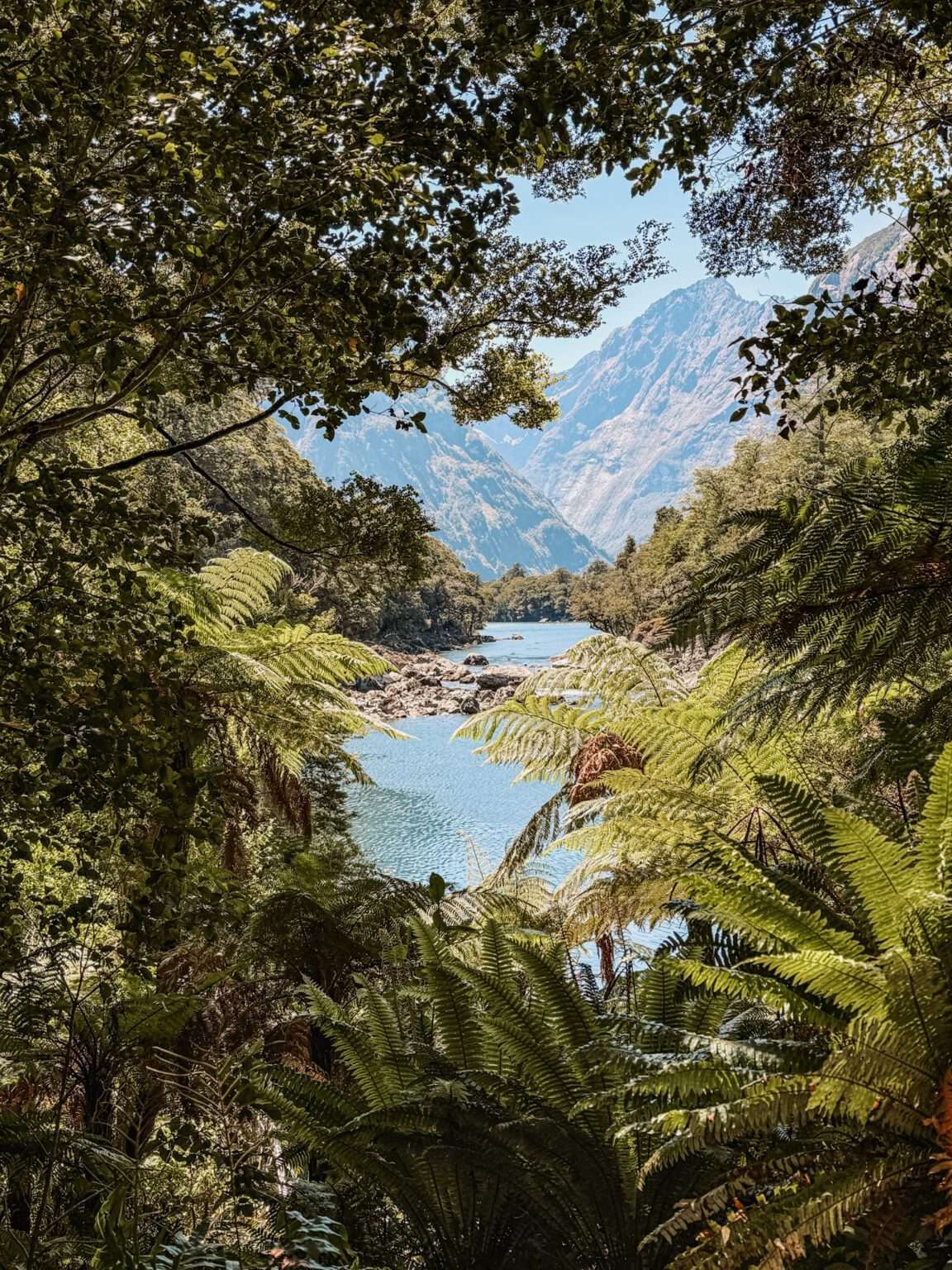
Fiordland and Southland
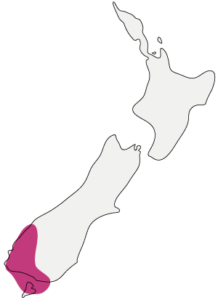
The bottom of the country. Milford Sound at the end of one of the world's great mountain roads, and a southern coast of sea lions, waterfalls and almost nobody.
~2 hr drive from Queenstown to Te Anau
North Island
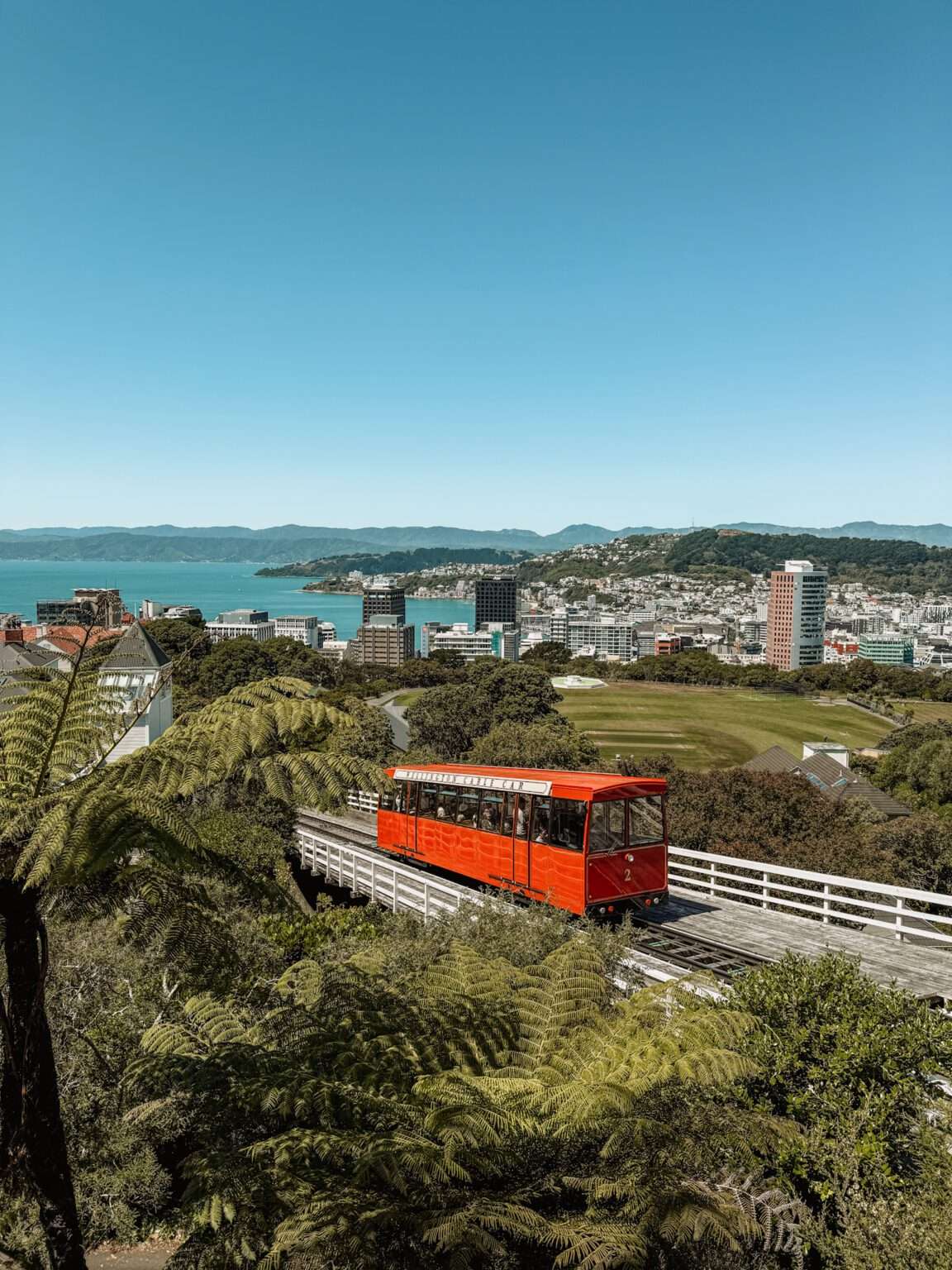
Wellington
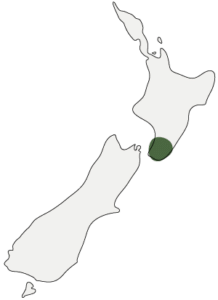
The capital, wedged between a harbor and a ring of hills. The national museum, the country's best coffee, and the ferry terminal that connects the two islands.
~5 hr drive from Taupo
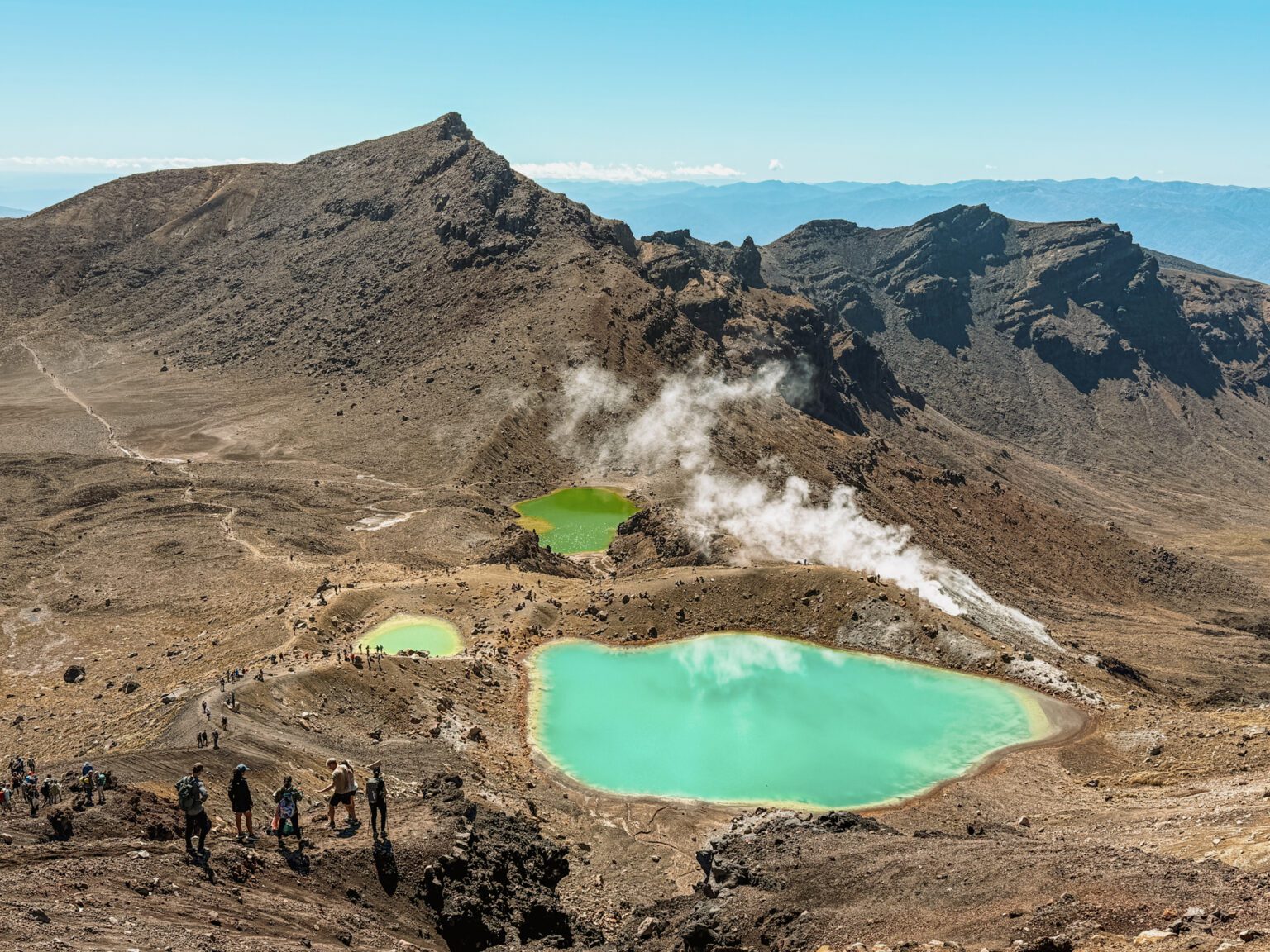
Rotorua and Taupo
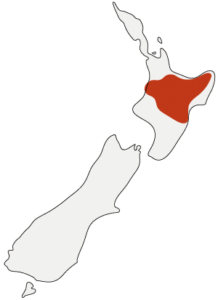
Geothermal country. Steaming lakes and mud pools, the cultural center of Māori New Zealand, and the trailhead for the best day hike in the country.
~3 hr drive from Auckland
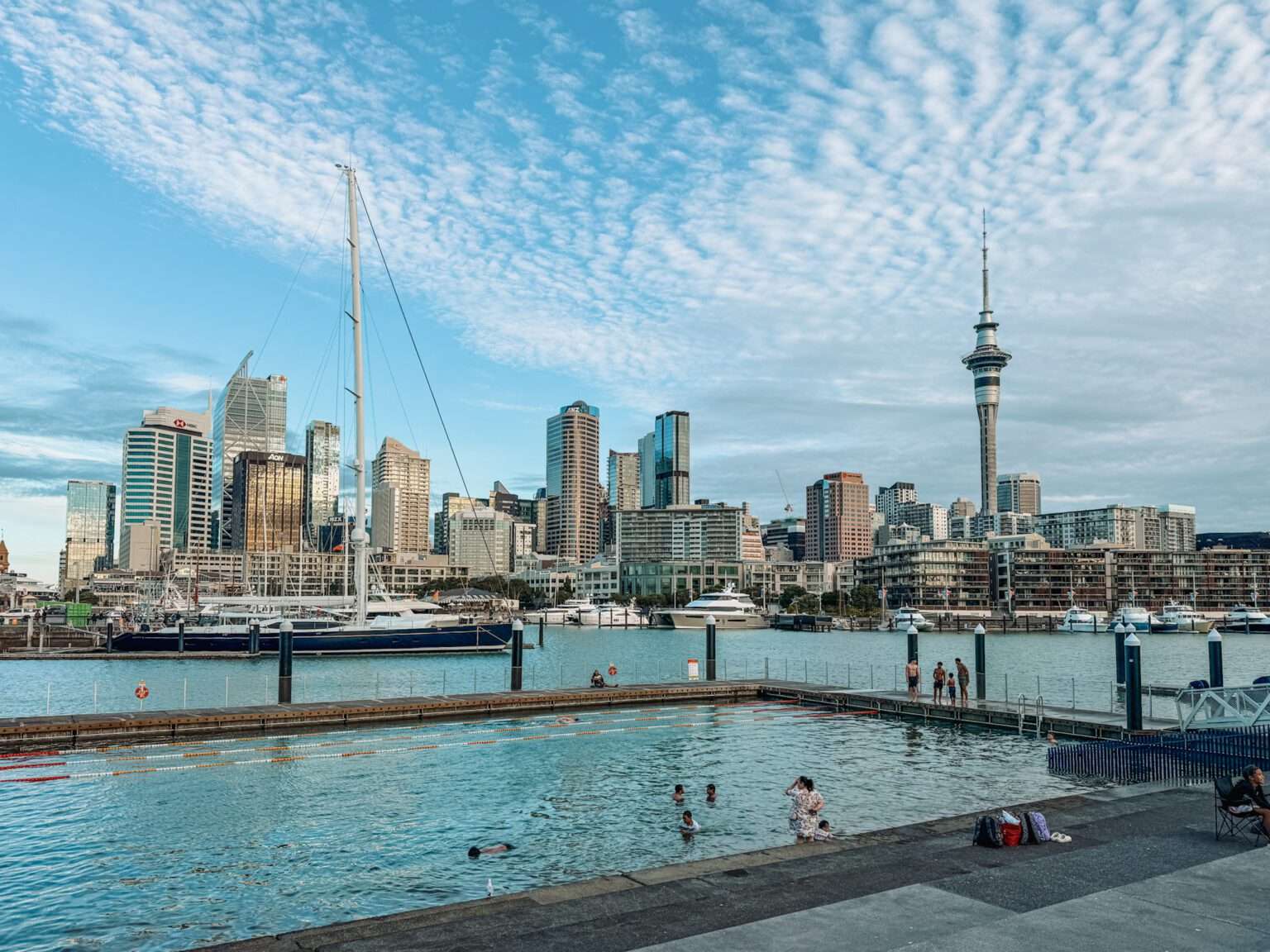
Auckland, Northland and Coromandel
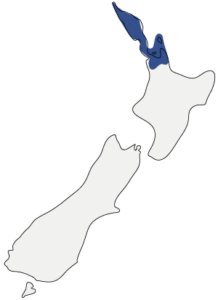
Where nearly every trip begins. A harbor city, a subtropical coastline running north to Cape Reinga, and the peninsula Aucklanders escape to on weekends.
Entry point for most trips
Fiordland National Park
The single most photographed place in New Zealand, and the drive in matters as much as the fiord itself. Mirror Lakes, the Homer Tunnel, and a glacial valley on the far side, all before you reach the water. Worth spending a few days to discover more than the famous Milford Sound.
Queenstown
The adventure capital of the world and a destination for both the adrenaline junky and the one who needs a quiet spa vacation. Bungy, jet boats, lake views, a wine region, hiking, hot springs and more. A town that really has something for every type of traveler.
Rotorua
Geothermal parks, hot springs, and the best place in the country to learn about Maori history and culture directly from the communities. You'll find landscapes that take you to another planet.
Abel Tasman National Park
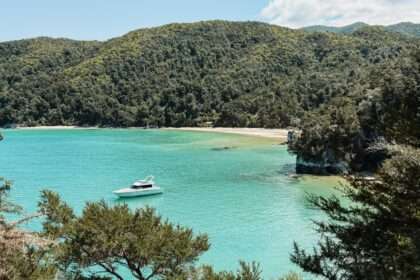
An unexpected tropical paradise of golden beaches, clear water, and a coastal hiking path that you can do just one way and return via water taxi. It's one of the sunniest corners of New Zealand.
Every itinerary below was built from personal travel. Kevin and Melina have driven each of these routes themselves, from the Bay of Islands down to the Catlins. Use the region sections to find your destination, or reach out if you need help building a full trip.
reach out to us
Queenstown, Wanaka and Canterbury
Nelson, Marlborough and the West Coast
Wellington
Auckland, Northland and Coromandel
When is the best time to visit New Zealand?
December through February, the southern summer, is the most popular time to visit, with long daylight hours, the warmest water, and every hiking track open. March through May and September through November are great shoulder seasons with fewer visitors. The seasons run opposite to the northern hemisphere.
Summer is when New Zealanders take their own holidays, so book accommodation and the Cook Strait ferry well ahead. In fall the leaves change color, and spring is when the lupin fields of the South Island bloom. Winter, June through August, is ski season in Queenstown and the Southern Alps, but iconic trekking paths may be closed or only open to people with alpine gear, some mountain passes require chains, and the daylight is short.
How many days do you need in New Zealand?
Nine days covers one island and sixteen days covers both. Five days is not enough, given how long the flight is from the United States and Europe.
9 days
One island properly, when you are coming from Australia and the flight is short. Most choose the South Island, running Christchurch to Queenstown to Fiordland.
Best for travelers from Australia
15 days
Both islands or one island slowly. That is ten PTO days across three weekends. Road trip the whole country, or base yourself in Rotorua and Queenstown.
Best for a first trip from the US
3 weeks
Both islands at a slower pace, with room for the regions most itineraries skip, like the West Coast, the Catlins, and Northland.
Best for a slower pace
Good to Know
You can drive the country end to end, but the roads wind around every headland and inlet. A leg that looks like three hours becomes five once you factor in the stops you will actually want to make.
How much does a trip to New Zealand cost?
A comfortable mid-range trip covering accommodation, meals, a rental car, and activities typically runs $175 to $275 USD per person per day. Queenstown, the tourism hub of the country, is more expensive than everywhere else.
The cost that surprises people is the rental car or van. If you plan to travel by van, look into the free camping rules first: not every vehicle is allowed to park and camp freely, and campsites book up in advance.
Do you need a visa for New Zealand?
Most US, Canadian, UK, and EU passport holders need an NZeTA (New Zealand Electronic Travel Authority) plus the NZD 100 (about $60 USD) International Visitor Levy, paid together in one application. It is valid for two years.
Heads Up
Allow 72 hours for processing, and check the requirements for your passport before booking. Some passports need a visa in advance.
Is New Zealand safe to visit?
Yes. The things to plan around are hiking, driving, and camping, and our safety guide covers each one.
How to get to New Zealand
Most international travelers fly into Auckland Airport (AKL), with direct flights from Los Angeles, San Francisco, New York, Houston, Honolulu, Dubai, Hong Kong, and Singapore, among others. Christchurch (CHC) and Queenstown (ZQN) also handle international flights, mostly from Australia.
check flights to Auckland
We earn a commission if you book through these links, at no extra cost to you.
Getting There
If your trip is South Island only, fly into Christchurch and out of Queenstown, or the reverse, to save a long backtrack.
Heads up
Crossing the international date line, you lose a day flying west and gain it coming home. Keep track of that in your itinerary.
For the best experience in New Zealand, you need to rent a car. These are the four ways to get around, and who each one suits.
Option 1
Rental car or campervan
Best for most trips
The way we recommend seeing New Zealand. The drives between destinations are where the country is most beautiful, and a car lets you make the spontaneous stops that a tour cannot.
Compare rental cars
We earn a commission if you book through these links, at no extra cost to you.
Option 2
Cook Strait ferry
Best for crossing between the islands
The Interislander and Bluebridge ferries cross between Wellington and Picton in around three and a half hours. Book ahead in summer.
Option 3
Domestic flights
Best for a short trip covering both islands
Flying between Auckland, Wellington, Christchurch, and Queenstown saves a full day of driving when time is tight.
Option 4
Guided experiences from a hub
Best for travelers who would rather not drive
Base yourself in Queenstown and Rotorua and book guided experiences from each. You will see the highlights, but miss the drives in between.
Check tours on Viator
We earn a commission if you book through these links, at no extra cost to you.
Heads Up
Check whether your rental agreement allows the car on the Cook Strait ferry. If not, drop it in Wellington, cross as a foot passenger, and collect a second car in Picton (or the reverse). Sailings are sometimes canceled in bad weather, so leave room in your plans.
Driving in New Zealand
Driving on the left
The single biggest adjustment for many visitors. Give yourself an easy first drive and stay out of central Auckland if you can.
Drive times
Roads are narrow, winding, and slower than your GPS estimates. We recommend at most 3 to 4 hours of GPS-estimated driving on any given day.
One-lane bridges
Common, and marked with right of way signs. Passing lanes are infrequent, so use the pullouts to let locals pass.
Cards, cash, and tipping in New Zealand
New Zealand runs almost entirely on cards, and contactless payment works essentially everywhere, including small cafes and rural gas stations. Tipping is not expected and not customary; leaving something for exceptional service is welcomed but never assumed.
The one thing worth carrying cash for is honesty boxes, which you will find at rural farm stalls, small museums, and some walking track parking lots.
Getting gas in rural New Zealand
Heads Up
With an international card, you can only pay at the pump where the station takes tap payments. Other pumps need a local card with a PIN and will decline yours. Do not wait until the tank is empty, or pay inside at the counter during opening hours.
Te Reo Māori words you will hear
English is spoken everywhere. Te Reo Māori (the Māori language) is also an official language, and you will encounter it constantly in place names, signage, greetings, and everyday conversation. Learning to pronounce Māori place names correctly is worth the small effort and is noticed. Most letters sound as they do in English, but wh is pronounced like an f.
kia ora
kee OR-a
hello, welcome, thank you
Aotearoa
ah-o-tea-a-ROH-a
New Zealand
marae
MAH-rye
a meeting ground
hāngī
HAH-ngee
a meal cooked in the ground
tapu
TAH-poo
sacred, restricted
Tours will start with kia ora, and you will often be greeted with it. It is polite to open with it or to repeat it back to someone who has said it to you.
Māori culture in New Zealand
Māori culture is a living part of daily life in New Zealand, present in the language, in official ceremony, in place names, and in the way the country talks about itself. The Treaty of Waitangi, signed in 1840 between the British Crown and Māori chiefs, remains actively contested and is a live political subject. The Māori people also continue to recover from the historic repression of their language and culture.
Polynesian voyagers reached these islands around 1300 AD, which makes New Zealand one of the last significant landmasses on earth to be settled by people. That recency is part of why the culture remains so intact (and also why the nature here is so spectacular).
Rotorua is the best place to engage with Māori culture directly, through guided marae visits, cultural performances, and hāngī meals cooked in the ground using geothermal heat. Waitangi in Northland, where the treaty was signed, is the other essential stop.
Good to Know
Some sites are tapu, and signage will tell you. Aoraki Mount Cook, among others, holds deep significance, and visitors are asked not to climb certain summits.
Through our eyes
The ground steams in the middle of a city built on an active geothermal field.
Rotorua, New Zealand
Queenstown, Wanaka and Canterbury
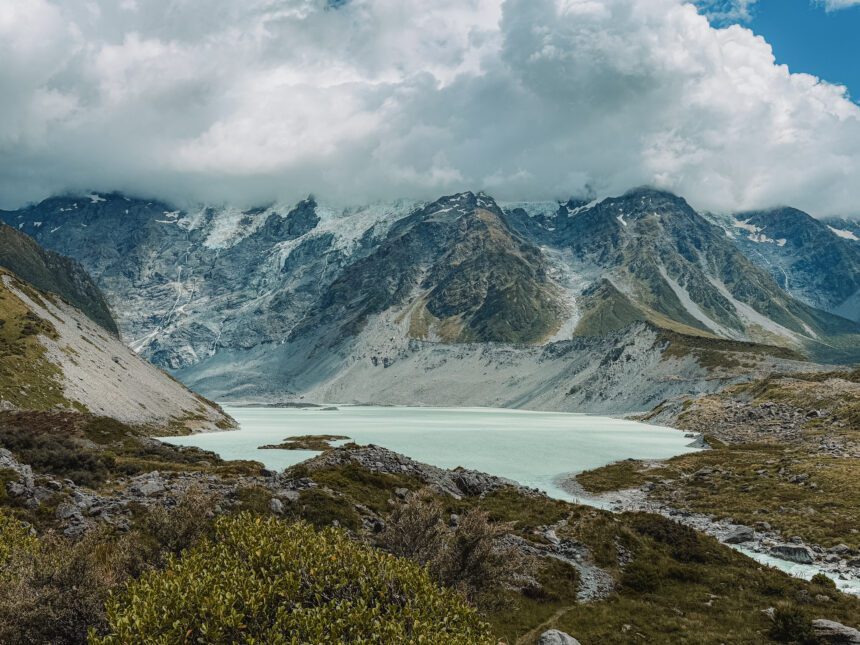
Queenstown, Wanaka and Canterbury: The Southern Alps Travel Guide
The stretch of country that sold most people on New Zealand in the first place.


Nelson, Marlborough and the West Coast
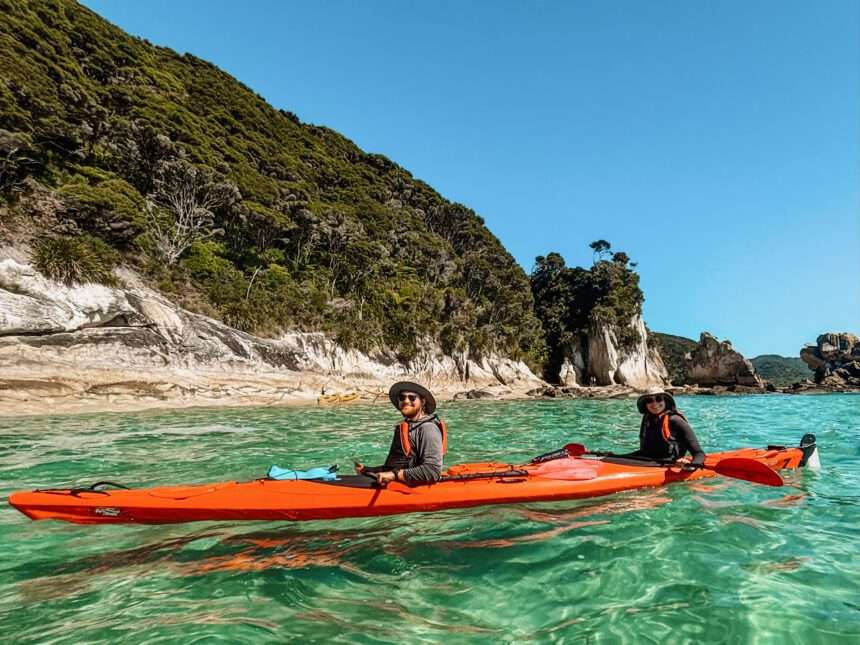
The Top of the South Island: Nelson, Marlborough and the West Coast
The half of the South Island that most itineraries drive straight past.
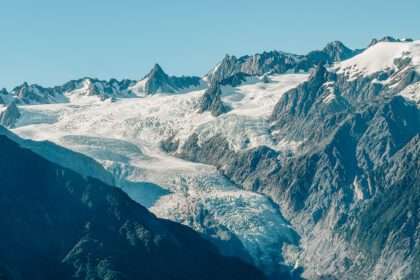
Fiordland and Southland
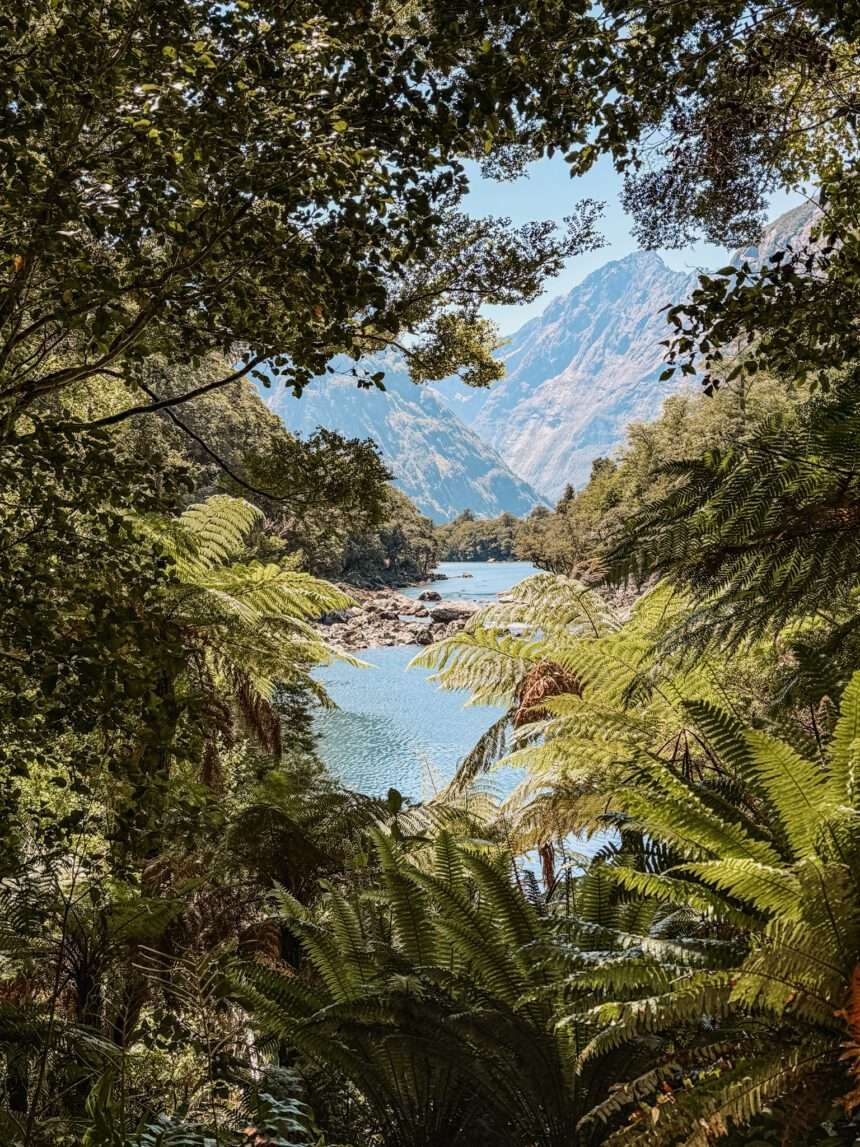
Fiordland and Southland: Milford Sound, Te Anau and the Catlins
The end of the road, and the best reason to keep driving past Queenstown.


Wellington
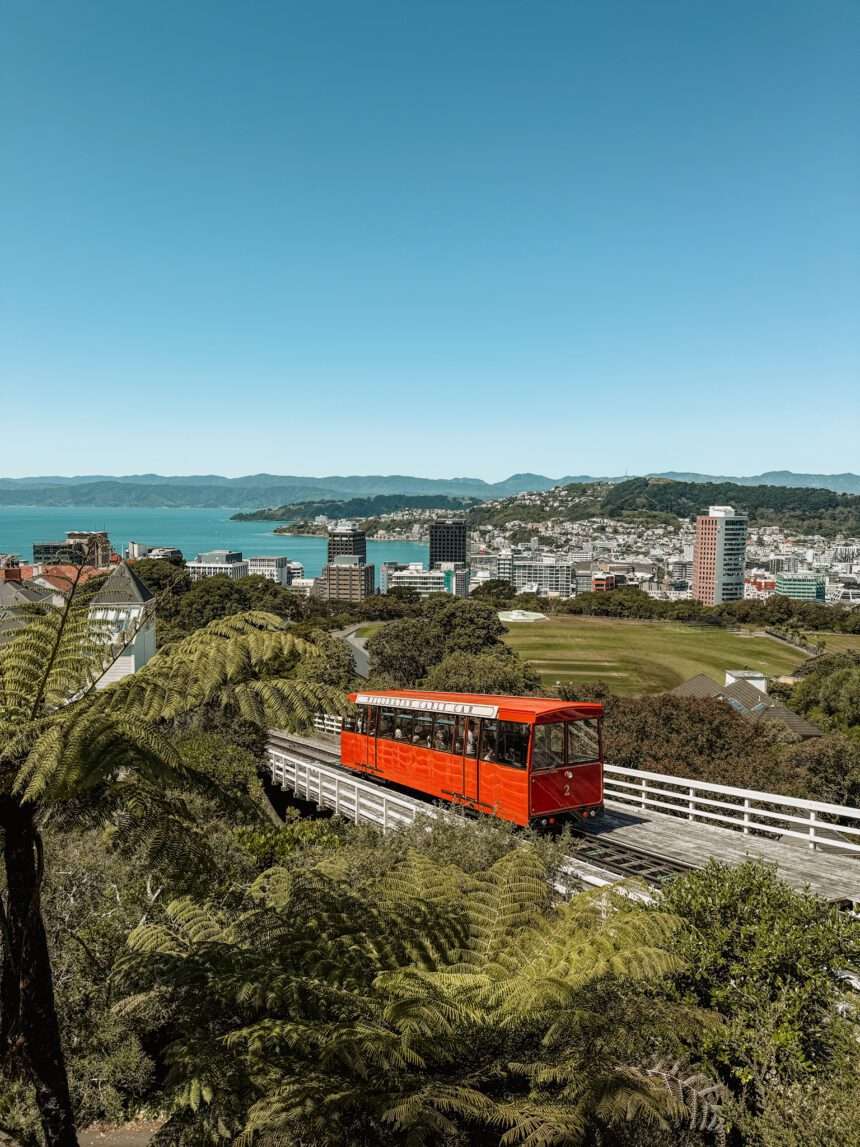
Wellington, New Zealand: A Guide to the Capital and the Cook Strait Crossing
Small, steep, windy, and the most concentrated few days on the North Island.

Rotorua and Taupo
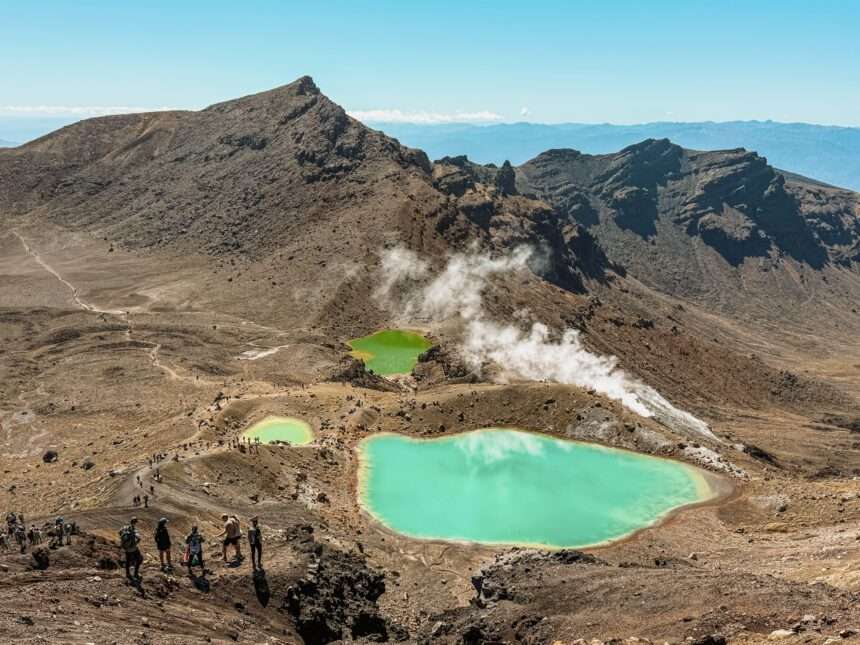
Rotorua and Taupo: A Guide to New Zealand’s Volcanic Center
The part of New Zealand that feels like it another planet.


Auckland, Northland and Coromandel
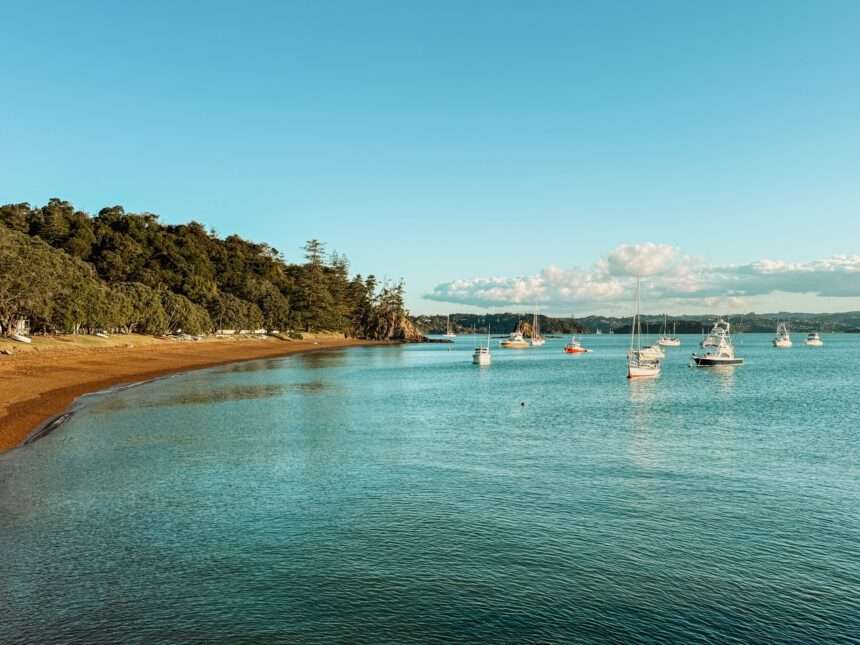
Auckland, Northland and the Coromandel: A Regional Travel Guide
The first few days of almost every New Zealand trip, and the part most people rush.


