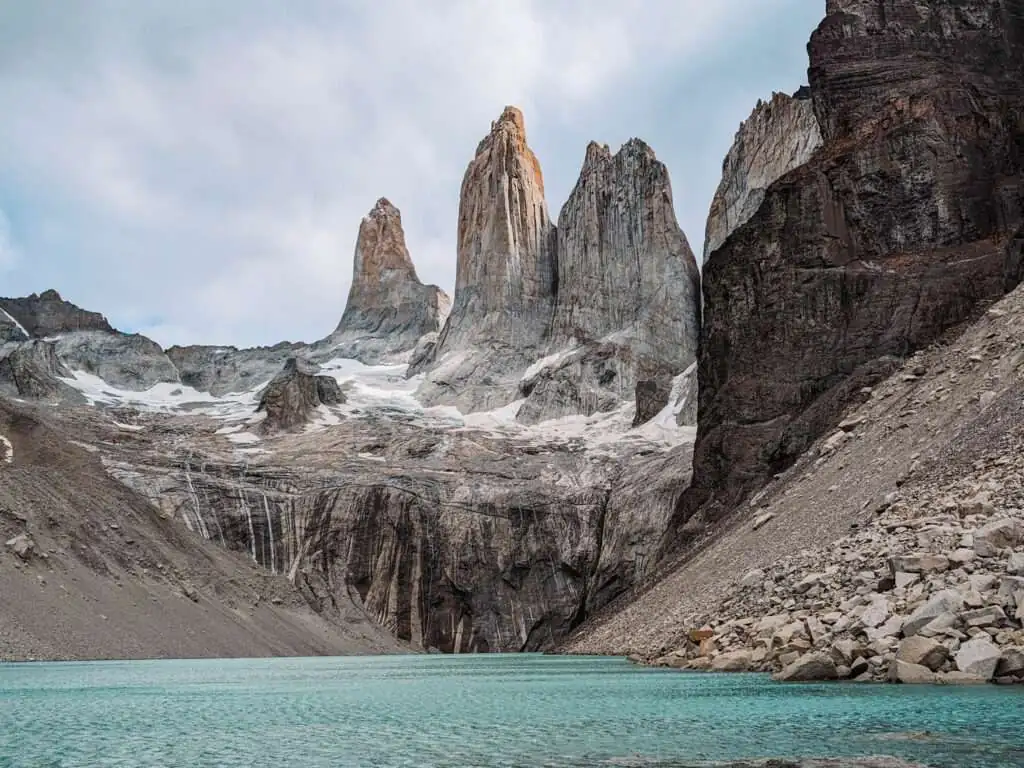
Torres del Paine · Patagonia, Chile
Latin America
Chile Travel Guide
One of the longest and narrowest countries on earth, running from the driest desert in the world to the glaciers at the bottom of Patagonia.
Quick Resources to Plan Your Trip to Chile
Explore by region
Santiago
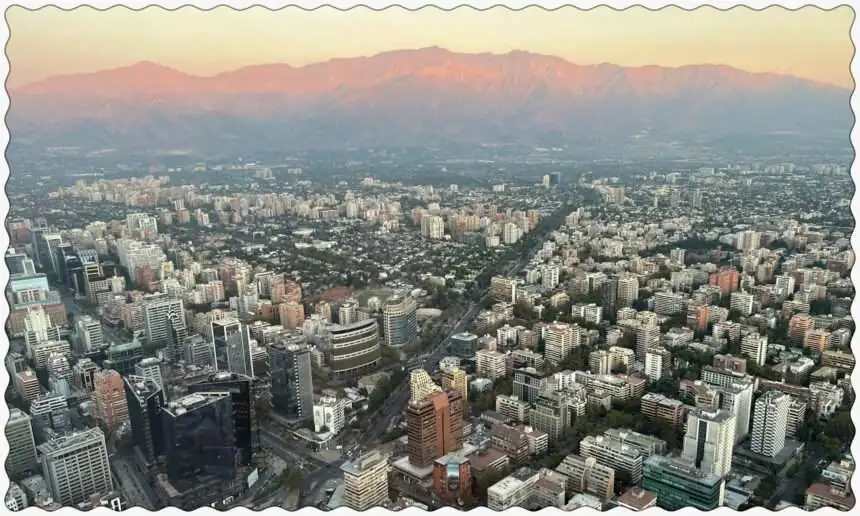
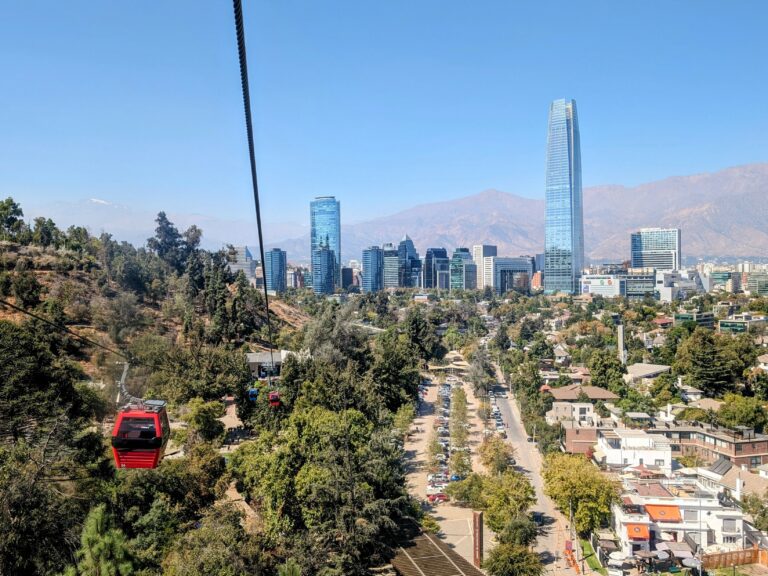
The capital and the country's entry point, ringed by ski resorts and vineyards within an hour of the city. Valparaíso and its painted hills make an easy day trip to the coast.
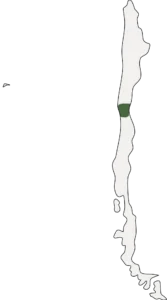
Entry point for most trip
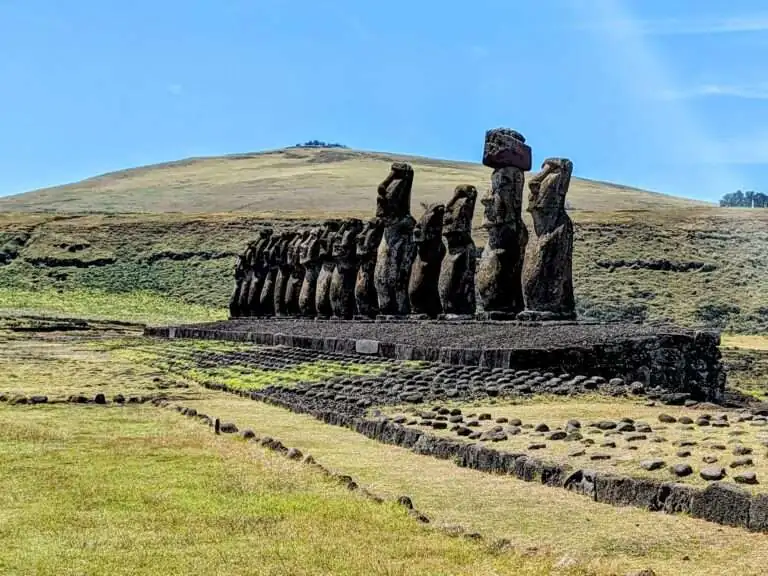
Easter Island (Rapa Nui)
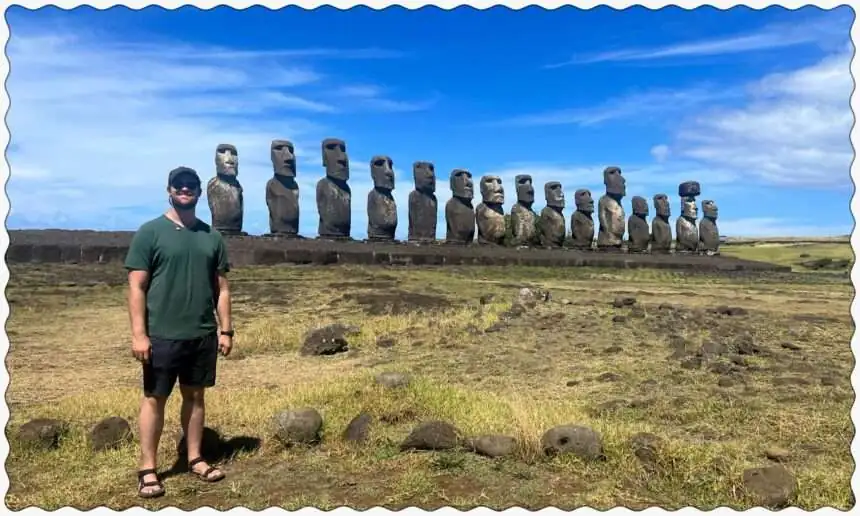
Rapa Nui sits 2,300 miles into the Pacific, one of the most remote inhabited places on earth. The moai are the draw, the Polynesian culture is what stays with you.
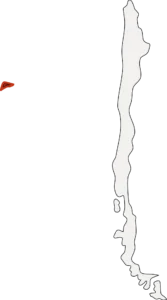
~5.5 hr flight from Santiago
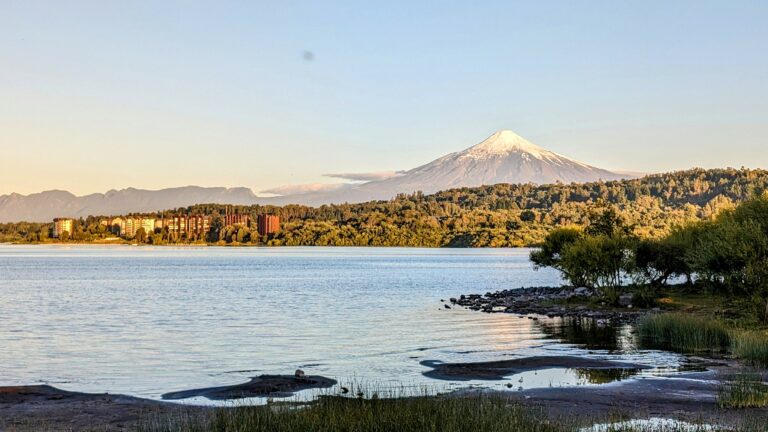
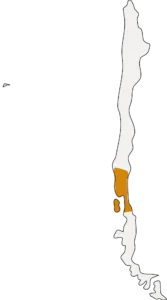
Lakes and Volcanoes District
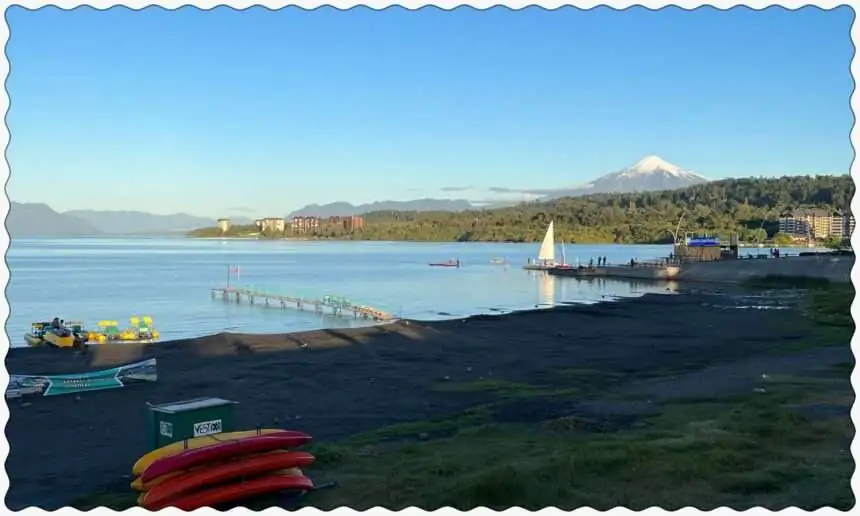
Lakeside towns sitting under active volcanoes, from Villarrica and Pucón down to Puerto Varas, with hot springs, national parks, and the stilt houses of Chiloé a ferry ride south.
~2 hr flight to Puerto Montt
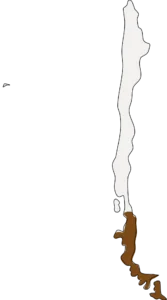
Chilean Patagonia
Torres del Paine and the fjord country at the bottom of the continent, plus the Carretera Austral running south through Aysén for anyone with a rental car and time.
~3.5 hr flight to Punta Arenas
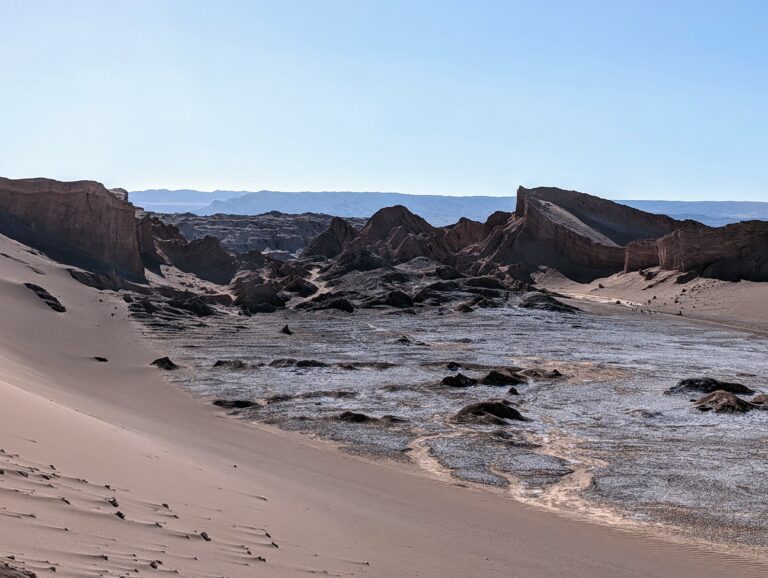
Atacama Desert
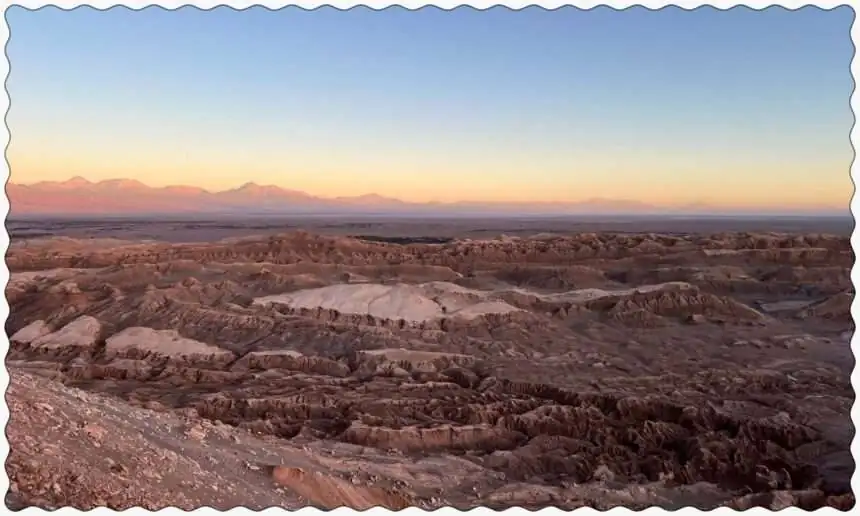
The driest desert on earth, where salt flats, geyser fields, and altiplano lagoons all sit within a day's drive of a single adobe town. No real off-season, because it barely rains.
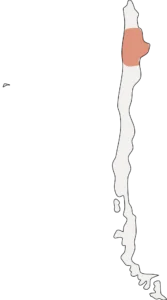
~2 hr flight to Calama, then 1 hr 15 by road
Where to go
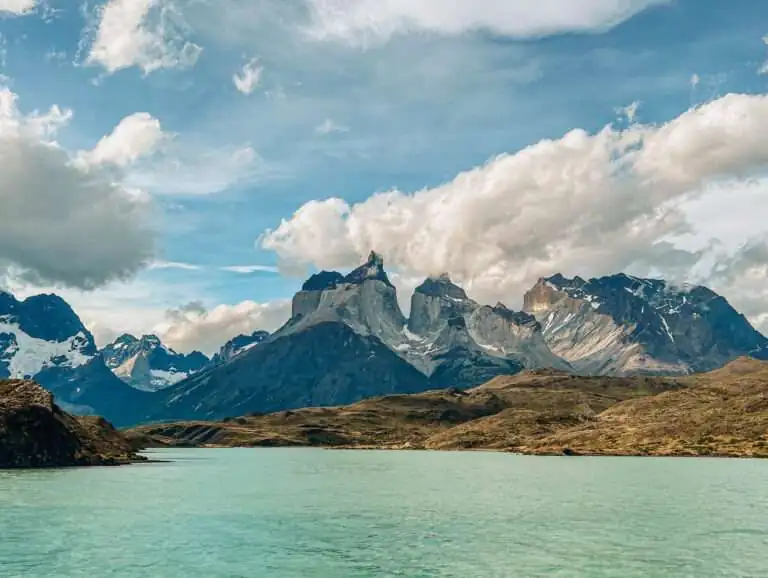
Torres del Paine
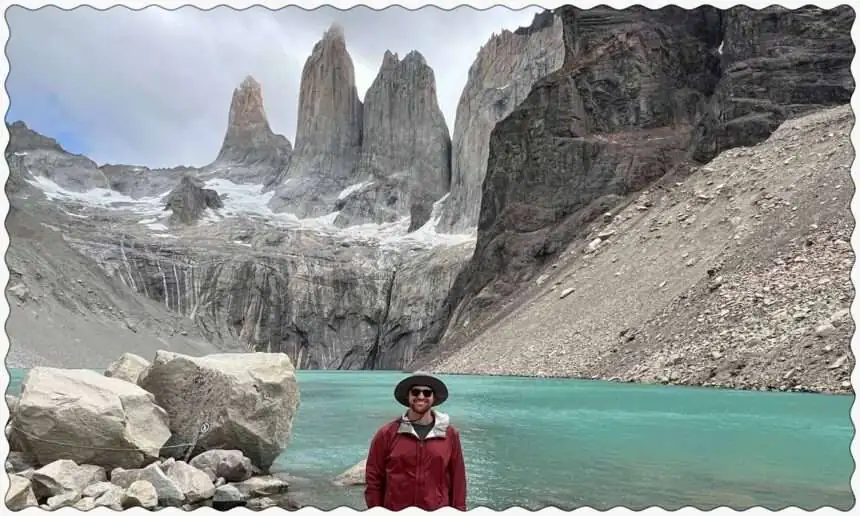
Granite towers, glaciers, and turquoise lakes packed into one national park at the bottom of Chilean Patagonia. Most people come for the W Trek, a four or five day route through the park's best scenery, but the day hikes and boat trips make it worth visiting even if you never sleep in a refugio. Booking is the hard part, not the hiking.
San Pedro de Atacama
A small adobe town that works as a base for some of the strangest landscapes in South America. Geyser fields at sunrise, flamingos on salt flats, moon-like surfaces, starlit skies, and lagoons at 14,000 feet are all day trips from the same main street.
Easter Island
Rapa Nui is a five and a half hour flight from Santiago and unlike anywhere else in Chile. The moai are the reason most people book, but the island rewards slowing down, and six days gives you enough time to see the quarry, the ceremonial sites, and the beaches without rushing between them.
Chiloé
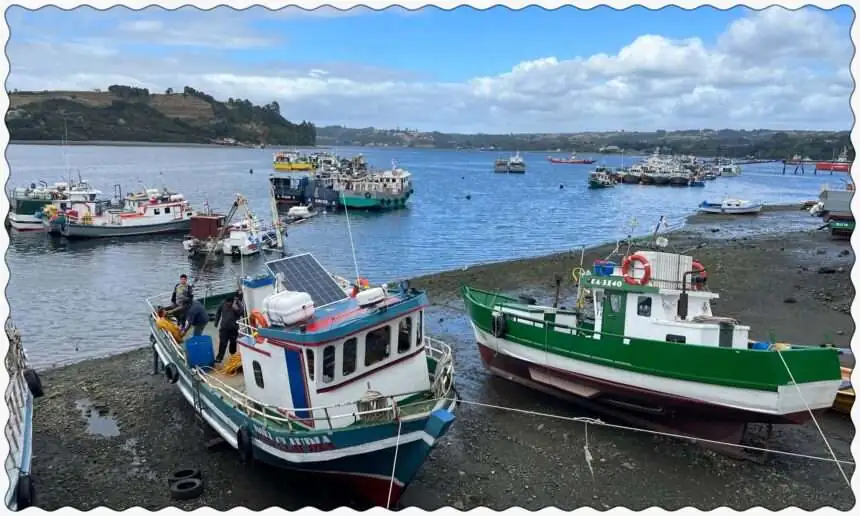
Chile's second largest island, reached by ferry from the mainland, with a culture that developed largely on its own. Stilt houses over the water, UNESCO-listed wooden churches built without nails, and a food tradition centered on curanto cooked in the ground. The most distinctive place on this page and the one fewest travelers plan for.
Plan your trip
Every itinerary below comes from our own travel. Kevin and Melina have done each of these routes themselves, from the geyser fields above San Pedro to the last day of the W Trek in Torres del Paine. Chile's length means moving between regions costs you a travel day each time, so two weeks across two or three regions is the realistic shape of a first trip. Use the region sections below to find your destination, or reach out if you want help building the full route.
reach out to us →Santiago
Easter Island (Rapa Nui)
Chilean Patagonia
Before you book
Best time to visit
There is no single best time to visit Chile, because the country covers too much latitude for one answer to hold. What changes by season is not whether a region is worth visiting but what you can do once you are there.
Chilean Patagonia runs on the tightest calendar. December to February is summer, with long daylight and the most reliable trekking conditions, and it is when the refugios and campsites in Torres del Paine are fully open. It is also when you need to book months ahead. November and March are the shoulders, quieter and cheaper, with more weather risk and shorter days. And the winters are the times to take in amazing snowy landscapes from luxury lodges. We have spent two summers in the region and would still plan a first trip inside that December to February window.
The Lakes District is the most flexible of the five. Summer brings lake swimming, volcano hikes, and the busiest stretch on Chilean vacation calendars, since these are the towns Chileans themselves go to. Fall turns the forests and empties the towns out, which is our preferred version. We have been in both seasons. Winter brings skiing and a much quieter, wetter version of the same lakes.
The Atacama barely has seasons in the way the rest of the country does, because it barely rains at any point in the year. Summer runs hot, winter runs cold, and the altitude means the temperature swing between midday and dawn is larger than the swing between months. We were there in April and had warm days, genuinely cold pre-dawn starts for the geysers, and very few other people on the tours.
Santiago works year-round and is the one region where winter is a reason to come rather than a compromise. The ski resorts sit about an hour from the city, running roughly June to September. Spring and fall are the most comfortable for the city itself and for the vineyards.
Easter Island is subtropical and mild all year. Summer is warmer and busier, winter is wetter and quieter, and the flights and the sites operate regardless.
How long do you need
Two weeks is the minimum to do Chile properly, covering two or three regions. The country is roughly 2,650 miles long, and every region change costs you most of a day in transit, so the constraint is not distance in miles but travel days spent. A workable two-week trip combines Santiago with one southern region and one northern one, for example three days in and around Santiago, five in Chilean Patagonia, and four in the Atacama, with travel days built in around them.
Three regions in two weeks is the ceiling, not the target. Adding a fourth means you spend more time in airports than in places. Easter Island in particular is not a side trip. It is a five and a half hour flight each way and needs five or six days on the ground to justify the journey, which effectively makes it its own trip rather than an add-on.
Getting there
Santiago (Arturo Merino Benítez International Airport, SCL) is the entry point for essentially every international traveler. Direct routes run from Miami, Dallas, Houston, New York, Toronto, Madrid, London, and several other hubs, and everything else in the country connects through it.
From Santiago, each region has its own domestic connection:
LATAM, JetSMART, and Sky all fly domestically. Book Patagonia routes early for the December to February window, when they sell out and prices climb sharply.
Budget
A comfortable trip runs USD 150 to 250 per person per day, covering mid-range accommodation, meals out, and a paid activity most days. That sits above Argentina, and the gap shows up most clearly in food and accommodation.
Chilean Patagonia is where you will spend at the top of that range or above it. Park entry fees, refugio beds inside Torres del Paine, and organized tours all price higher than anywhere else in the country, and the region has a well-developed luxury tier that can push a day well past USD 250. The all-inclusive lodges and guided experiences around Torres del Paine are genuinely good, so this is less a warning than a decision to make deliberately before you book.
The tradeoff is that Chile is far simpler to pay for. Cards work almost everywhere, there is no parallel exchange market to navigate, and prices are what they say they are. Where Argentina rewards travelers who arrive with cash and a strategy, Chile just works.
Budget travelers do well in the Lakes District and Santiago, where hostels, buses, and cheap markets are plentiful. Easter Island and Chilean Patagonia are the two regions where costs are structurally high and there is limited room to economize, because almost everything has to be shipped or flown in.
On the ground
Getting around
Domestic flights are how you move between regions. The country is too long to drive end to end on a normal trip, and one leg in particular is not optional: there is no continuous road inside Chile connecting the Lakes District to Chilean Patagonia. The fjords and glaciers break the country apart. You either fly over that gap or cross into Argentina, drive south, and re-enter Chile further down, which is a legitimate route if you want both sides of Patagonia in one trip.
Within each region the answer changes:
Chilean Patagonia is straightforward by bus. Puerto Natales connects to Punta Arenas and to Torres del Paine on frequent, comfortable services, and the park's own shuttle network handles movement between trailheads and refugios. You do not need a car for a Torres del Paine trip.
The Carretera Austral is the exception. Driving the highway south through Aysén is the point of doing it, and there is no bus network that lets you stop where you want. Rent a car or a van, and expect gravel, ferry segments, and long gaps between fuel stops.
The Lakes District works either way. Buses connect Villarrica, Pucón, Puerto Varas, and Puerto Montt reliably, and the Chiloé ferry runs regularly. A rental car buys you the hot springs, national parks, and lakeside stops that sit away from the bus routes.
Santiago has a clean, extensive metro that reaches most of what visitors want, plus Uber. Valparaíso is an easy day trip by bus or car.
San Pedro de Atacama and Easter Island are both tour-based. In San Pedro almost every attraction sits at altitude or hours out of town, so you book excursions rather than driving yourself. On Rapa Nui a rental car or scooter works if you prefer independence, but guided access is required at several of the major sites.
Language
Spanish is the language throughout Chile, and Chilean Spanish is widely considered the hardest accent in Latin America for learners. Speakers drop the final s on many words, run syllables together, and use a large body of local slang. If you have studied Spanish elsewhere, expect to understand less than you did in Argentina or Colombia. People are patient about it, and asking someone to slow down works.
hola
OH-la
hello
gracias
GRAH-see-ahs
thank you
no entiendo
NOH ehn-tyEN-doh
I don't understand
por favor
POHR FAH-vohr
please
¿Hablas inglés?
hah-BLAHS een-GLEHS
do you speak english?
¡chau!
CHOW
bye
¿Dónde está el baño?
DOH-ndeh ehs-TAH EHL BAH-nyoh
where is the bathroom?
¿Cuánto cuesta?
KWAHN-toh KWES-tah
how much does it cost?
buenos días
BWAY-nohs DEE-us
good morning
buenos tardes
BWEH-nahs TAR-des
good afternoon
buenas noches
BWEH-nahs NOH-chehs
good evening or good night
Regional diversity
Chile changes more dramatically across its length than almost any country its size, and the differences are not only in landscape. The Atacama is high, dry, and Andean, with a culture shaped by mining towns and indigenous Atacameño communities. Santiago is dense, modern, and European in feel. The Lakes District carries visible German settlement history in its architecture and food alongside a strong Mapuche presence. Chiloé developed largely on its own and has its own mythology, building traditions, and cuisine. Rapa Nui is Polynesian, not South American, and feels it from the moment you land. If your trip covers more than one region, give yourself a day on each end to adjust rather than moving straight through.
Cash, cards, and tipping
Cards work almost everywhere in Chile, including small restaurants, buses, and shops, which makes it one of the easiest countries in South America to travel without cash. Carry some Chilean pesos anyway for street food, market stalls, and souvenirs, where cash is still the norm and sometimes the only option.
Tipping is expected at restaurants and bars with table service, where 10 percent in cash is standard, left on the table or handed to the server. The bill will often show it as a suggested addition, and you can decline it. For free walking tours, plan to tip the guide the equivalent of about USD 20 in Chilean pesos.
Volcanoes and earthquakes
Chile sits on the Pacific Ring of Fire, along the Peru-Chile trench of the Nazca plate, and the same geology that built the Andes makes the country seismically active. Earthquakes happen regularly, most of them minor. Chilean building codes are among the strictest in the world specifically because of this, and locals treat small tremors as unremarkable.
The volcanoes are more visible. There are roughly 100 active volcanoes in Chile, concentrated in the Lakes District, and several have erupted within the last century. Villarrica is permanently active, venting gas and smoke continuously with lava visible at night, which is part of why people come to the region. Volcanic activity is closely monitored and communicated locally, and access to summits and trails is restricted when conditions change. Follow posted guidance rather than assuming a trail is open because it was yesterday.
All articles
Chilean Patagonia
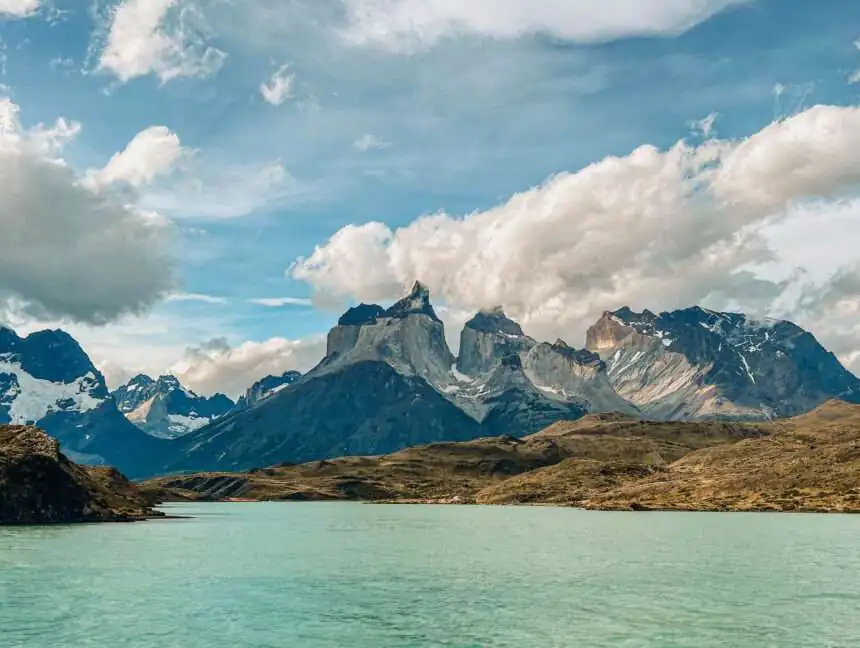
Chilean Patagonia Travel Guide
The bottom of the continent, where granite towers rise out of the steppe and the road simply runs out.
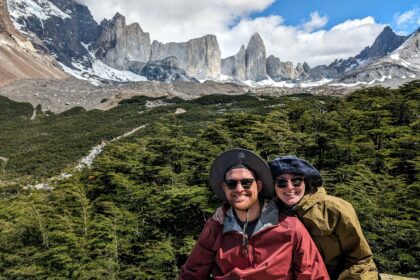
Traveling to Patagonia in Summer: Everything You Need to Know
After spending months traveling through the Patagonia regions of Chile and Argentina, we share everything to know about traveling to Patagonia during the summer.
The Best Routes to Bus Through Southern Patagonia
A breakdown of the major routes, options, and travel to help you bus through Southern Patagonia, everywhere between Ushuaia and Bariloche in Chile and Argentina.
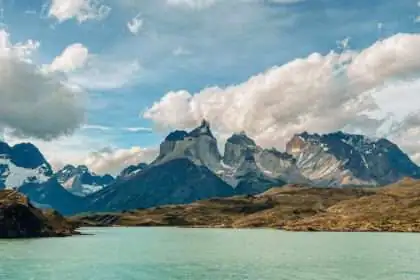
The Torres del Paine W Trek: A Daily Guide on What to Expect
The experience of the multi-day trek through the Torres del Paine W Trek. It includes daily hikes, accommodations, food and other logistics.
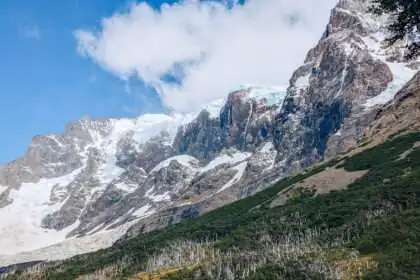
How to Book the Treks in Torres del Paine and Everything to Know Before You Go
Everything you need to know about how to book the treks in Torres del Paine, including transportation, food, and accommodations for the W and O treks.
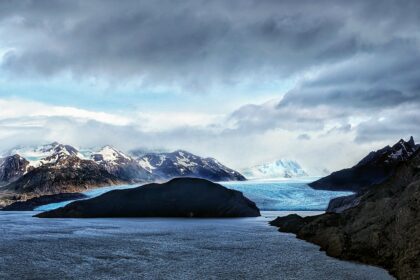
Things to Do in Torres del Paine: W Trek, Day Hikes, and More
Multi-day trekking, day hikes, walking on glaciers... the various things to do in Torres del Paine National Park and how to best access them.
Lakes and volcanoes
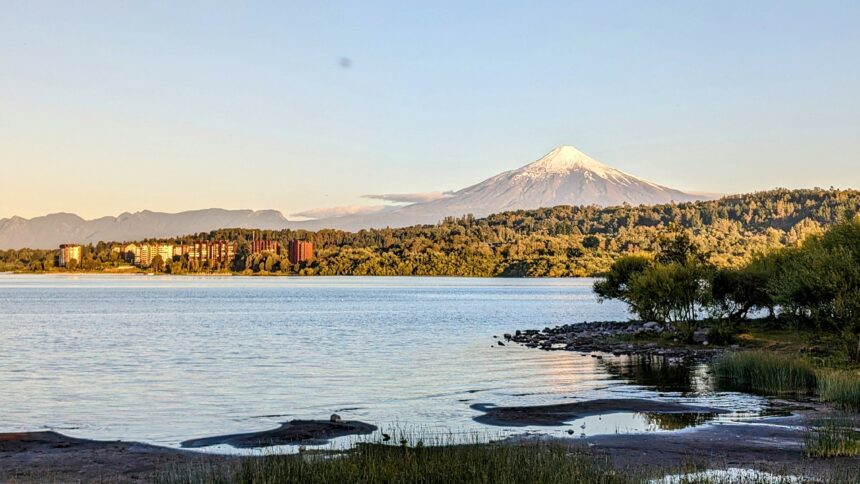
Chilean Lake District Travel Guide
Lakeside towns under active volcanoes, where the hot springs are natural and the architecture is unexpectedly German.
Traveling to Patagonia in Summer: Everything You Need to Know
After spending months traveling through the Patagonia regions of Chile and Argentina, we share everything to know about traveling to Patagonia during the summer.
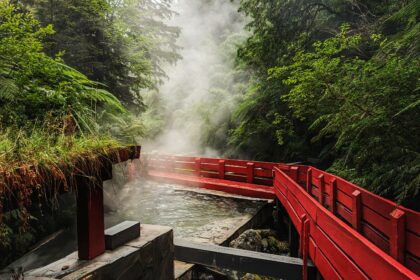
Visit Puerto Varas and Villarrica for Patagonia Volcanoes in Chile
Puerto Varas and Villarrica, two towns for your next Patagonia trip to experience the volcanoes of the Chilean Lakes district.
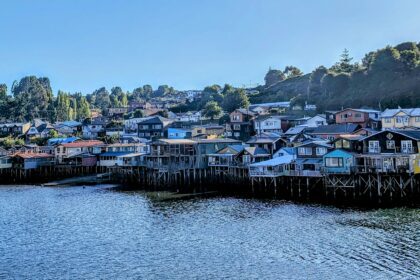
The Top Things to Do In Chiloe Island, a Unique Patagonia Destination
Learn about the second largest island in Chile, the Chiloé island, with unique ancestral traditions that live on today along with unique architecture, food, etc.
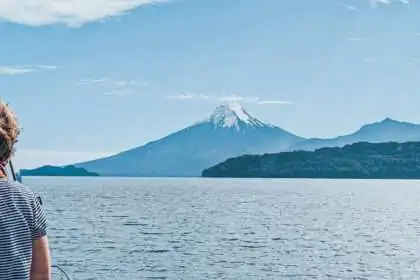
Cruce Andino: How to Cross Between Chile and Bariloche by Land
The different options to cross between the lake areas of Patagonia in both Argentina and Chile and the value of the experience of the Cruce Andino.
Atacama Desert
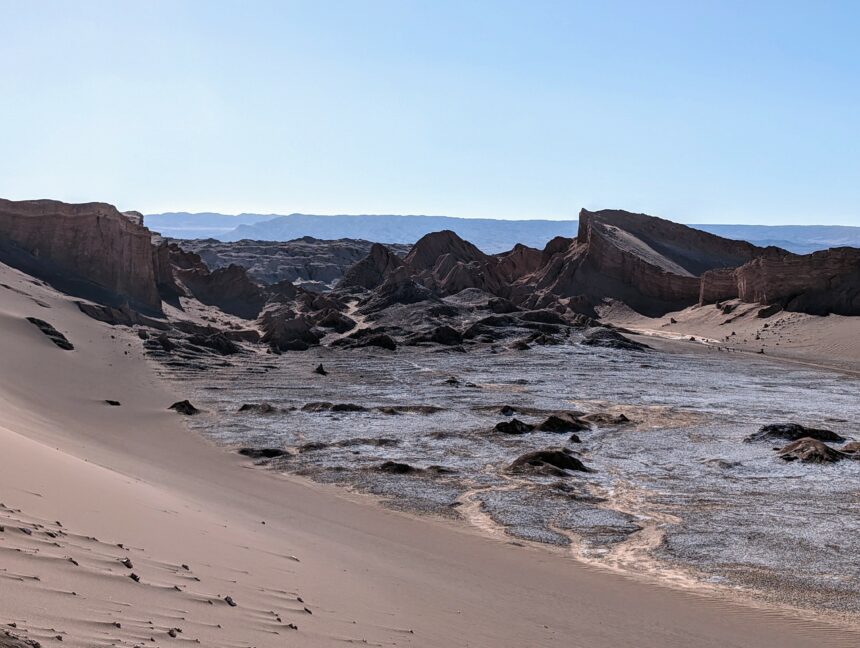
Atacama Desert Travel Guide
The driest place on earth, where geyser fields, salt flats, and high-altitude lagoons all sit within a day of one small adobe town.
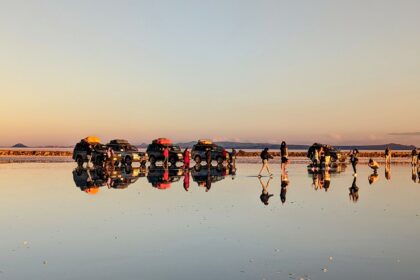
The San Pedro de Atacama Uyuni Salt Flats Tour: A Daily Guide on What to Expect
An itinerary of the classic 3 day Uyuni Salt Flats tour with expected destinations and experiences for this tour through a unique landscape.
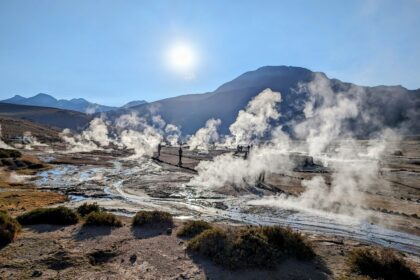
The Best Things to Do for a San Pedro de Atacama Desert Itinerary
How to best visit and develop a San Pedro de Atacama desert itinerary to explore the driest desert in the world through unique landscapes.
Easter Island
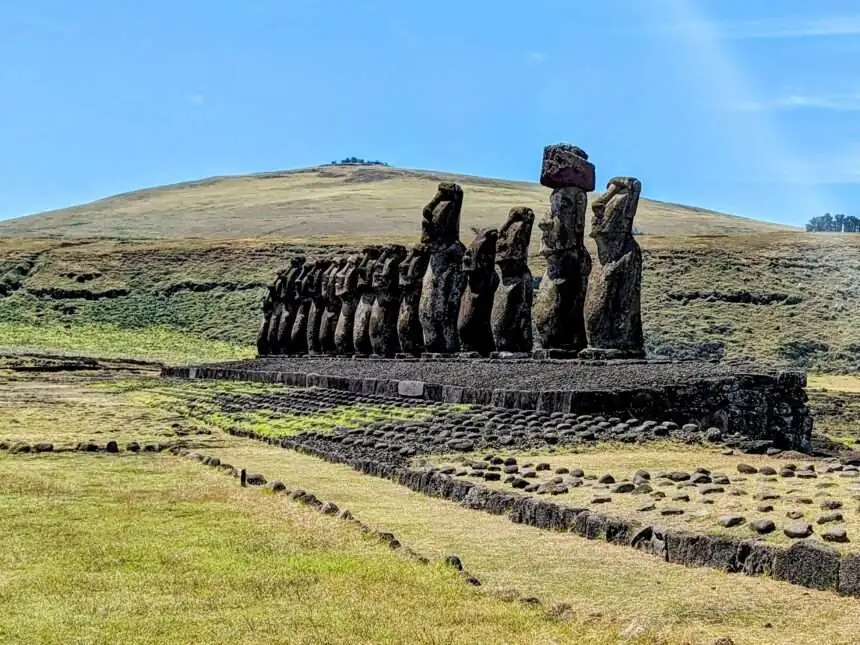
Easter Island Travel Guide
One of the most remote inhabited places on earth, and Polynesian in every way that matters.
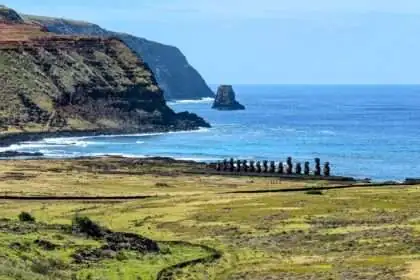
How to Visit Easter Island and Other FAQs You Have
Curious about how to visit Easter Island (Rapa Nui)? Here is a list of your burning questions and answers to inspire you to visit this beautiful island.
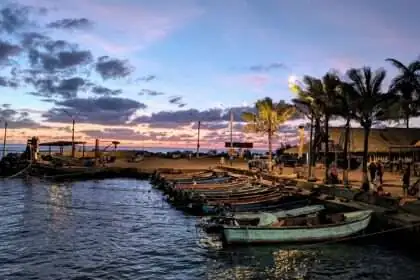
The Ultimate Easter Island Itinerary: 6 Days in Chilean Polynesia
This article will help you plan your entire Easter Island itinerary, including the appropriate tours to discover this paradise.
Santiago
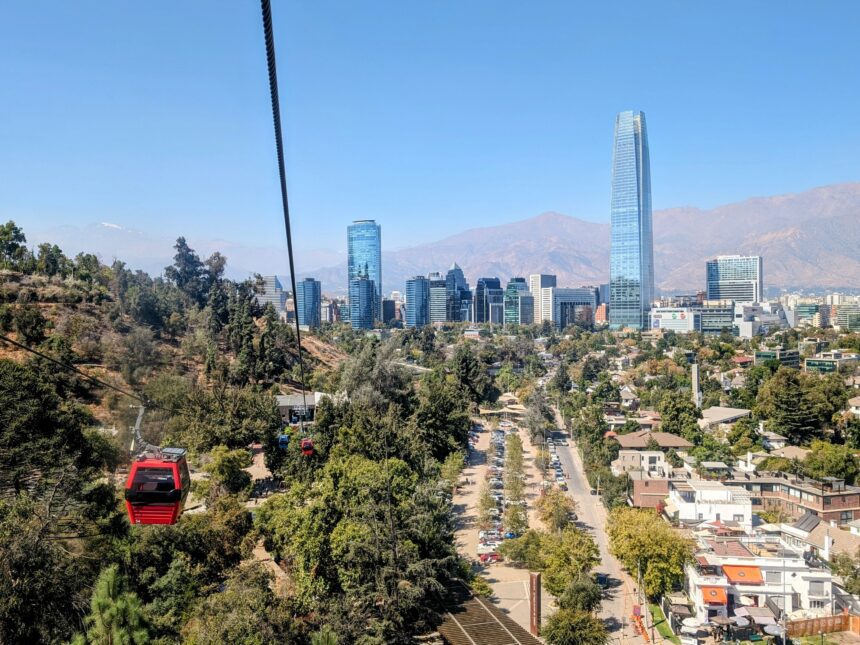
Santiago Travel Guide
A capital hemmed in by the Andes, with ski slopes, vineyards, and a Pacific port all within an hour or two.
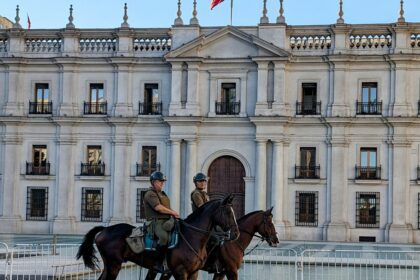
The Top Things to Do in Santiago, Chile: A 4 Day Itinerary
A starting point for the things to do in Santiago and logistical information you need to know before visiting. Personalize this for your trip.
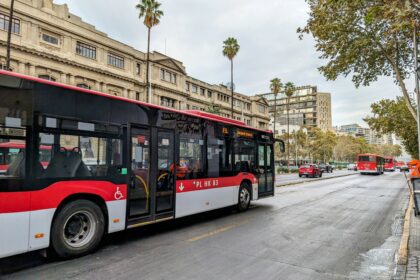
Santiago Transportation: All Your Options to Get Around the City
The options for Santiago transportation to best experience and navigate the capital city of Chile and the surrounding area on your next trip.
Chile overviews
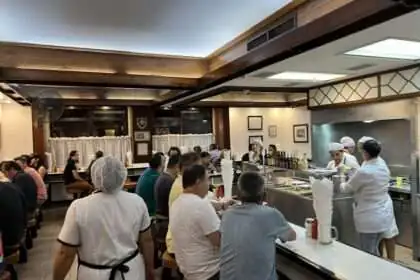
Best Restaurants in Chile by Region: Blueprint Recommendations
A list of the best restaurants in Chile by region to try local food while visiting parts of the country to dive into local culture.

Chile Food and Drinks
The Chile food and drinks that you should try and where to try them while visiting the entire country to dive into local culture.
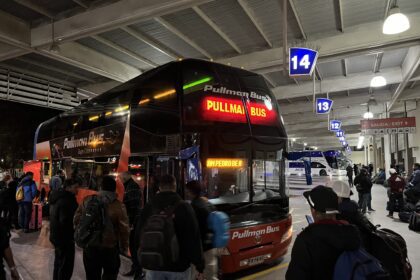
How to Cross the Border Between Chile and Argentina without Flying
The most popular land crossings between Chile and Argentina, covered firsthand. Includes what to expect at each border and how to choose the right one.