
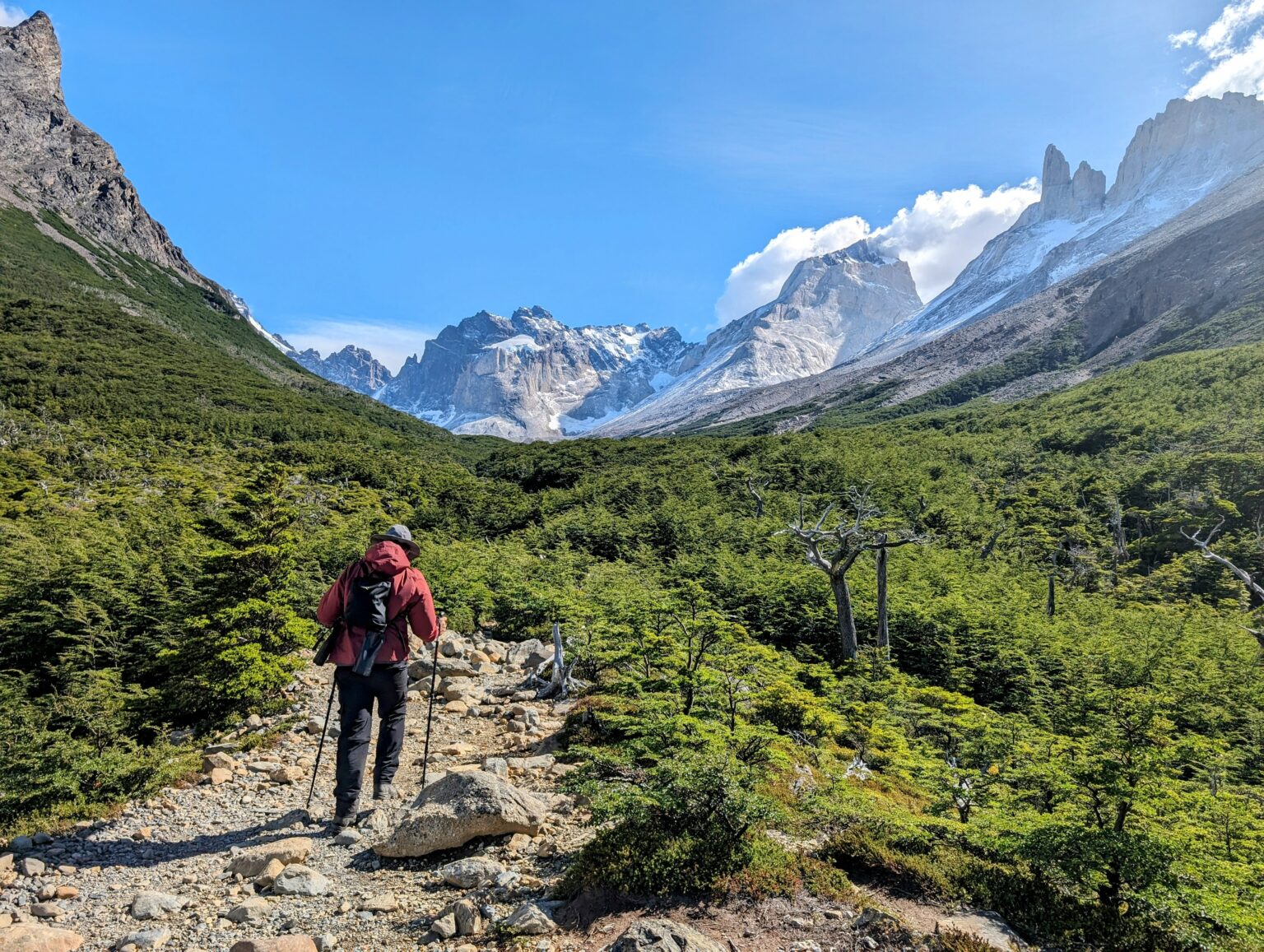
Torres del Paine · Patagonia, Chile
Latin America · Chile and Argentina
Patagonia Travel Guide
Two countries, seven regions, and one short summer season, and almost everyone tries to fit too much into it.
07
Months on the ground
02
countries, 7 regions
67+
Destinations and experiences
23+
first-hand guides
Month by month →
Full comparison →
How to get to Patagonia →
Trip costs →
Itineraries →
Explore by region
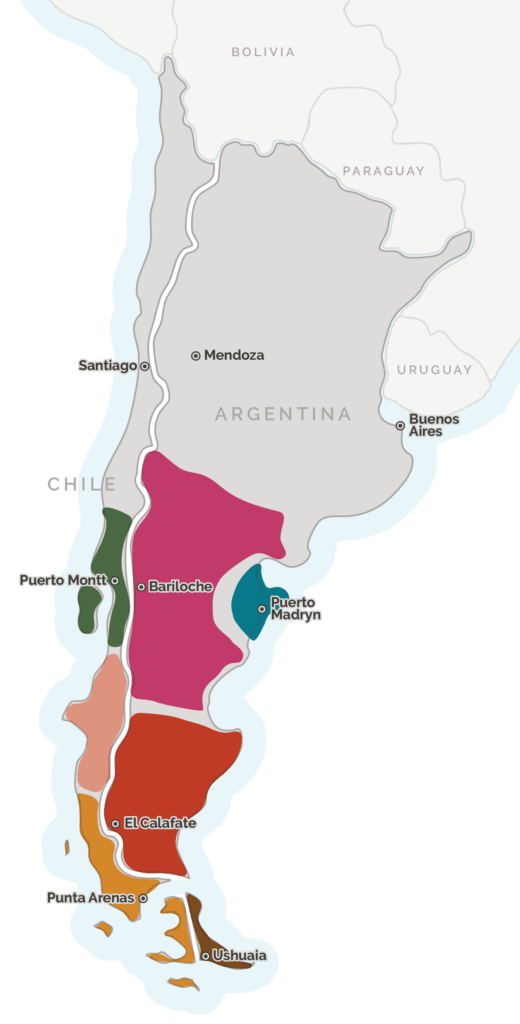
Patagonia gets talked about as one place, but it is really seven distinct regions spread across two countries, and part of planning a trip here is deciding which ones you have time for. Southern Patagonia and Chilean Patagonia are the most popular of the regions and what most people think of when they are talking about Patagonia. The other five have their own unique draws and are quieter than you might expect. Here is what each is like and where it fits into a nine or sixteen day trip.
Southern Patagonia
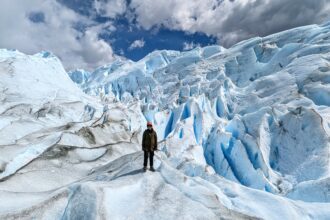
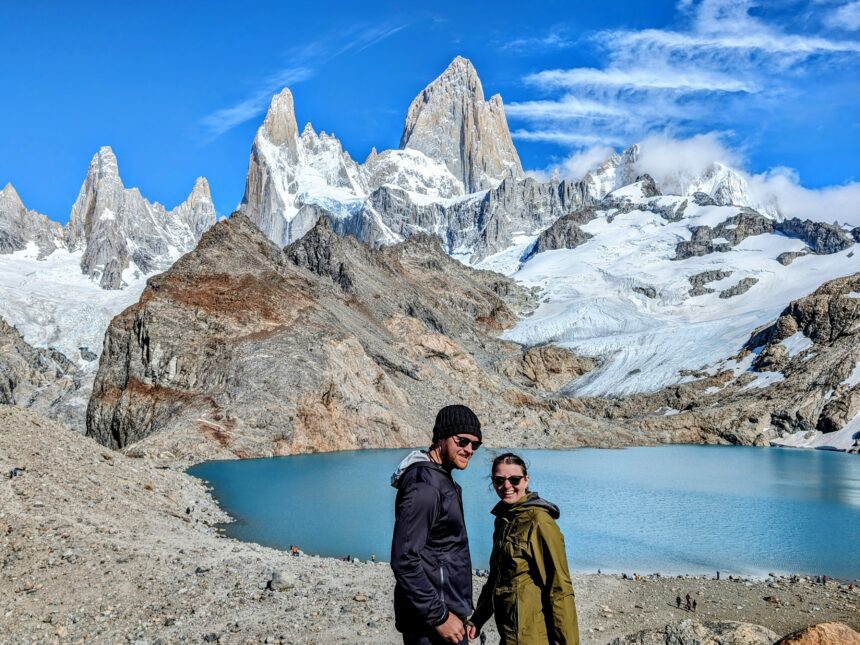
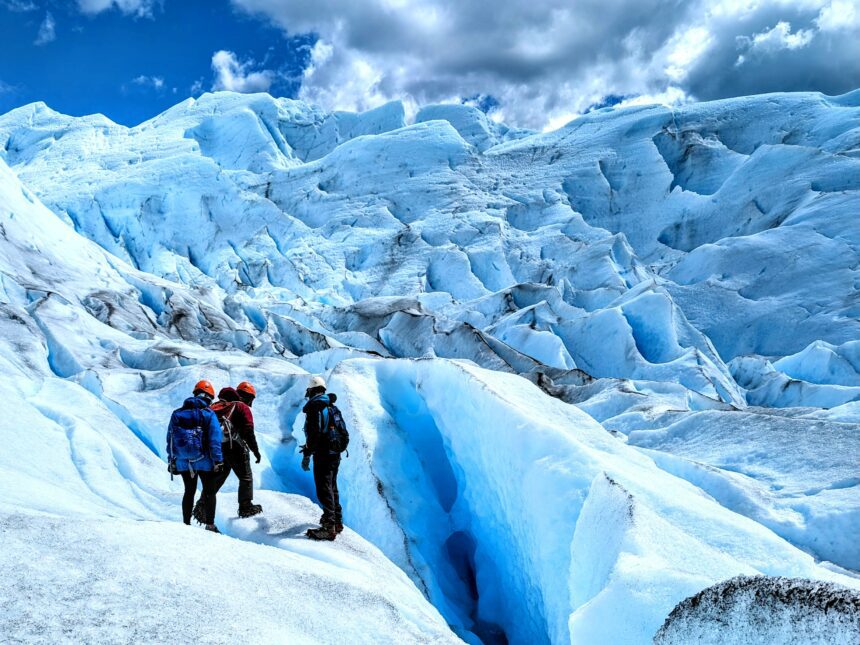
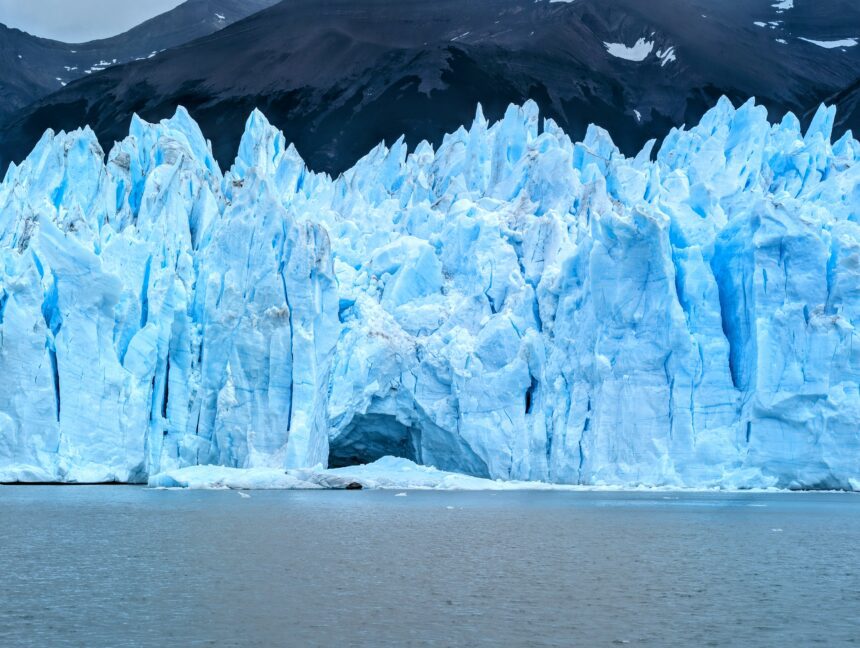
El Calafate and El Chaltén are about three hours apart and together they hold most of what people picture when they think of Patagonia. Perito Moreno is one of the few glaciers in the world still advancing, and you will hear it crack and calve before you see it happen. El Chaltén was built for hikers, and the trailheads start right at the edge of town with no permits to arrange.
As part of your itinerary: the core of any Patagonia trip. This region easily fills a nine-day itinerary on its own and anchors a sixteen.
explore
Chilean Patagonia
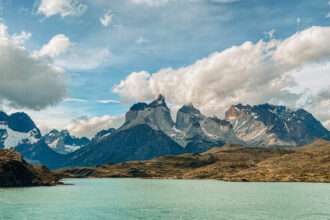
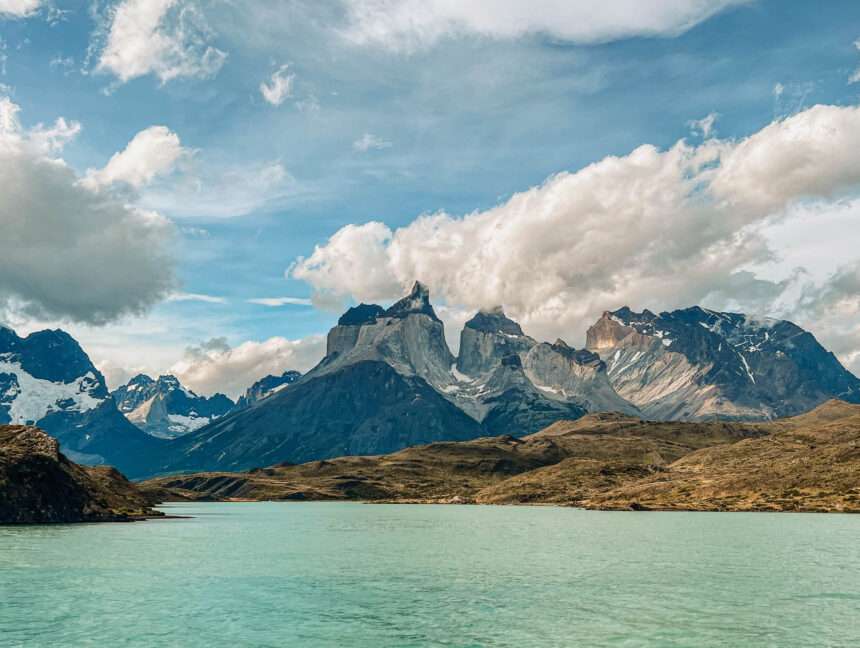
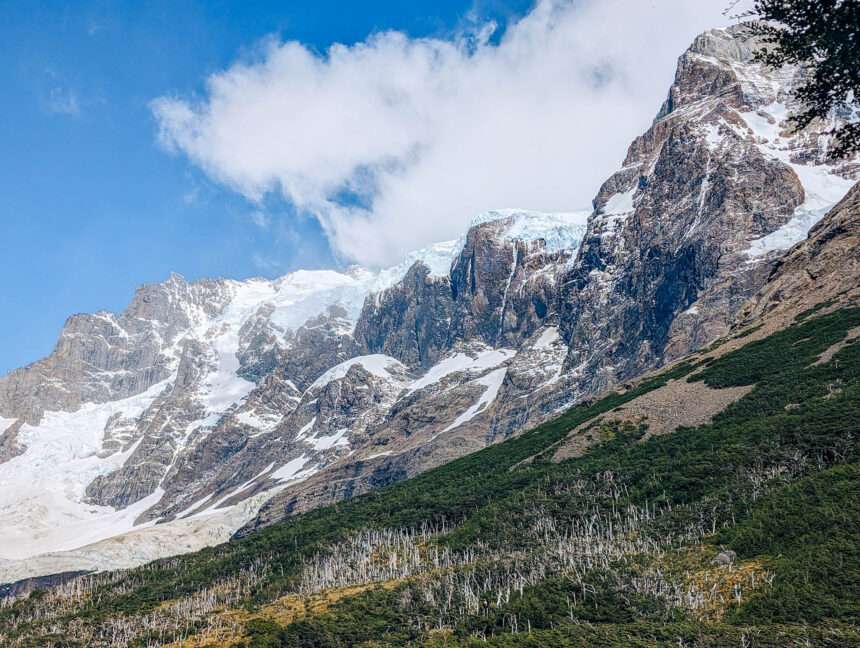
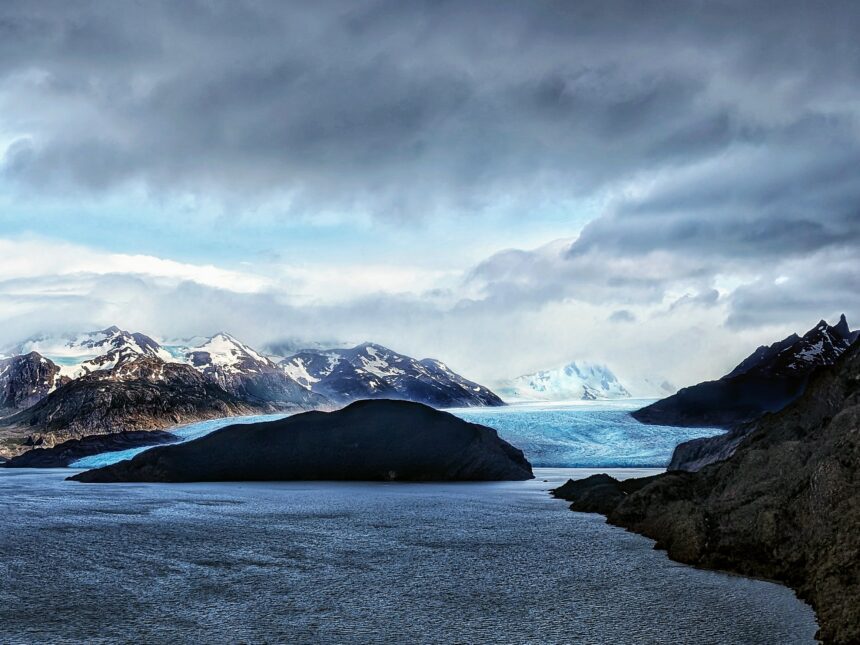
Torres del Paine is why most people come to this side, reached through Puerto Natales via the Punta Arenas airport. Within this national park, the W Trek takes four or five days and the O Circuit takes eight. This is the most expensive part of Patagonia, and takes planning because the refugios and campgrounds of the treks book out months in advance. It is the one region you cannot leave until the last minute. You can also visit Torres del Paine without doing the multi-day hikes.
As part of your itinerary: pairs directly with Southern Patagonia across the border, and together they make the classic sixteen-day trip. It can also carry a nine-day itinerary on its own if the O or W Trek is why you are coming.
explore
Northern Patagonia
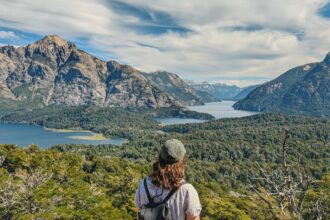
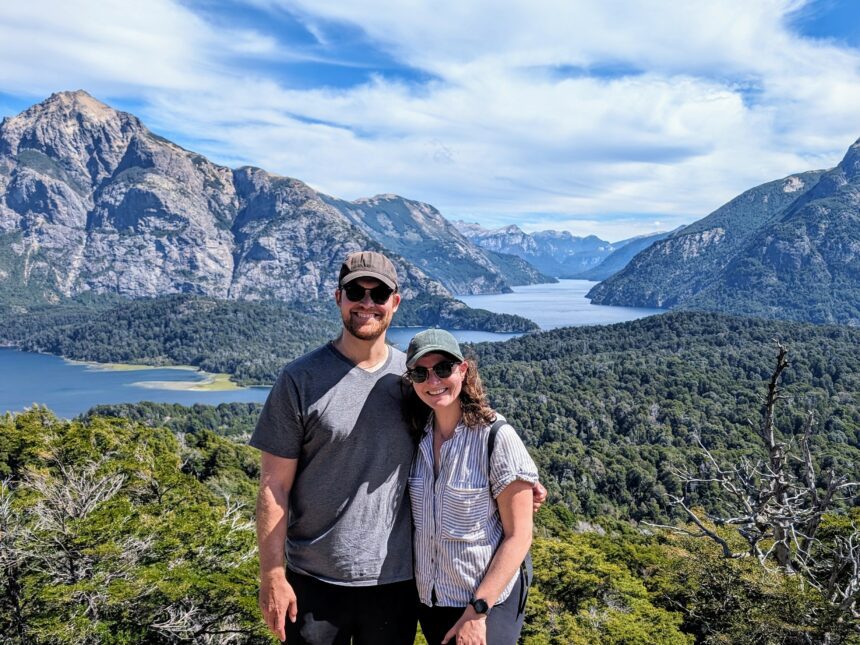
Here the focus is on forests and lakes, and the towns feel older and more settled than anything further south. Bariloche, known as the Switzerland of Argentina, sits on Lake Nahuel Huapi with a chocolate industry and a ski mountain. From here, you can access the Route of the Seven Lakes, which runs north through a chain of water and forest, and the Circuito Chico, which loops the best of the shoreline in an afternoon.
As part of your itinerary: the easiest region to reach on the Argentina side, which makes it a strong nine-day trip in its own right. On a faster nine-day trip or a slow-paced sixteen, pair this region with the Chilean Lake District, right across the border.
explore
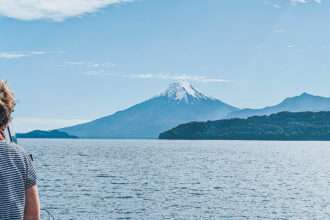
Lakes and Volcanoes District
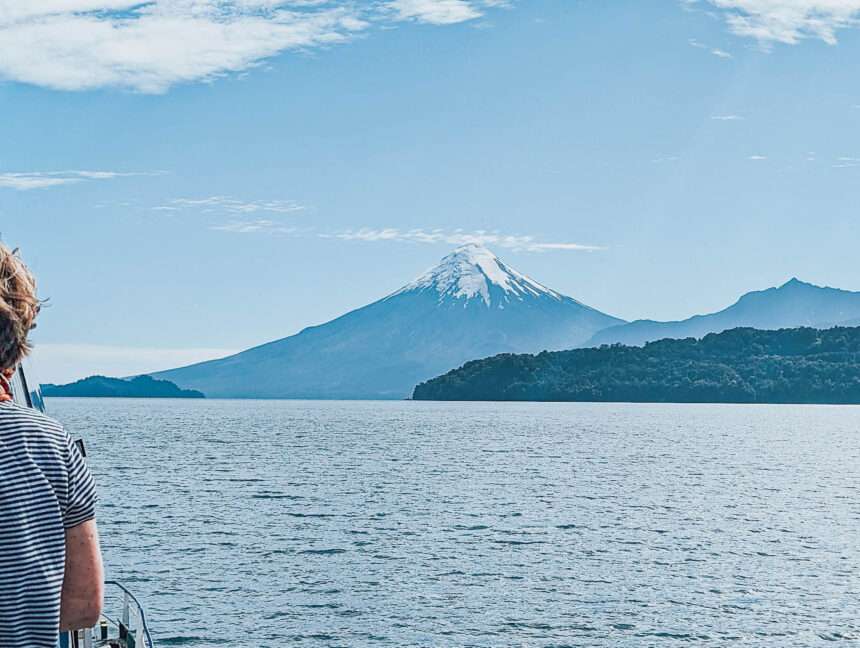
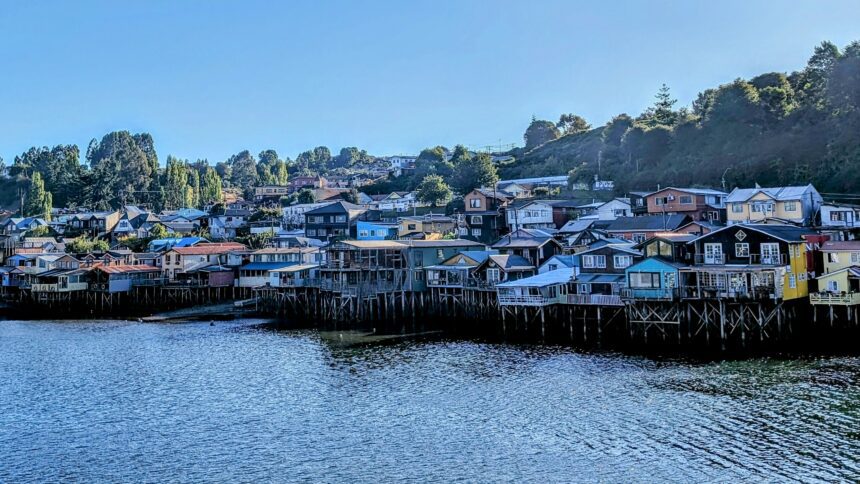
This region gets its name honestly. Pucón sits at the foot of Villarrica, an active volcano you can climb to look down into the crater, with hot springs scattered through the forest around it. Further south, Puerto Varas sits on a lake beneath Osorno. This is also where the Mapuche presence is strongest in Patagonia, and it shows up in the food and the towns themselves. Then there is Chiloé, an island that feels like a different country altogether, with wooden churches and a food tradition built around the curanto.
As part of your itinerary: pairs with Northern Patagonia over the Cruce Andino, and with the Carretera Austral, which begins just south of here.
explore
Aysén and the Carretera Austral
Twelve hundred kilometers of road through the least populated part of Chile, and for long stretches it is the only road there is. The Marble Caves sit in a rock face on a lake that is almost too blue to believe, and at Queulat a glacier hangs suspended between two cliffs with meltwater falling off both sides. Out here the ferry timetables set your schedule far more than distance does.
As part of your itinerary: the route alone fills a nine-day itinerary, though more time on the road is always worth it. Pairing it with the Lakes and Volcanoes District, where the road begins, makes for an exceptional sixteen.
explore
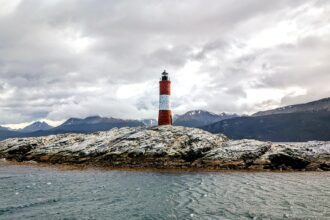
Tierra del Fuego
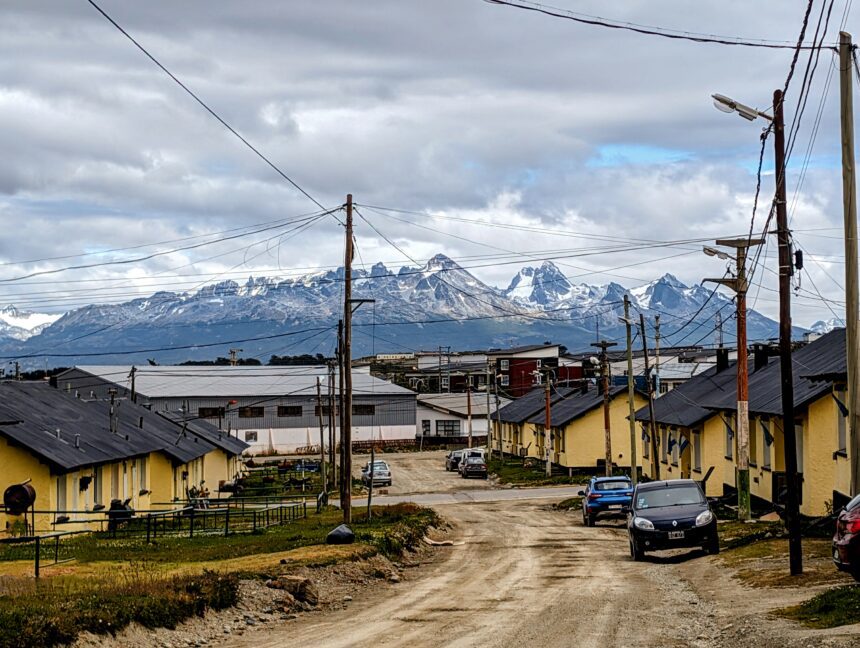
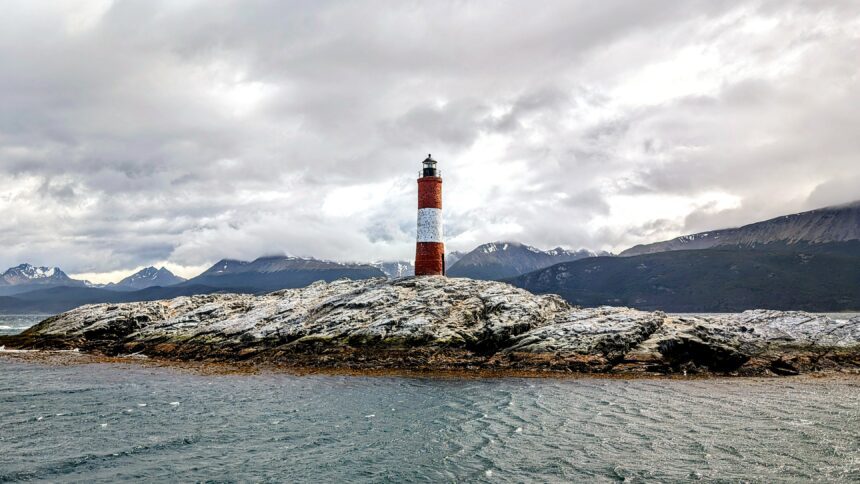
Tierra del Fuego is an island shared with Chile and you reach it by plane or ferry. Ushuaia is the main hub of the island and sits along the Beagle Channel. The national park adjacent to Ushuaia is where you will find the end of the Pan-American Highway. The rugged landscapes and water expanses make you feel like you are at the end of the world. This is also from where most arctic voyages depart.
As part of your itinerary: a three to four day addition that slots naturally onto a Chilean Patagonia trip. Fly into Ushuaia, take a bus to Puerto Natales, and fly out of Punta Arenas.
explore
Atlantic Patagonia
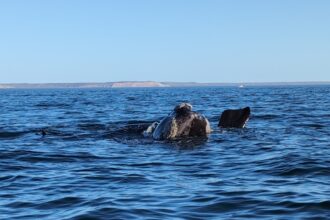
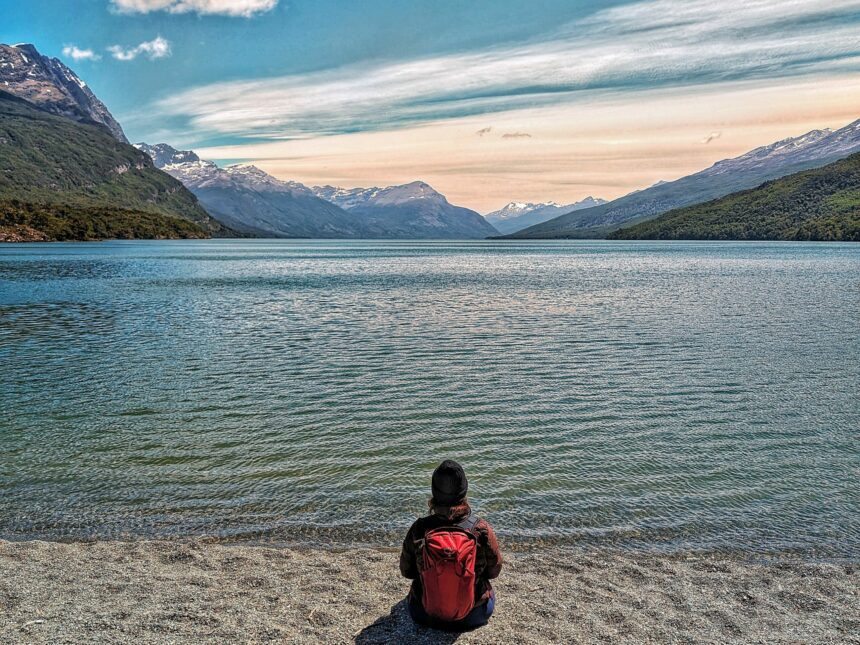
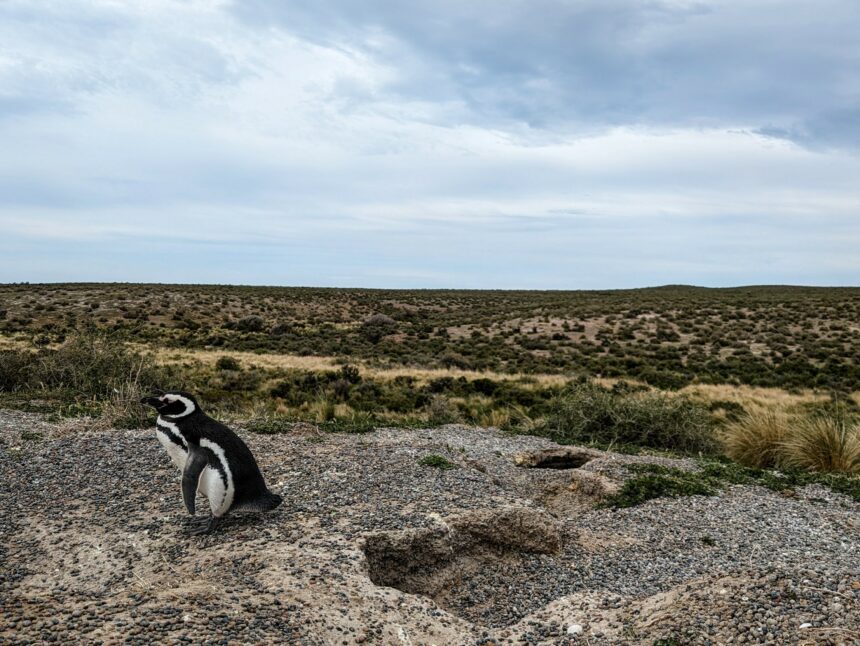
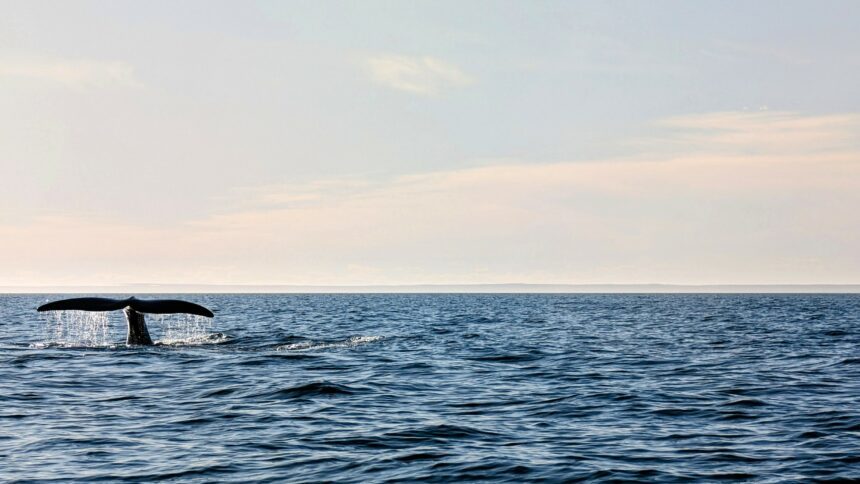
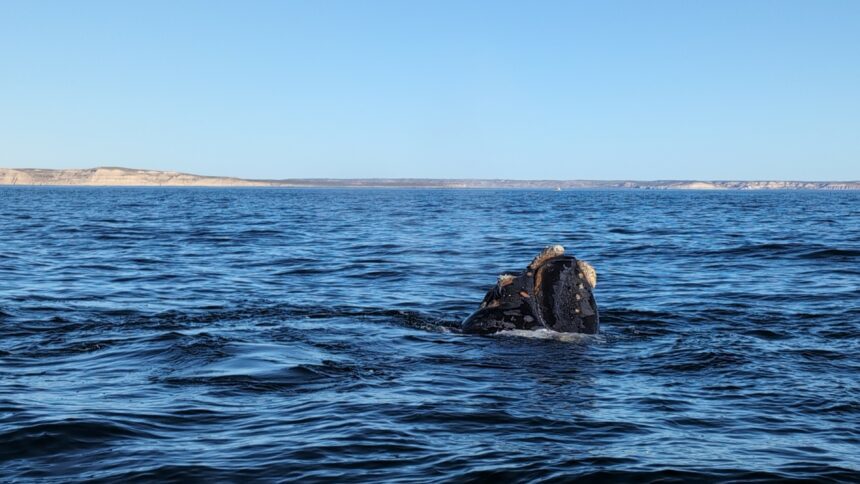
There are no mountains or glaciers here. Instead you have a flat, barren scrub desert that runs to a cliff edge and drops into the South Atlantic, and all of the magic is in the water. Southern right whales come into the shallows at Península Valdés to calve, and at Punta Tombo a boardwalk runs straight through one of the largest penguin colonies anywhere.
As part of your itinerary: four days is enough, and direct flights only run from Buenos Aires, which makes this the one region that works well as a trip of its own rather than a leg of a longer route.
explore
Our experience
Everywhere listed below is somewhere we have been ourselves, and we continue to add them to guides on this site. We have organized it by province rather than by highlight, partly because that is how Patagonia is actually organized, and partly because it is the most honest way to show you what we have seen and what we have not.
Argentina
5 provinces
Tierra del Fuego
⬤
Ushuaia
⬤
Beagle Channel
⬤
Tierra del Fuego National Park
⬤
Puerto Almanza
Santa Cruz
⬤
El Calafate
⬤
El Chaltén
⬤
Perito Moreno Glacier
⬤
Los Glaciares National Park
⬤
Gobernador Gregores
⬤
Cueva de las Manos
⬤
Los Antiguos
Chubut
⬤
Esquel
⬤
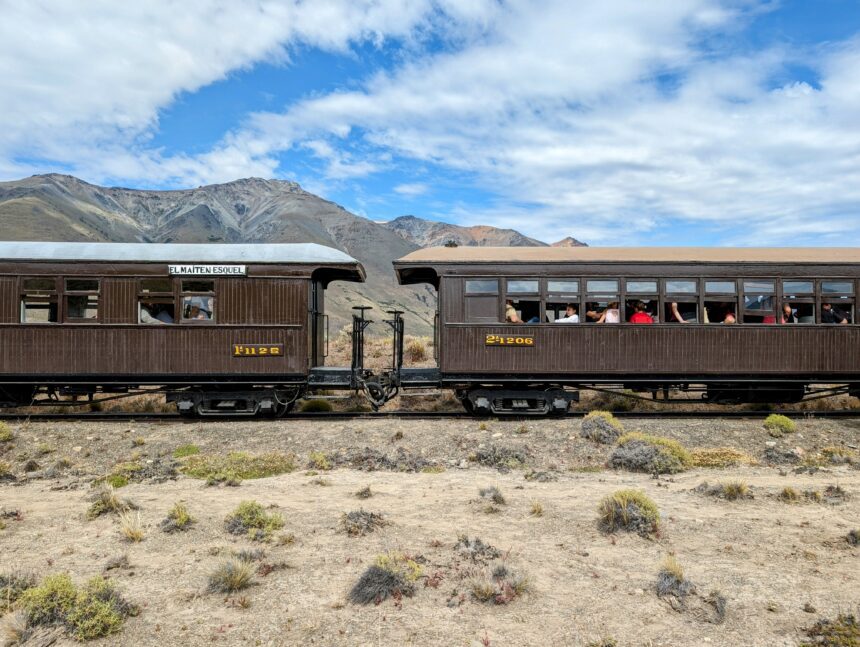
La Trochita
⬤
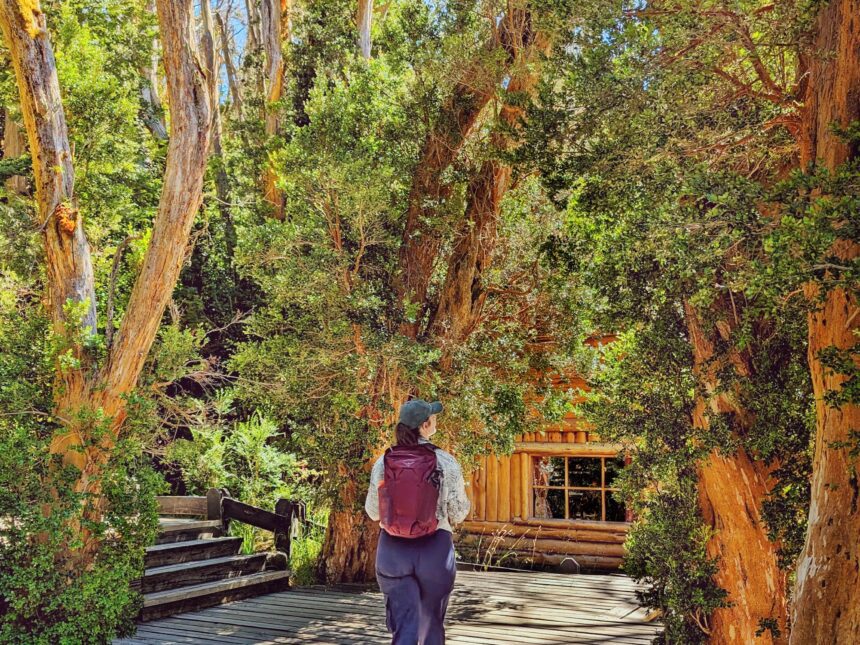
Los Alerces National Park
⬤
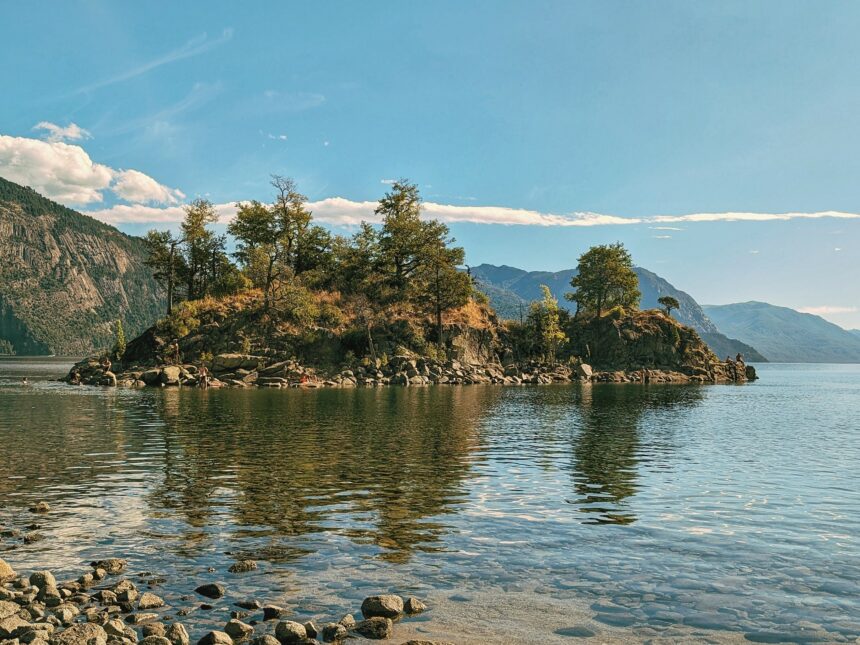
Lago Puelo
⬤
Puerto Madryn
⬤
Península Valdés
⬤
Puerto Pirámides
⬤
Punta Tombo
⬤
Gaiman
Río Negro and Neuquén
⬤
El Bolsón
⬤
San Martín de los Andes
⬤
Bariloche
⬤
Route of the Seven Lakes
⬤
Nahuel Huapi National Park
Chile
5 Regions
Magallanes
⬤
Punta Arenas
⬤
Puerto Natales
⬤
Torres del Paine
⬤
The W Trek
⬤
Estancia La Península
Aysén and the Carretera Austral
⬤
Chile Chico
⬤
Cochrane
⬤
Patagonia National Park
⬤
Villa O'Higgins
⬤
Tortel
⬤
Puerto Río Tranquilo
⬤
Lago General Carrera
⬤
Glaciar San Rafael
⬤
Catedral de Mármol
⬤
Coyhaique
⬤
Cerro Castillo
⬤
Puyuhuapi
⬤
Ventisquero Colgante
⬤
Queulat National Park
Los Lagos, Los Ríos and La Araucanía
⬤
Futaleufú
⬤
Pumalín Douglas Tompkins National Park
⬤
Chaitén
⬤
Hornopirén
⬤
Alerce Andino National Park
⬤
Puerto Montt
⬤
Castro
⬤
Chiloé National Park
⬤
Cruce Andino
⬤
Puerto Varas
⬤
Frutillar
⬤
Saltos del Petrohué
⬤
Volcán Osorno
⬤
Entre Lagos
⬤
Puyehue National Park
⬤
Villarrica
⬤
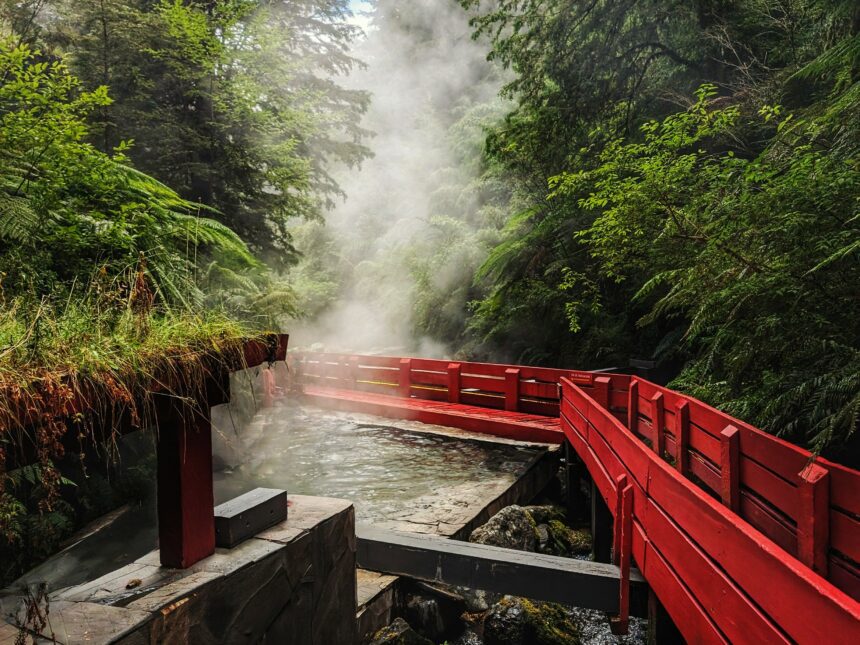
Termas Geométricas
⬤
Valdivia
⬤
Huerquehue National Park
⬤
Parque Ojos del Caburgua
⬤
Pucón
⬤
Villarrica National Park
⬤
Temuco
What we've learned
These are not exactly recommendations, and they are not a list of highlights either. They are the patterns we keep coming back to after several trips and a lot of time on the road here, and they shape most of what we have written on this page.
01
Almost everyone goes to the same three places
Torres del Paine, El Chaltén, and Perito Moreno absorb the overwhelming majority of visitors to Patagonia. But that concentration means the other regions are much quieter and can feel more personal. The Atlantic coast and Aysén in particular offer something the southern circuit no longer can, which is the feeling of being somewhere that has not been overly organized and developed around tourism and visitors. If this is your second trip to Patagonia, we would start there.
02
The Chile or Argentina question is harder than it should be
This is the first real decision you have to make, and it is difficult to research honestly because almost every source answering it has a commercial reason to prefer one side. We have spent long stretches in both and have no stake in the answer. Argentina wins on range and on value, Chile wins on Torres del Paine and the Carretera Austral, and most first trips should simply do both. Crossing between them by land is far more straightforward than people expect. And you can consider flying into Santiago and out of Buenos Aires, or vice-versa, to best maximize your time on both sides of the Patagonia region.
03
It is much bigger than it looks on a map
Most American travelers arrive with a mental map calibrated to Europe and a plan that assumes distances behave the same way here. They do not. There are few flights within the region, the bus legs are measured in double-digit hours, and the most common planning mistake we see is trying to see too many parts of Patagonia in too short of a time period. Fewer places and longer stays will give you a better trip every time.
04
Shoulder season is underrated to the point of being a secret
The commercial season runs roughly November through March, and January and February absorb most of it. What almost nothing published in English says clearly is that November and March give you thinner trails, noticeably lower prices, and a real chance of excellent weather. The trade you are making is certainty, and for most trips that is a trade worth making. If traveling in the shoulder season, consider making the trip a little longer and building in some buffer days to make sure you have the best weather possible. The exception is the Atlantic coast, which runs on the wildlife calendar rather than the tourist one.
05
The Carretera Austral is the most overlooked road trip in South America
It has the scenery, the road trip narrative, and the emptiness that people say they want from Patagonia and rarely get. It also has real friction, and it is worth being honest about that. The ferries dictate your schedule rather than the other way around and long sections are unpaved, making it a challenging drive. We drove it in February and March, 2026 and had to navigate some of that shoulder weather seasonality to get the most out of the landscapes, hikes, viewpoints, and towns along the roadtrip.
All Articles
Every guide below comes from a trip we took ourselves. We have grouped them by region so you can go straight to the part of Patagonia you are planning, and each region also has its own page if you want the fuller picture before you start reading individual guides.
3 guides
3 guides
5 guides
3 guides
Coming soon
⬤
We drove the Carretera Austral and more end to end in February and March, 2026 and are writing it up now. Guides to the Marble Caves, Queulat, and the route itself are coming shortly. Join the newsletter and we will let you know when they publish.
3 guides
3 guides
For the industry
Everything above is free and always will be. Alongside the writing, we work with tourism boards, lodges, and operators who want to reach the American traveler, and we bring twenty years of combined strategy, experience, and hospitality consulting to the destination knowledge on this page.
Strategic
Experience architecture
Because the Patagonia landscape sells itself, the difference has to live in the guest journey rather than the view when it comes to selling experiences in this region. We map the arrival, the weather contingency day, and the transfer legs that most operators treat as dead time.
Strategic
US traveler advisory
What the American traveler expects from Patagonia, what they misjudge, and where they abandon planning. A sixteen-day trip costs most of a year's vacation allowance for a typical American, which makes it a once-in-several-years decision and explains why these travelers research so deeply before they book.
Content
Destination content programs
Multi-article first-hand programs built to reach American travelers across the whole planning journey rather than at a single moment. We have run this model for operators in Peru, Ecuador, and Australia, and the twenty-two guides on this page are the same work, done on our own initiative because we found Patagonia worth documenting properly.
Content
Custom itinerary development
Patagonia itineraries are unusually hard to build well, because distance, ferry schedules, and weather contingency all constrain the route. We design them the way American travelers actually use them, whether that is for sales enablement, pre-trip preparation, or as a product of your own.
Tell us about your organization and what you are exploring. You do not need a brief or a budget to get in touch, and every inquiry gets a real reply from Melina or Kevin within 48 hours.