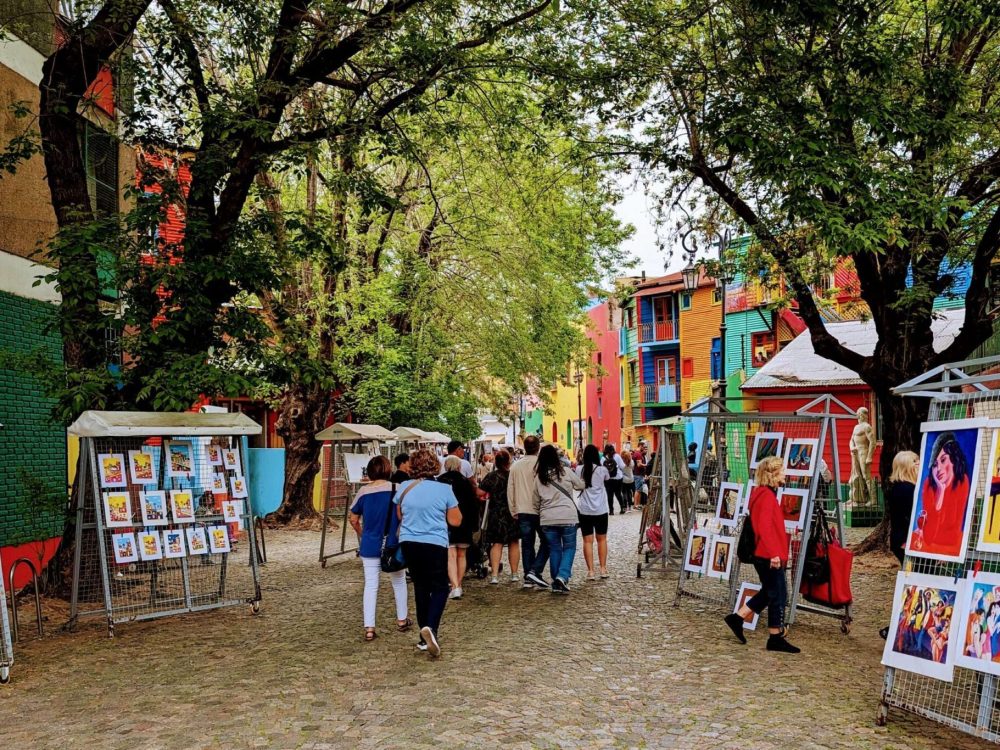
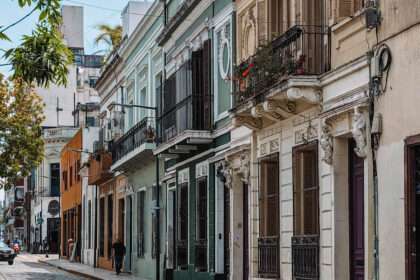
San Telmo · Buenos Aires, Argentina
Latin America
Argentina Travel Guide
One of the most geographically diverse countries on earth, stretching from the subtropical north to the end of the world in the south.
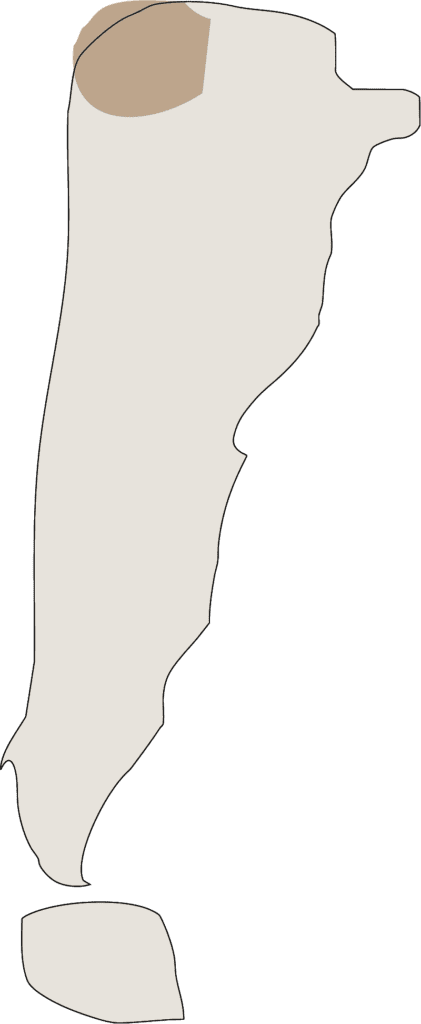
Argentina does not sit still. The country spans 3,700 kilometers from the Bolivian border to Cape Horn, and the difference between its regions is not subtle. Buenos Aires is a city of European architecture and late-night culture. Patagonia is open wilderness. The northwest is indigenous, ancient, and arid. Mendoza is wine country. Iguazu is one of the most extraordinary natural features on the planet. No other country in South America asks you to make as many choices.
Kevin and Melina have personally traveled Argentina extensively, spending time in Buenos Aires, Patagonia, Mendoza, Salta, Jujuy, Bariloche, Ushuaia and the Valdes Peninsula. Every itinerary and recommendation on this page comes from traveling within those regions. This guide covers where to go, how long to spend, what to know before you arrive, and how to navigate Argentina once you are there.
Argentina at a glance
Language
Spanish
Capital City
Buenos Aires
Currency
Argentine Peso
Budget Range
$ - $$
Best time to visit
Depends on where you're going. October to November and March to April are the sweet spots that work across most of the country with shoulder season pricing, manageable weather, fewer crowds. Patagonia specifically runs December to February. More detail in Planning your trip.
Typical trip length
You will need two weeks to discover one or two regions. And consider spending three to four weeks in Argentina to combine the Patagonia region, Buenos Aires, and the northwest without feeling rushed.
Most nationalities enter visa-free for up to 90 days. Some passport holders require a visa in advance so check your country's requirements before booking.
Quick Resources to Plan Your Trip to Argentina
Explore by Region
Regions of Argentina

Argentina’s capital and cultural heartbeat. A city of European architecture, late-night dining, tango, and neighborhoods distinct enough to feel like separate cities.
Entry point for most trips

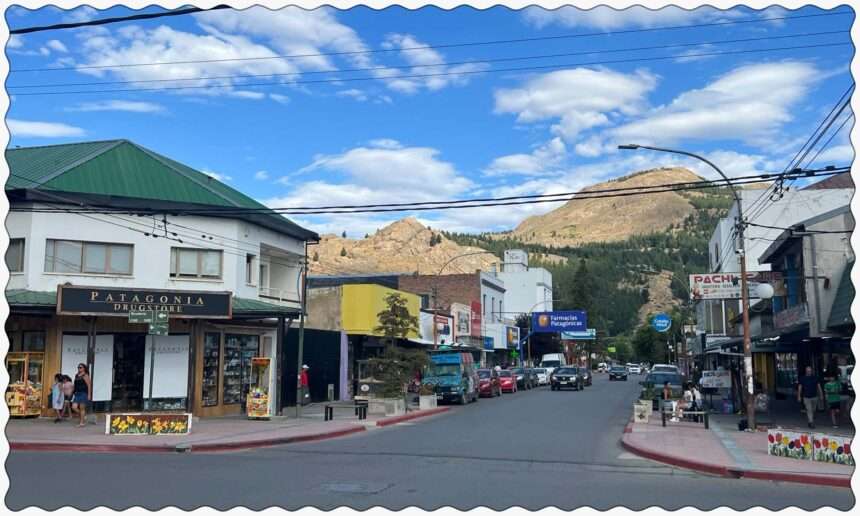
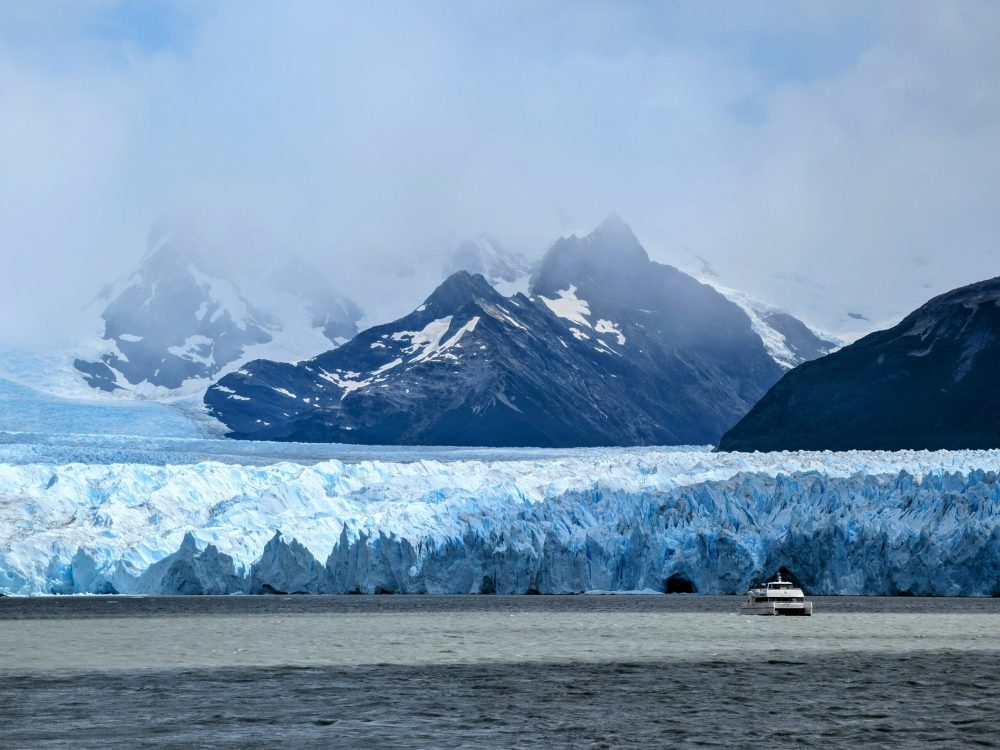
The wilderness end of the world. Perito Moreno Glacier, El Chalten, and Ushuaia: the destinations that define Argentina’s reputation for dramatic landscapes.
~3 hr flight from Buenos Aires

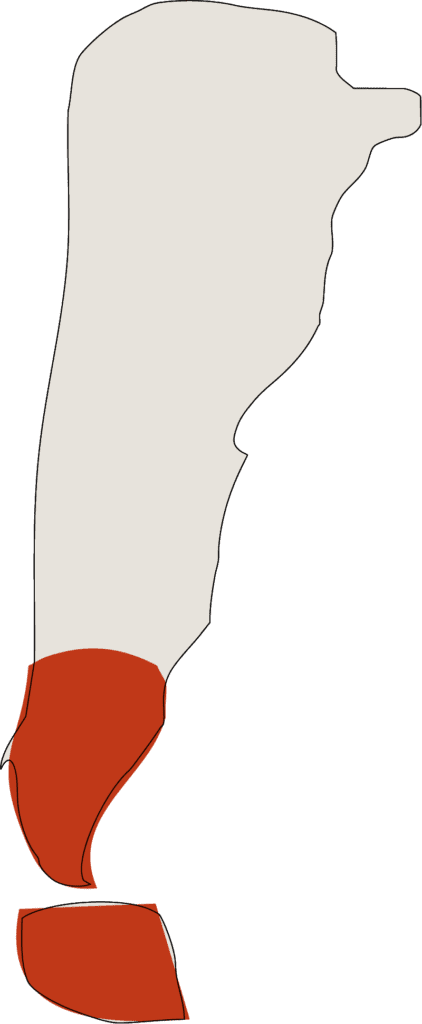
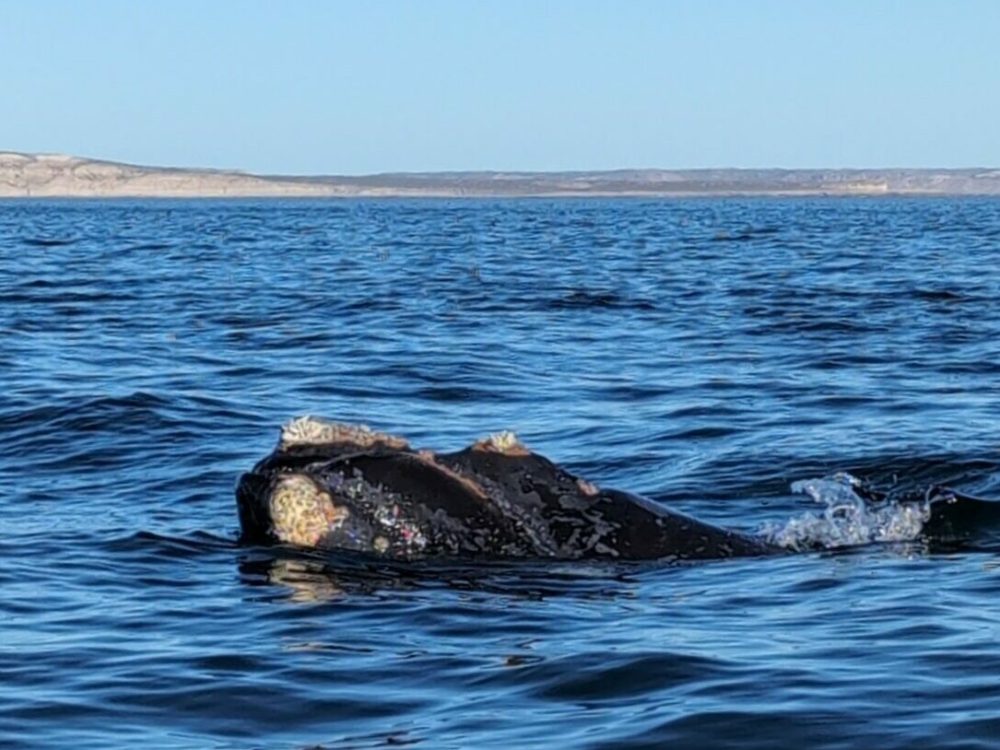
From the lake district to the coast. Bariloche, Valdes Peninsula and the road between them, a part of Patagonia with outstanding wildlife and autumn color.
~2.5 hr flight
from Buenos Aires

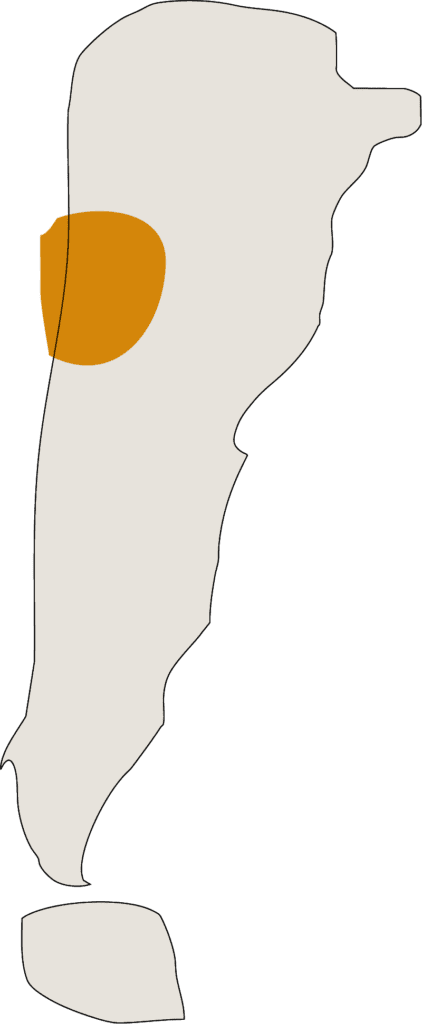
Argentina’s wine country, sitting at the foot of the Andes. The place for Malbec, bodegas, and some of the highest-altitude vineyards in the world.
~2 hr flight from Buenos Aires

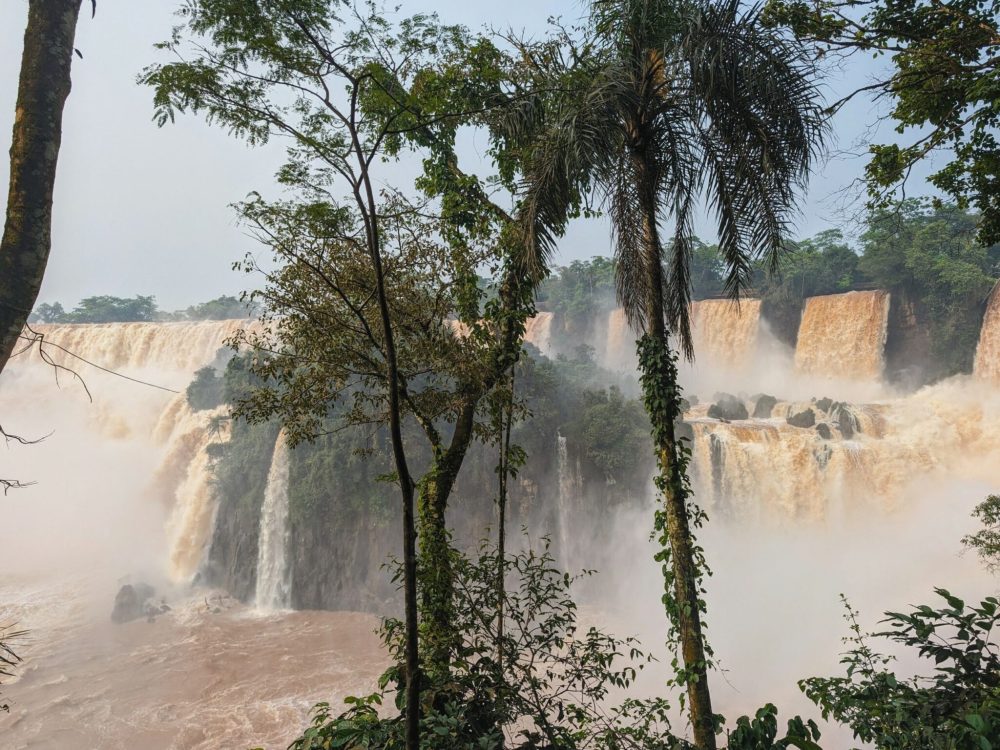
One of the largest waterfall systems on the planet, shared with Brazil. The Argentine side is the better side with more trails, more viewpoints, more time inside the falls themselves.
~2 hr flight from Buenos Aires

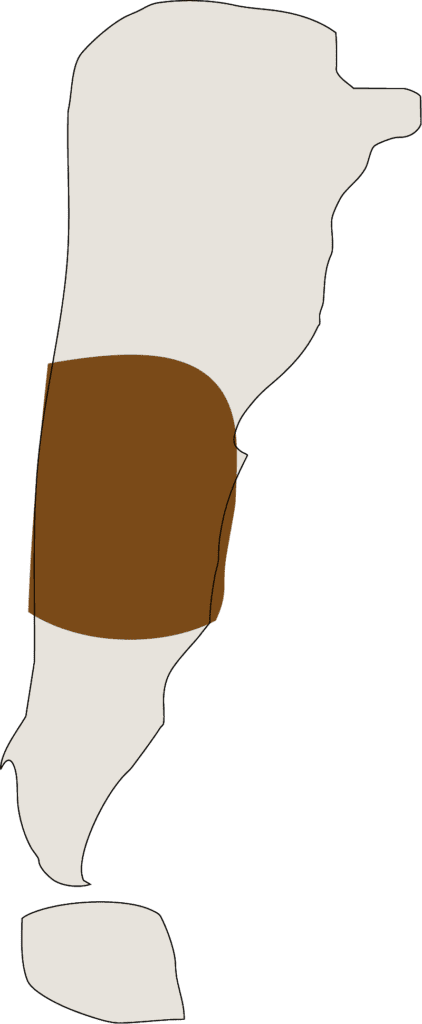
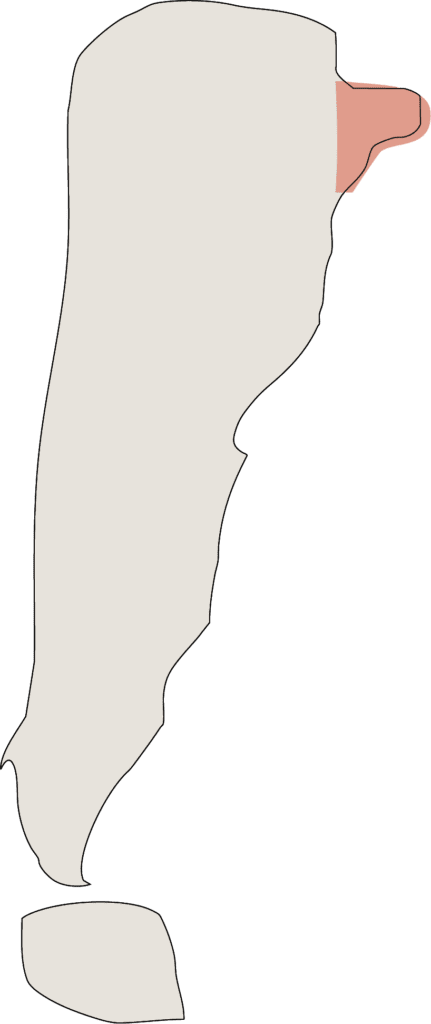
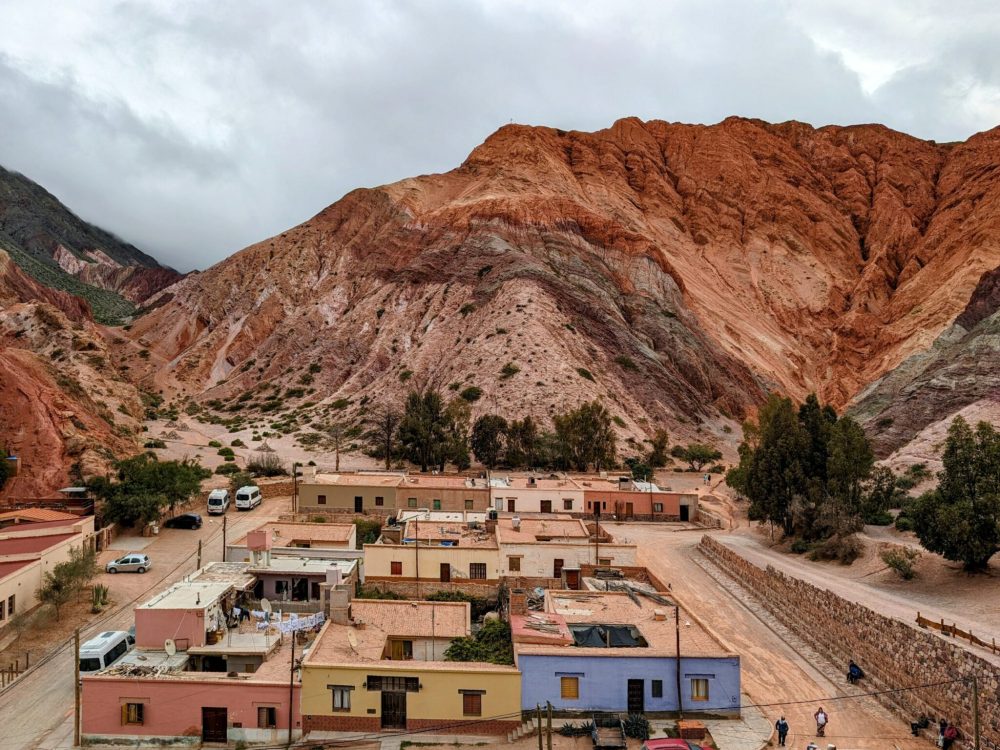
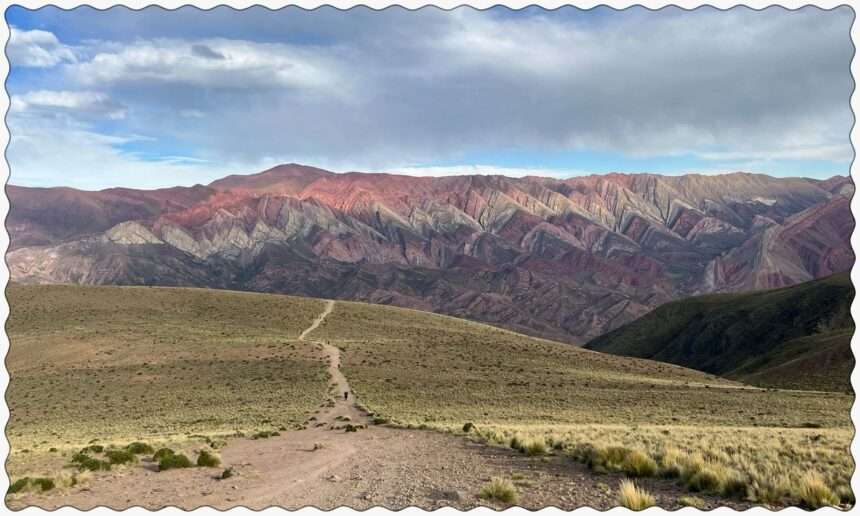
The northwest. Ancient indigenous culture, adobe villages, salt flats, and the extraordinary color of the Quebrada de Humahuaca, visually unlike anywhere else in Argentina.
~2 hr flight from Buenos Aires
Where to Go
Featured destinations
Buenos Aires
Argentina’s capital and cultural heartbeat. A city of European architecture, late-night dining, tango, and neighborhoods distinct enough to spend a few days exploring without covering the same ground twice.
Ushuaia
The southernmost city in the world, where the Andes meet the Beagle Channel. Glaciers, remote wilderness and end-of-the-world atmosphere that makes Ushuaia unlike anything else in Argentina.
Bariloche
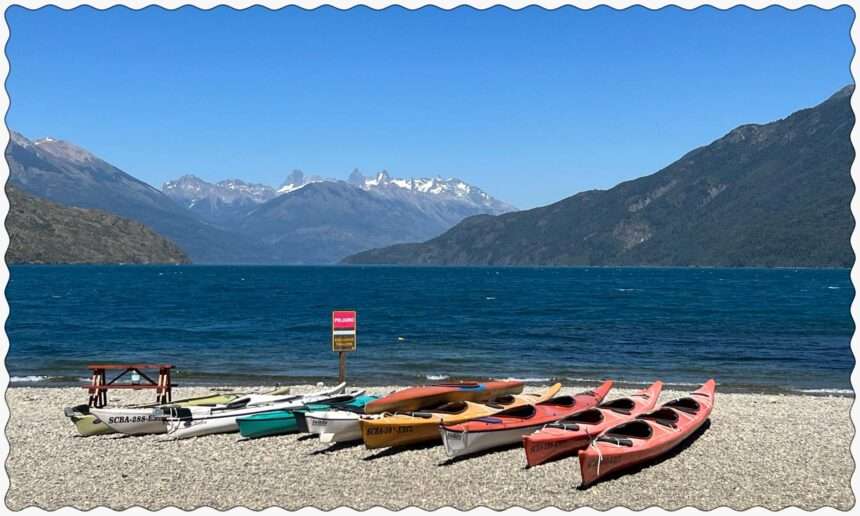
Northern Patagonia’s Little Switzerland, set on the edge of a deep glacial lake. European architecture, world-class chocolate and mountain scenery that makes it one of Argentina’s most rewarding stops.
Mendoza
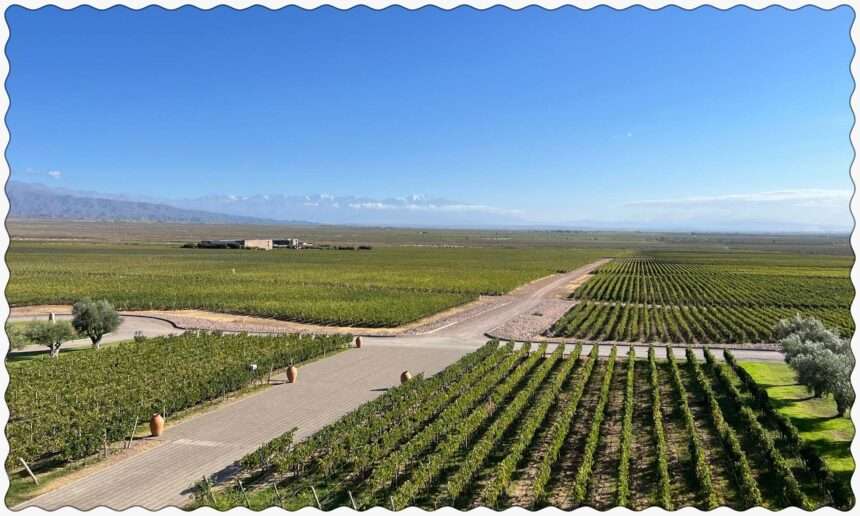
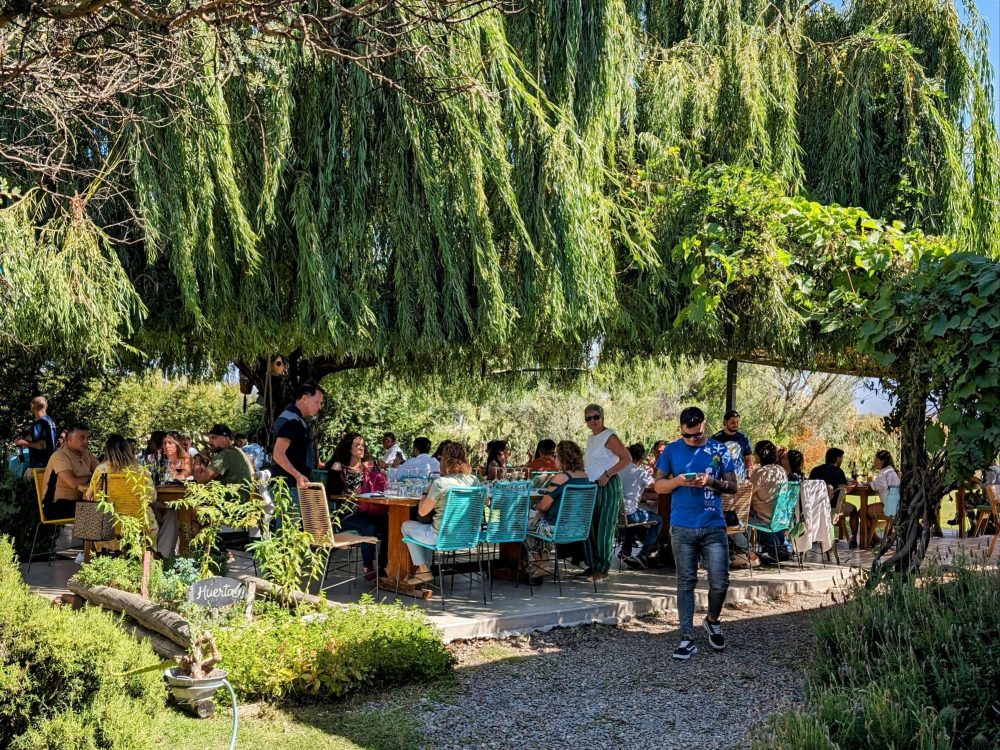
Argentina’s wine capital, where the Andes and Aconcagua frame vineyards sitting at some of the highest altitudes in the world. The food scene and the Alta Montana tour make it far more than just wine.
Plan your trip
Itineraries
Every itinerary below was built from personal travel. Kevin and Melina have done each route themselves, from the Buenos Aires neighbourhoods to the end of the world in Ushuaia. Use the region sections to find your destination, or reach out if you need help building a full trip.
Buenos Aires Area
Mendoza
Iguazu Falls
Salta + Jujuy
itineraries coming soon
Before you book
Planning your trip
Best time to visit
Argentina spans enough latitude that the answer genuinely changes by region. For Buenos Aires and Mendoza, October to November and March to April are the sweet spots: manageable temperatures, fewer crowds and better prices. Avoid January in Buenos Aires if heat is a concern; in addition, the city feels empty during January because locals leave the city for their own holidays during that month and small businesses may be closed.
Patagonia runs on its own schedule. Southern Patagonia opens properly in November and peaks December to February, with long days and the best trekking conditions. Bariloche and the north are accessible year-round but most spectacular in autumn (March to May) when the foliage turns. Avoid June to August in Patagonia unless skiing is the plan.
How long do you need
Two weeks is the minimum to do Argentina justice across two or three regions. A typical two-week trip combines Buenos Aires (three to four days), one Patagonia destination (four to five days) and either Mendoza or the northwest (three to four days), with travel days factored in. The distances are real: Buenos Aires to Ushuaia is a three-hour flight. Trying to cover more than three regions in two weeks means spending more time in transit than in place. Three to four weeks opens up the full country, including Bariloche, the Valdes Peninsula and the northwest without feeling rushed.
Getting there
Buenos Aires (Ezeiza International Airport, EZE) is the main entry point for international travelers. Most flights from North America and Europe route through Buenos Aires, with direct routes from Houston, Miami, New York, Madrid, London and several other hubs. From Buenos Aires, domestic flights connect to the rest of the country.
Buenos Aires has a second airport (Aeroparque Jorge Newbery, AEP) that primarily serves domestic flights and is conveniently located within the city. Use this airport when looking for domestic flights. Aerolineas Argentinas and LATAM are the primary domestic carriers. Book domestic flights early, particularly for Patagonia routes in peak season (December to February), as they sell out and prices increase significantly closer to the date.
Budget
Argentina is good value for visitors paying in US dollars or euros. A comfortable trip, including accommodation, meals at good restaurants and activities, typically runs between USD 100 and USD 200 per person per day depending on region and pace. The budget can definitely be lower than this if you look to stay at hostels and eat street food. It can also be much higher than this when considering more comfortable or luxurious accommodations, restaurants, tours, experiences, etc. Argentina is incredibly versatile for a variety of budgets. Patagonia is more expensive than Buenos Aires, particularly accommodation and tours.
Historically, cash was a necessity in Argentina but the country has been shifting towards accepting credit cards everywhere. However, cash remains important throughout the country. If you do want to exchange money, consider bringing US dollars or euros in clean, unmarked bills. 100 dollar or 100 euro bills is preferred to exchange at official exchange houses. You can read more about cash expectations and getting cash in the “When you’re there” section.
On the ground
When you're there
Getting around
Domestic flights are the practical choice for covering Argentina’s distances and traveling between the various regions. Buenos Aires to Ushuaia or El Calafate is three hours by air and two days by bus. Within cities, Uber works reliably in Buenos Aires and most larger cities. In Patagonia, renting a car is worth serious consideration, but it can also be thoroughly explored by comfortable and reliable coach buses.
Language
Spanish is the language throughout Argentina, with a distinctive accent that sounds noticeably different from Spanish spoken elsewhere in Latin America. The most useful things to know: Argentines say “vos” instead of “tú,” greetings are warm and unhurried, and “buen provecho” said to someone eating is always appreciated. A few key phrases:
hola
OH-la
hello
gracias
GRAH-see-ahs
thank you
por favor
POHR FAH-vohr
please
no entiendo
NOH ehn-tyEN-doh
I don’t understand
¿Hablas inglés?
hah-BLAHS een-GLEHS
do you speak english?
¡chau!
CHOW
bye
¿Dónde está el baño?
DOH-ndeh ehs-TAH EHL BAH-nyoh
where is the bathroom?
buen provecho
BWEN proh-VE-choh
Enjoy your food or meal. (People may use the phrase as they walk by someone eating when in a restaurant. Waiters will say this phrase when they serve you your meal)
Cash and tipping
Cash remains important throughout the country, especially for tipping. You will also find that some establishments provide a small discount for paying in cash. As a tourist, you can absolutely get by without much cash, but make sure you ask businesses if they accept credit cards if you want to avoid exchanging currency. Many local restaurants, markets and smaller establishments only accept cash, and most tipping is done in cash. For free walking tours, tip around USD 10 to 20 per person directly to the guide.
Getting Cash in Argentina
There are a few options for you to get cash in Argentina. The easiest is to take money out of the ATMs but they have a low withdrawal limit and fees. You can also bring US dollars or euros in clean, unmarked bills to exchange at official exchange houses (casas de cambio). 100 dollar or 100 euro bills is preferred to exchange at official exchange houses.
You may have heard about the “blue market”, an underground currency exchange. Historically, you would have been able to get a favorable exchange rate on this market, although illegal. Today, the exchange rate between the blue market and official exchange houses is very similar and the effort of negotiating on the illegal market makes that difference negligible.
Meal periods
Argentine meal times run later than most visitors expect. Breakfast is light and finished by 10am. Lunch runs noon to 3pm and is the main meal of the day. Merienda (an afternoon snack, usually a pastry and coffee) happens around 5pm. Dinner rarely starts before 9pm and restaurants do not fill until 10pm or later. If you are going to a social event after dinner, do not be surprised if it begins after 11pm. Adjust your expectations early and the rhythm becomes one of the most enjoyable things about being in Argentina.
El mate
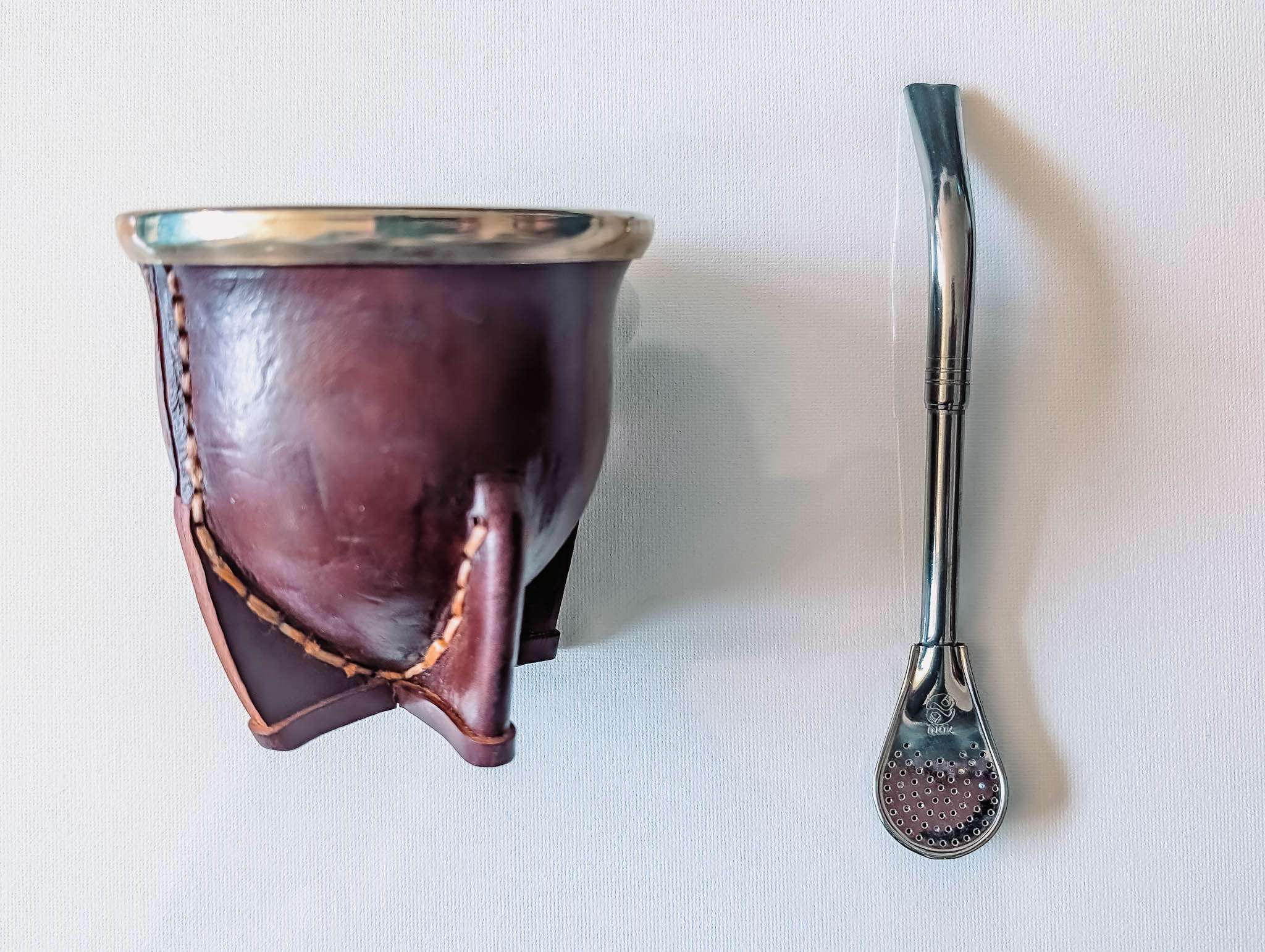
Mate is Argentina’s national drink and a genuine cultural institution. You will see people carrying a gourd and metal straw everywhere, from parks to offices to bus stations. It is an herbal drink shared communally: one person pours, drinks, refills and passes. If someone offers you mate, accepting is a gesture of connection.

When you have had enough, say “gracias” and you will be passed over on the next round. Do not move the straw and make sure to finish the liquid completely before handing it back.
Regional diversity
Argentina changes dramatically between regions and the differences go beyond landscape. Buenos Aires is urban and European in character. Mendoza has the pace of wine country. Patagonia is remote and elemental. The northwest, around Salta and Jujuy, has a culture tied closely to indigenous heritage with a completely different food, music and visual identity. If your trip covers more than one region, allow a day on each end to adjust rather than moving straight from one to the next.
All Articles
All Argentina travel guides
What to Do in Buenos Aires (A 3 Day Itinerary)
Let's help you with what to do in Buenos Aires. This includes a 3 day itinerary to experience the history, culture, architecture, and food.
Visiting Tigre Buenos Aires: The Perfect Day Trip
How to visit Tigre Buenos Aires to get outside of the busy city as an easy day trip and what to do to best experience the unique delta life.

Visit San Antonio de Areco: A Traditional Gaucho Town near Buenos Aires
A day trip to the traditional town of San Antonio de Areco to discover the gaucho culture and Dia de Tradicion outside of Buenos Aires within rural Argentina.
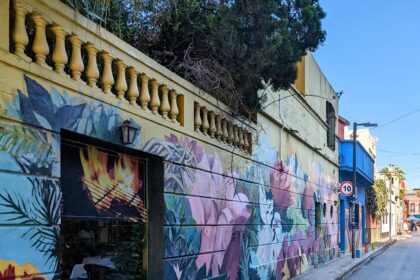
The 3 Best Areas to Stay in Buenos Aires
The best areas to stay in Buenos Aires and what makes each of them incredibly unique. This can help you determine the neighborhood for you.
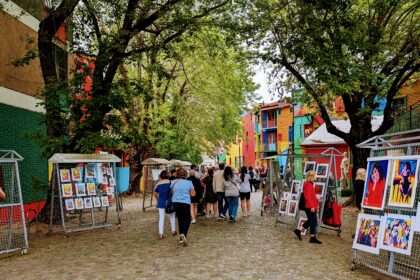
The Free Buenos Aires Walking Tours that Are Worth It
The various free Buenos Aires walking tours in different neighborhoods and the benefits of these local historical and cultural tours.
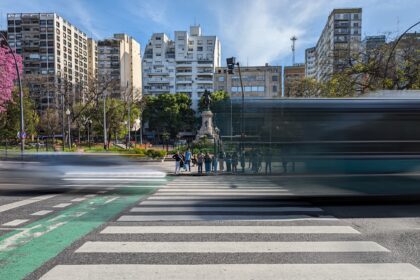
The 5 Easiest Ways to Navigate the Buenos Aires Transportation
The modes of Buenos Aires transportation to visit, experience, and navigate the capital city of Argentina in a safe and enjoyable manner.
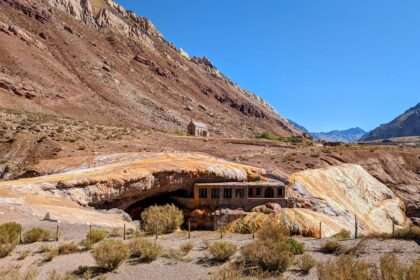
Best Things to Do in Mendoza (A 3 Day Itinerary)
The top things to do in Mendoza, including a 3 day itinerary. Here's how you can explore the vineyards and discover the high Andes Mountains around Mendoza, Argentina.
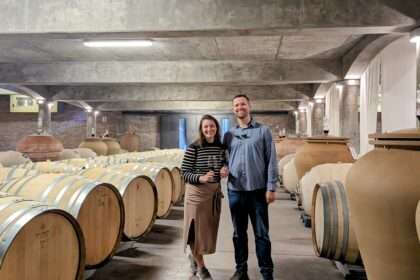
Your Guide to Visiting the Best Mendoza Wineries
A breakdown of how to visit the best Mendoza wineries including recommendations on where to visit for delicious food and drinks.
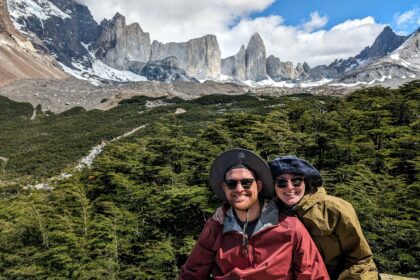
Traveling to Patagonia in Summer: Everything You Need to Know
After spending months traveling through the Patagonia regions of Chile and Argentina, we share everything to know about traveling to Patagonia during the summer.
The Best Routes to Bus Through Southern Patagonia
A breakdown of the major routes, options, and travel to help you bus through Southern Patagonia, everywhere between Ushuaia and Bariloche in Chile and Argentina.
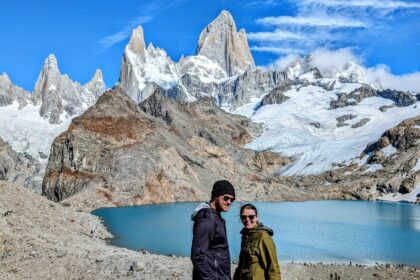
What to Do in El Chalten When It Rains (Or Shines)
The variety of activities when considering what to do in El Chalten for a weekend, even if it is raining. We also list the various popular hikes in El Chalten.
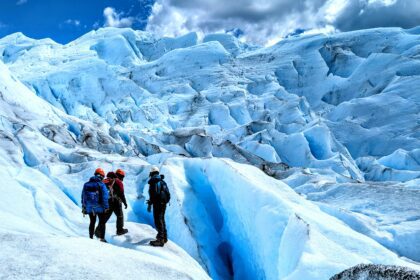
What to Do in El Calafate: The Best Attractions and Experiences
An overview of what to do in El Calafate in Patagonia, including glacier trekking, hiking, and other adventure and nature activities
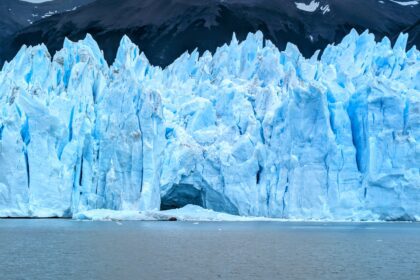
Perito Moreno Mini Trekking: What to Expect
The experience of the Perito Moreno mini trekking on a glacier, including what to expect and if the adventure is worth it when in El Calafate.
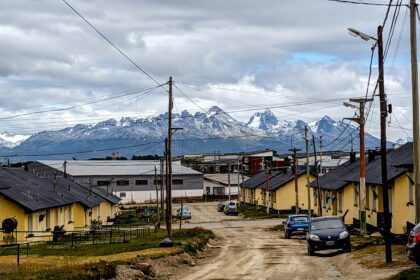
Best Things to Do in Ushuaia (A 4 Day Itinerary)
The best things to do in Ushuaia and how to structure your time in the town to explore, hike, and discover the area over a few days.
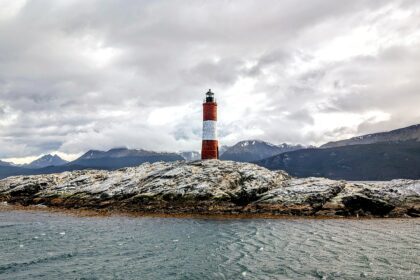
Tour Options to Sail the Beagle Channel Ushuaia
The different options to visit the Beagle Channel Ushuaia and the experience of boating through this unique archipelago to see the beautiful landscape around.
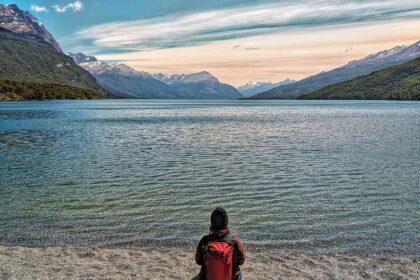
The Best Way to Visit Tierra del Fuego National Park
The top things to do in Tierra del Fuego National Park and the best way to see the highlights of the national park at the end of the world.
Traveling to Patagonia in Summer: Everything You Need to Know
After spending months traveling through the Patagonia regions of Chile and Argentina, we share everything to know about traveling to Patagonia during the summer.
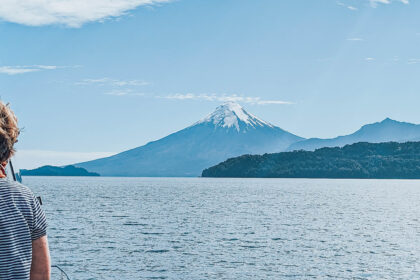
Cruce Andino: How to Cross Between Chile and Bariloche by Land
The different options to cross between the lake areas of Patagonia in both Argentina and Chile and the value of the experience of the Cruce Andino.
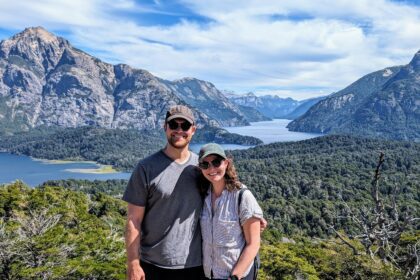
Getting the Most Out of the Circuito Chico, Bariloche
A guide to maximizing your experience on the Circuito Chico of Bariloche by biking, hiking, and seeing beautiful views (map included)
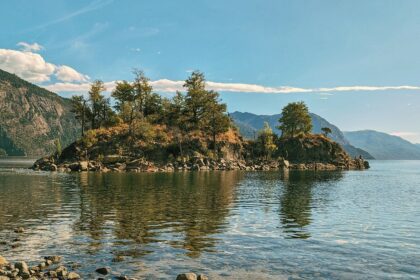
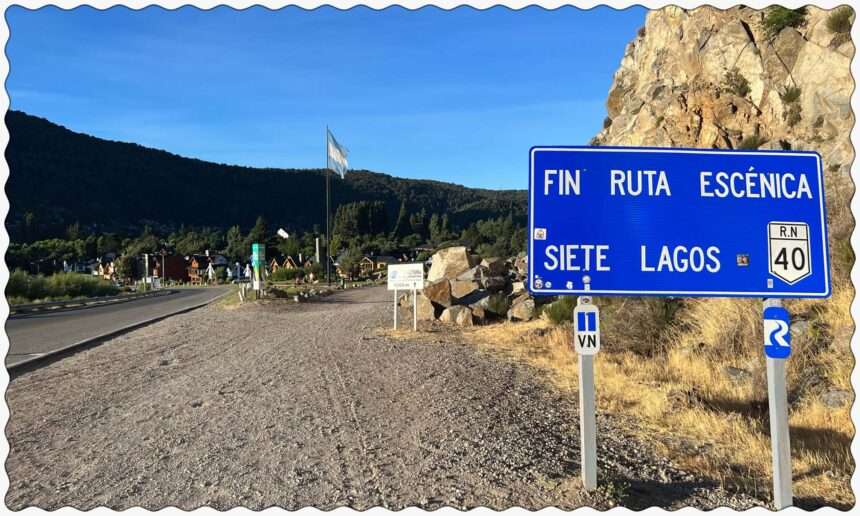
The Route of the Seven Lakes: A Stop by Stop Guide
A comprehensive guide to visiting the Route of the Seven Lakes. It includes a map of the route, the stops, various activities, and helpful tips for the journey.
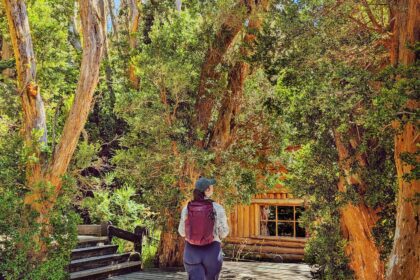
What to Do in Bariloche (Itinerary Included)
The complete guide to visiting this area including where to stay, what to eat, and what to do in Bariloche to best explore the adventures of the Lake District.
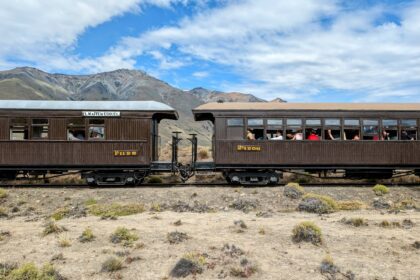
Esquel, Argentina: Best Place to Stop Between El Calafate and Bariloche
If your looking for where to stay between El Calafate and Bariloche, look no further. Learn about what you can do in the lesser-known Esquel, Argentina.
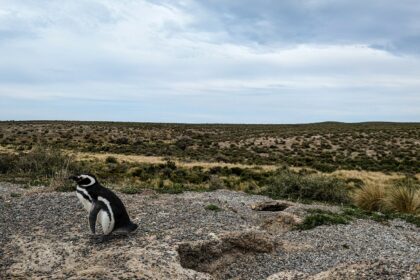
How to Visit Punta Tombo and Walk with Penguins
Within the Atlantic Patagonia region is the largest colony of Magellanic Penguins. How you can visit and walk with them in Punta Tombo.
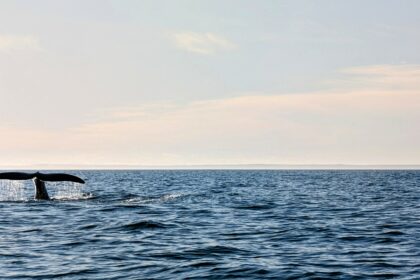
Whale Watching in Puerto Madryn on the Valdes Peninsula
The main reason people visit the Valdes Peninsula is to see the southern right whales. Learn about whale watching in Puerto Madryn and the best way to see them.
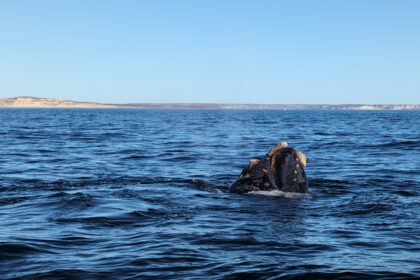
The Best 4 Day Itinerary for the Valdes Peninsula
A 4 day itinerary to explore the Valdes Peninsula, including how to see the wildlife and maximize your time in the Atlantic Patagonia region.
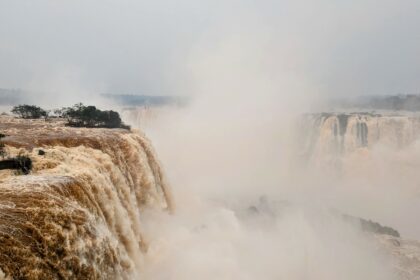
Iguazu Falls from Brazil Side: All You Need to Know
A breakdown of a day exploring the Iguazu Falls from the Brazil side, including all the tips and tricks to best enjoy the falls.
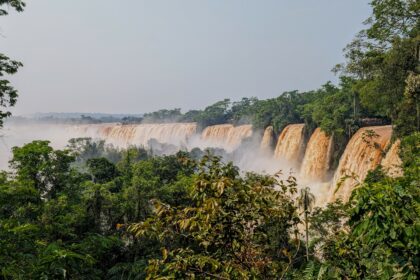
Iguazu Falls from the Argentina Side: All You Need to Know
A breakdown of a day exploring the Iguazu Falls from the Argentina side, including all the tips and tricks to best enjoy the falls.
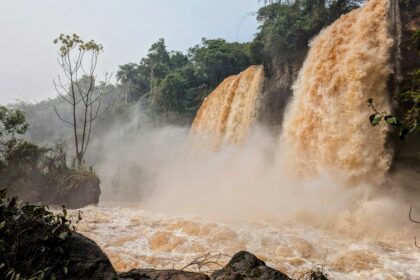
The Best 3 Day Iguazu Falls Itinerary (Argentina and Brazil)
The best Iguazu Falls itinerary to visit, explore, and walk the Argentine and Brazilian sides of the famous Iguazu waterfalls.
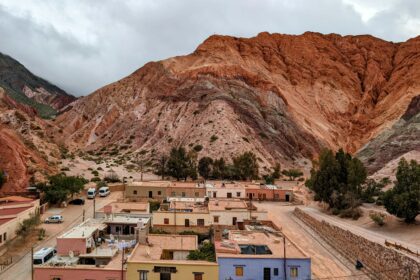
The 15 Best Things to Do in Salta
A summary of the best things to do in Salta to discover the unique landscapes, history, and culture of the high Andes mountains of Argentina.
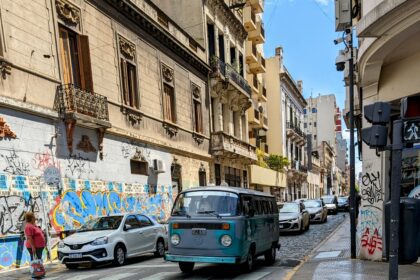
Argentina Overviews
Is Argentina a Safe Country to Travel In? (It Is!)
Is Argentina a safe country to visit? Absolutely, but consider these various things regarding the cities, walking, hiking, driving, etc. Read more to find out.
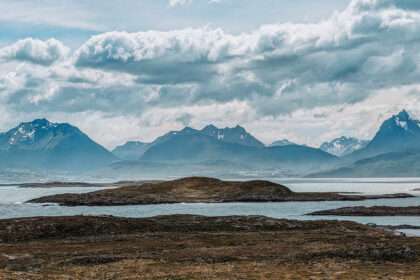
The Top 10 Things to Do in Argentina
The top 10 things to do in Argentina for your vacation according to Blueprint Travelers. Let this inspire your next vacation in this country.
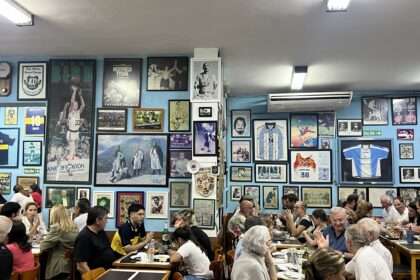
Best Argentina Restaurants by Region: Blueprint Recommendations
The Argentina food and drinks that you should try and where to try them while visiting the entire country to dive into local culture.

Argentina Food and Drinks
The Argentina food and drinks that you should try and where to try them while visiting the different regions of the country to dive into local culture.
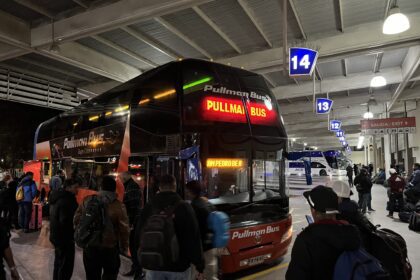
How to Cross the Border Between Chile and Argentina without Flying
Curious about how to cross the border between Chile and Argentina without flying? Here is the info for the most popular land crossings between the two countries.
First-Hand
How we've traveled Argentina
Greetings from...