
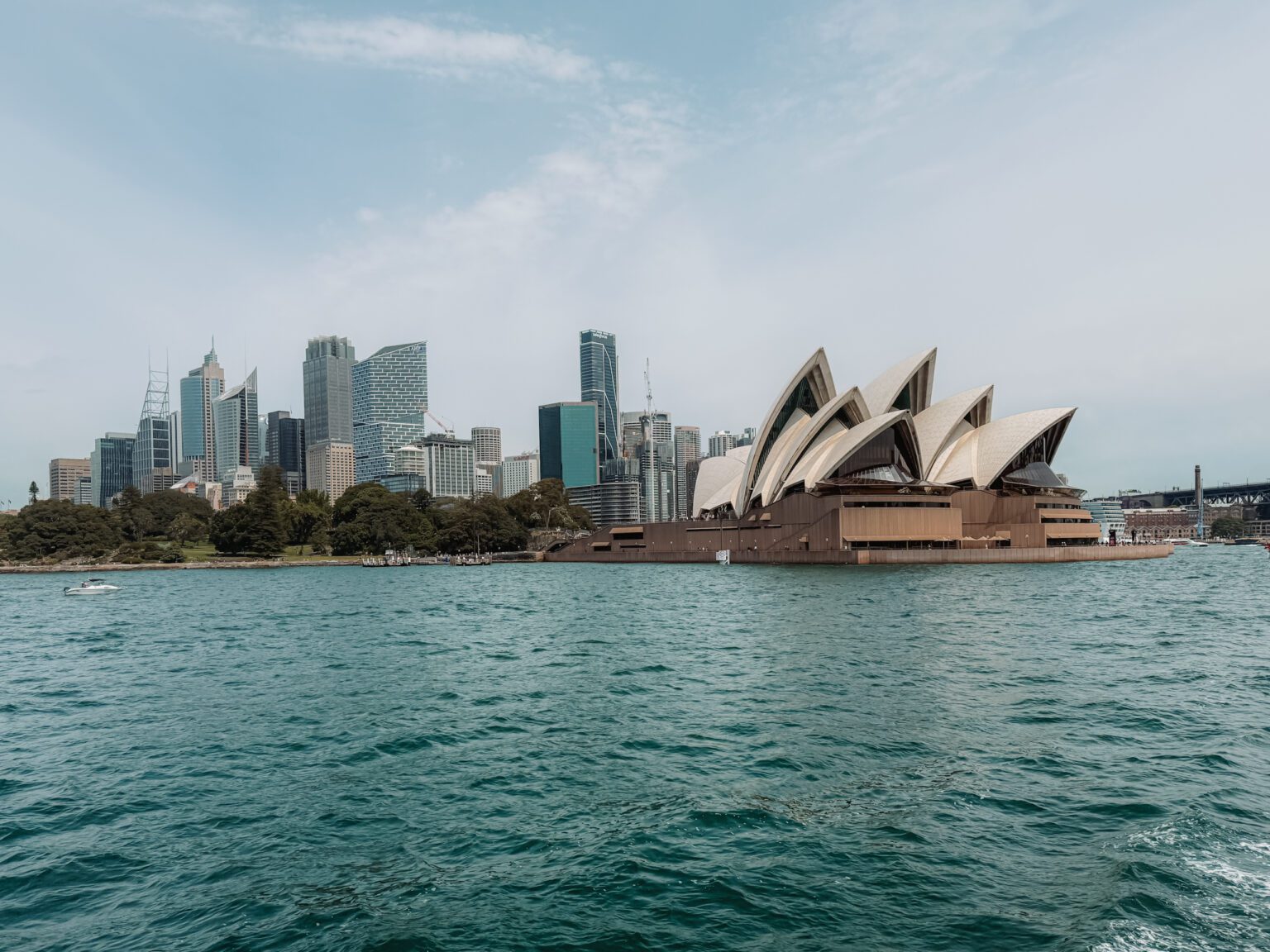
Sydney Harbor · Sydney, Australia
Australia Travel Guide
A vast, sun-soaked land of vibrant cities, ancient landscapes, and unique wildlife, where adventure meets laid-back culture.
Language
English
Capital City
Canberra
Currency
Australian Dollar
Budget Range
price
Best time to visit
Australia spans tropical, desert, and temperate zones over a continent-sized area. The north and the center are best May through October. The south is best December through February. If you want one window that works almost everywhere, take September through November or March through May.
Typical Trip Length
Plan in regions rather than days. Ten days covers two regions, fifteen days covers three, and three weeks lets you add a fourth or slow down considerably. Anything under a week is hard to justify, especially with long flight times to the country.
Most US and Canadian passport holders need an ETA, applied for through the Australian ETA app for a small fee. UK, EU, and most other European passport holders use the eVisitor, which is free. Both allow stays of up to three months per visit. Apply at least a few days before travel and check requirements for your passport before booking. Some passport holders require a visa in advance so check your country's visa requirements before booking.
Quick Resources to Plan Your Trip to Australia

Sydney + New South Wales
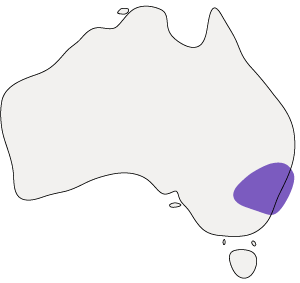
Where nearly every trip begins. A harbor city that earns its reputation, plus canyon country, wine country, and the national capital all within a few hours of it.
Entry point for most trip
Brisbane and the Gold Coast
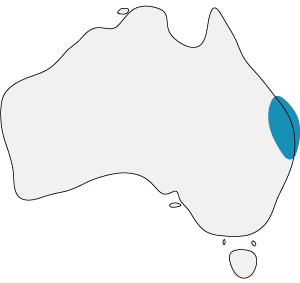
A subtropical river city sitting between two very different coastlines. High rises and surf breaks to the south, quieter green hinterland to the north.
~1.5 hr flight from Sydney
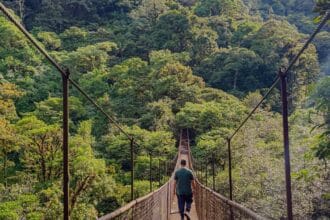
Tropical North Queensland
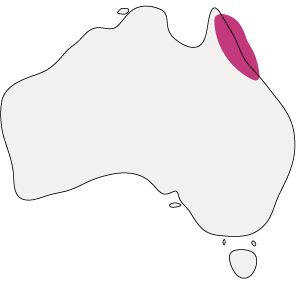
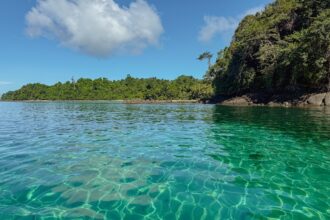
The only place on earth where rainforest this old meets a reef this large. Cairns sends you out to both, often on consecutive days.
~3 hr flight from Sydney
The Top End
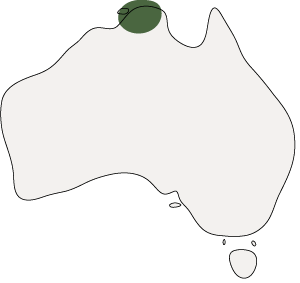
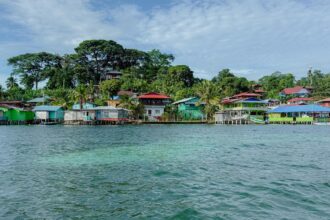
Closer to Jakarta than to Sydney, and running on wet and dry rather than four seasons. Wetlands, waterfalls, and ancient rock art within reach of Darwin.
~4.5 hr flight from Sydney
The Red Center
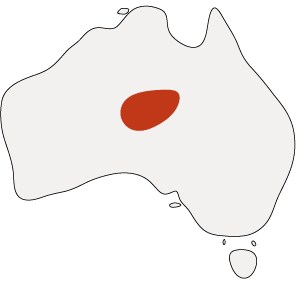
The middle of the continent. Uluru, the domes of Kata Tjuta, and a canyon a few hours north, in the country that gives Australia its color.
~3.5 hr flight from Sydney
Melbourne and Victoria
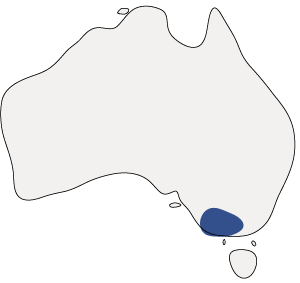
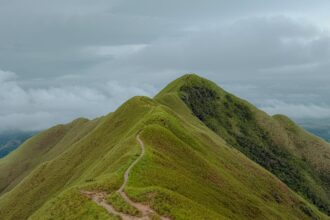
Laneways, coffee, and galleries, then one of the world's great coastal drives running west past limestone stacks toward sandstone walking country.
~1.5 hr flight from Sydney
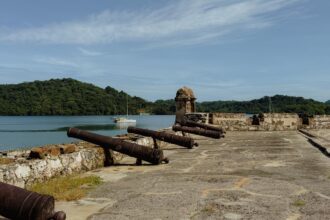
Kangaroo Island
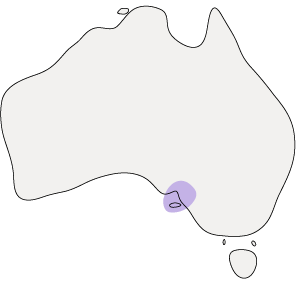
An island most visitors skip, where sea lions sit on the beach and kangaroos appear at dusk in numbers that stop being remarkable by day two.
Ferry from Adelaide
Tasmania
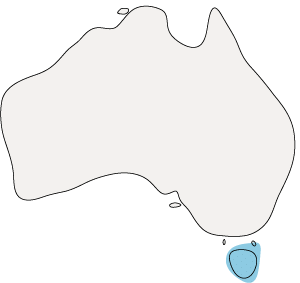
The part of Australia that Australians recommend to each other. Cold, clean air, two small cities, and the best walking country in the country.
~1 hr flight from Melbourne
Sydney
The harbor is the city, and the ferries crossing it are both transit and sightseeing. Beaches inside the city limits, the coastal walk from Bondi to Coogee, and the one building everyone already pictures when they think of Australia.
Uluru
A sandstone monolith rising 1,140 feet out of flat desert, sacred to the Anangu, and far larger in person than any photograph manages. Come for sunrise and sunset, when the color does what people cross the world to see.
Great Barrier Reef
A reef system stretching more than 1,400 miles, which means the trip you book matters more than the destination itself. Outer reef sections take longer to reach and repay it with healthier coral and better visibility.
Great Ocean Road
Roughly 150 miles of coastline west of Melbourne, ending at limestone stacks standing offshore near Port Campbell. Drive it westward so every pullout is a left turn, and give it a night rather than a day.
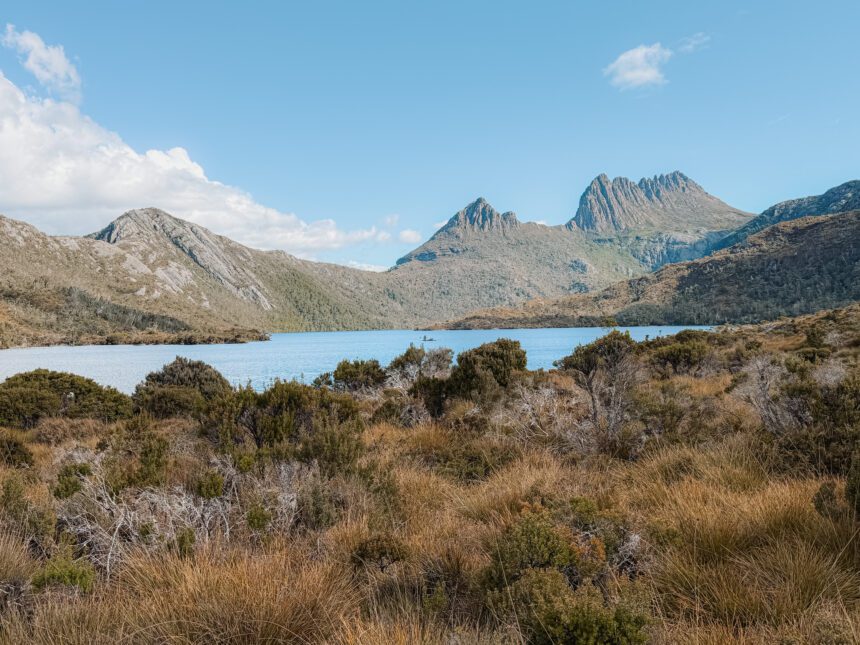
Every itinerary below was built from personal travel. Kevin and Melina have taken each of these routes themselves, from Cradle Mountain in Tasmania to the floodplains of Kakadu. Use the region sections to find your destination, or reach out if you need help building a full trip.
reach out to us
Brisbane and the Gold Coast
The red Center
Melbourne and Victoria
Kangaroo Island
Tasmania
When is the best time to visit Australia?
It depends on the region, because the country spans tropical, desert, and temperate zones. The north and the center run on a wet and a dry season, and May through October is the window for both. The south runs on four seasons, and December through February is its summer.
Off season means the wet season in the north, extreme heat in the center, and winter in the south.
For one trip across three regions, September to November or March to May gives decent conditions in most of them at once. We traveled the Top End in November, when parts of Kakadu were already closed but the waterfalls were at full force with almost nobody in front of them. We visited Uluru in November too and had excellent conditions.
How many days do you need in Australia?
Plan by region rather than by days. Fifteen days covering three regions is the sweet spot for a first trip.
10 days
Two regions. Sydney and Tropical North Queensland is the classic pairing; Melbourne and Tasmania is better if you would rather be cold than hot
Best for two regions
15 days
Three regions, for example Sydney, the Red Center, then Cairns, with flights budgeted as half days
Best for a first trip
3 weeks
Add a fourth region, or slow down considerably in three
Best for a slower pace
Good to Know
Australia is one of the longest flights in the world from North America, and the internal distances are the second problem: Sydney to Perth is five hours in the air. Anything under a week is very hard to justify.
How much does a trip to Australia cost?
A comfortable mid-range trip covering accommodation, meals, domestic flights, and activities typically runs $200 to $325 USD per person per day. Tropical North Queensland and the Red Center sit at the top of that range, Tasmania at the bottom.
The cost that surprises people is domestic flights. Distance also limits accommodation in places like the Red Center, where Yulara is the only option for hundreds of miles.
Do you need a visa for Australia?
Most US and Canadian passport holders need an ETA (Electronic Travel Authority), applied for through the Australian ETA app for a small fee. UK, EU, and most other European passport holders use the free eVisitor. Both allow stays of up to three months per visit.
Heads Up
Apply at least a few days before you travel. You cannot get one on arrival.
Is Australia safe to visit?
Yes. Our safety guide covers the wildlife, the cities, and driving, and the sun is what actually gets most visitors.
How to get to Australia
Most international travelers fly into Sydney (SYD), with Melbourne (MEL) and Brisbane (BNE) as the other main gateways. Direct flights to Sydney run from Los Angeles, San Francisco, Dallas, Houston, and Vancouver, among others, at around fifteen hours from the US West Coast.
check flights to Sydney
We earn a commission if you book through these links, at no extra cost to you.
Getting There
Consider flying into one city and out of another to save a domestic flight. Check the cost against a round trip to make the best decision for you.
Heads up
Crossing the international date line, you lose a day flying west and gain it coming home. Build that into the itinerary.
The regions are too far apart to drive between on a tight schedule, so flights connect the trip and the answer changes within each region. These are the four ways to get around, and who each one suits.
Option 1
Domestic flights
Best for moving between regions
Australia is a flying country. Qantas and Virgin Australia are the full-service carriers, with Jetstar and Rex as the budget options.
Option 2
Public transit
Best for Sydney, Melbourne, and Brisbane
Sydney runs on ferries, trains, and buses with an Opal card or contactless card. Melbourne has trams with a free zone in the city center, and Brisbane river ferries are worth riding for their own sake.
Option 3
Rental car
Best for Great Ocean Road, Tasmania, and Kangaroo Island
Where the drive is part of the experience. Driving is on the left, so give yourself an easy first drive somewhere quiet rather than central Sydney.
Compare rental cars
We earn a commission if you book through these links, at no extra cost to you.
Option 4
Guided excursions
Best for Kakadu and north of Cape Tribulation
Many rental agreements exclude unsealed roads, which quietly rules out several places. Excursions from the major hubs include transport.
Check tours on Viator
We earn a commission if you book through these links, at no extra cost to you.
Heads Up
Distances between fuel stops in the outback and on Kangaroo Island are long enough to plan around. Fill up when you can rather than when you need to.
Cards, cash, and tipping in Australia
Australia runs almost entirely on cards, and contactless payment works essentially everywhere, including small cafes and rural fuel stations. Some businesses add a card surcharge of one to two percent.
Tipping in Australia
Restaurants and cafes
Not expected or customary. Hospitality staff are paid a full wage, so leave something only for exceptional service.
Free walking tours
At least 20 AUD (about $13 USD) per person, since they run on pay-what-you-think.
Australian slang you will hear
English is the language, but Australian English carries enough of its own vocabulary to catch you out, and abbreviating everything is close to a national habit. Nobody expects you to use any of it, but you will hear it.
g'day
hello
arvo
afternoon
avo
avocado
brekky
breakfast
barbie
barbecue
frothy
beer
bloke
a man
mate
friend
bloody
absolutely
Maccas
McDonalds
thongs
flip flops
bathers
swimsuit
Aboriginal and Torres Strait Islander culture
Aboriginal and Torres Strait Islander peoples have lived on this continent for at least 65,000 years, the oldest continuing culture on earth. You will hear Welcome to Country and Acknowledgement of Country at the start of tours, events, and even domestic flights: an acknowledgement of the history of the land you are on.
Dual naming is now common and worth adopting: Uluru rather than Ayers Rock, Kata Tjuta rather than the Olgas, Gariwerd alongside the Grampians. Aboriginal and Torres Strait Islander peoples, or First Nations, are the accepted terms; where you know it, the specific nation is better still, such as Anangu at Uluru.
Australia is also home to hundreds of Aboriginal and Torres Strait Islander languages. Roughly 120 are still spoken today, and you will meet them constantly in place names.
Wildlife and sun safety in Australia
Crocodiles
In essentially every waterway across the northern third of the country. Swim only where a sign says you may.
Stingers
Box jellyfish and Irukandji make northern coastal waters unsafe from roughly November to May. Use netted beaches and stinger suits.
Snakes and spiders
Stay on marked paths. Bites are rare and antivenom is widely available.
Roads at dawn and dusk
Drive slowly. If you hit a kangaroo, check the pouch and call a local wildlife rescue.
Outback flies
A head net is not optional in the Red Center. Recent rain makes an enormous difference.
Heads Up
The sun is what actually gets most visitors. UV levels are among the highest in the world, including on overcast days. Use local sunscreen, a hat, and shade through the middle of the day.
Sports to see in Australia
Australia has a big sports culture, and a match is one of the easiest ways into it.
Australian Rules Football
March to September. A very physical contact sport on an oval field, not to be confused with American football or soccer.
Rugby
April to October, with clubs from Australia and New Zealand and an international team.
Cricket
October to March. Matches can last days; a Big Bash League game plays the shorter Twenty20 format (the format that will be played at the 2028 Olympic games.
The Australian Open
January, in Melbourne. One of tennis's four Grand Slams, with a fun, vibrant atmosphere.
Lawn bowls
Clubs across the country, similar to bocce ball or pétanque, with a ball that curves.
Through our eyes
Kangaroos appear at dusk in numbers that stop being remarkable by day two.
Kangaroo Island, Australia
Sydney + New South Wales
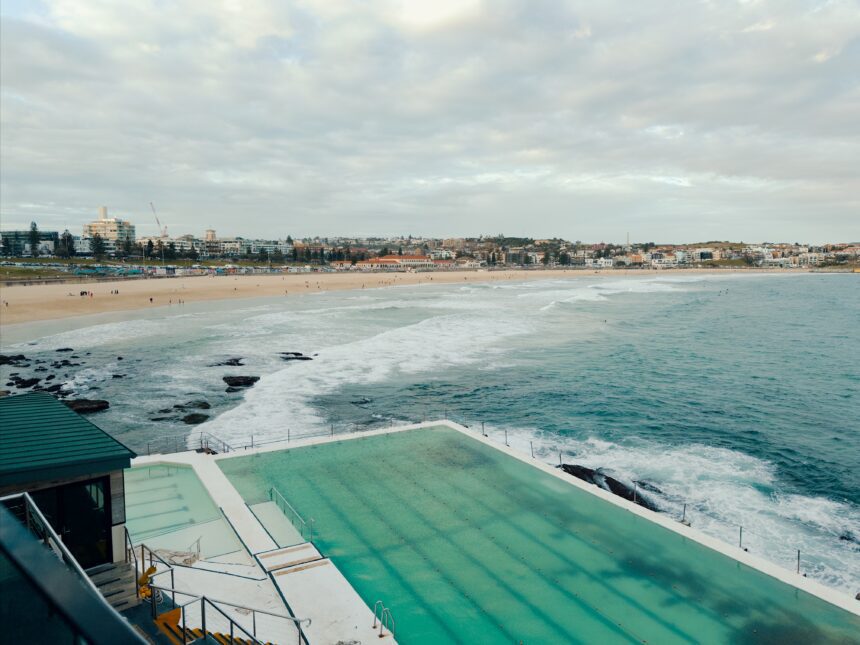
Sydney and New South Wales Travel Guide
The harbor city, and everything worth reaching within a day of it.


Brisbane and the Gold Coast

Brisbane and the Gold Coast Travel Guide
A river city sitting between two very different stretches of beach.


Tropical North Queensland

Tropical North Queensland Travel Guide
The one place where the rainforest runs straight into the reef.


The Top End
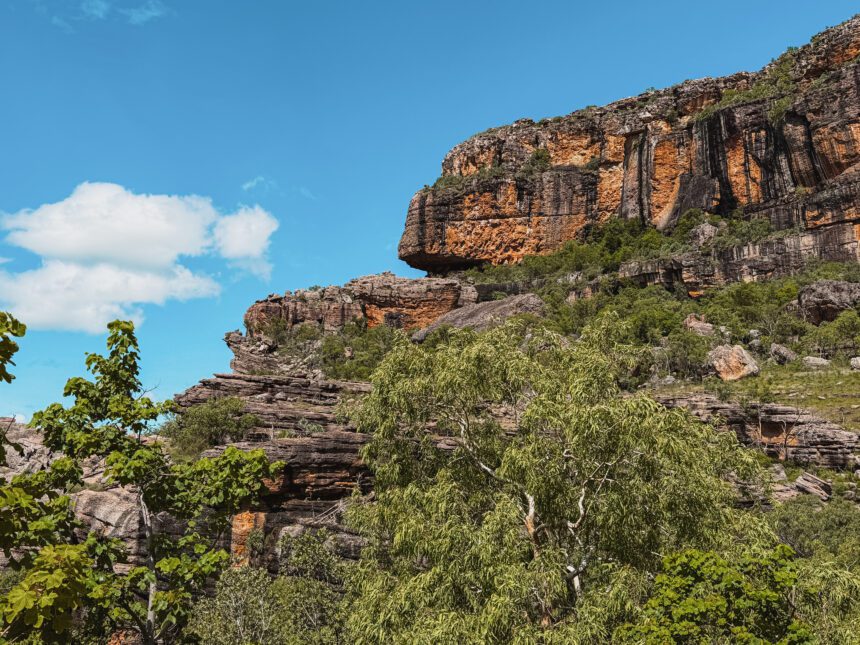


The Red Center
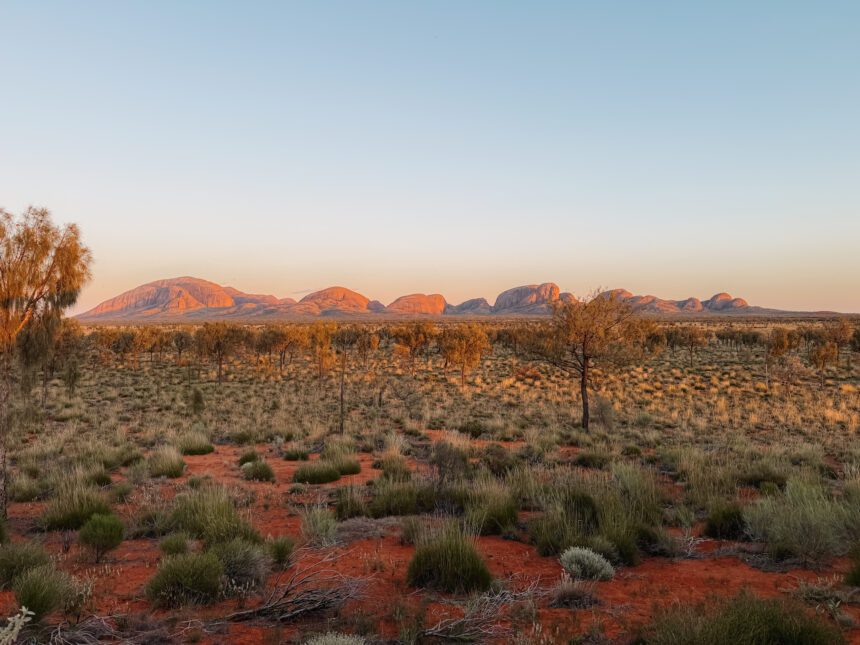
The Red Center Travel Guide
Uluru, Kata Tjuta, and the desert country that gives the continent its color.


Melbourne and Victoria


Kangaroo Island
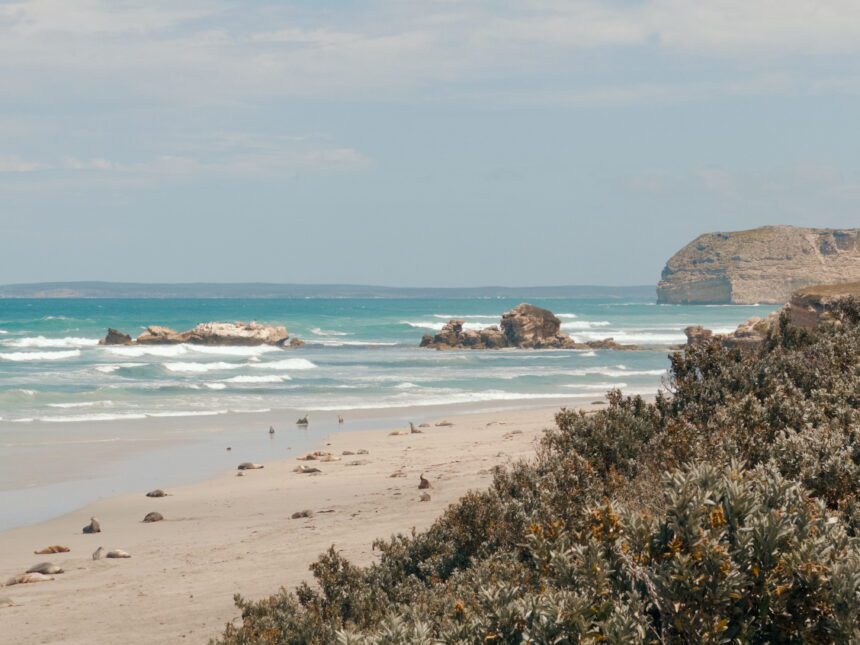
Kangaroo Island and South Australia Travel Guide
Wildlife you can get genuinely close to, on an island most visitors skip.