The Mesoamerican region, which includes Mexico, is known to be a central point from which civilization has grown and flourished, having had contiguous inhabitation for over 10,000 years. With all of that history comes interesting archaeological sites that have helped shape and define the development of human society. Visiting some of the archaeological sites in Mexico can give you insight into the culture and religion that was part of the different societies, the technology that was developed by them (particularly with astrology and agriculture), and the architecture that was particularly distinct to the people of the region.
We highlight the most popular archaeological sites in Mexico City, Oaxaca, and the Yucatan Peninsula (Cancun, Riviera Maya, and Tulum) because they are the most visited regions in Mexico by tourists. There are many other archaeological sites throughout Mexico and the surrounding countries. The sites listed below have developed tourism infrastructure and provide tours in both Spanish and English, making it particularly accessible for those visiting Mexico.
The Archaeological Sites in Mexico: Mexico City
Mexico City is the capital city of Mexico and the financial and political center of the country. The location of the capital is not accidental. It was initially the capital city of the Aztec (Mexica) empire (making it the oldest capital city in the Americas) and became the hub for the Spanish rule over this part of the world during their colonization. With this history, it is no surprise that there are a few archaeological sites in and around Mexico City to visit and the most important museum of the country is here as well. You can read more about planning your itinerary in Mexico City here.
Museo Nacional de Antropología
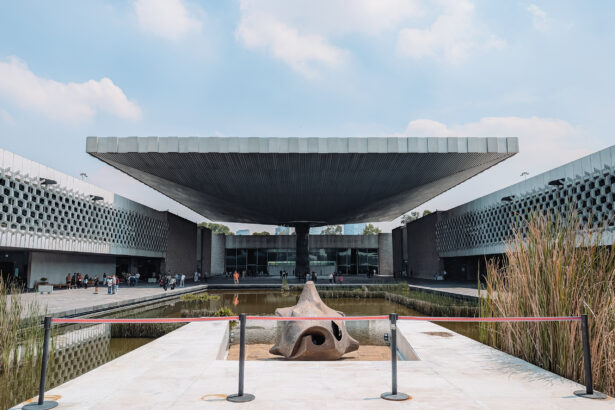
The National Museum of Anthropology is located in Mexico City and is considered one of the most important museums in the city. If you only have time to do one activity regarding archaeological sites in the entire country, then this is the place to visit.
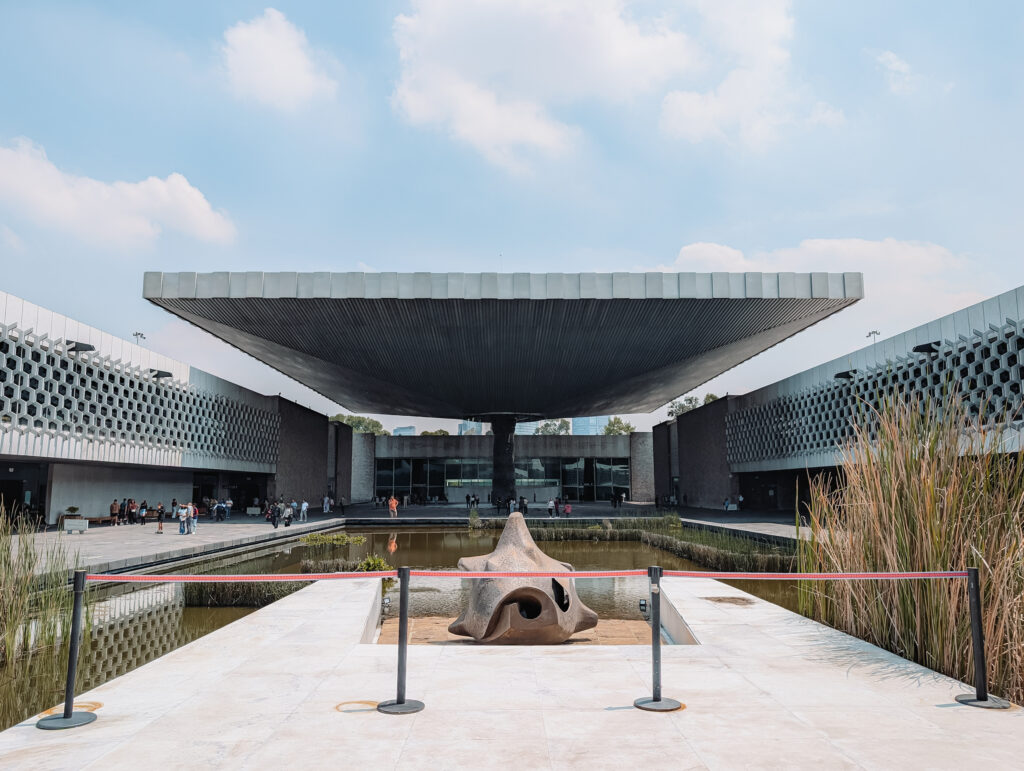
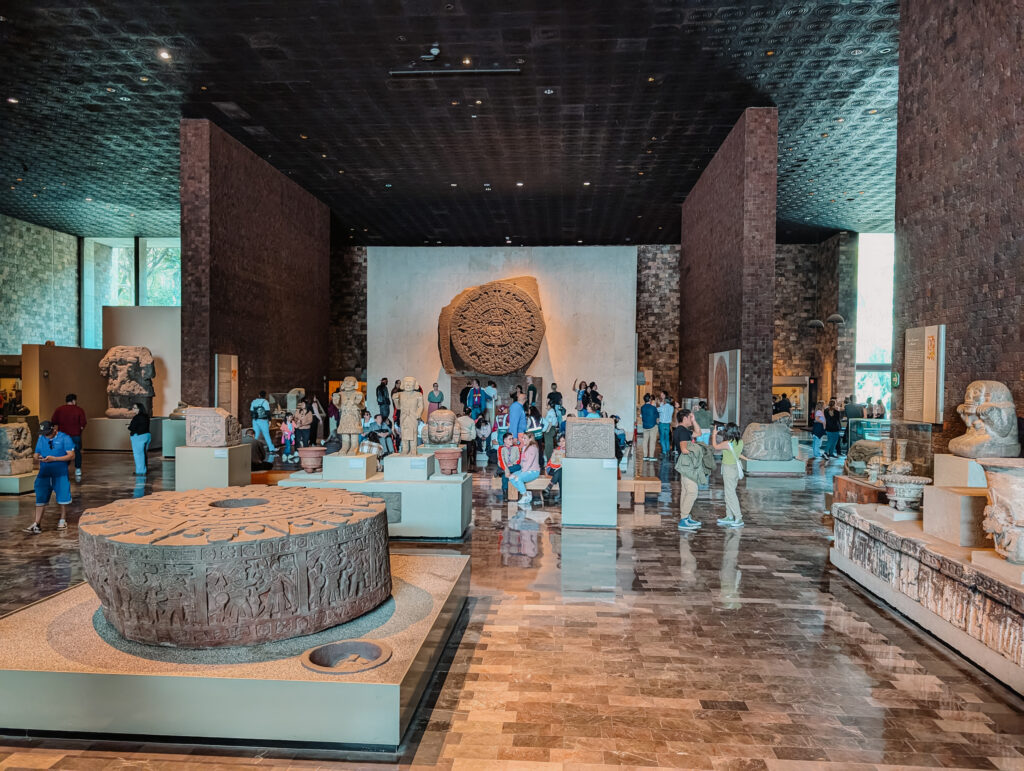
The museum goes through the different societies that have inhabited Mesoamerica over the thousands of centuries. The museum combines archaeological and anthropological artifacts to explain the historical, cultural, and technological importance of each of these societies over time. Many of the important panels in the museum are written in Spanish and English, allowing many people to understand the story of the pre-Columbian (before the Spanish colonization) people of Mexico. The museum has also recreated important tombs, parts of temples, and more to truly tell the story of the history of the civilizations that inhabited the different parts of Mexico. You need at least 4 hours to truly appreciate the museum and go through the entire history and the architecture of the museum itself is an impressive structure.
Templo Mayor de México-Tenochtitlan
Mexico City’s historic center is located on top of the ruins of the Aztec (Mexica) people. (The Aztec (Mexica) name for this city is Tenochtitlan.) It was common for the Spanish to build over the important sites of the people they had conquered to show their political and religious domination. This is not something unique to the Spanish conquistadors. The quest for world domination means that we have lost architecture, artifacts, culture, religion, and knowledge from these ancient societies in every continent.
In Mexico City, as renovations and adjustments have been made in the historic center, more and more ruins have been discovered, some of which are now displayed in the National Museum of Anthropology. The main temple of Tenochtitlan has been uncovered and is exposed adjacent to the Zocalo (the main plaza of the city), Palacio Nacional (main government building of Mexico), and the Catedral Metropolitana (the central cathedral of the city).
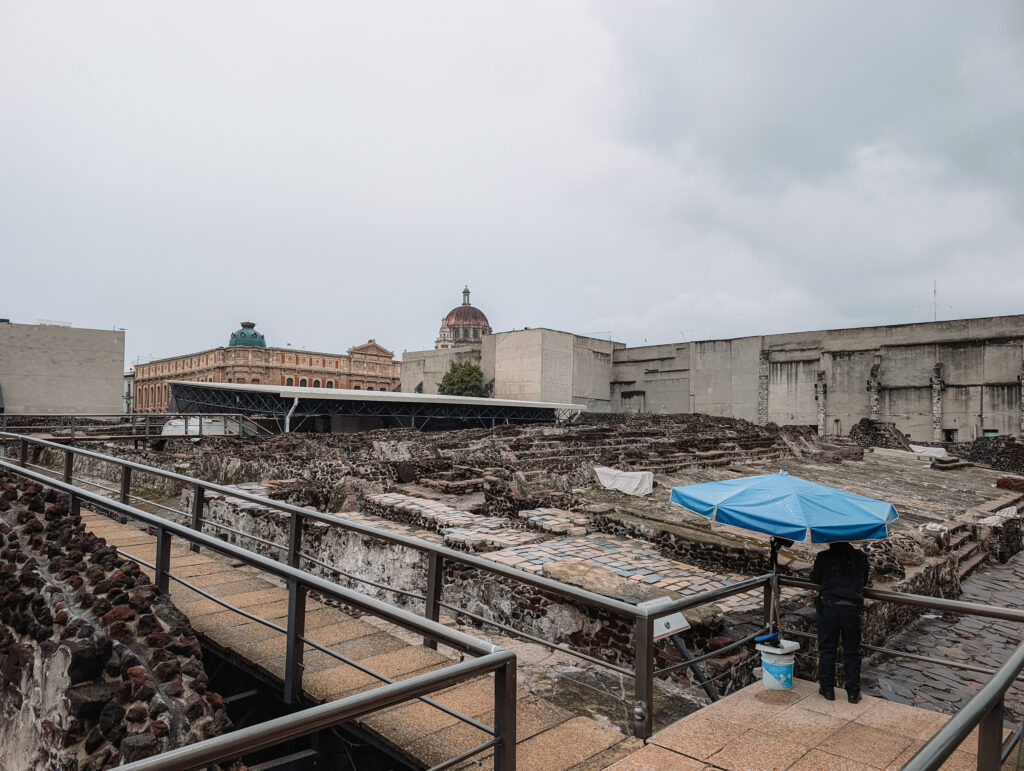
As you walk through this area of the historic center, you can walk over and next to these ruins on elevated paths that allow you to see the expanse of the archaeological site. While these ruins were uncovered in 1933 and excavated until the 1980s, archaeological ruins are continuously discovered during the renovations of buildings around the temple. Although much of the temple was destroyed to build the cathedral by the conquering Spanish, you can still visit the site and its corresponding museum today. The museum exhibits artifacts in a way to explain different themes around the Aztec (Mexica) lives and culture.
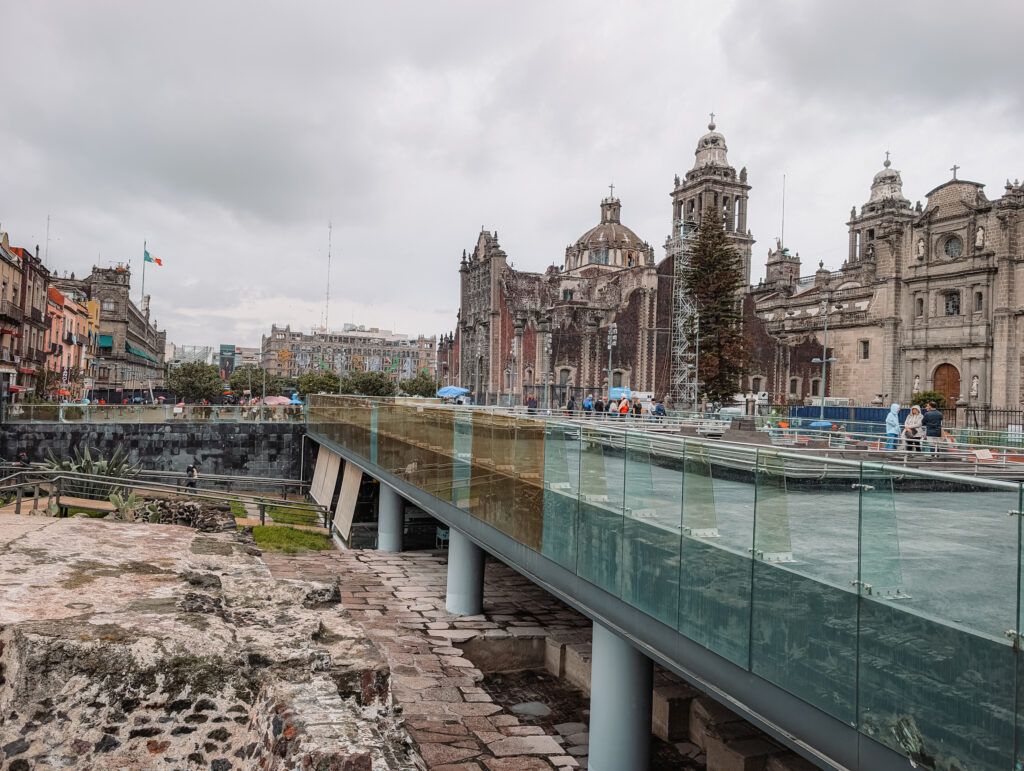
If you are short on time and can only visit one archaeological museum, we recommend spending time at the Museo Nacional de Antropologia rather than this one because you will get a greater understanding of societies throughout Mesoamerica and how they developed over time. You should still see the excavation of the ruins from the exterior when you visit the historic center of Mexico City.
Teotihuacán
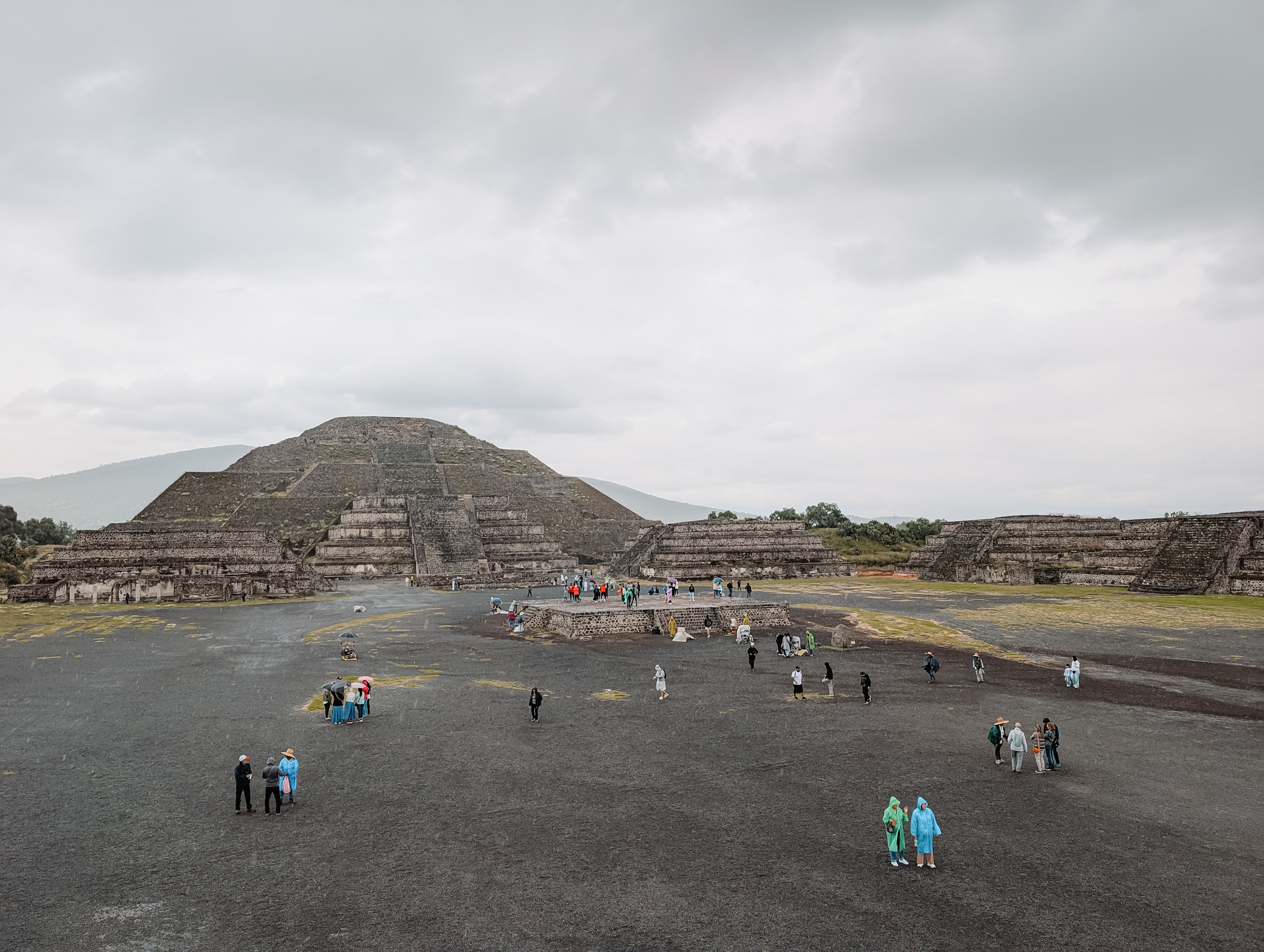
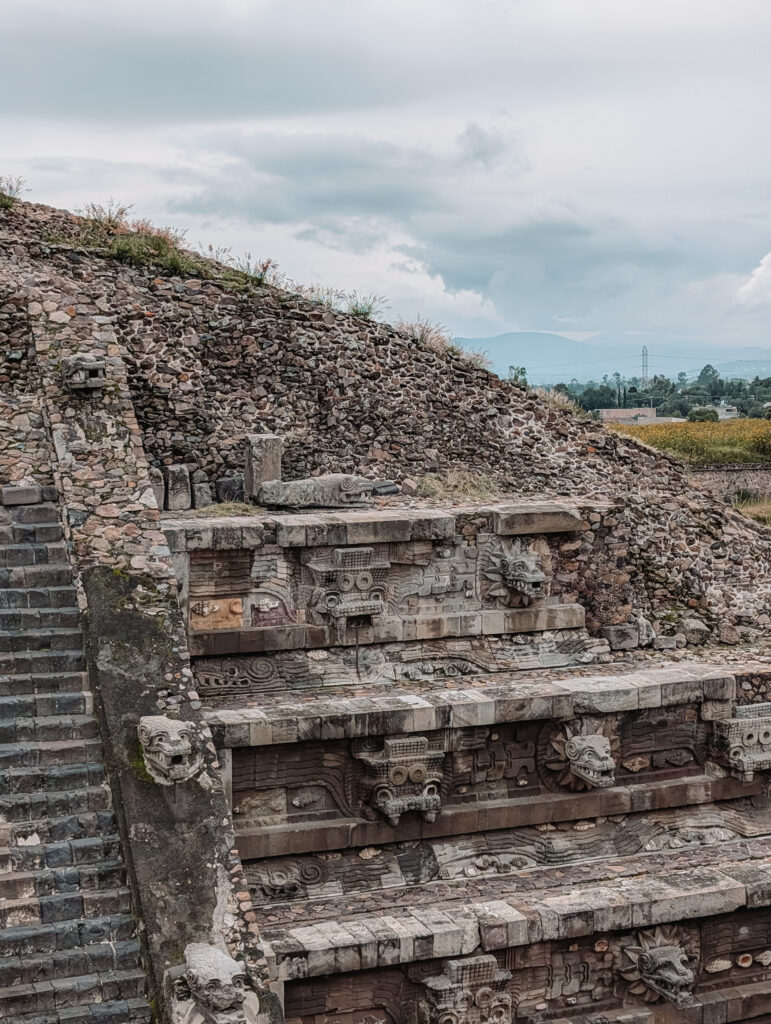
Teotihuacan is the major archaeological site outside of Mexico City with some impressive stone carvings and large pyramids. This city, unlike Tenochtitlan, was not part of the Aztec (Mexica) empire and was constructed before the empire ruled in Mesoamerica.
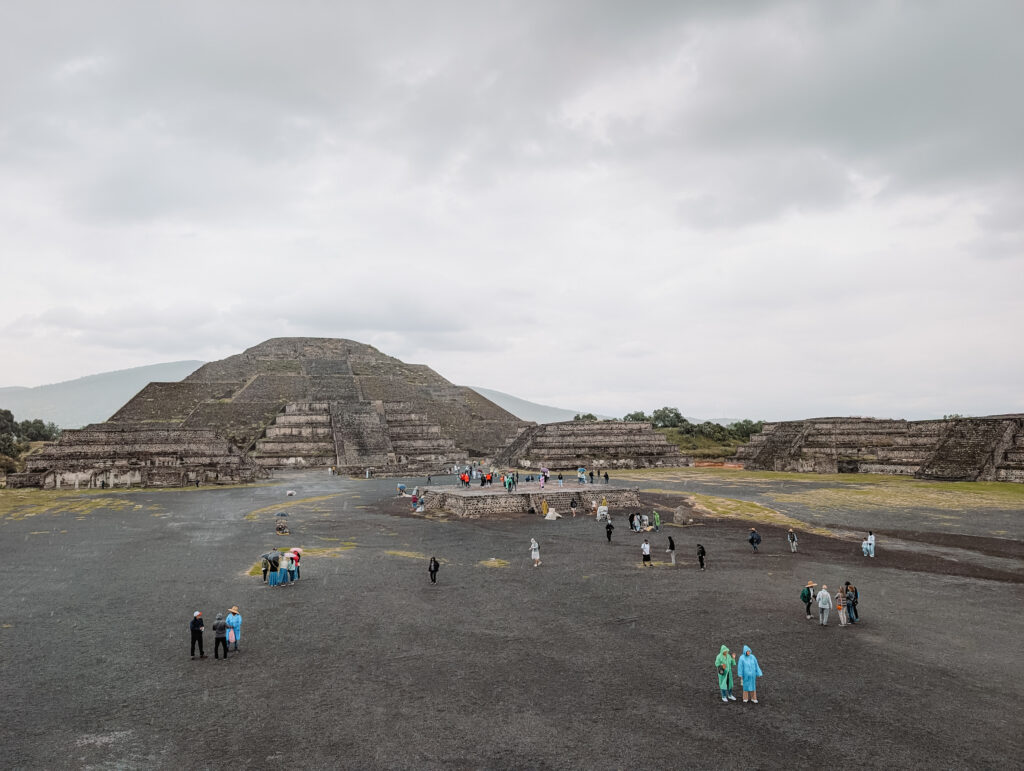
Different cultures cohabitated in the city with a number of different temples being found within the central part of the archaeological site. Ultimately, the city was abandoned and its collapse is up for debate: theories include external invasion, internal civil strife, and severe drought; although it is most likely a combination of the three that led to the demise of this city. The Aztecs (Mexicas) did not use the structures of Teotihuacan and nobody lived there when the Spanish conquered the region, allowing it to remain intact and restored to what you can see today.
The site can be visited independently or through a tour group. There are also tours that include a hot air balloon ride over the archaeological site or just a day tour that will give you context and theories around the history of this site. You can read more about how to visit in this article about Mexico City.
The Archaeological Sites in Mexico: Oaxaca
Oaxaca is the food capital of Mexico and a cultural hub for the country. Beyond the food and vibrant culture here, there are also archaeological sites, both within the city and in the surrounding areas, that are an important part of the history of this area. The following are the two main sites that should be visited when spending time in Oaxaca. You can read more about planning your itinerary in Oaxaca here.
Monte Alban
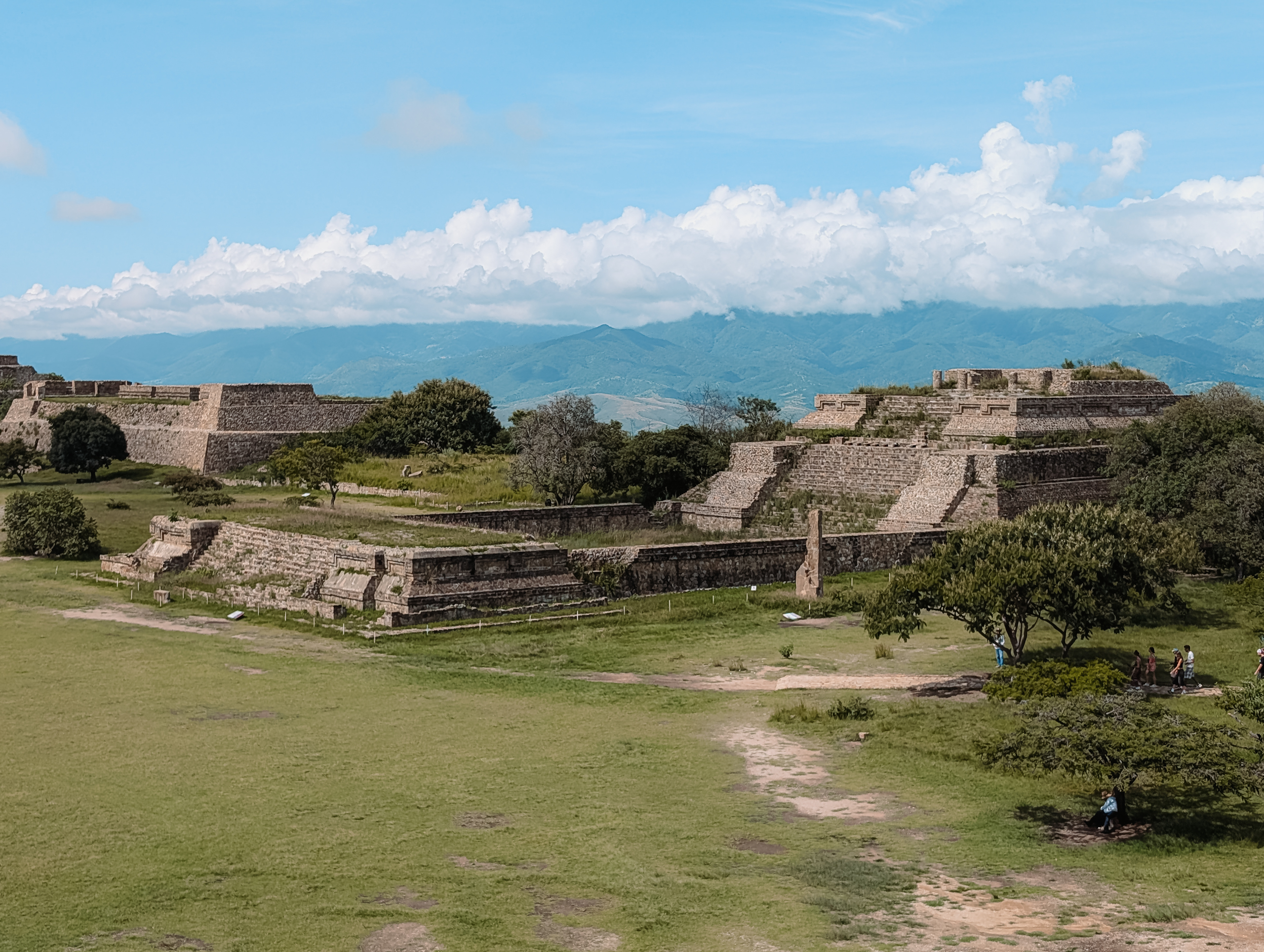
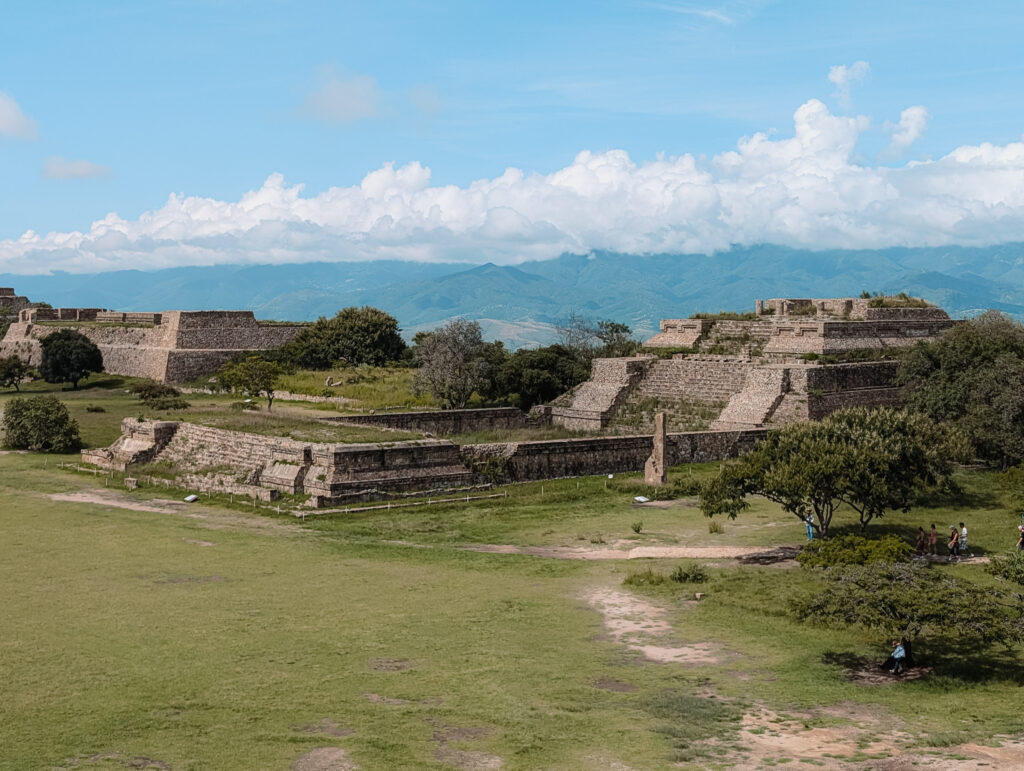
Monte Alban is the archaeological site located within the city of Oaxaca and is a short 20 minute drive from the city center. This city is known as the city in the clouds because it is located at the top of the mountain and when you are walking within the center of the city, all you see are the sky and clouds around. This city is one of the earliest in the Mesoamerican region and was inhabited by the Zapotec people.
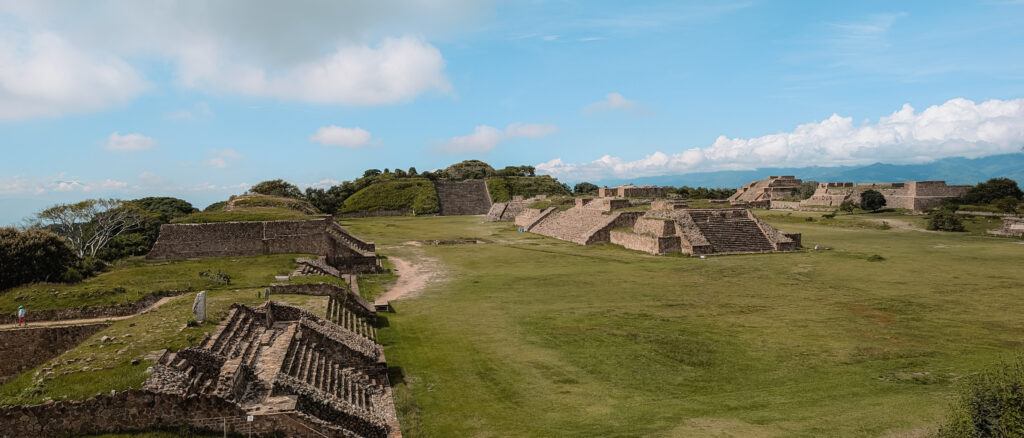
The site is an astrological wonder, showing the technological advancement that this society had with regards to astrological knowledge and seasonal farming. The large Main Plaza is surrounded by pyramid structures, making it an impressive and monumental site to explore. Similarly to some other popular and important archaeological sites in Mexico, you cannot climb up many of the different pyramids and structures within the site as they are protected for researchers. However, there are a handful of staircases that you can climb for great views looking down into the former city. The site also holds a small museum with some of the original stone carvings from Monte Alban.
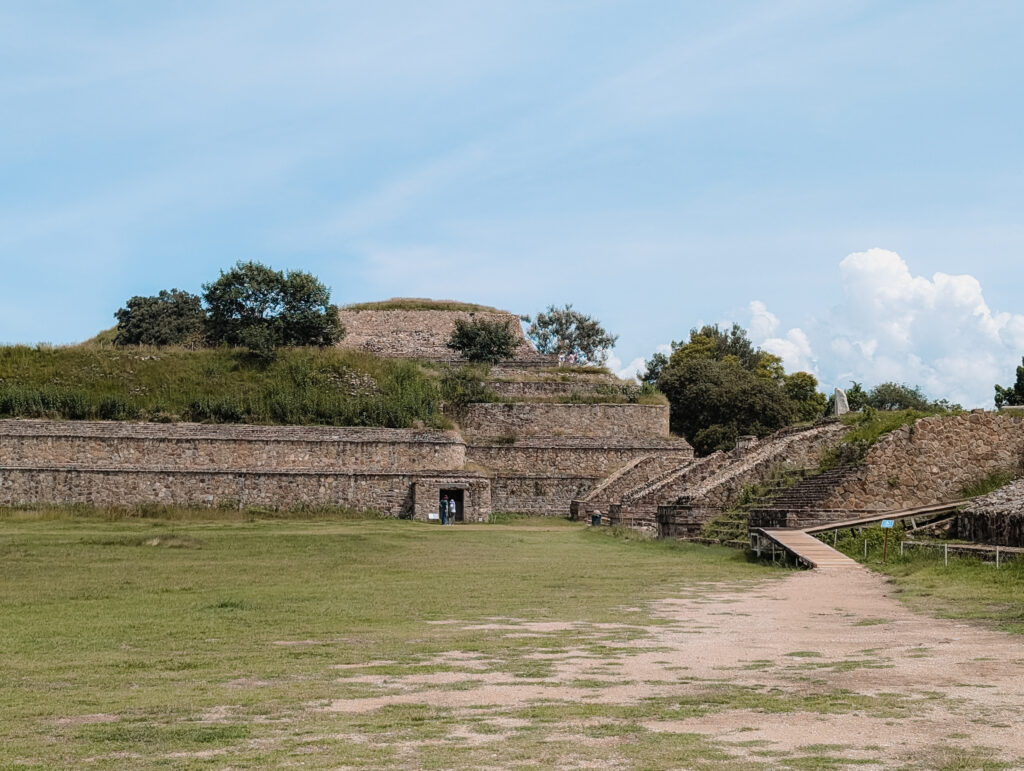
To visit the site, you can get a tour that leaves from the city center of Oaxaca with a guide, explore it on your own, or hire a guide at the entrance. A guide will take you around the site and give you historical explanations and theories regarding the different landmarks that you will see for a more enriching experience than visiting on your own. You can read more about how to best visit this archaeological site in our article about visiting Oaxaca.
Mitla
Outside of Oaxaca is a unique archaeological site called Mitla. It is the most important site for the Zapotec (and later Mixtec) culture because of its religious significance. It is unique for its geometric patterns and carvings that beautifully decorate every building within this archaeological site. It was built with strong connections between the living world and the afterlife. This site was still occupied when Spanish conquistadors invaded the land, and they destroyed some of the buildings on this site to build their own church and convert the local people to Christianity.
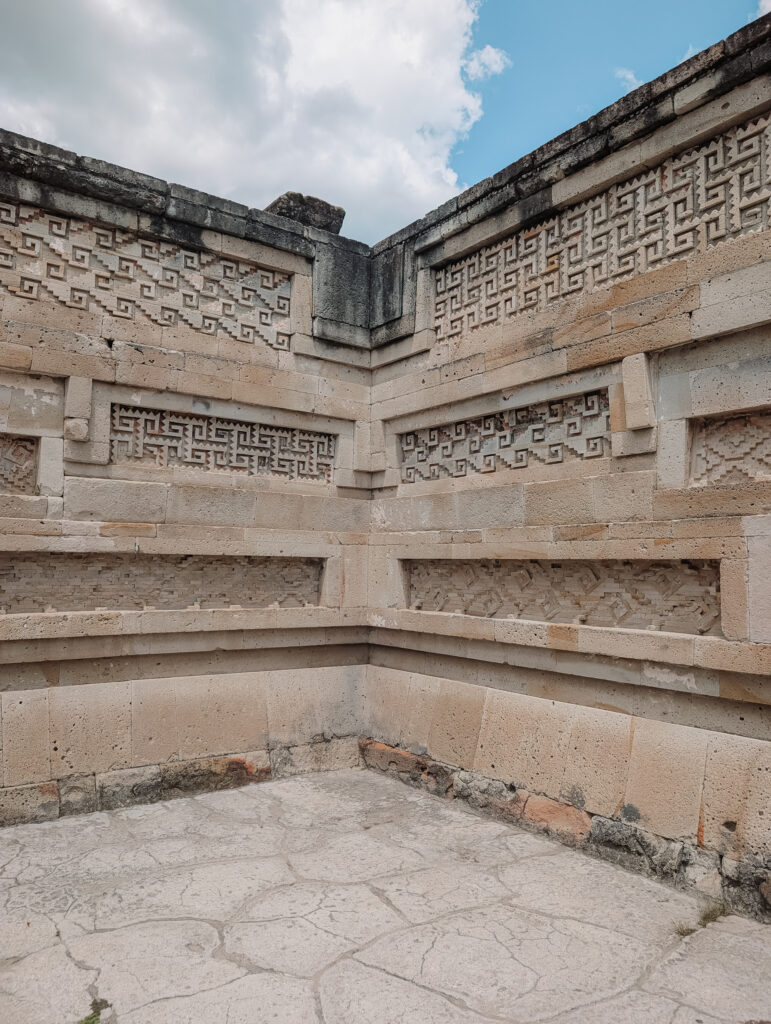
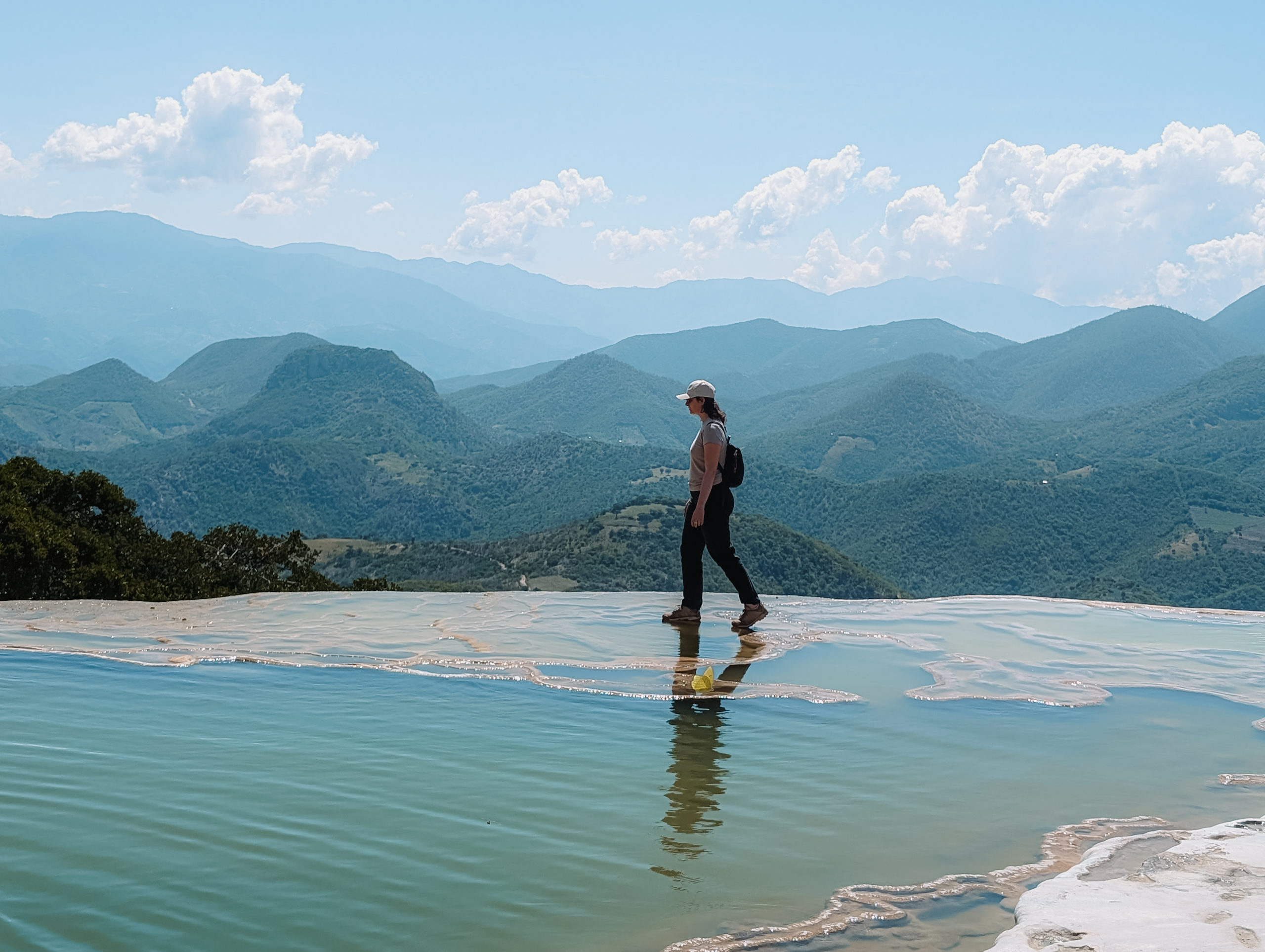
You need to visit this site with a tour guide to get the best understanding of the beautiful frescos and friezes that make this site so unique. It also can be visited as part of a greater tour of the Oaxaca region that includes visits to Hierve el Agua, Tule Tree, and a Mezcal distillery. This gives a comprehensive understanding of the ancient and current culture of the region along with some appreciation of the unique nature that is found here. This tour, provided in English by a local Oaxacan travel company, is a great option to get to see all of these interesting sites. You can read more about the tour that goes to this archaeological site in our article about visiting Oaxaca.
The Archaeological Sites in Mexico: the Yucatan Peninsula (If You’re Visiting Cancun, Riviera Maya, Tulum)
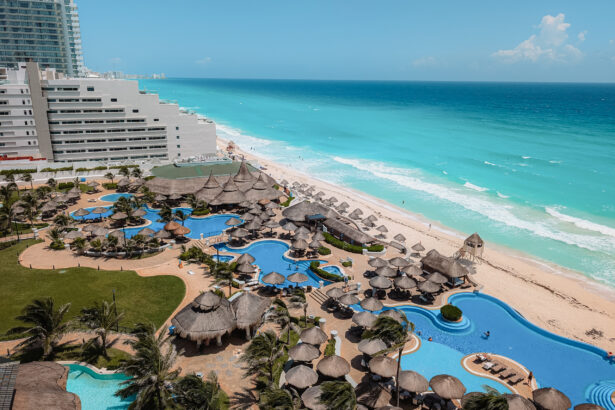
The Yucatan Peninsula is a top destination for many vacationers visiting Cancun, Riviera Maya, or Tulum. However, beyond the beach vacation destinations, this peninsula is rich with archaeological sites in Mexico from the Mayan cultures that inhabited this region. The following are three of the most popular destinations that you should consider visiting when planning your vacation here. You can read more about planning your itinerary in Cancun, Riviera Maya, or Tulum here.
Chichen-Itza
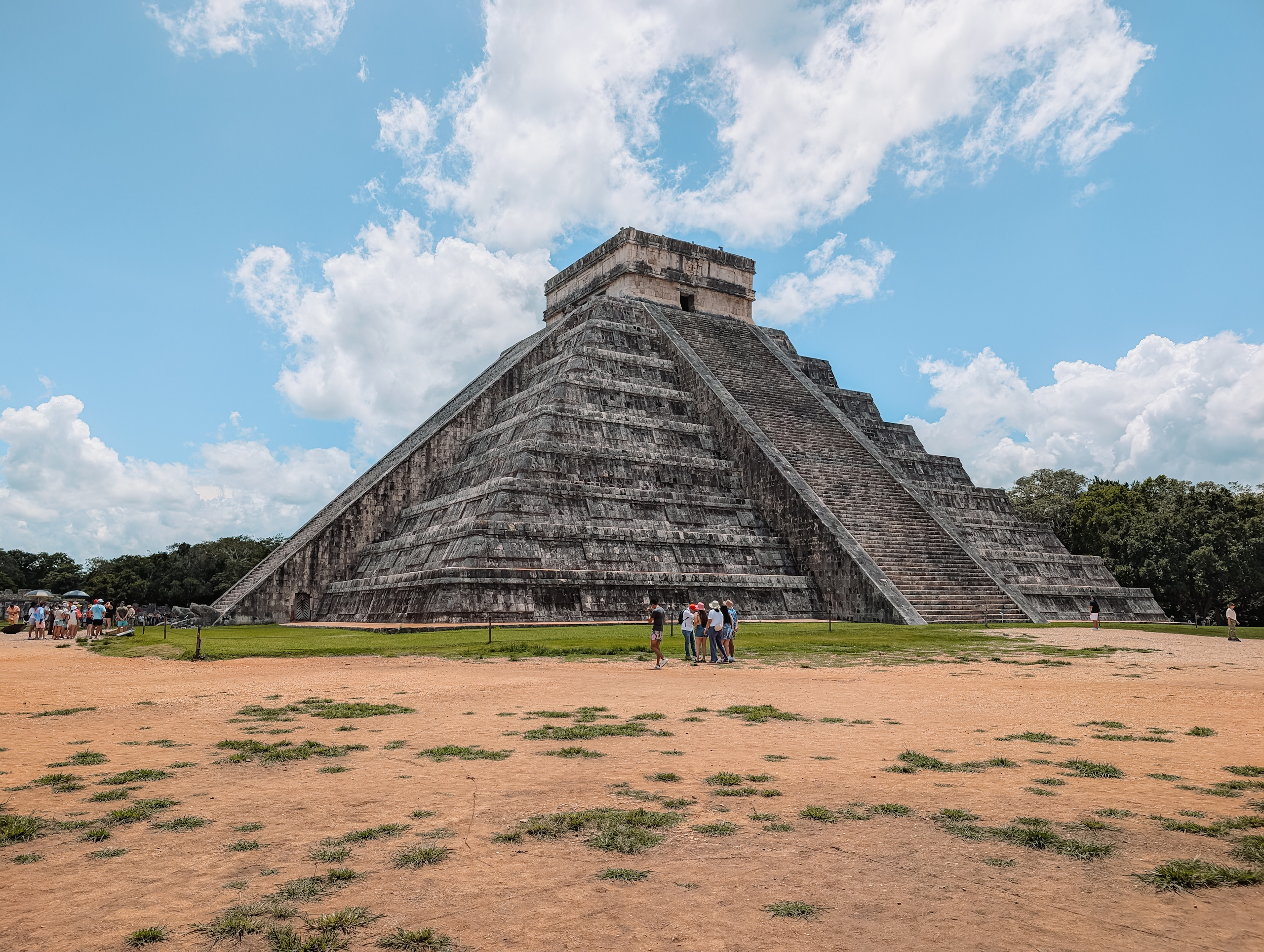
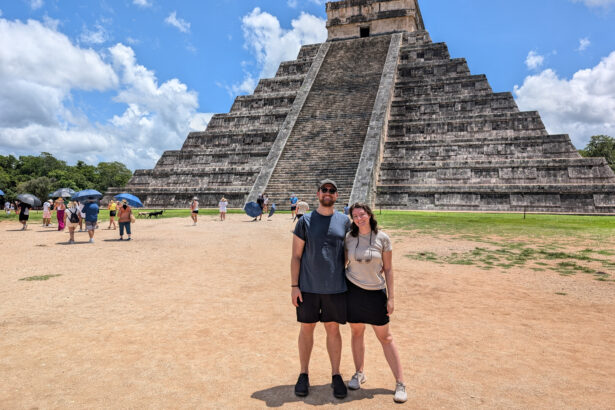
The most popular archaeological site is Chichen-Itza. It’s one of the New Seven World Wonders and is a must-visit destination in Cancun to learn more about the indigenous population that has inhabited the peninsula for centuries. Even today, the people who live on the peninsula can trace their ancestry to the Mayan people and continue to practice aspects of the traditional Mayan culture.
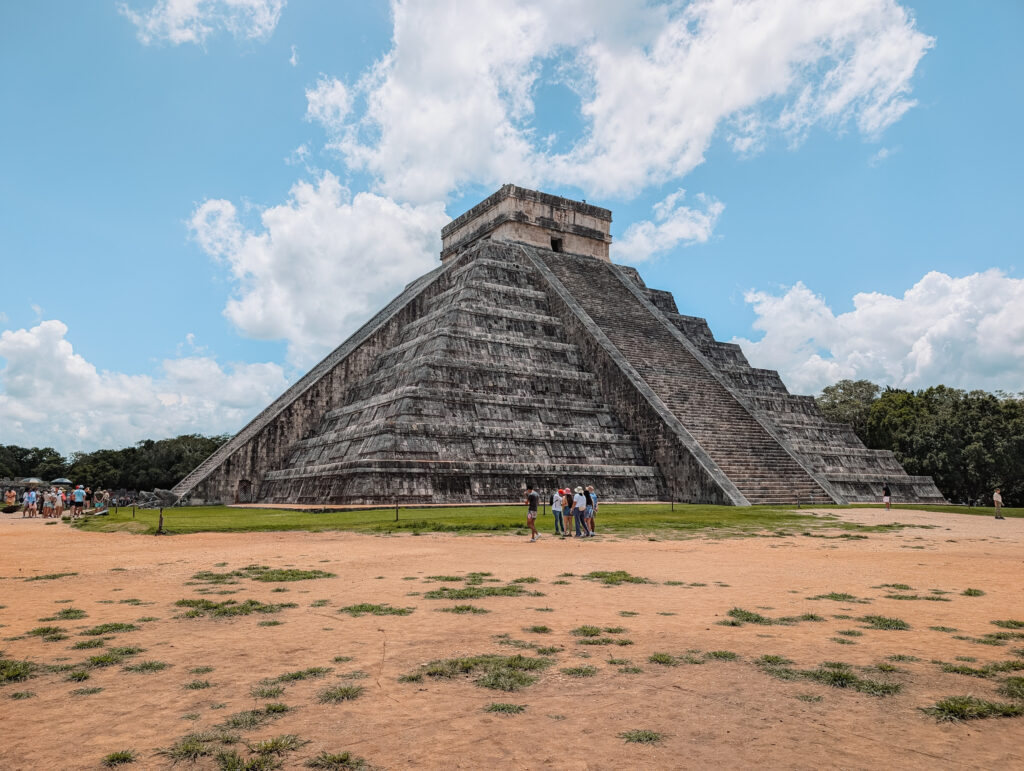
The archaeological site is known for its pyramid, which is designed to be a clock that measures time, seasons, and solar phases. Beyond the pyramid, there is an entire archaeological city where you can see the different important buildings used for various purposes and the location where they played the ceremonial ball games to help determine sacrifices to the gods for better weather and agricultural outcomes.
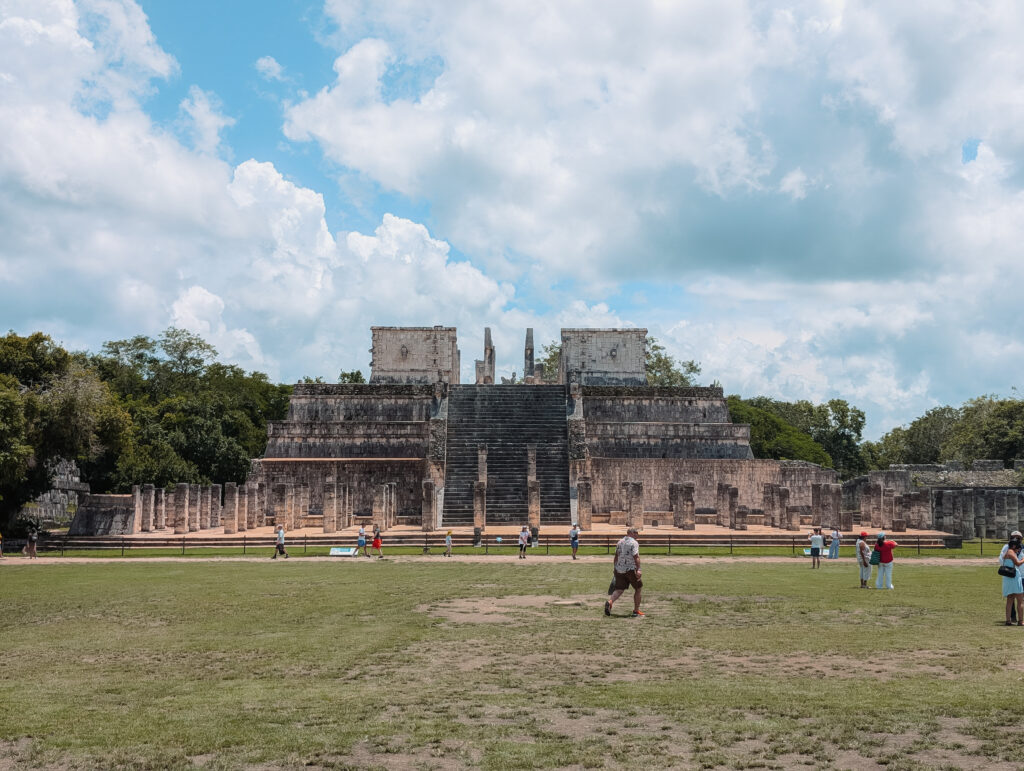
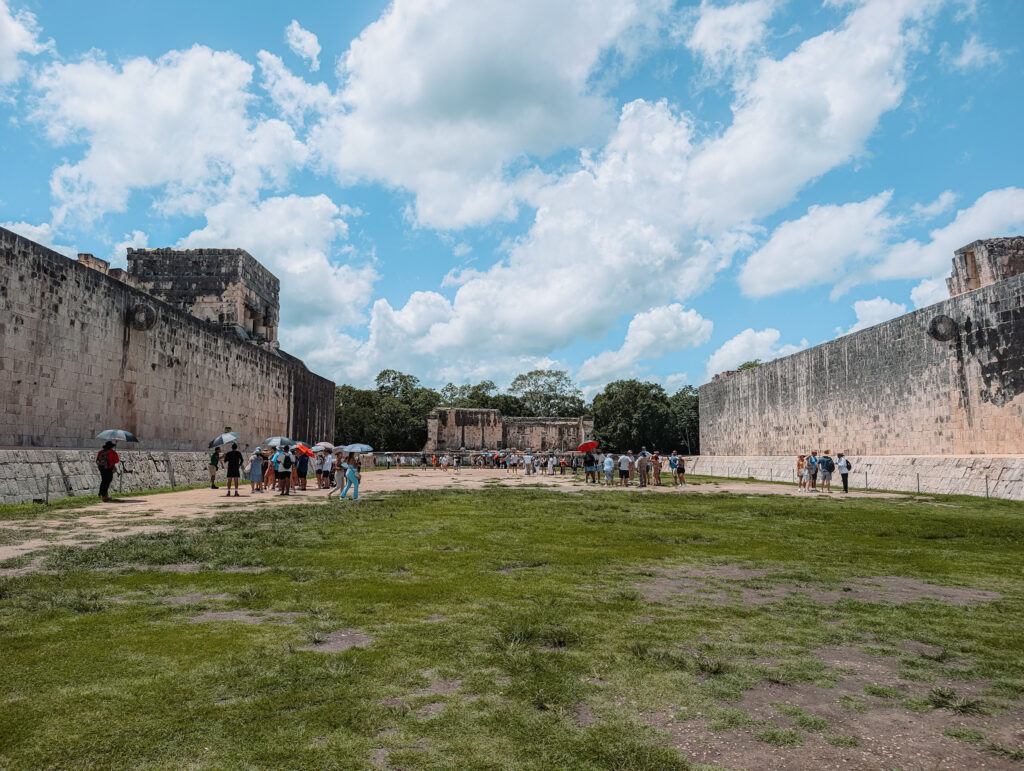
Of all the archaeological sites in Mexico in the Yucatan Peninsula, this one has had the most restoration because of the complexity of its pyramid and importance of the city in the region. If you are visiting just one archaeological site, this is the one to prioritize.
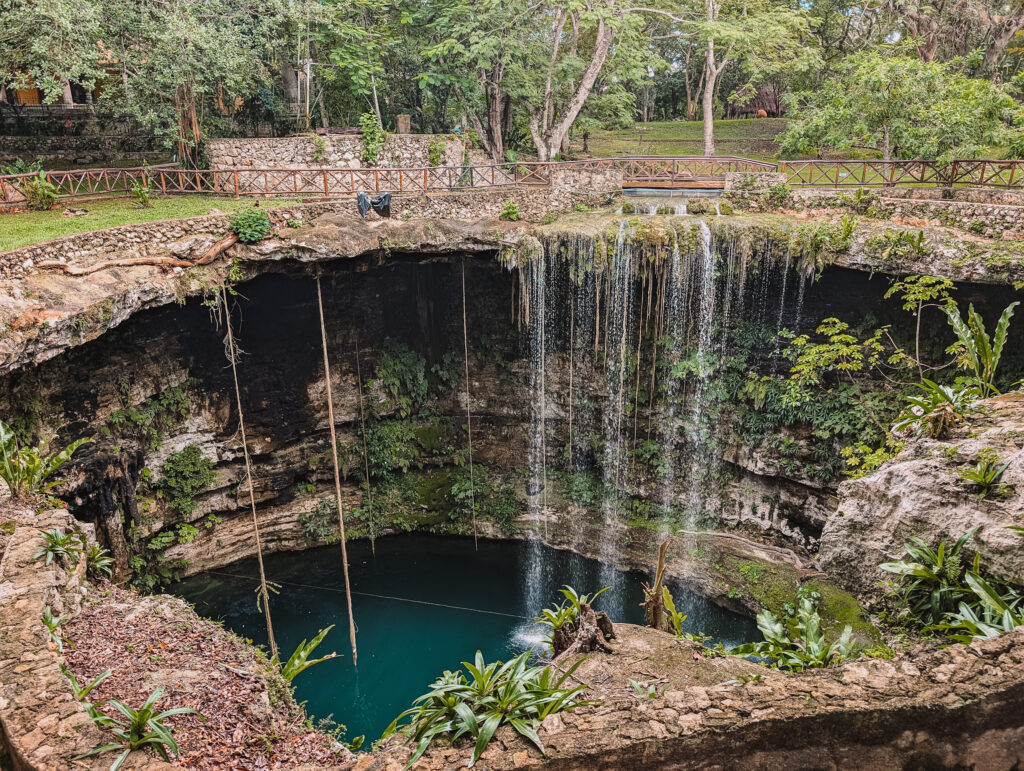
To get to the site, you can use a tour group to get historical and archaeological information about the location while providing transportation to and from your accommodation (or in a designated meeting spot near your accommodation). These tours also include a stop for a buffet lunch, time to swim at a cenote (a natural freshwater pool) and a visit to the town of Valladolid.
Tulum
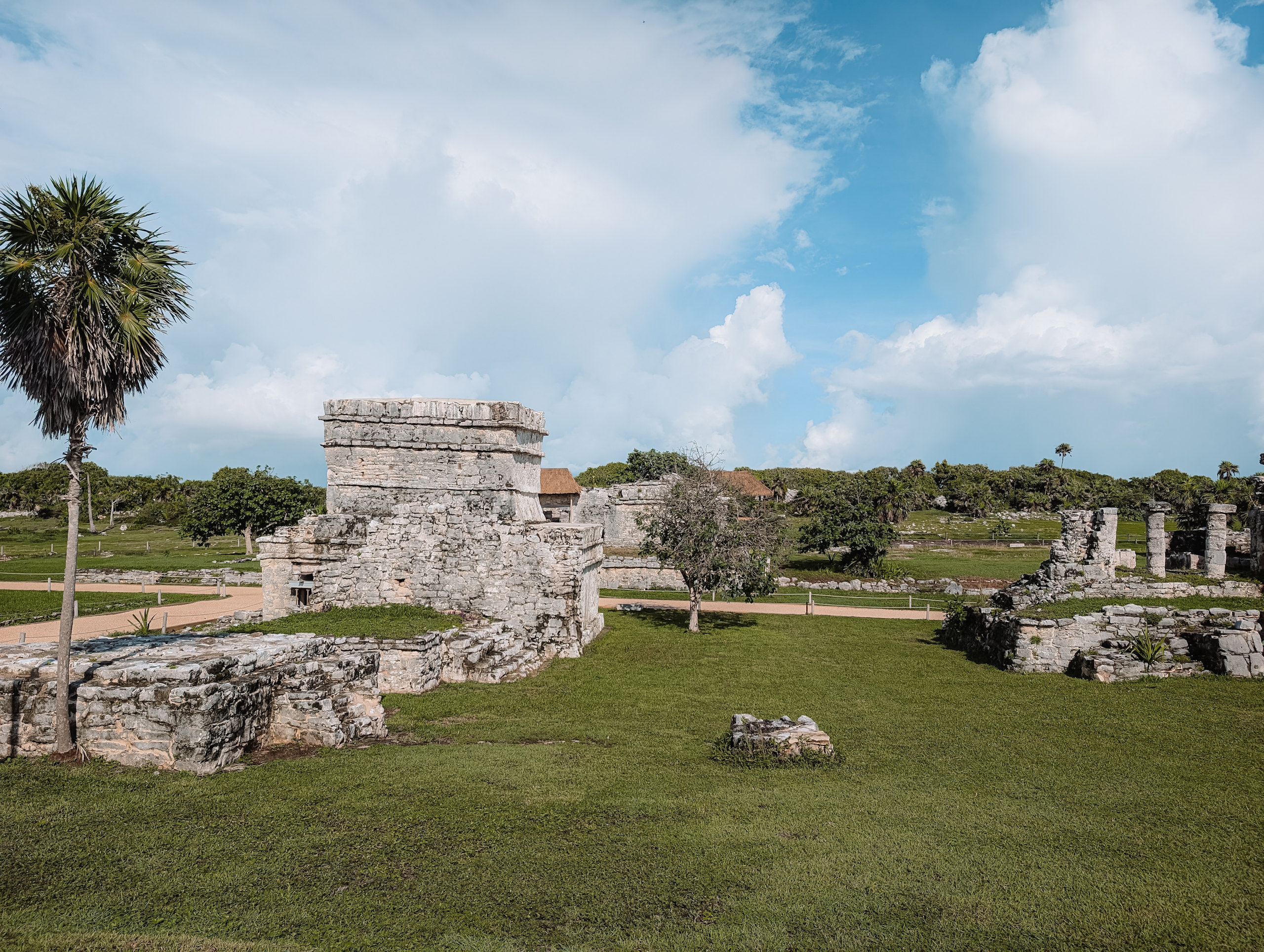
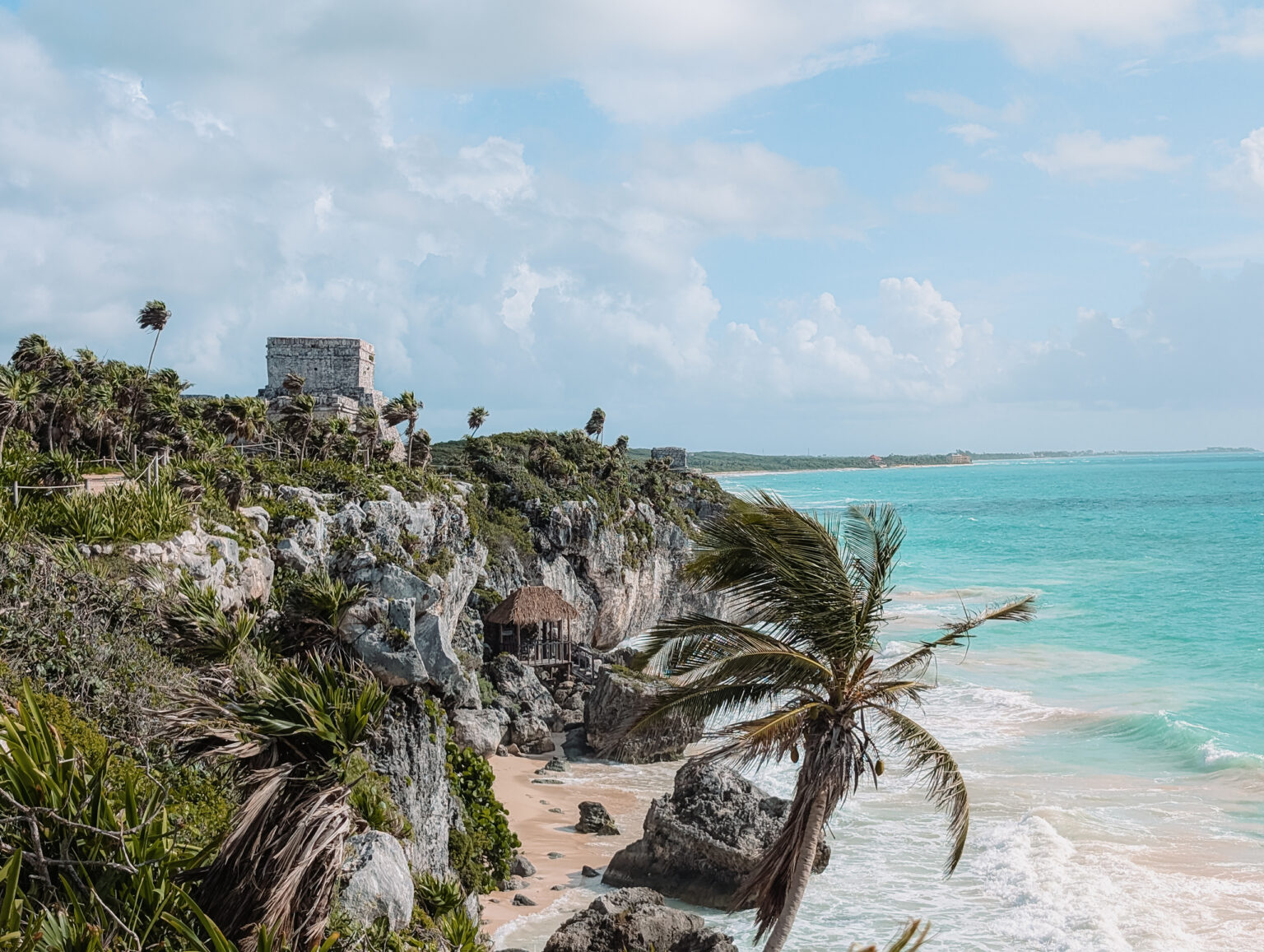
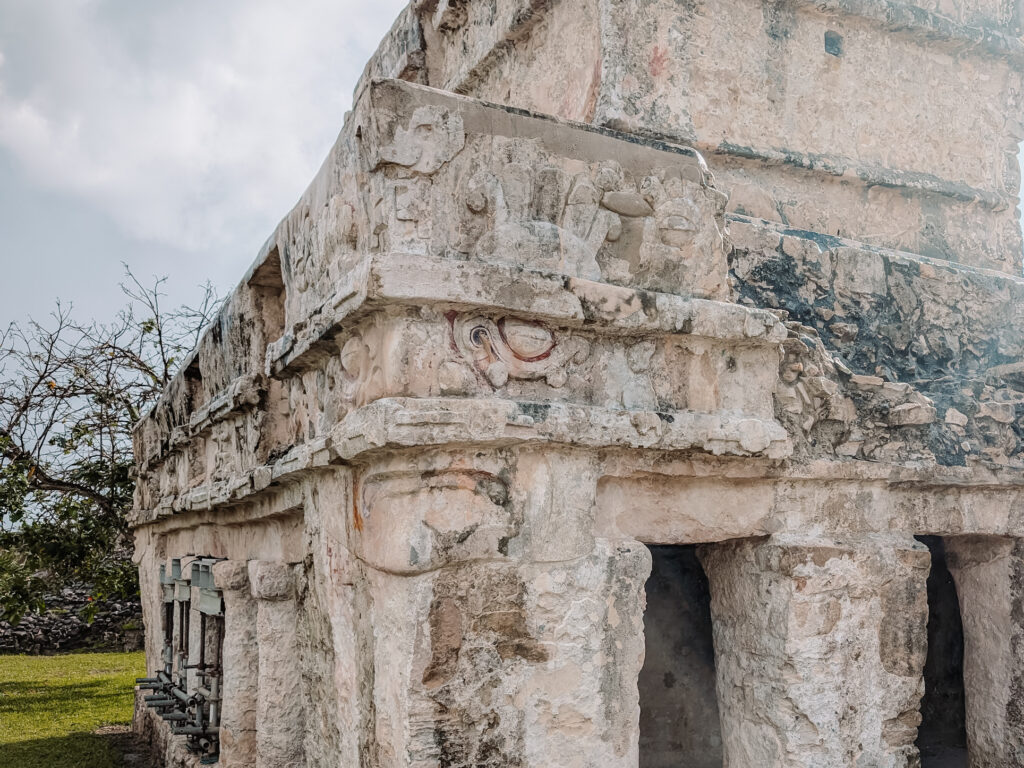
Tulum is currently known as a destination on the Yucatan Peninsula with beautiful boutique hotels. However, Tulum really refers to the archaeological remains located near the town and these hotels. This unique site is known for being located along the ocean and for some of the frescos (murals) that remain on the buildings. Unlike Chichen-Itza or Coba, Tulum was never the most important city of the region but its strong position on the coast made it an important trading route within the Mayan society.
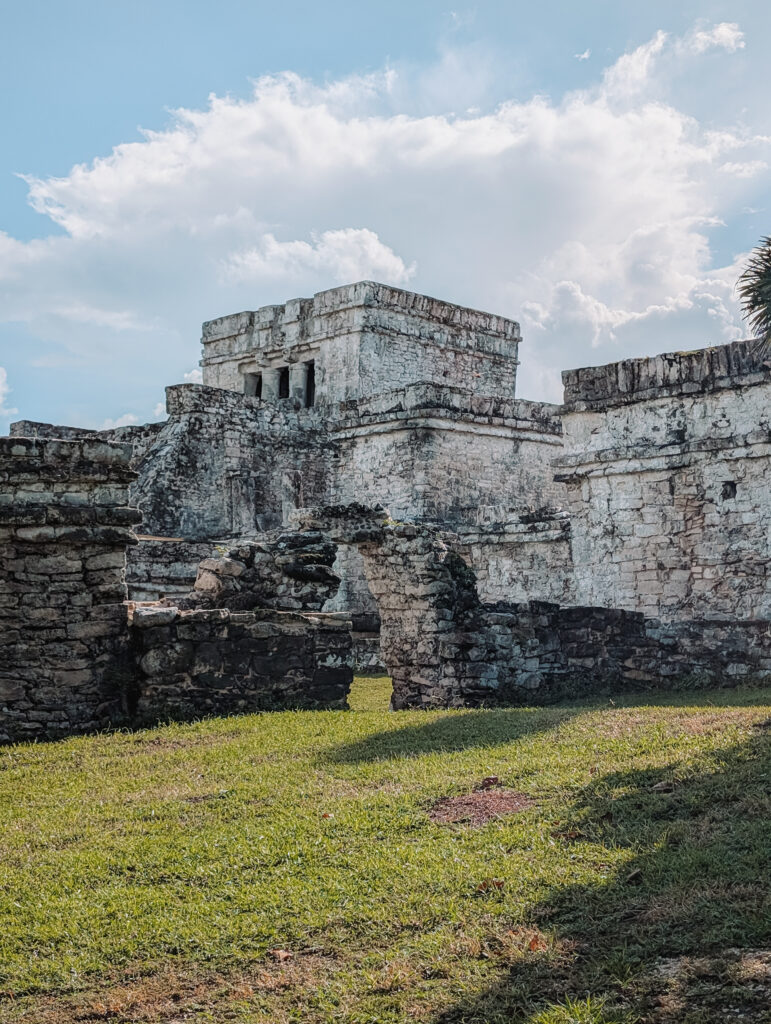
While walking through the site, you will find a number of elite homes, temples, and government buildings that help indicate how the society functioned. You will also see a ball game court, similar to Chichen-Itza, and some frescos that help us understand the religion and culture that many of these different city-states practiced. The white stone of these buildings contrasted with the lush jungle and turquoise waters are a beautiful sight to see.
To get to the site, you can use a tour group to get historical and archaeological information about the location while providing transportation to and from your accommodation (or in a designated meeting spot near your accommodation). The best way to visit this site is first thing in the morning before the large crowds and this tour experience allows you to be one of the first visitors of the day. These tours also include a visit at the Coba archaeological site, a stop for a buffet lunch, and time to swim at a cenote (a natural freshwater pool).
Coba
Coba is the largest of the archaeological sites in Mexico in the Yucatan Peninsula and one of the oldest of the region. Due to its daunting size, it is the least excavated and restored of the archaeological sites in Mexico on this list but it is remarkable to see the state at which these cities were uncovered within the jungle. As you walk around the site, you will notice aspects that are still almost completely covered in jungle and others that have been excavated to allow for better access.
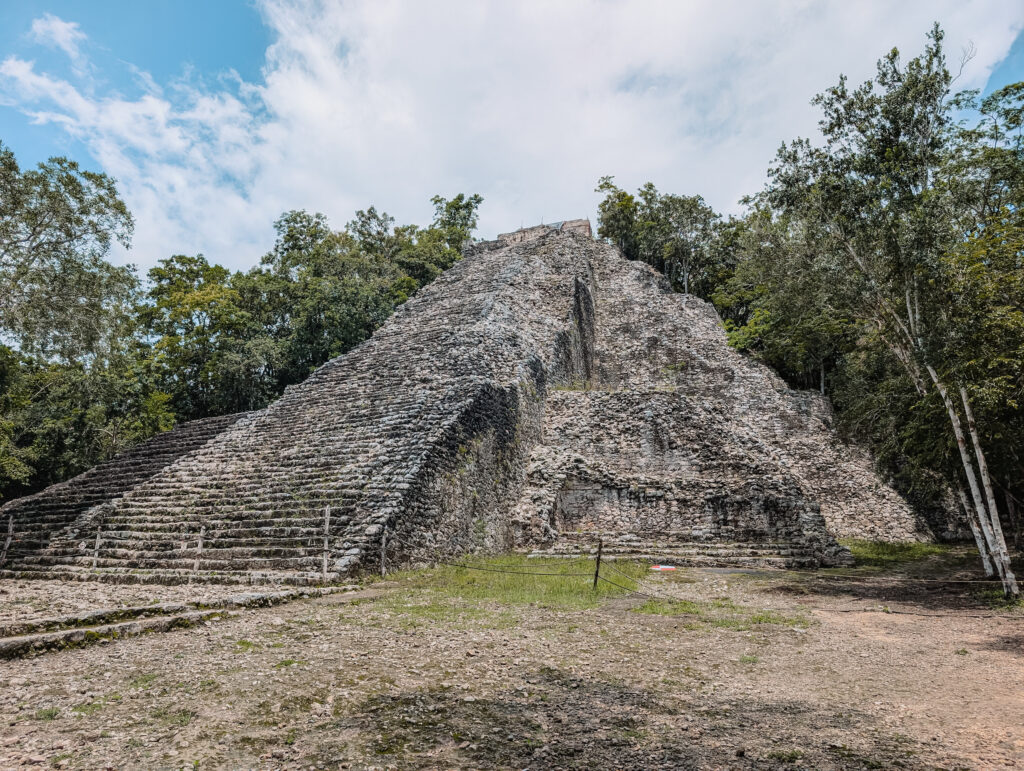
To get around the site, you can rent some bikes or hire someone to bike you around the large site. This will truly be the best way to see some of the different important sites because of how expansive this location is. You will get to see the largest of the pyramids on the Yucatan peninsula at one of the most important cities of the Mayans in this region.
To get to the site, you can use a tour group to get historical and archaeological information about the location while providing transportation to and from your accommodation (or in a designated meeting spot near your accommodation). Due to its adjacency to the Tulum archaeological site, it is nice to visit both destinations in one tour, such as on this tour experience. This one includes a visit to Coba, Tulum, a stop for lunch, and time to swim at a cenote (a natural freshwater pool).