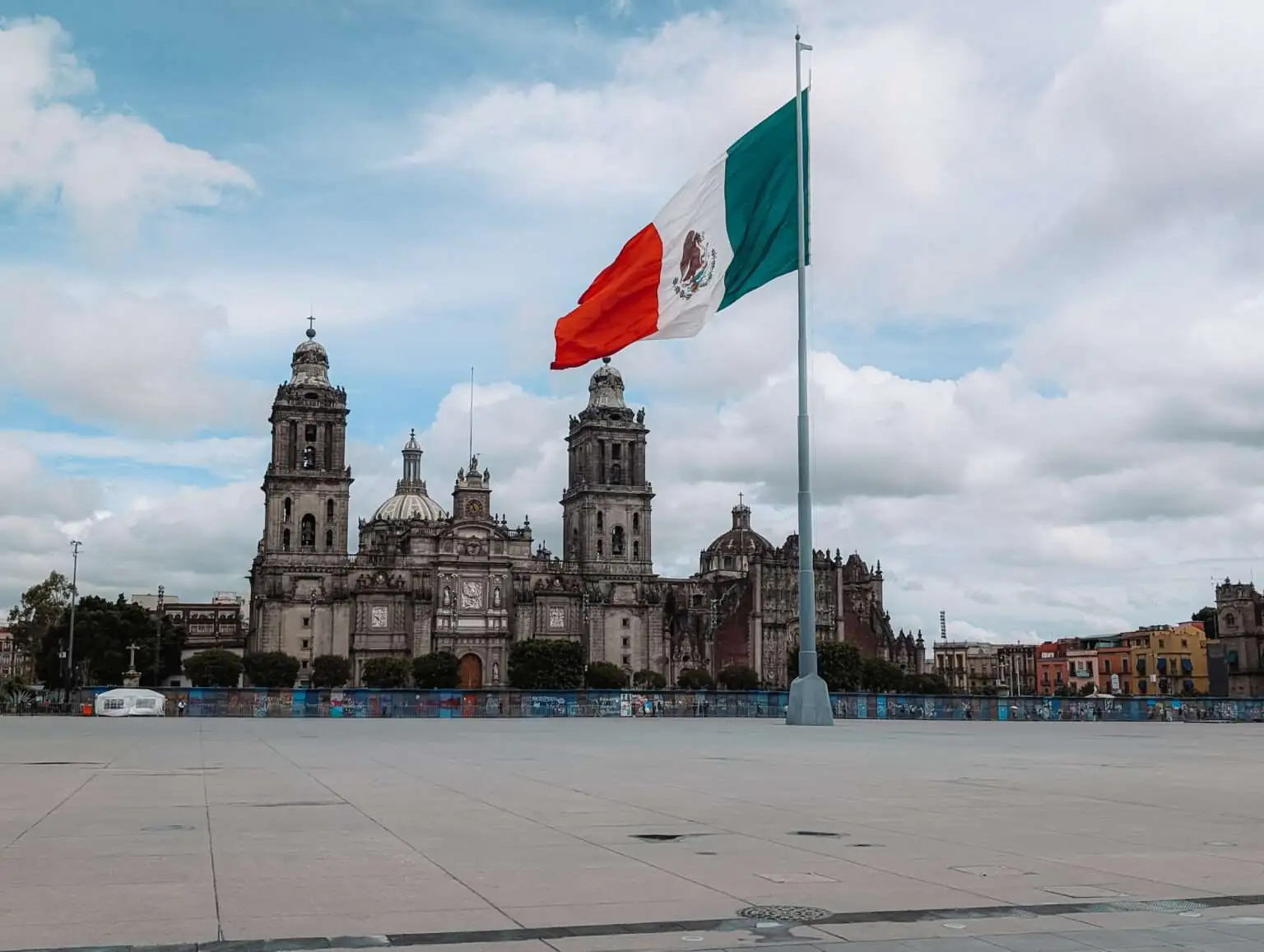
The Zócalo in Mexico City with the giant Mexican flag flying at its center - Mexico travel guide

Zócalo · Mexico City, Mexico

Latin America

Mexico Travel Guide


One of the world's great capital cities, the country's food capital in the southern highlands, and a Caribbean coast scattered with Mayan pyramids. Mexico gives you three very different trips inside one country.

A morning on the Zócalo in Mexico City feels nothing like an afternoon wandering the painted streets of Oaxaca, which feels nothing like a day spent between Mayan ruins and a swim in a cenote on the Yucatan Peninsula. The capital is one of the largest cities in the Americas, a place of world-class museums, neighborhoods that each carry their own personality, and a street food culture that locals are rightly proud of. Oaxaca is where many of Mexico’s most celebrated dishes, and much of its mezcal, come from. The Yucatan pairs white sand beaches with the cities the Maya built centuries before the Spanish arrived. Visiting multiple areas gives you a diversity that will keep any trip interesting and culturally rich.

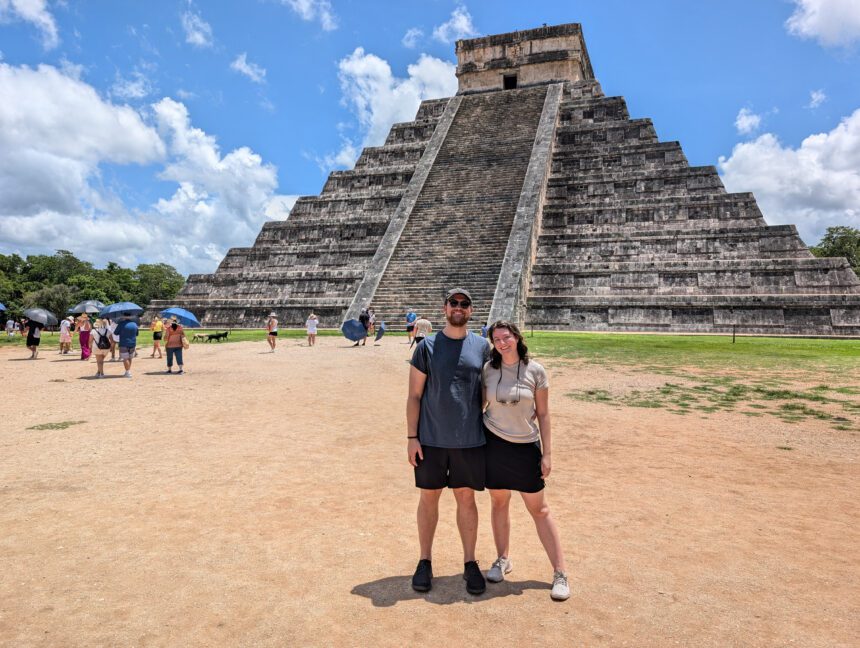
Kevin and Melina have personally traveled Mexico, spending time in Mexico City, Oaxaca, and the Yucatan Peninsula, including Cancun, Tulum, Coba, Chichen Itza, and Isla Mujeres. Every recommendation on this page comes from traveling within those regions. This Mexico travel guide covers where to go, what to know before you arrive, and how to get around once you are there.

Mexico at a glance

Language

Spanish

Capital City

Mexico City

Currency

Mexican Peso

Budget Range

$ - $$

Best time to visit

November to April is dry season across Mexico City, Oaxaca, and the Yucatan Peninsula, and the easiest window for a first trip. Summer and early fall bring afternoon rain in the highlands and hurricane season on the Caribbean coast. More detail in Planning your trip.

Typical trip length

Four days is enough for a first look at Mexico City. A week gives you enough time to discover two different regions. Each region is incredibly diverse and culturally rich and deserves as much time as possible.

Visa Info (learn more here)

US and Canadian passport holders do not need a visa. You receive a tourist permit (the FMM) on arrival, valid for up to 180 days, though the immigration officer decides how many days you are granted. Have your return flight and hotel details ready to show. Some passport holders require a visa in advance, so check your country's requirements before booking.

Explore by region

Regions of Mexico

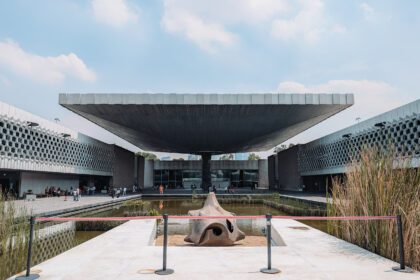
The central plaza and architecture of the Museo Nacional de Antropologia as one of the top things to do in Mexico City

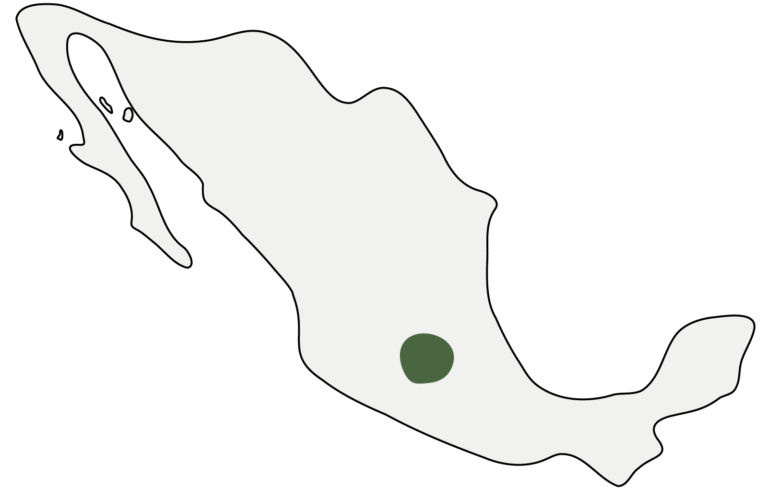
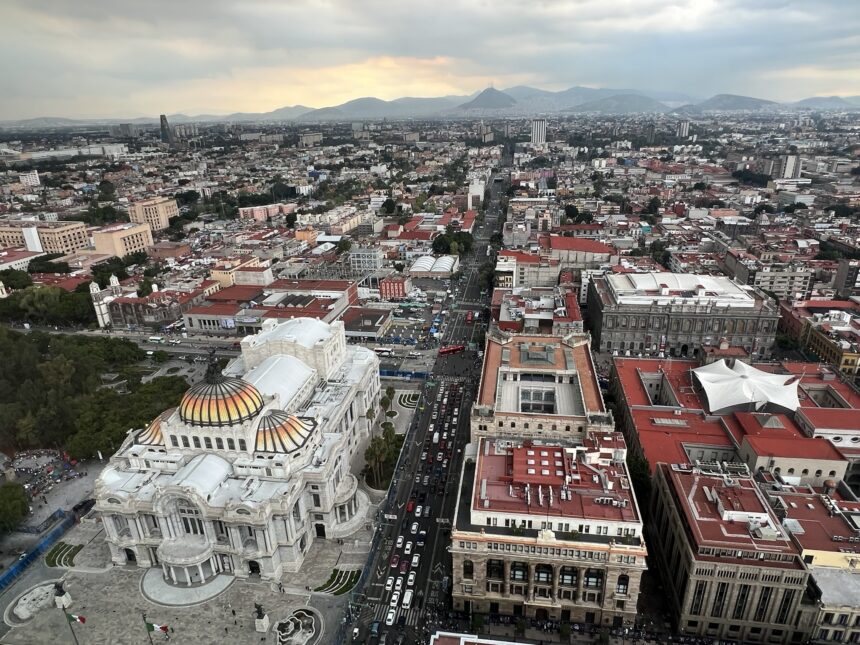
Mexico City

The capital and the country's main entry point. World-class museums, colorful neighborhoods like Roma Norte and Coyoacán, and a taco scene that could fill an entire trip on its own.

explore →

Entry point for most trips

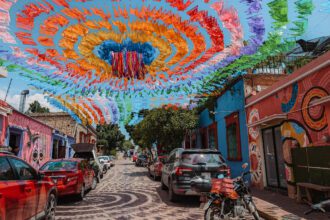
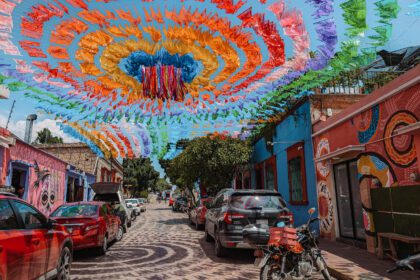
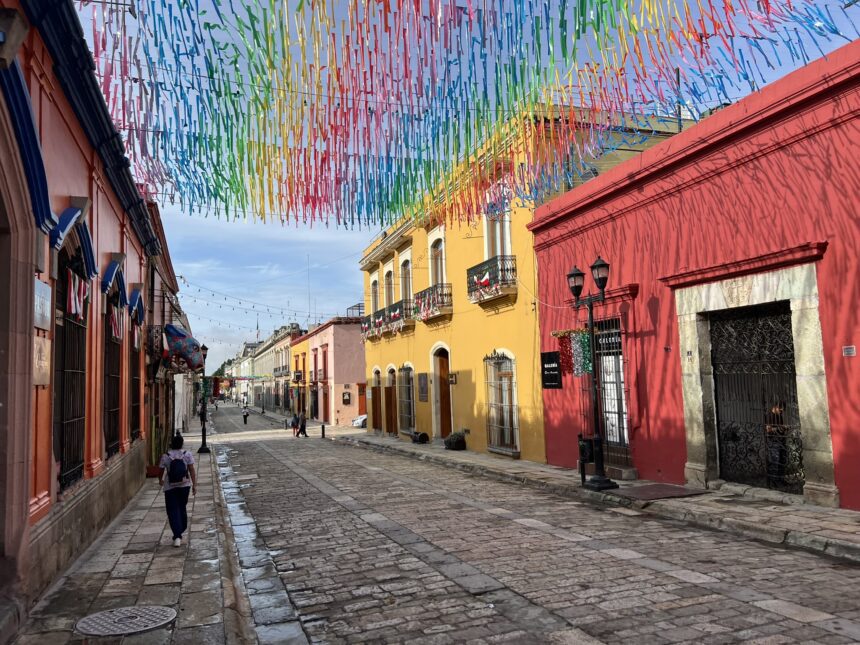
Exploring the colorful streets of Oaxaca are one of the top things to do in Oaxaca

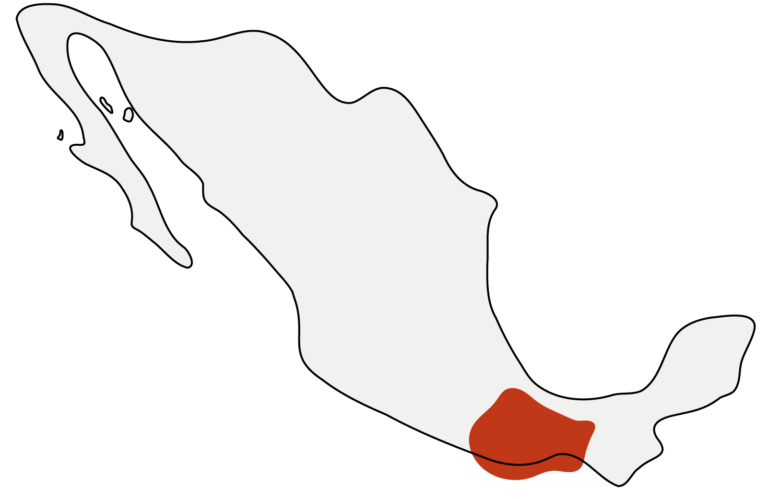
Oaxaca

Mexico's food capital, set in a valley in the southern highlands. Mole, mezcal, busy markets, and a colonial center of painted streets, with the ancient Zapotec city of Monte Albán on the hill above town.

explore →

~1 hr flight from Mexico City

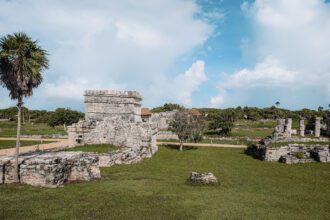
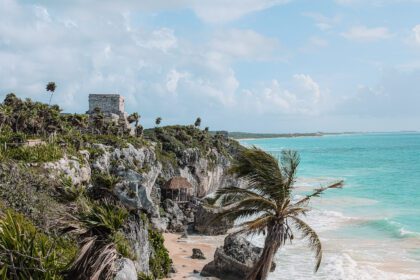
The beautiful ruins of Tulum in the Yucatan Peninsula as visited during a Cancun itinerary

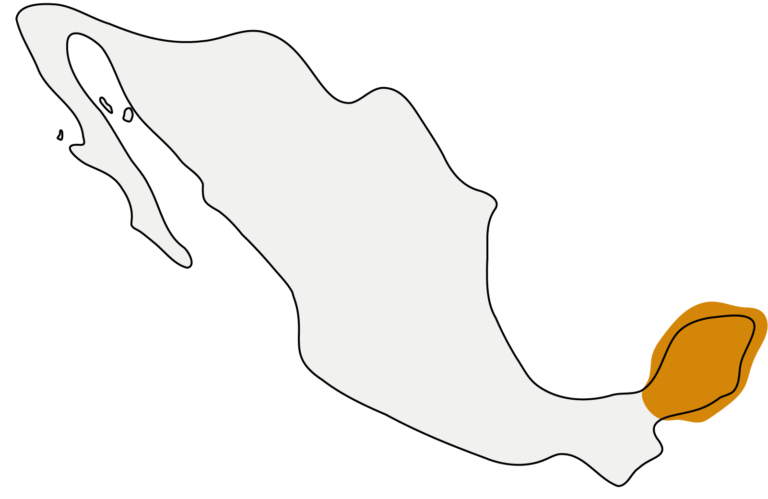
Yucatan Peninsula

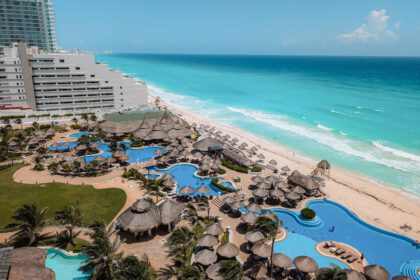
Caribbean beaches, freshwater cenotes, and the Mayan cities of Chichen Itza, Tulum, and Coba. Cancun is the gateway, and where you choose to base yourself shapes the whole trip.

explore →

~2.5 hr flight from Mexico City

Before you book

Planning your trip

Best time to visit

Mexico’s dry season runs from roughly November through April across all three regions on this page, which makes it the simplest window for a first trip. Mexico City and Oaxaca sit at high altitude, so days are warm and evenings turn cool enough for a light jacket. From about June through October, afternoon rain is common in the highlands, but it usually passes within an hour or two and mornings stay clear. The Yucatan Peninsula is hot year-round, and its wet season overlaps with Atlantic hurricane season, which is most active from June to November. Late October and early November bring Día de Muertos, one of the most meaningful times to be in Oaxaca for traditional celebrations (and now Mexico City for tourist-focused events), so book accommodation well ahead if your dates overlap.

How long do you need

Four days gives you a strong first look at Mexico City, enough time for the historic center, a few neighborhoods, and a morning at the canals of Xochimilco. Add three or four days in Oaxaca, a short flight south, and you have a trip that pairs the capital with the country’s food culture. The Yucatan works best as its own week or as the final leg of a two-week trip, because the archaeological sites are full-day outings and you will want time left over for the beach.

Budget

Mexico uses the Mexican peso (MXN). It can be a great value destination in Latin America, especially in Mexico City and Oaxaca, where some of the best meals you will eat come from street stands and cost a few dollars. However, you can always find some amazing luxury experiences and dining opportunities throughout the country as well, making it a very flexible and varied destination for a variety of budgets. A comfortable mid-range trip typically runs USD 100 to 200 per person per day.

Getting there

Most trips begin at Mexico City International Airport (MEX) or Cancun International Airport (CUN), and both have nonstop flights from many major US cities. Oaxaca International Airport (OAX) has a handful of direct routes from the US, but most travelers connect through Mexico City. Once you are in the country, Mexico City to Oaxaca is about an hour in the air, and Mexico City to Cancun is a little over two hours.

Health and safety

Safety in Mexico varies considerably from state to state, so the most useful resource is the US State Department travel advisory for Mexico, which rates each state individually. If you want other opinions, research the travel advisory of other countries, such as Canada, Japan, or the country of your passport to make an informed decision. We recommend sticking to areas rated for normal precautions or increased caution. In busy tourist areas, the practical advice is the same as in any large city: keep valuables out of sight, skip flashy jewelry, avoid deserted streets after dark, and use Uber rather than hailing a taxi at night.

Do not drink the tap water anywhere in Mexico. Locals don’t either, and restaurants and busy street stands use filtered water for cooking and ice. Be cautious with raw fruit that isn’t peeled, and if you have concerns about your stomach, talk to your doctor before you go.

On the ground

When you're there

Getting around

Mexico is far too big to cover overland on a short trip, so domestic flights are the way to move between regions. Within Mexico City, Uber works reliably and is the recommended option over taxis, since you know the price upfront and the route is tracked. For longer distances across the city, the Metro and Metrobús are clean, safe, and fast, and they skip the traffic that can turn a short Uber ride into an hour. Buy a transit card with cash at any station and one card can be shared between travelers. Both systems get very crowded at rush hour, and the first cars are reserved for women and children. Roma Norte, Condesa, and Polanco are pleasant to explore on foot. On the Yucatan Peninsula, guided tours are the easiest way to reach Chichen Itza, Tulum, and Coba, since they bundle transportation with the long drives between sites.

For neighborhood recommendations and a full breakdown of transportation in the capital, read our guide to where to stay in Mexico City and other logistics.

Language

Spanish is the official language of Mexico, and the country is also home to dozens of indigenous languages, including Zapotec in Oaxaca and Yucatec Maya on the peninsula. English is widely spoken in the Cancun and Riviera Maya resort areas and common in Mexico City’s central neighborhoods, but much less so in Oaxaca and at street stands anywhere. A few useful phrases:

hola

OH-la

hello

gracias

GRAH-see-ahs

thank you

por favor

POHR FAH-vohr

please

hasta luego

AH-stah loo-EH-goh

see you later (the everyday goodbye)

no entiendo

NOH ehn-tyEN-doh

I don’t understand

¿Hablas inglés?

hah-BLAHS een-GLEHS

do you speak english?

¿Dónde está el baño?

DOH-ndeh ehs-TAH EHL BAH-nyoh

where is the bathroom?

¿Cuánto cuesta?

KWAHN-toh KWES-tah

how much does it cost?

la cuenta, por favor

lah KWEHN-tah, pohr fah-VOHR

the check, please

buen provecho

BWEHN proh-VEH-choh

enjoy your meal (you will hear it from waiters and from strangers passing your table)

Cash and tipping

Credit cards are accepted at most hotels, restaurants, and shops in Mexico City, Oaxaca, and the Cancun area, but cash is essential for street food, markets, and small vendors, which is where much of the best food is. Withdraw pesos from a bank ATM rather than using a currency exchange booth, since the rate is usually better. You will pay a fee either way, so take out a larger amount less often to keep the fees down.

Tipping in Mexico

Tipping is standard and expected. At sit-down restaurants, 10 to 15 percent is the norm, so check the bill first in case a service charge is already included. For tour guides, USD 5 to 10 per person for a day tour is appropriate, more for private or multi-day guides. Keep small peso bills on hand for hotel porters, bathroom attendants, and the musicians who play for tips at restaurants and on the boats of Xochimilco.

Street food

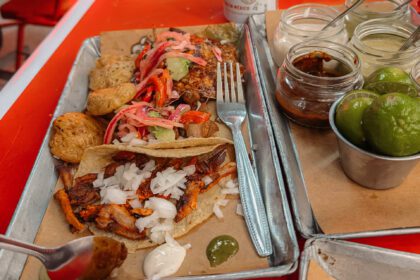
If one thing defines traveling in Mexico, it is eating on the street. Some of the best food in the country comes from taco stands, market stalls, and sidewalk kiosks, and the value is unmatched. The best signal to follow is the one locals use: go where the line is longest, because a busy stand turns food over quickly and has a reputation to protect. Each region has its own specialties, so look for tacos al pastor in Mexico City, tlayudas in Oaxaca, and cochinita pibil on the Yucatan Peninsula. Mexico City alone could keep you eating for a week, and we have ranked our favorite spots in our guide to the best tacos in Mexico City.

All Articles

All Mexico travel guides

16 Best Tacos in Mexico City That Will Make You Salivate

Here are 16 best tacos in Mexico City that are worth the stop. Ranging in neighborhood, flavor, and price point, there really is a taco spot for everyone!
21 Min Read

Where to Stay in Mexico City and Other Logistics You Need to Know for your Visit

Everything to help plan your trip to visiting Mexico City, including safety, neighborhood, transportation, and food information.
15 Min Read

The Top Things To Do in Mexico City For Your First Visit (4 Day Itinerary)

An itinerary with the best things to do in Mexico City to see the highlights and where to dive deeper into this culturally rich city.
31 Min Read

The Top Things to Do in Oaxaca: the Food Capital of Mexico

Oaxaca is the food capital of Mexico. This article discusses the logistical information and itinerary you need to best visit this city.
30 Min Read

8 Top Archaeological Sites in Mexico and How to Visit Them

An overview of some popular archaeological sites in Mexico within the Yucatan Peninsula (Cancun area), Oaxaca, and Mexico City and how to visit them.
22 Min Read

Everything You Need to Know to Personalize Your Cancun Itinerary

Visiting Cancun, Tulum, or Riviera Maya? Unsure what to do? Follow this Cancun itinerary guide to tailor your vacation to your interests!
18 Min Read

First-hand

How we've traveled Mexico

These are Kevin and Melina‘s personal posts from their own Mexico trips. First-hand accounts of the places, experiences and moments that built the foundation for every guide on this page.