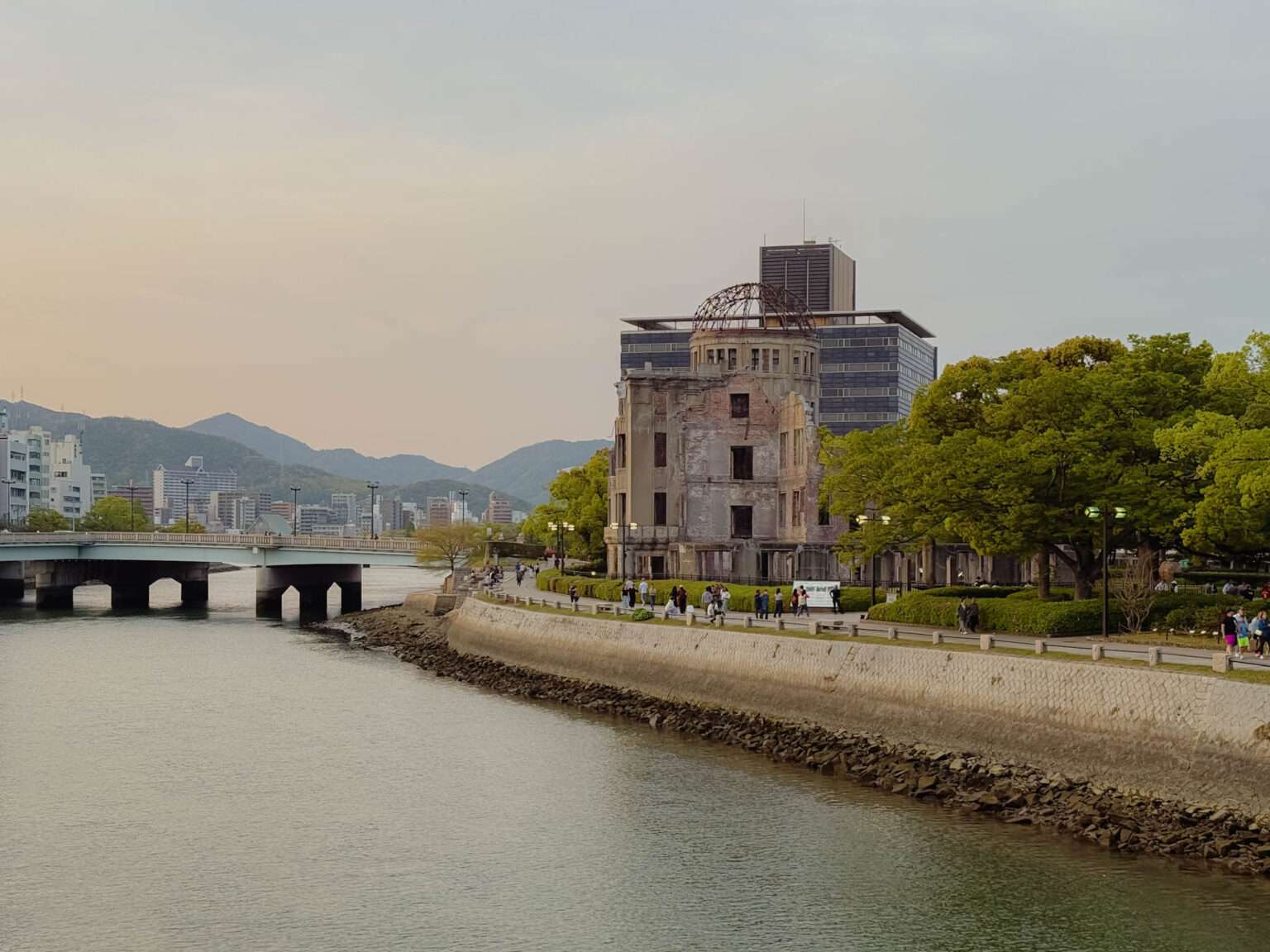
Hiroshima is the city of peace in Japan, driven by its complex history and significance in World War II. The atomic bomb that fell on Hiroshima had an immense impact on the city, killing hundreds of thousands of people and even torturing survivors of the blast with radiation damage that would kill them in horrific ways. Today, Hiroshima does not want the world to forget this horrific tragedy and continues to share its story to promote peace and prevent the use of nuclear warfare in the future. This itinerary is written as a 3 day itinerary. However, if you forgo visiting Himeji Castle as part of your Hiroshima Itinerary, you can combine days 1 and 3 and visit Hiroshima over 2 days.
Hiroshima Itinerary Day 1: Getting to the City (Stopping at Himeji Castle)
Getting to Himeji Castle from Kobe (or Anywhere North)
The Shinkansen (high-speed train) travels to Hiroshima from Tokyo, Osaka, Kyoto, and Kobe. On your way to Hiroshima, consider stopping at Himeji, a town that is dominated by a beautiful castle, the largest one in all of Japan. The castle is located just one hour outside of Hiroshima and can be reached with the Shinkansen. And when it comes to your luggage, you can rent lockers at the train station of Himeji to leave your suitcases while you explore the castle grounds. If you are not going to Hiroshima, you can visit Himeji Castle as a day trip from Osaka, Kyoto, or Kobe. The walk from the station to the entrance of the castle is 20 minutes.
Himeji Castle
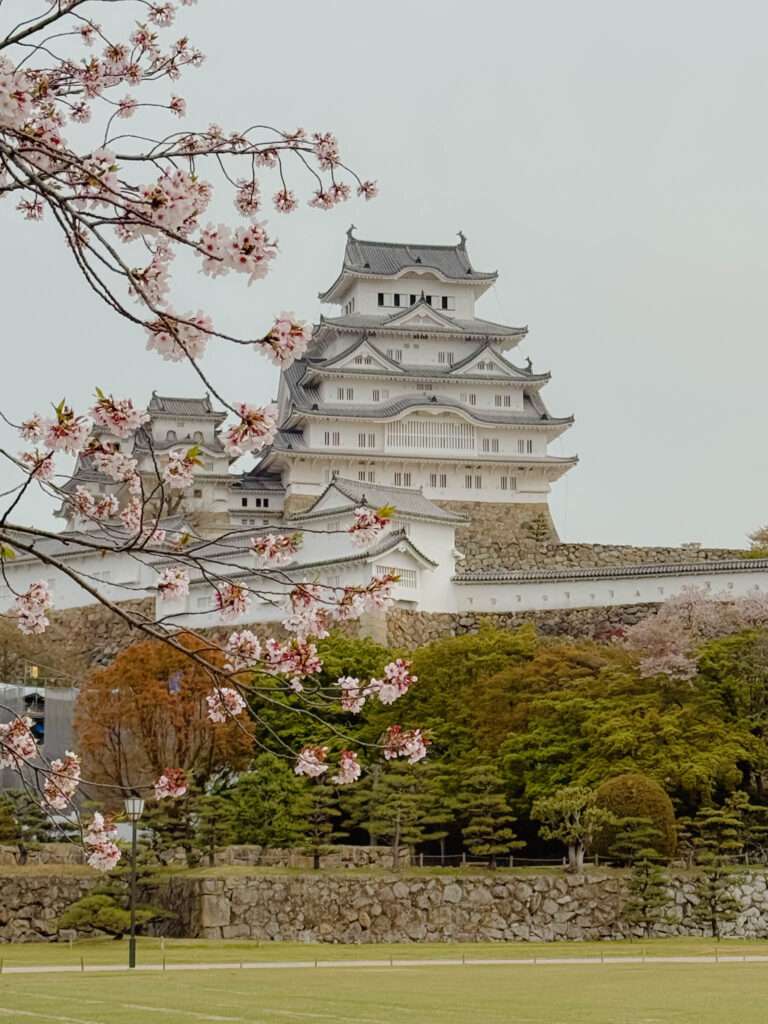
The Himeji Castle is the largest and most visited castle in all of Japan. Uniquely, this castle was never destroyed by earthquakes, fires, or warfare. Built in the 1400s and expanded until the 1600s, this castle is one of twelve castles in Japan that are considered original.
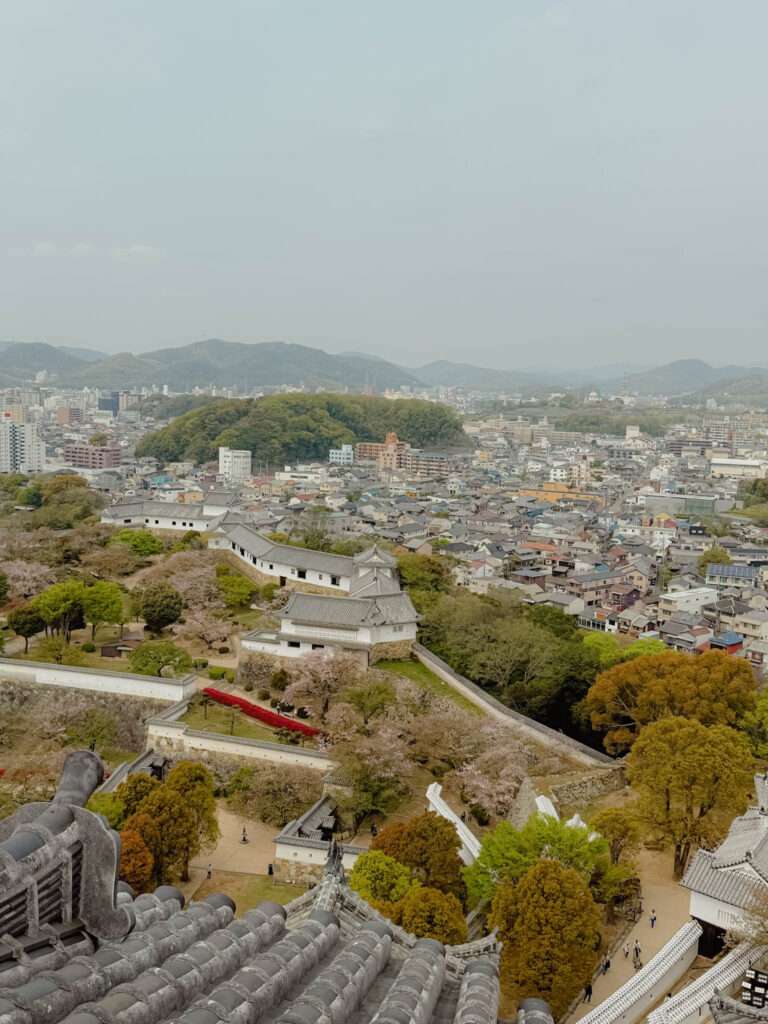
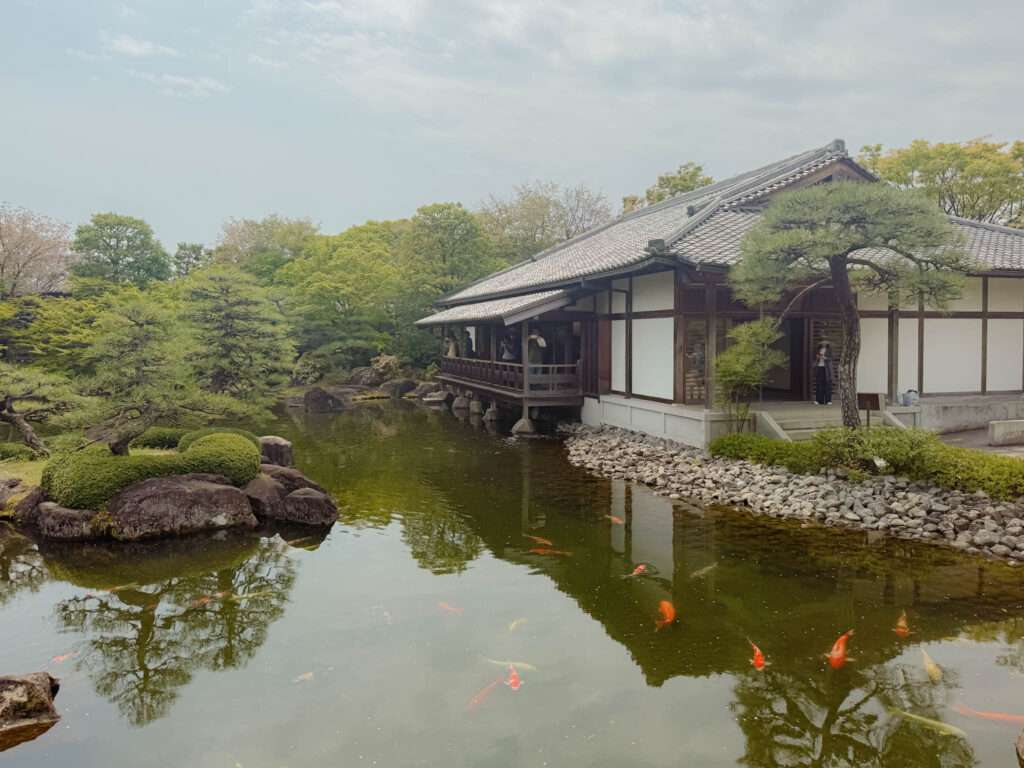
The main structure of Himeji Castle was used to store weapons and food in time of peace and as a fortified structure during warfare. Today, you can visit the grounds of the castle, some of which can be discovered for free. With a paid ticket, you can go up to the top floors of the castle, getting beautiful views of the castle grounds, surrounding town, and landscapes. Throughout, you will find placards in Japanese and English that explain the important parts of the castle.
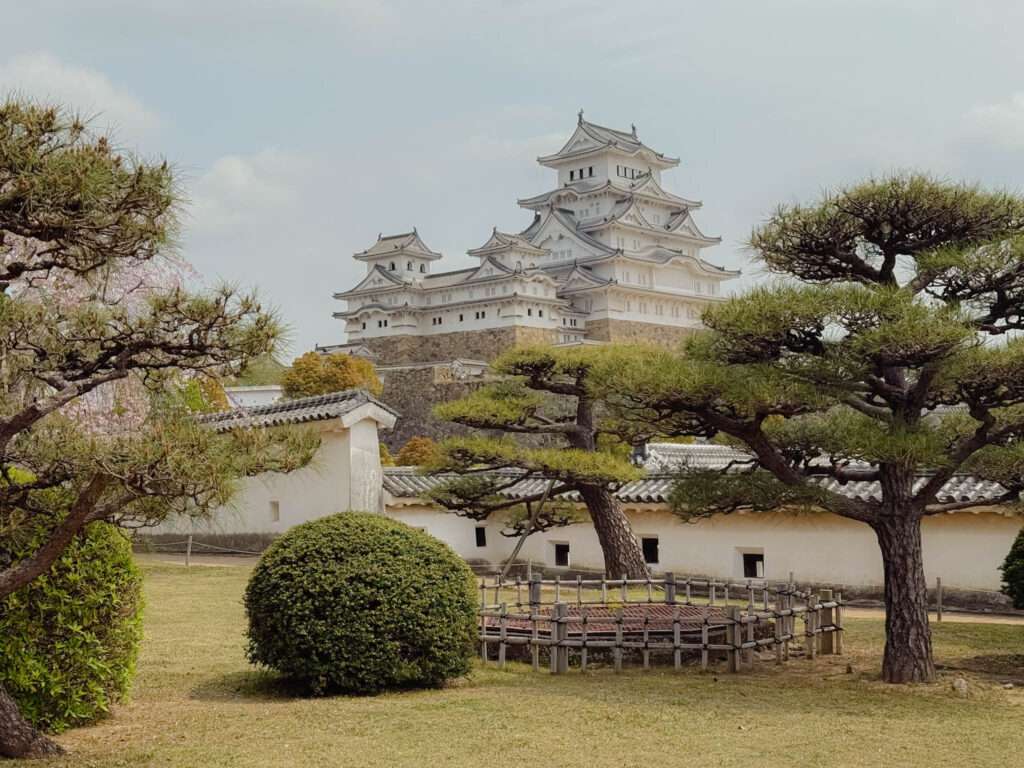
This castle is incredibly popular year-round and especially during the cherry blossom season in the spring. The blooming trees throughout the gardens add another layer of beauty to the castle grounds. That being said, we recommend visiting as early as possible in the day to avoid large tour groups and school groups that inevitably will make stops at the castle.
Getting from Himeji Castle to Hiroshima
To get from Himeji Castle to Hiroshima, you can take the Shinkansen. Hiroshima is just an hour away from the castle. If you are going directly between Kyoto or Osaka and Hiroshima, the train trip will take between 1.5 and 2 hours.
A Free Hiroshima Walking Tour
While we all know that Hiroshima was the site of the first atomic bomb detonation, what we may not all understand is the impact that the war and the bomb had on the people of Hiroshima, including how it affects the inhabitants today. While the bomb’s physical impact is no longer a danger to the people of Hiroshima, its psychological impression is omnipresent.
Taking a walking tour as part of your Hiroshima itinerary, led by a local guide, is the best way to start to grasp the history and the impact of that history on the local communities. This tip-based tour walks you through some of the cultural highlights located in the center of Hiroshima. In addition, you will get a local perspective on the impact of nuclear bombs and weapons in the world through the repercussions that continue to emanate in the culture of Hiroshima today.
Okonomiyaki for Dinner
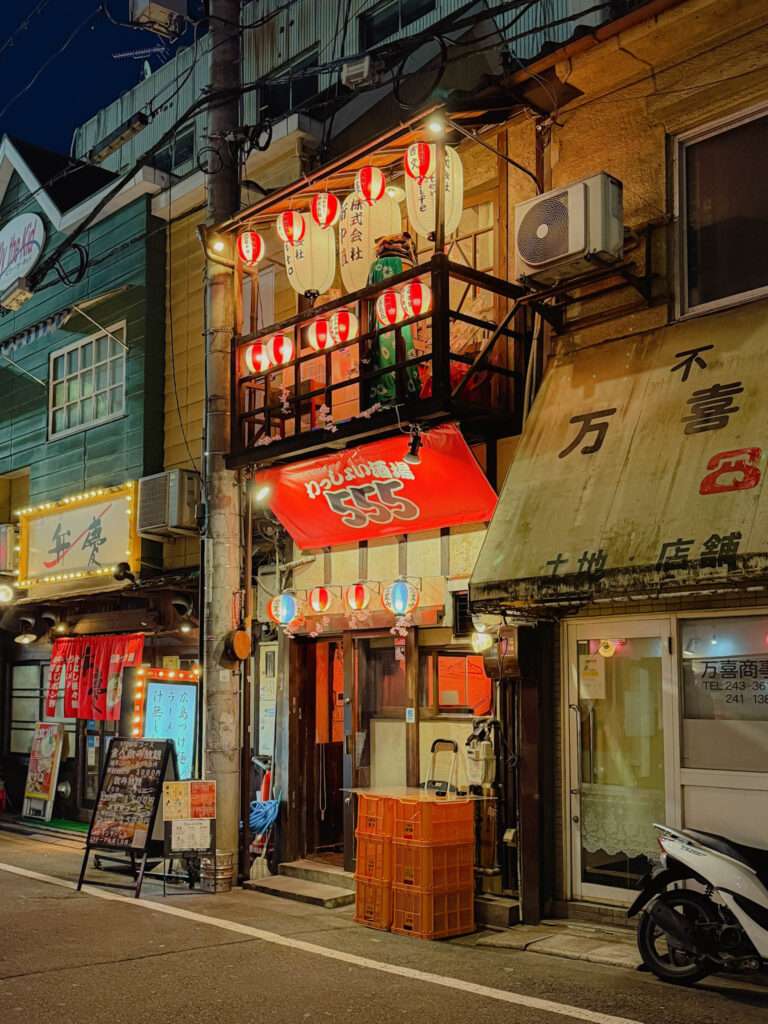
Okonomiyaki is the most popular local food of Hiroshima and is sometimes called Japan’s pizza. This savory dish consists of layers of a batter with shredded cabbage, meat or seafood protein, other toppings to customize it to your satisfaction, and topped with the sweet/savory okonomi sauce. Noodles and fried eggs are also popular toppings for the dish. All this is cooked on a flat griddle and served as seen below. You can also try a version of the dish in Tokyo at Monja Street.

Hiroshima Itinerary Day 2: Miyajima and the Floating Torii Gate
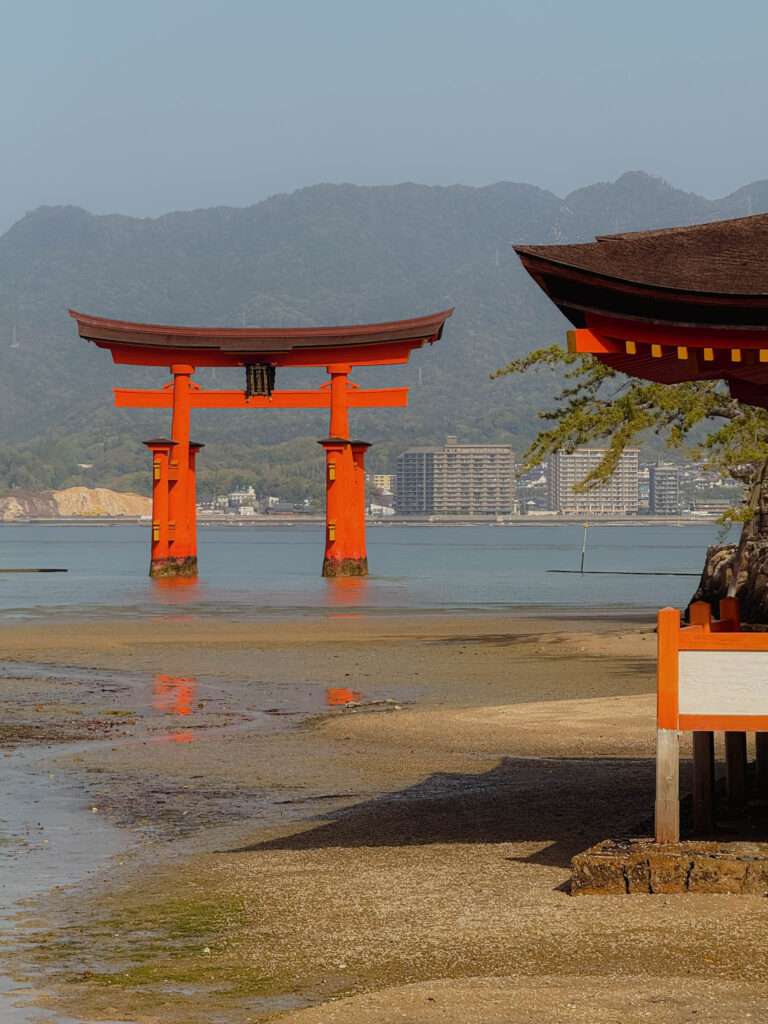
Miyajima is a small town on an island just off the coast of Hiroshima. It is famous for its torii gate that is located in the ocean and, during high tide, appears to be floating in the water. Due to its proximity, visiting Miyajima is an easy day trip to include in your Hiroshima itinerary.
Getting from Hiroshima to Miyajima
There are two ways to get to Miyajima from Hiroshima. You can take a ferry from the Motoyasu Pier Hiroshima in the center of Hiroshima to the island, taking 45 minutes. You will have to purchase a ticket for this ferry. The other option is to take a local train to the Miyajimaguchi station where you can take a 10 minute ferry to Miyajima. This second option is great for those who have a JR pass or prefer to pay for the transportation with your train card as both forms of transportation are included in the pass.
Itsukushima Shrine Otorii Gate
The main reason people visit Miyajima is to see the floating torii gate located at Itsukushima Shrine. Because of the tides, the beauty of the gate and the entire shrine peaks during high tide, which changes daily. The shrine is the busiest in the mid-afternoon when many of the tour groups come to visit the shrine.
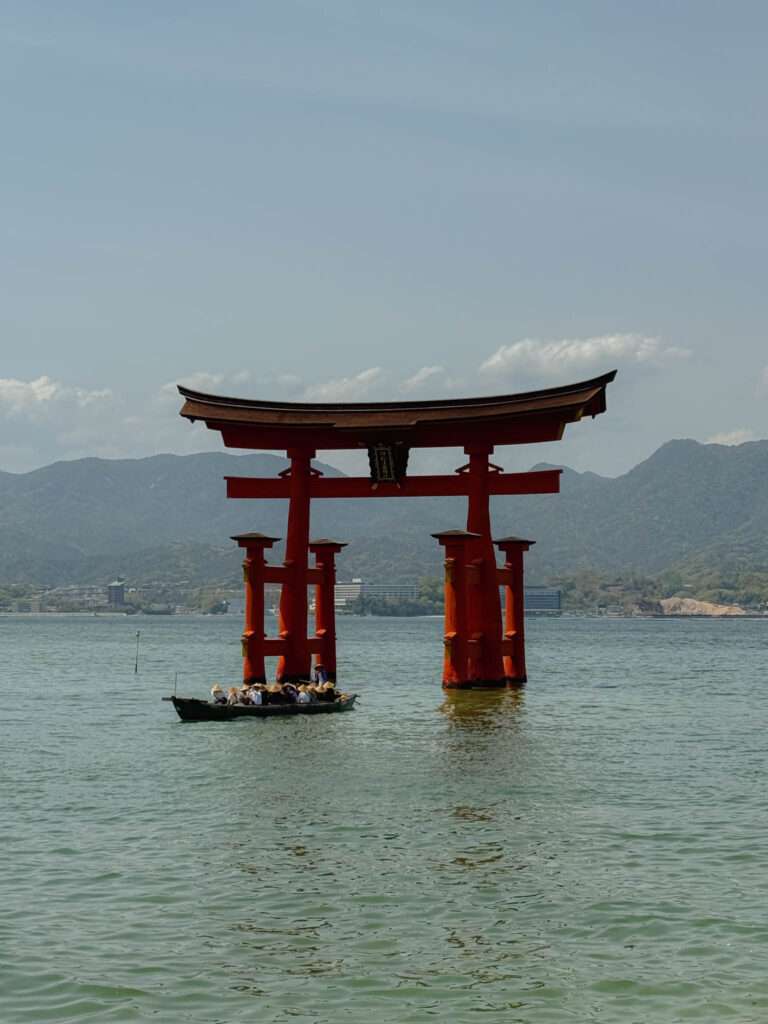
A ticket into the shrine is reusable throughout the day so we recommend purchasing a ticket into the shrine as soon as you get to Miyajima (as early as possible). You can walk around the shrine then while there are very few people around, no matter where the water level is. Then, if the tide is higher in the afternoon, you can bypass the ticket purchasing line and enter right into the shrine.
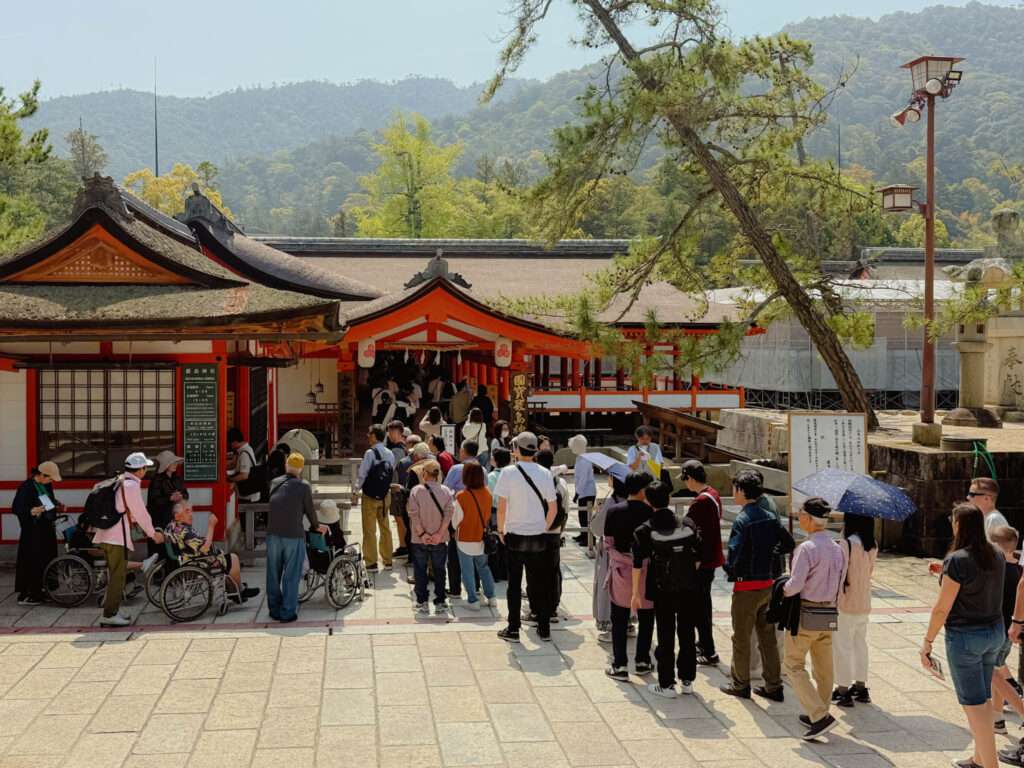
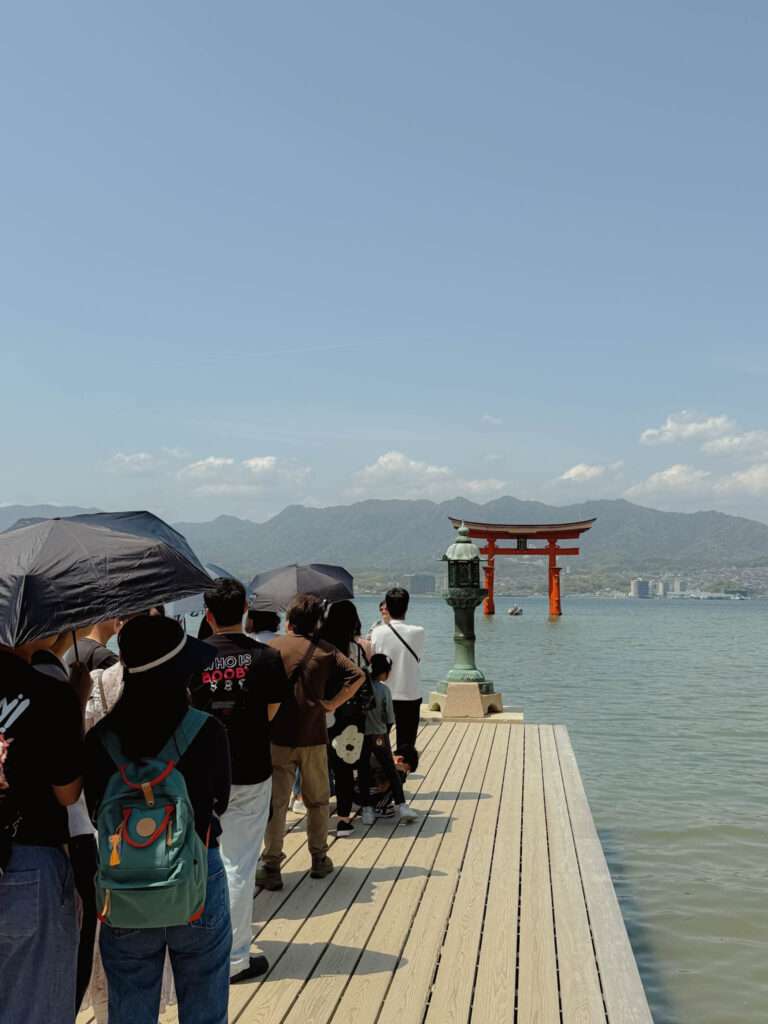
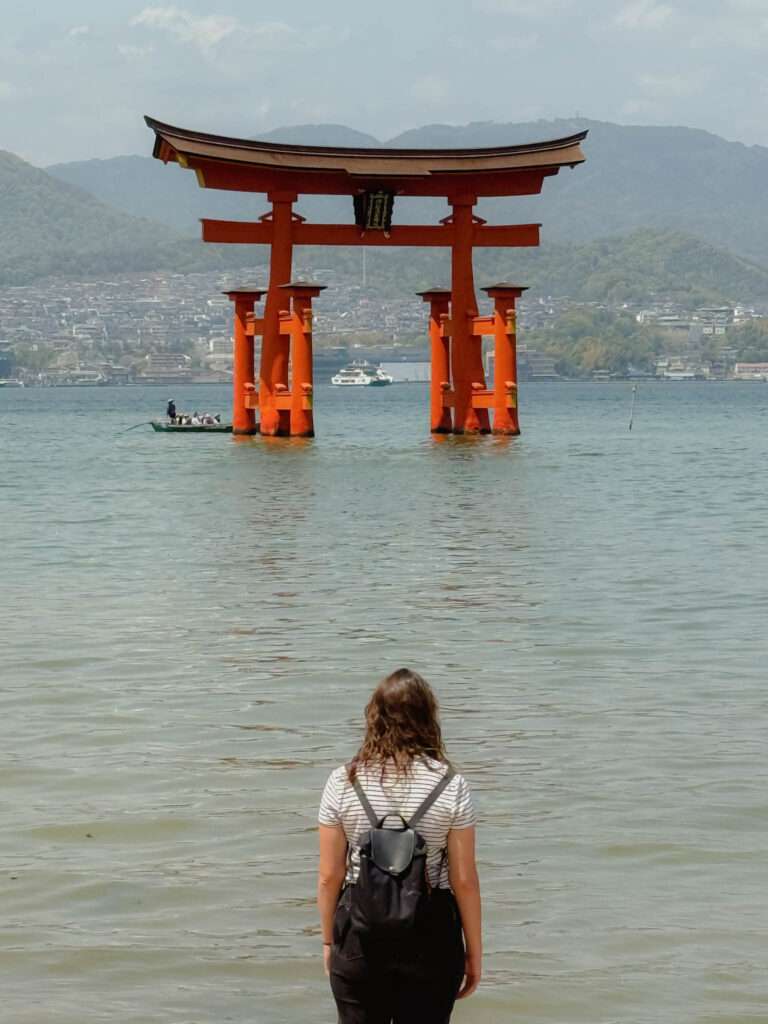
While getting a photo from the end of the shrine towards the torii gate is very popular, you can also get a photo at the beach adjacent to the shrine without having to wait in line and with fewer crowds.
Miyajima Omotesando Shopping Street
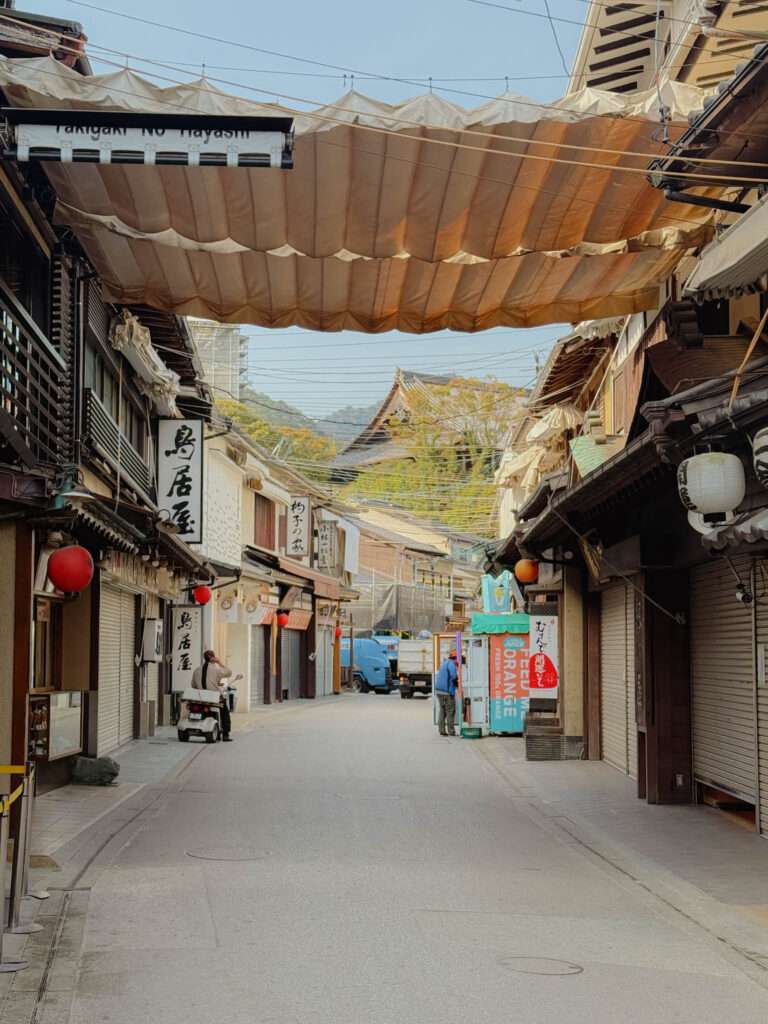
Miyajima’s Omotesando street is the most popular street within the town. Here you will find souvenir shops, street food, restaurants, etc.
Momijidani Park
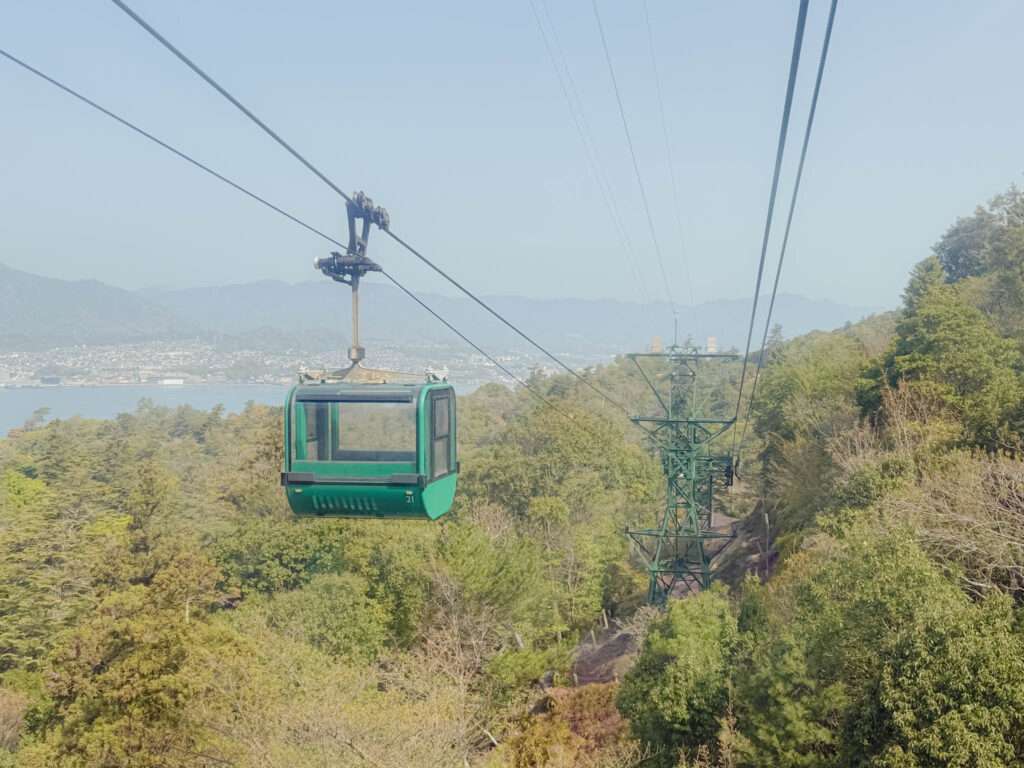
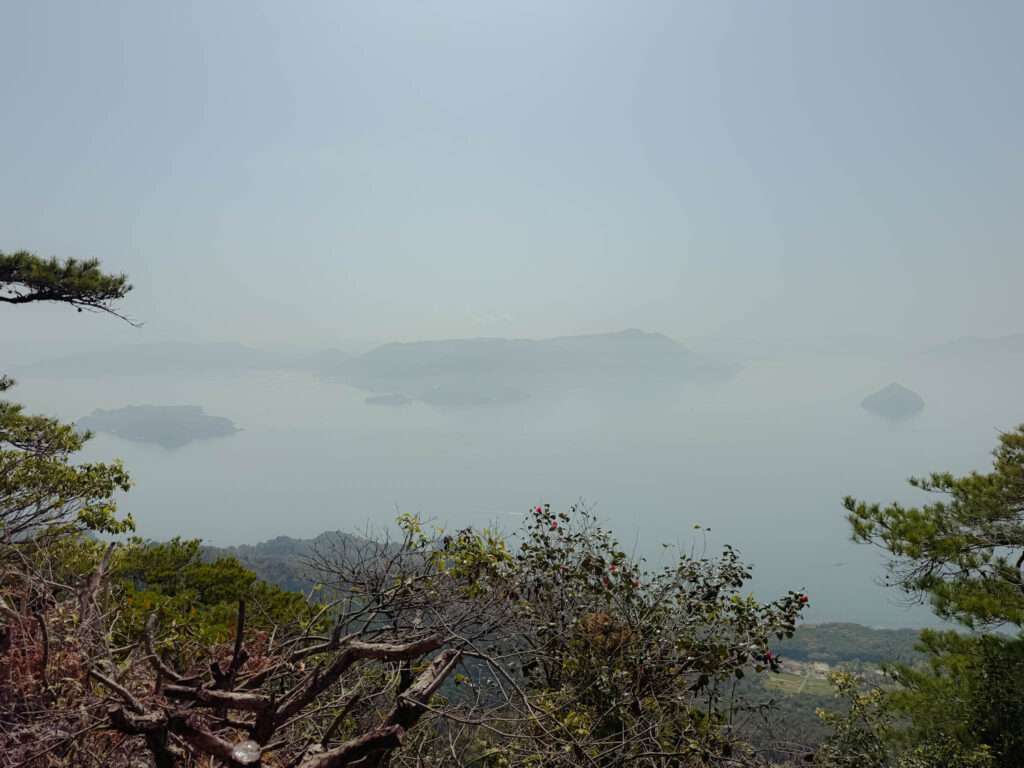
While waiting for high tide for the torii gate, or after you get the chance to explore the shrine, make your way to Momijidani Park where you can ride the ropeway up to the top of Mount Misen, the highest peak of the island. There are also hikes that can take you to the peak. While the ropeway does eliminate the majority of the climbing, you will still have to walk about 15 minutes to reach the start of the ropeway from Miyajima. Once at the top, you will also have to walk up a bit to reach the various viewpoints that give you views of the Hiroshima Bay.
The line for the ropeway may get longer throughout the day so we recommend going as early as possible after you purchase your ticket to go into the Itsukushima Shrine.
Hiroshima Itinerary Day 3: Diving Deep into Hiroshima's History
The third day of your Hiroshima itinerary will be pretty heavy, diving deeper into the World War II history of the city and the impact of the nuclear bomb that demolished the city and the community.
Hiroshima Peace Memorial Park
The Hiroshima Peace Memorial Park dominates the city center of Hiroshima. This space is dedicated to memorializing the tragedy that was the detonation of the atomic bomb on Hiroshima during World War II and remember the men, women, and children who died. The bomb killed between 70,000 and 80,000 people immediately or in the first day of the bomb’s detonation. However, due to the after affects of radiation, it is estimated that between 100,000 and 200,000 have died from the atomic bomb when including all the cancers that appeared in the years following the bomb.
Throughout the park, you can find various memorials that remember the tragedy. But this park is dedicated to fighting for peace around the world. Some notable aspects of the park include the following:
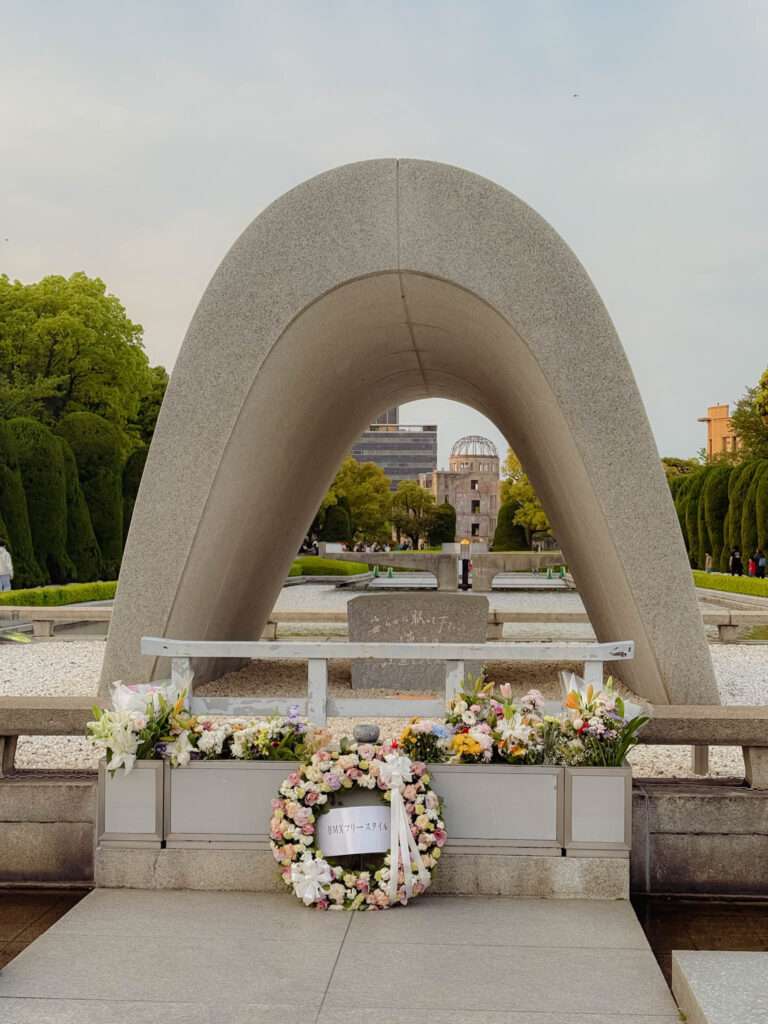
- The Hiroshima Victims Memorial Cenotaph with the Pond of Peace and Flame of Peace: this is the central piece of the memorial park and a dedication to the victims of the bomb and a reminder for peace in the future. The flame will continue to burn until all nuclear bombs are destroyed
- The Gates of Peace: These 10 gates are etched with the word “peace” written in 49 different languages. There are 10 gates to represent the 9 gates of hell in Dante’s Inferno with the 10th gate representing the hell on Earth that was Hiroshima in the aftermath of the atomic bomb. Near this memorial you will find the Prayer Fountain
- A-Bombed Phoenix Trees: the 24 trees took the full force of the atomic bomb blast and were thought to have been completely burned but they each had small buds that bloomed the following year, representing regrowth.
- Hiroshima National Peace Memorial Hall for the Atomic Bomb Victims: the memorial hall has opening hours if you are interested in entering the space to remember the victims of the bomb
- The Children’s Peace Monument: this monument is dedicated to the children who died or were affected by the atomic bomb that fell on Hiroshima. You will find thousands of paper cranes throughout the memorial, representing the story of Sadako Sasaki, a young girl who died from cancer as a result of the radiation poisoning of the atomic bomb. She folded over a thousand paper cranes, inspired by a Japanese legend. You can read more about her powerful story here
- The Hiroshima Peace Memorial Museum: the final piece of the memorial park is the museum, dedicated to informing and memorializing the history that is the atomic bomb and its effects on Hiroshima. You can read more about the museum below
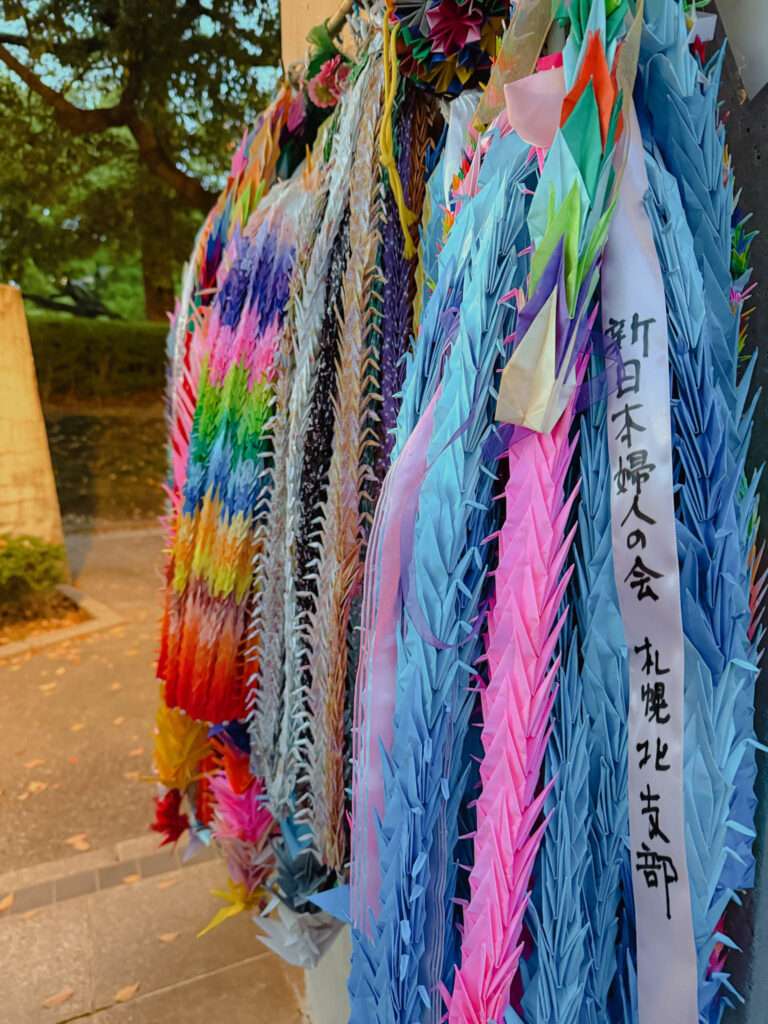
Hiroshima Peace Memorial Museum
The powerful Hiroshima Peace Memorial Museum is dedicated to eliminating any use or threat of use of a nuclear bomb in the future through the memorialization of the suffering that occurred in Hiroshima. The museum goes through the timeline of the bomb being detonated over the city and the effects of nuclear radiation on the population that survived the blast. Placards are written in both Japanese and English. The details, personal belongings, stories, and images in this museum do not skim over the horrific effect that the bomb had. Be prepared, especially if visiting with children. This is one of the most powerful museums that we have ever been to.
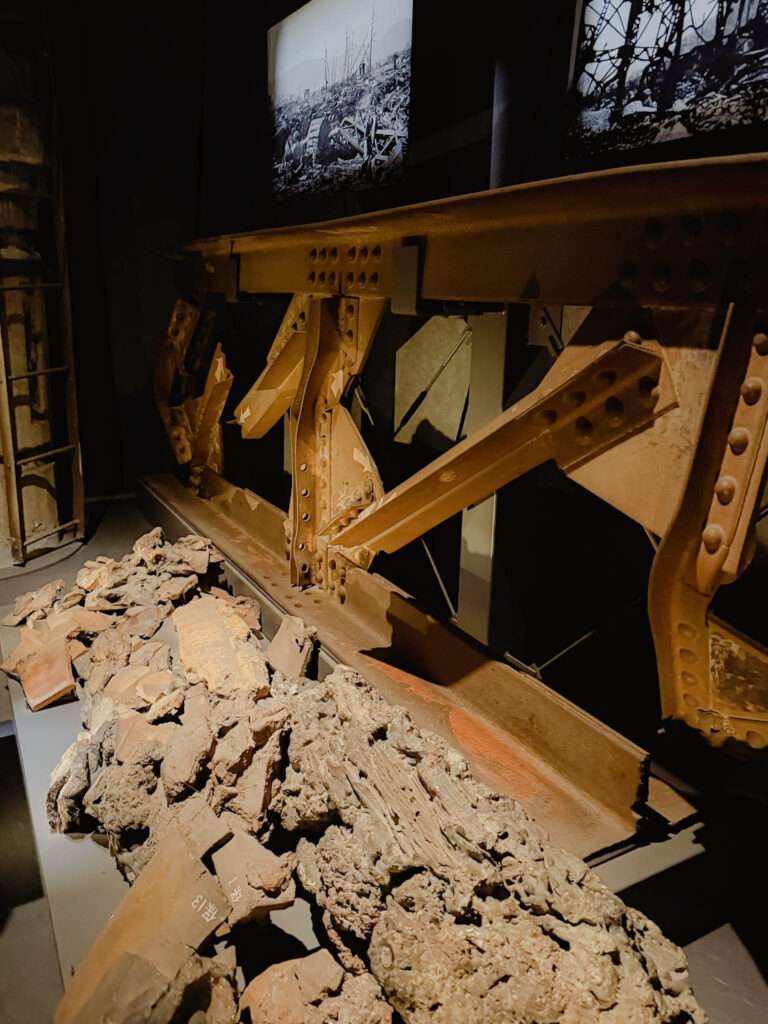
Before or After this Hiroshima Itinerary... Where Should You Go?
Distance from Hiroshima:
1.5 Hours
Distance from Hiroshima:
1.5 Hours
Distance from Hiroshima:
5 Hours