
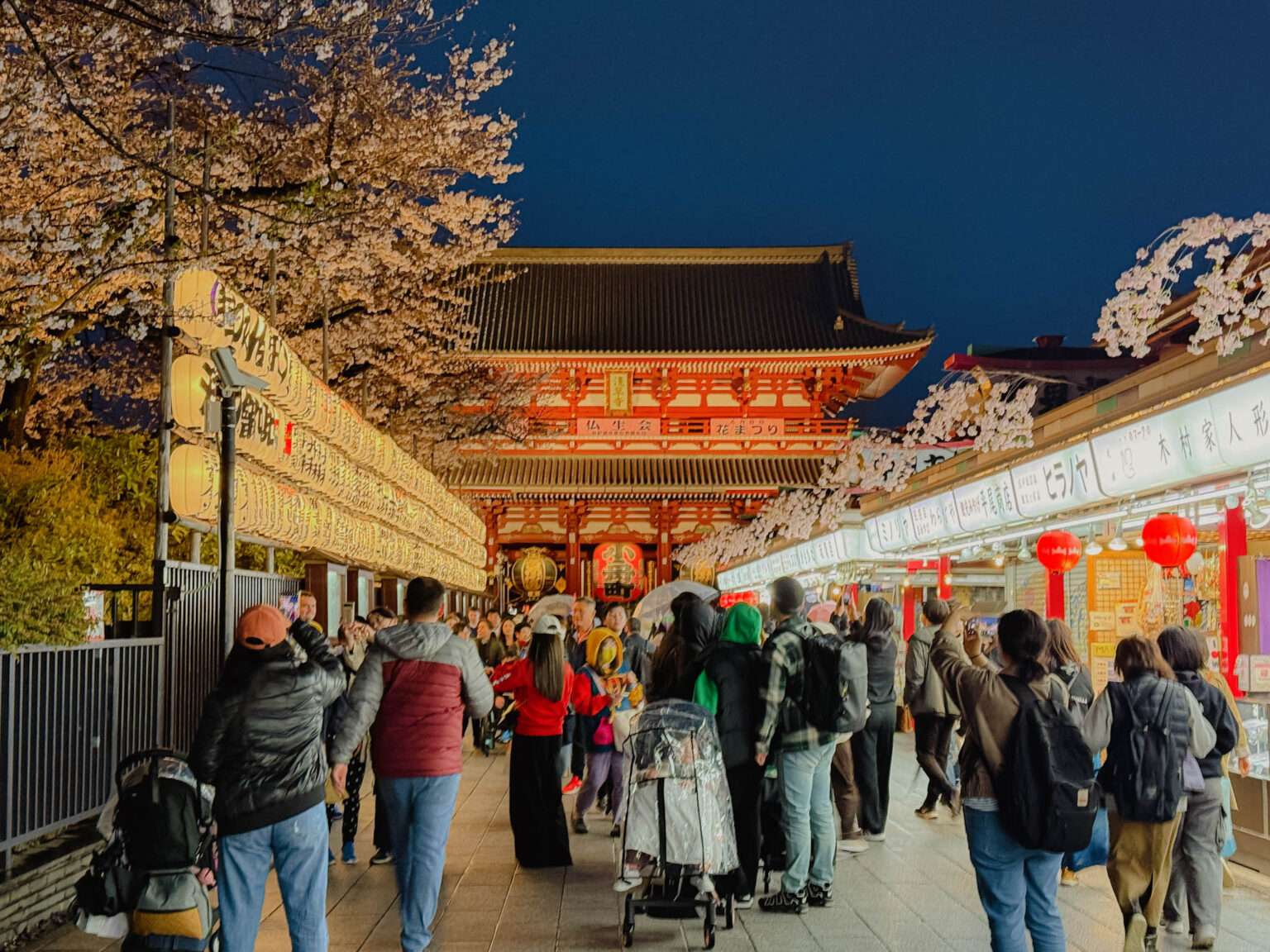
Sensō-ji · Tokyo, Japan
Japan Travel Guide
Ancient temples, neon cities, mountain onsen, delicious food everywhere, and culture unlike anywhere else, all connected by the best trains in the world.
Language
Japanese
Capital City
Tokyo
Currency
Japanese yen
Budget Range
price
Best time to visit
Late March to early April for cherry blossoms, and mid-November to early December for fall color. Spring and fall are the most comfortable, and the busiest. More detail in Planning Your Trip to Japan.
Typical Trip Length
Two weeks lets you anchor in Tokyo and Kyoto or Osaka, with day trips layered in between.
US citizens can visit Japan visa-free for up to 90 days. Check the requirements for your passport before booking. Some passport holders require a visa in advance so check your country's visa requirements before booking.
Tokyo and Day Trips
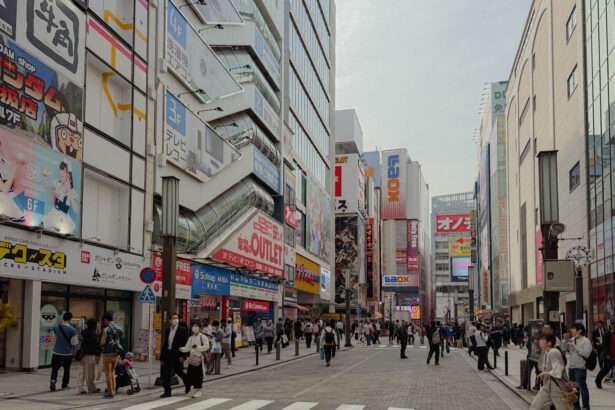
Tokyo and the Kanto region around it. Neon neighborhoods and quiet gardens in the capital, then day trips by train to Mount Fuji, the shrines of Nikko, and the onsen town of Kusatsu.
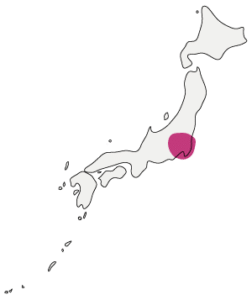
Entry point for most trips
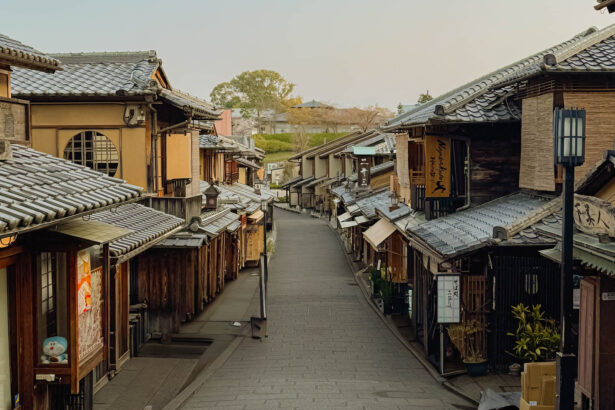
Kyoto and Osaka
The historic heart of Japan, in the Kansai region. Kyoto's temples and shrines, Osaka's street food, the deer and temples of Nara, and Kobe, all within an hour of each other by train.
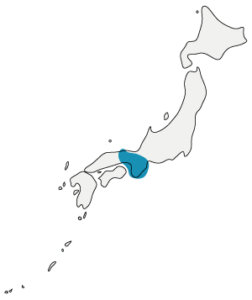
~ 2 hr 15 min by Shinkansen from Tokyo
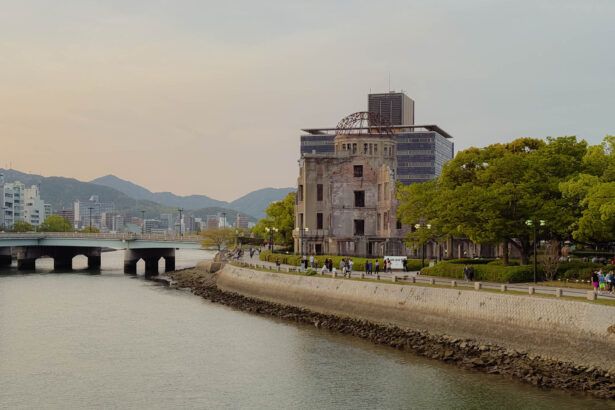
Hiroshima and Miyajima
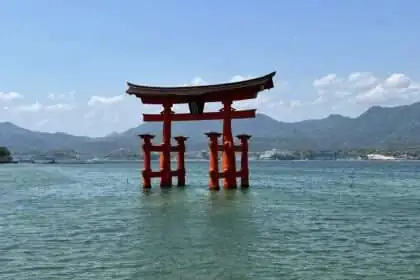
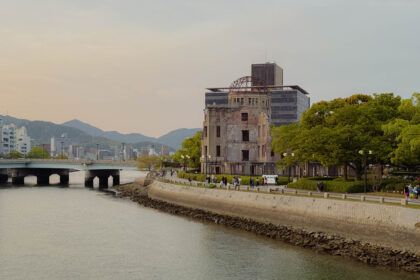
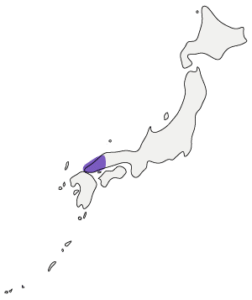
Western Honshu, in the Chugoku region. Hiroshima, the City of Peace, and Miyajima's floating torii gate a short ferry ride offshore.
~ 1 hr 40 min by Shinkansen from Kyoto
Kusatsu
Japan's best onsen town, built around the steaming yubatake (hot water field) in the center of town. A weekend trip from Tokyo.
Mount Fuji
The country's most iconic view, from the Chureito Pagoda above Fujikawaguchiko, as a day trip from Tokyo or an overnight.
Miyajima
An island a short ferry ride from Hiroshima, where the floating torii gate rises from the water at high tide and deer wander the streets.
Nara
Japan's first permanent capital, with deer that wander between some of the country's oldest temples. An easy day trip from Kyoto or Osaka.
Japan is best experienced as a multi-city journey. For a two-week trip, consider anchoring in Tokyo and Kyoto or Osaka, with day trips layered in between. The Shinkansen (bullet train) makes moving between regions fast and seamless.
reach out to us
Kyoto and Osaka
When is the best time to visit Japan?
Spring (late March to May) and fall (October to November) are the most comfortable seasons, with cherry blossoms in late March and early April and fall color from mid-November. They are also the busiest. June brings the rainy season, July and August are hot and humid, and winter is cold, clear, and quieter.
We traveled Japan during cherry blossom season. The weather was beautiful as were all the trees in bloom throughout the country. While busy, it was absolutely worth it to experience such an important cultural season in Japan.
Heads up
Golden Week (late April to early May), Obon (mid-August), and New Year are Japan's own holidays. Trains and hotels fill up, so book early or avoid those dates.
How many days do you need in Japan?
Two weeks is the sweet spot for a first trip: anchor in Tokyo and Kyoto or Osaka, with day trips layered in between.
10 days
Tokyo and Kyoto, with a day trip from each, such as Mount Fuji and Nara.
Best for a shorter trip
2 weeks
Anchor in Tokyo and Kyoto or Osaka, with day trips layered in between, and two days in Hiroshima.
Best for a first trip
3 weeks
Add Nikko, a weekend in Kusatsu, and Kobe, and slow down between cities.
Best for a slower pace
Good to Know
The Shinkansen (bullet train) makes moving between regions fast, so you can see more of Japan in two weeks than the distances suggest.
How much does a trip to Japan cost?
A comfortable mid-range trip covering accommodation, meals, trains, and activities typically runs $150 to $250 USD per person per day.
Long-distance trains are the cost that adds up fastest. Compare your route against a JR Pass before you go.
Do you need a visa for Japan?
No, if you hold a US passport: you can visit visa-free for up to 90 days. Register on Visit Japan Web before you fly to get one QR code for immigration and customs. It is optional, but it speeds up arrival.
Heads up
Japan charges a departure tax of 3,000 yen (about $19 USD), added to your airfare. A pre-travel authorization (JESTA) is planned for around 2028, so check the rules before booking.
Is the Japan Rail Pass worth it?
Only if your train trips add up to more than the pass. The Japan Rail (JR) Pass gives unlimited travel on JR trains between regions for a set number of days. Use a JR Pass calculator to compare before you buy.
You can order the pass in advance and pick it up at a JR station with your passport. Even with the pass, you need to reserve seats on certain trains, including the Shinkansen.
How to get to Japan
Most international travelers fly into Tokyo, at Haneda (HND) or Narita (NRT), with direct flights from many US cities. Kansai International (KIX), near Osaka, is the main gateway for Kyoto, Osaka, and western Japan.
check flights to Japan
We earn a commission if you book through these links, at no extra cost to you.
Getting There
Fly into Tokyo and out of Osaka (Kansai), or the reverse, to avoid backtracking on a Tokyo, Kyoto, and Hiroshima trip.
Heads up
Crossing the international date line, you lose a day flying west and gain it coming home. Keep track of that in your itinerary.
Japan's train network is one of the best in the world: punctual, clean, and extensive. It can also be confusing, because several companies run different stations, some only a few blocks apart. These are the four tools that make it simple.
Option 1
IC cards (Suica or Pasmo)
Best for trains and buses within a city
One card for every line in the city. Buy a tourist card at a station with cash and your passport, often at the airport station when you arrive, and top it up at IC loading points as you go.
Option 2
Shinkansen and JR trains
Best for traveling between cities
The bullet train connects the major cities. Buy tickets at any JR station (the kiosks are in English), and reserve seats on the Shinkansen.
Option 3
Tourist passes
Best for regional trips and day trips
Tourist information centers at major stations sell train and bus passes priced for, and only available to, international visitors. Ask before you buy single tickets.
Option 4
Guided day trips
Best for Mount Fuji or Nikko without planning transport
A guided trip from Tokyo handles the trains and buses for you, at the cost of setting your own pace.
Check San Blas tours on Viator
We earn a commission if you book through these links, at no extra cost to you.
Heads Up
You need cash to buy and top up an IC card. Carry some yen when you land, or use the ATMs at the airport.
Japanese phrases for travelers
English is not widely spoken outside of major tourist areas and hotels. Learning even a handful of Japanese phrases will go a long way: locals appreciate the effort, and it often opens doors that a phrasebook alone cannot.
こんにちは
konnichiwa
kon-nee-chee-WAH
hello
ありがとうございます
arigatou gozaimasu
ah-ree-GAH-toh go-ZAH-ee-mahs
thank you
すみません
sumimasen
soo-mee-MAH-sen
excuse me, I'm sorry
お願いします
onegaishimasu
oh-neh-GAH-ee-shee-mahs
please
英語を話せますか?
eigo wo hanasemasu ka?
AY-go wo hah-nah-seh-mahs-KAH
do you speak English?
___をください
___ wo kudasai
___ wo koo-dah-SAH-ee
please give me ___ (ordering)
いただきます
itadakimasu
ee-tah-dah-KEE-mahs
said before eating
ごちそうさまでした
gochisousama deshita
go-chee-SOH-sah-mah deh-SHEE-tah
said after a meal
Tipping and cash in Japan
Tipping
Do not tip. Tipping can imply that staff need charity, and service is a point of pride. This applies to restaurants, taxis, and tour guides (except tip-based tours). Saying arigatou gozaimasu (thank you) is all that is expected.
Cash
Japan is still heavily cash-based, especially outside the major cities. Card acceptance has improved in Tokyo and Osaka, but many restaurants, small shops, temples, and shrines are cash only, and they are often the best places to experience the culture.
Temple and shrine etiquette
Japan has thousands of temples (Buddhist) and shrines (Shinto), and they are active places of worship, not only attractions. At shrines, it is customary to bow slightly before passing through the torii (gate), rinse your hands at the temizuya (water basin), and make a small offering before praying. None of this is required of visitors, but it is appreciated.
Dress modestly, speak quietly, and look for signs before taking photos inside buildings. Some interiors charge a small entry fee, so bring yen, and you will remove your shoes in some halls.
Collecting goshuin and eki stamps
Shrines sell a book for collecting goshuin (calligraphy stamps), often treated as a pilgrimage. For a more casual souvenir, collect free eki stamps (station stamps) at stations and sights in a separate stamp book from a stationery shop. Do not mix the two in one book.
Onsen etiquette
Japan's onsen (hot spring baths) are a cultural institution and one of the most relaxing experiences in the country.
Before you enter
Onsen are nude and separated by gender. Wash thoroughly at the shower stations first.
In the water
Keep your towel out of the bath, and keep your voice low.
Tattoos
Most onsen do not allow visible tattoos, because of their historical association with organized crime. Policies vary, so check ahead.
Earthquakes in Japan
Japan sits on the Pacific Ring of Fire and has frequent seismic activity. Most earthquakes are minor and go unnoticed, and your hotel will have procedures in place.
Good to Know
Download the Safety tips app provided by the Japan Tourism Agency (iOS or Android). It sends you earthquake and tsunami alerts and includes emergency guidance in 15 different languages.