January through April is the most reliable window for a first visit. The Pacific side, Panama City, Boquete, and Santa Catalina are all at their best during these months: dry skies, lower humidity, and cool nights in the highlands. If you have flexibility and want the simplest possible trip, aim for February or March.
That said, Panama is a year-round destination. The wet season is not a reason to stay home. Understanding what each season actually delivers, region by region, will help you plan a trip that works for the time of year you have available.
Panama's two seasons explained
Dry season: December to April
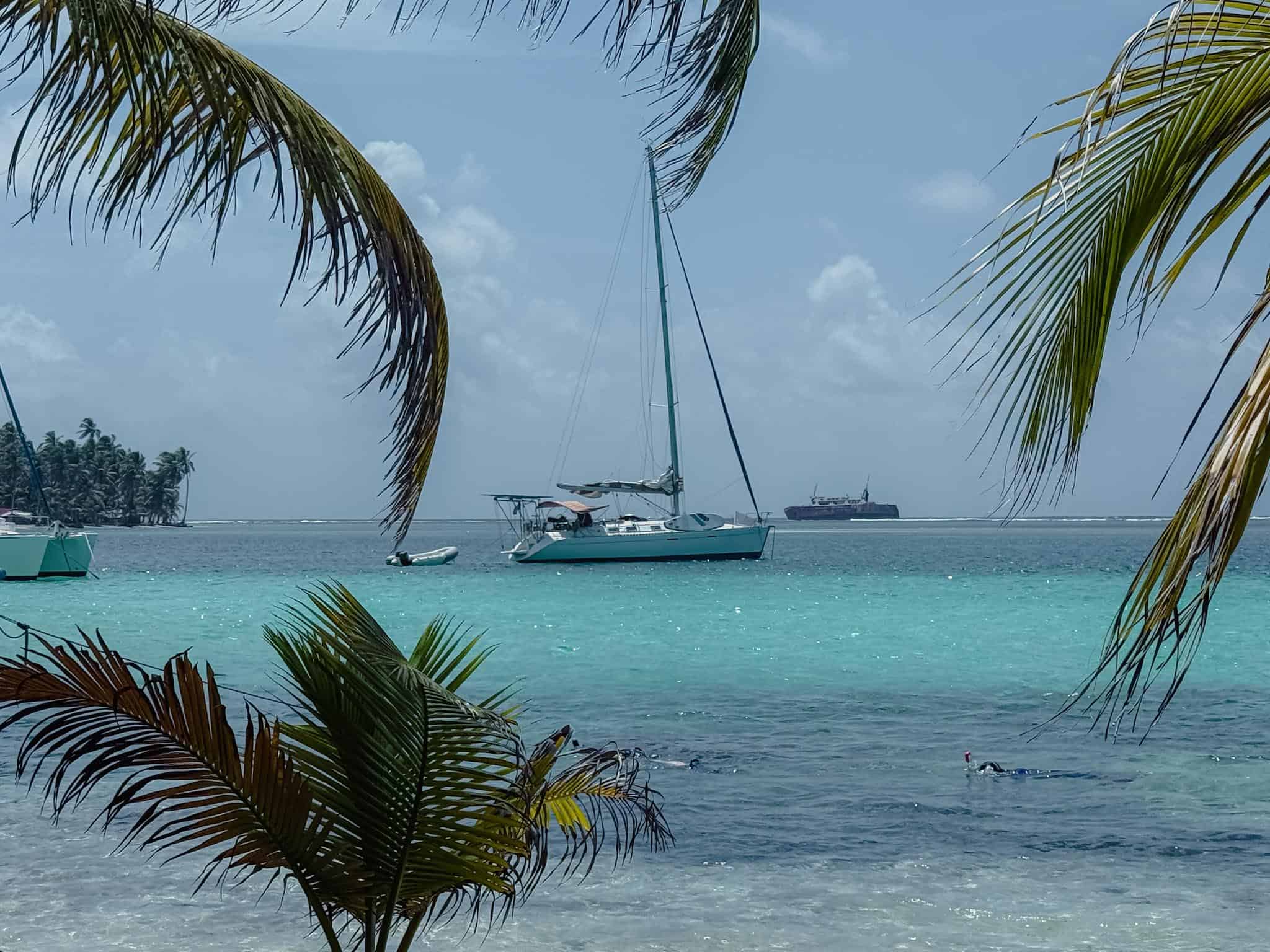
Panama’s dry season runs from roughly December through April across the Pacific side and the interior. Days are reliably clear, humidity drops noticeably, and travel between regions is easier. This is peak season for a reason: the Canal looks best under blue skies, hiking in Boquete is at its most comfortable, and San Blas delivers the postcard conditions you have seen in photographs.
December and January can bring some lingering rain from the tail end of the wet season, particularly in the highlands. By February the dry season is fully established, and it holds through April. This is also the busiest period for visitors, particularly around Christmas, New Year, and US school breaks in March. San Blas accommodation fills up early during these windows, so if you are planning to visit the islands, book well ahead.
Wet season: May to November
The wet season does not mean constant rain. Across most of Panama, the pattern is consistent: mornings are clear, skies open up in the afternoon, and by evening it has often passed. If you plan outdoor activities and excursions for the morning hours, you can move through the wet season with very little disruption.
I visited Panama entirely during the wet season, covering every region on the itinerary. The rain was lighter than I expected. On most days it came in the afternoon, lasted an hour or two, then stopped. The humidity that builds before a downpour can be intense, but the rain itself is often a relief. Panama is hot, and the afternoon showers cool everything down considerably. More than once it felt like a welcome break rather than a problem.
The wet season also means fewer visitors. Panama City, Boquete, and Bocas del Toro all feel noticeably quieter, and popular spots are far more relaxed without the peak-season density. It is one of the more underrated reasons to consider travelling outside the standard dry season window.
Best Time to Visit by Region
Panama City
Jan
Jul
Dec
Dry Season
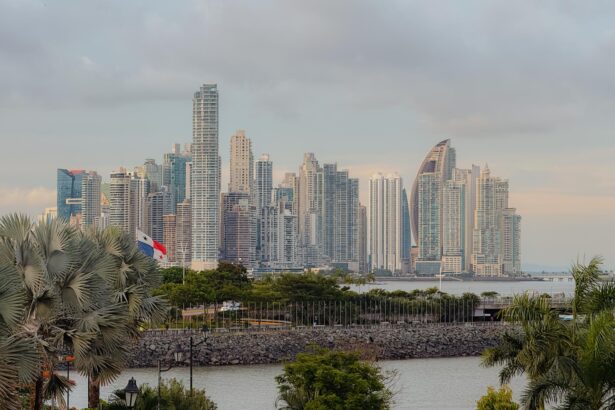
January through March brings clear skies, lower humidity, and comfortable temperatures for walking the waterfront, exploring Casco Viejo, and watching ships pass through the Canal. During peak visitor season, book ahead.
wet Season
May through October brings afternoon rain, typically an hour or two after midday, although it can rain all day. The Canal is still impressive, the covered food halls and museums are unaffected, and the city is noticeably quieter. Plan outdoor sightseeing for mornings.
Bocas del Toro
Jan
Jul
Dec
Dry Season
February through April and again September through October are the driest windows. Flat Caribbean seas make island-hopping straightforward, snorkeling visibility is at its best, and beach days are reliable.
wet Season
May through July and December bring the heaviest rain. Bocas runs on its own Caribbean calendar and its wettest months do not align with the Pacific dry season, so plan accordingly if combining regions.
San Blas Islands
Jan
Jul
Dec
Dry Season
February through April offers the most reliable conditions for San Blas. Calm seas make the crossing and boat transfers easier, snorkeling is excellent, and the outer islands are fully accessible. Accommodation fills fast though so book early.
wet Season
May through August and November through December bring rougher Caribbean seas that can limit access to the outer islands. Inner island stays are still possible but conditions are less predictable for both land accommodations and sailing opportunities.
Boquete & Panama Highlands
Jan
Jul
Dec
Dry Season
January through March is the best window for the Volcán Barú summit hike with clear skies give the best chance of seeing both oceans from the top. Coffee farm visits and the Quetzal Trail are also at their most comfortable in cool, dry conditions.
wet Season
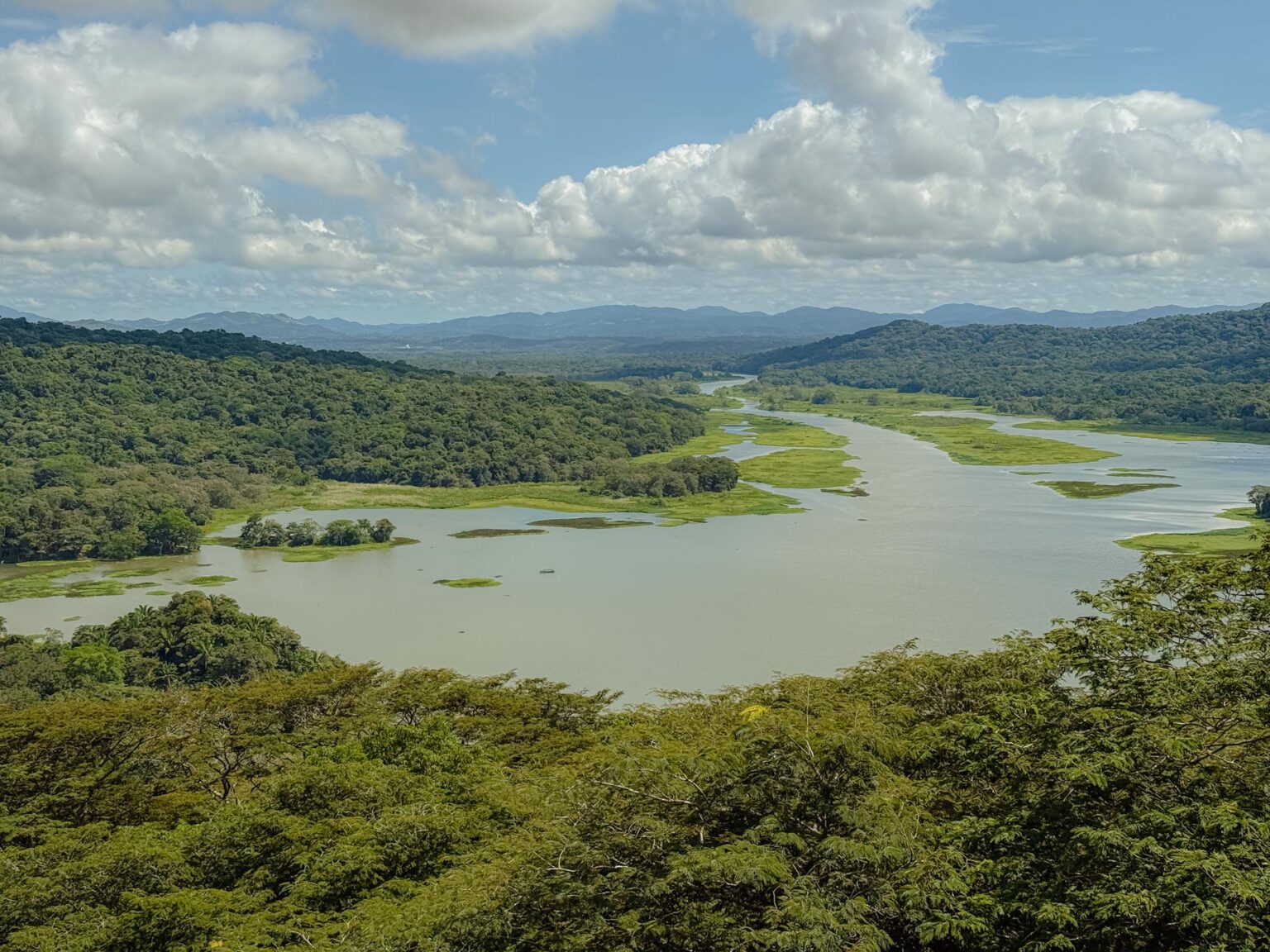
May through October brings cloud cover and heavier rain that can reduce visibility on the summit of Volcán Barú. Coffee farm visits and town exploration are less affected. The highland cloud forest looks intensely green and atmospheric in the wet season.
Valle de Antón
Jan
Jul
Dec
Dry Season
December through March is the most comfortable window. The natural crater bowl stays cooler than the coast year-round, and dry conditions makes the various hikes easy to enjoy. The cooler temperatures make the Valle de Antón a nice escape from the rest of Panama.
wet Season
June through October brings more rain but Valle de Antón handles it well. The hot springs and town center are all weather-independent. Hikes can be enjoyed between showers throughout the day. Works fine as a day trip from Panama City at any time of year.
Santa Catalina & Coiba
Jan
Jul
Dec
Dry Season
January through March offers the flattest seas and best underwater visibility for diving Coiba National Park. Surf breaks are consistent and waves are great for expert and beginner surfers alike. (Beginner surfers should consider the shoulder season for smaller waves.)
wet Season
May through October brings bigger swell that experienced surfers actively seek out, but the Coiba crossing can be rougher and dive visibility decreases. There may be fewer visitors in the water during these months.
Portobelo & Isla Grande
Jan
Jul
Dec
Dry Season
February through April and September through October are the calmest windows on this stretch of Caribbean coast. The Spanish forts at Portobelo are outdoor sites and best explored in dry weather. Isla Grande beaches are at their most inviting when the sea is calm.
wet Season
May through July and December bring heavier rain and rougher seas. The fort ruins are still worth visiting but the experience is more comfortable in dry conditions. Isla Grande beach days are less reliable and sailing around the islands may be rougher.
A Case for the Wet Season
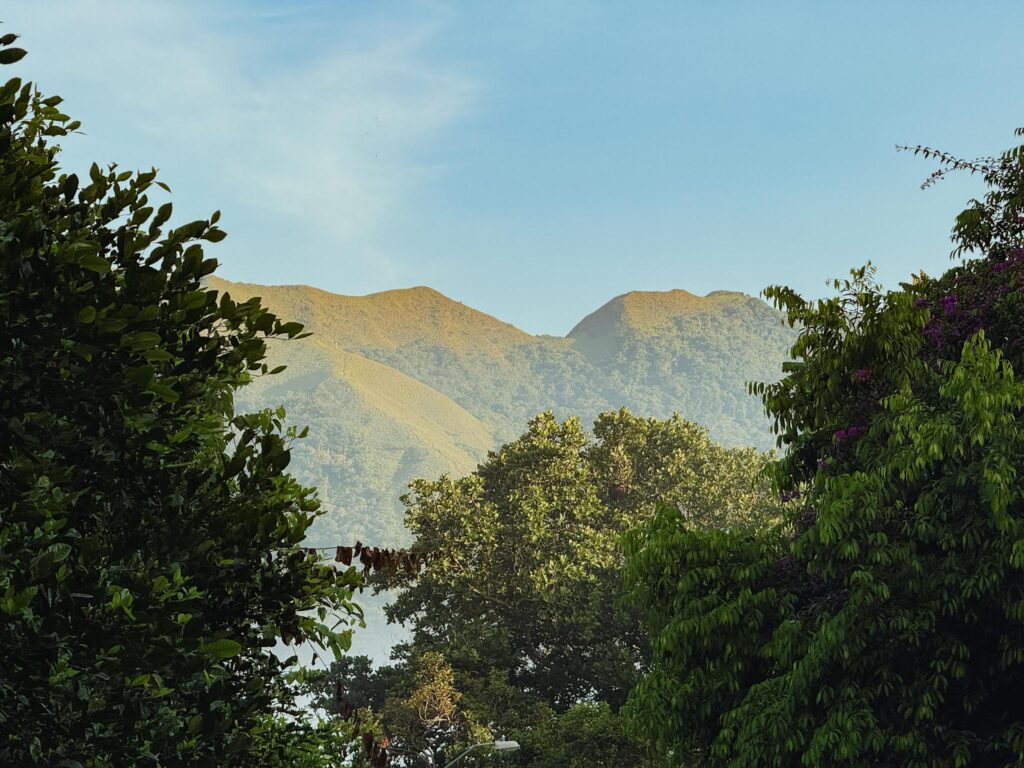
Most travel guides frame the wet season as something to avoid or tolerate. That framing undersells it. The rain keeps the landscape intensely green, wildlife is active, and the country is quieter. Every destination feels more spacious. You can walk through Casco Viejo without navigating tour groups. You can sit at a beach bar in Bocas without competing for the last table.
The key is adjusting your schedule rather than trying to outrun the rain. Plan anything that requires sunshine, clear skies, or ocean crossings for the morning. Use afternoons for indoor experiences: coffee tastings in Boquete, the Canal visitor centre, lunch at Mercado de Mariscos, the colonial churches of Portobelo. In most cases the afternoon rain is over within an hour or two, and evenings in Panama are typically dry.
One honest caveat: the wet season does occasionally produce full days of rain, particularly in October and November, which are the heaviest months across much of the country. If you are visiting in those months, build more flexibility into your daily plans than you would in February.
Traveling to Panama in January?