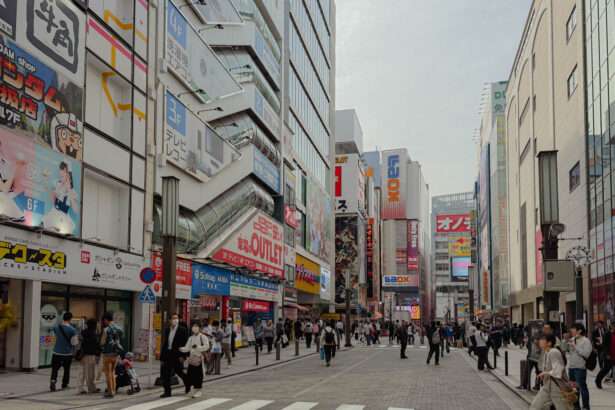
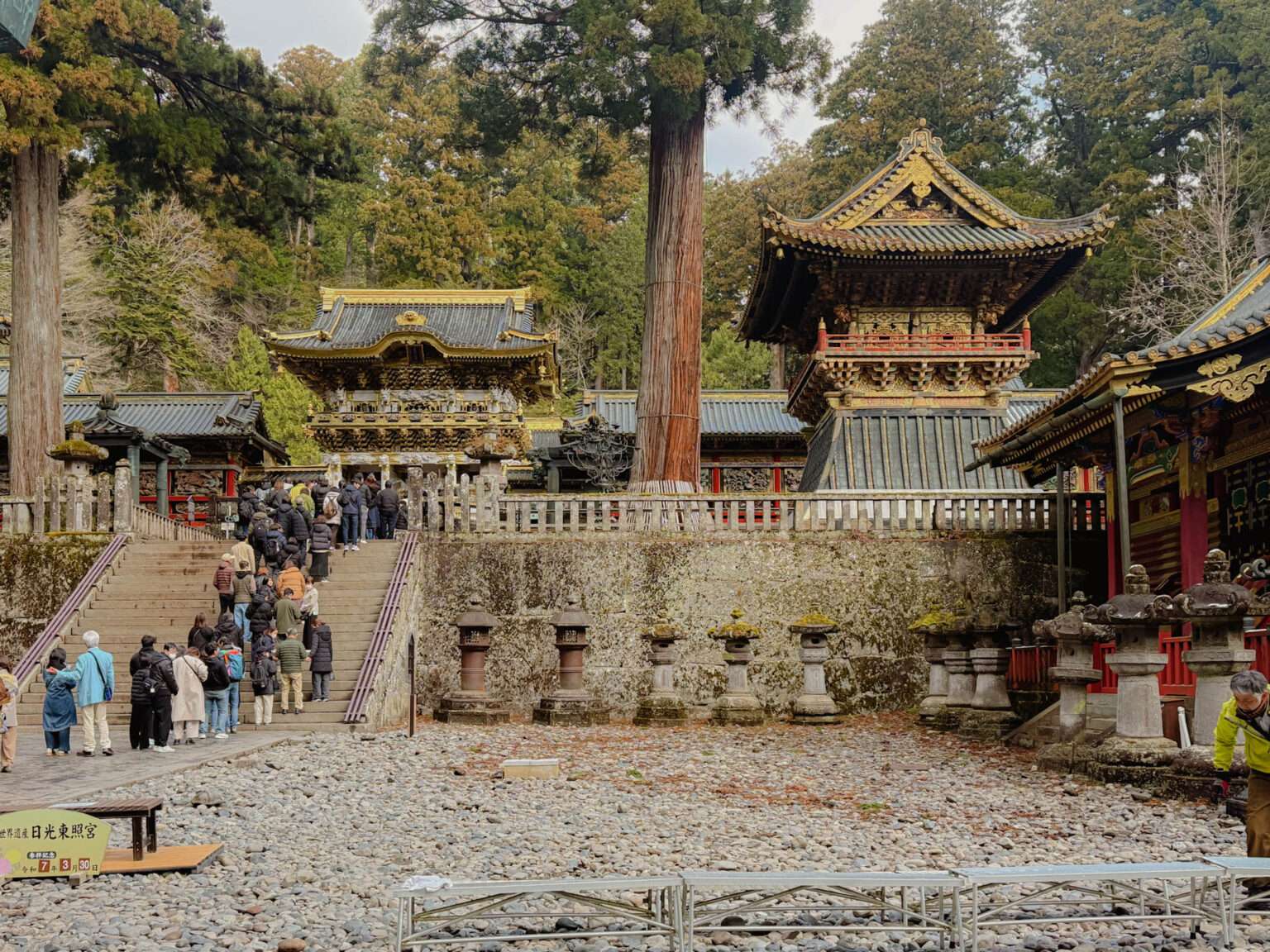
The town of Nikko, Japan is located just a few hours outside of Tokyo and it is the religious center of the country, full of Shinto and Buddhist shrines that are dedicated to important leaders in Japan’s history. If you want to see some beautiful and ancient temples in a forest environment, then a day trip to Nikko is a must-do! And if you want to spend even more time relaxing in this nature and visiting the UNESCO World Heritage site, then consider staying a night or two to have time to dive deeper into the different things that the region has to offer.
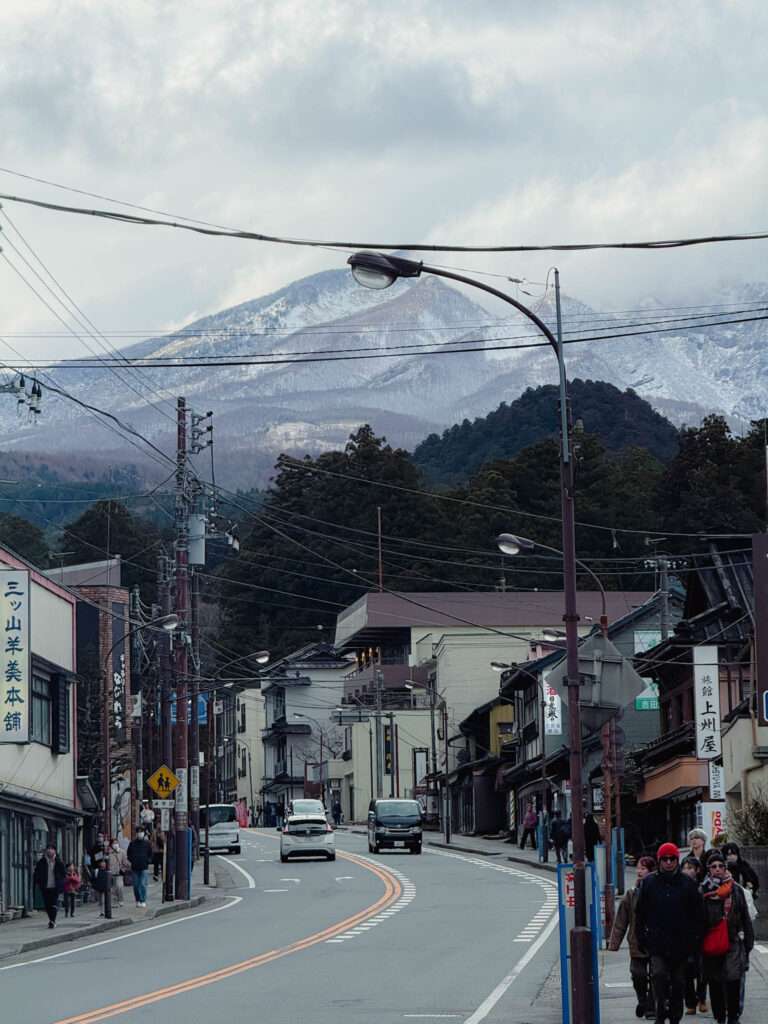
Getting to Nikko
There are two buses that go directly from Tokyo to Nikko: the JR train from Shinjuku Station to Nikko Station or the Tobu Line that departs from Shinjuku or Asakusa Station. We recommend getting a package with the Tobu train company that includes buses in the Nikko city area., especially if you do not have the JR rail pass. The Tobu pass includes local buses within Nikko. If you are only doing a day trip to Nikko, you will want the Nikko Pass World Heritage Area. If you are spending more the 2 days in the region, consider getting the Nikko Pass All Area that allows you to get to areas beyond the World Heritage area over four consecutive days. You can read more about the pass and how to purchase it in advance here.
Temples to Visit for Your Day Trip to Nikko
The UNESCO World Heritage complex of temples in Nikko consists of many structures but the most important pieces of the site are the three main temples of Nikko. Here are the differences between the three sites and the most significant ones to discover on your day trip to Nikko.
For each of the shrines, you will have to purchase a ticket to enter the grounds of the temples. For the Nikko Toshogu Shrine, you can bundle the ticket with the museum that is located near the temple.
Note:
For all the religious structures and artifacts around the various complexes, you will not be able to take photos in the interior of the shrines and the museum. You will also have to take off your shoes when entering the shrine structure of the complex so make sure that you are wearing clean socks!
Nikko Toshogu Shrine
The Toshogu Shrine is the most popular and lavish of the shrines and temples within Nikko. And you will want to get to this site first thing in the morning to avoid long lines to get tickets and walk around the entire complex of the shrine. It will quickly get busy!
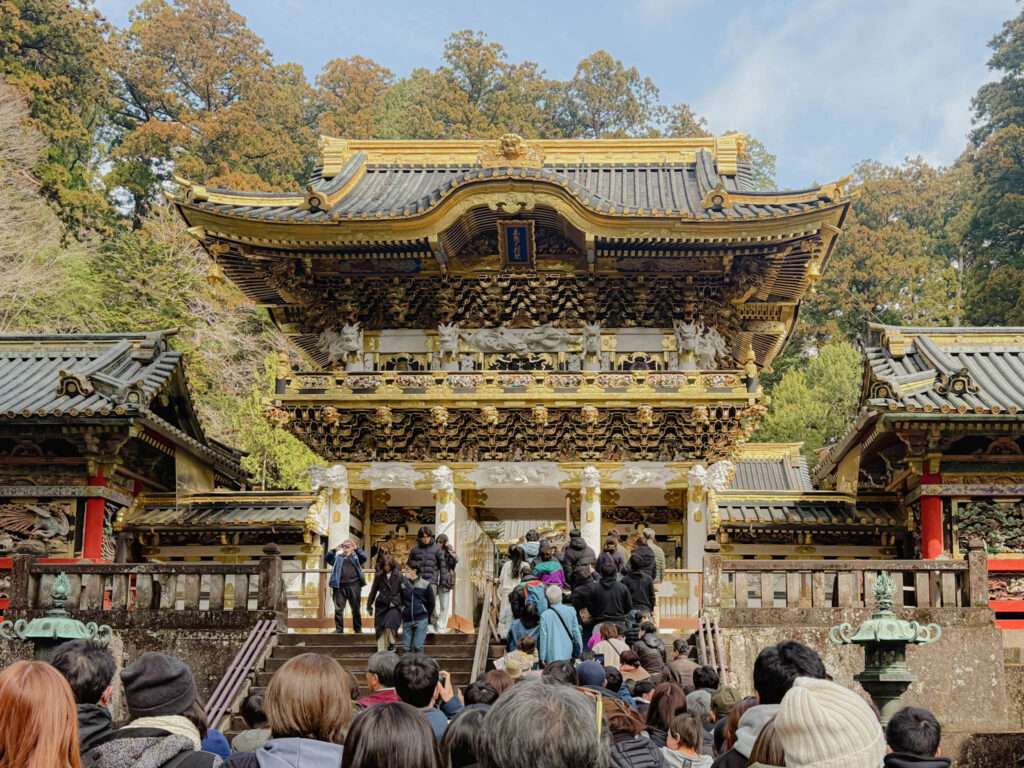
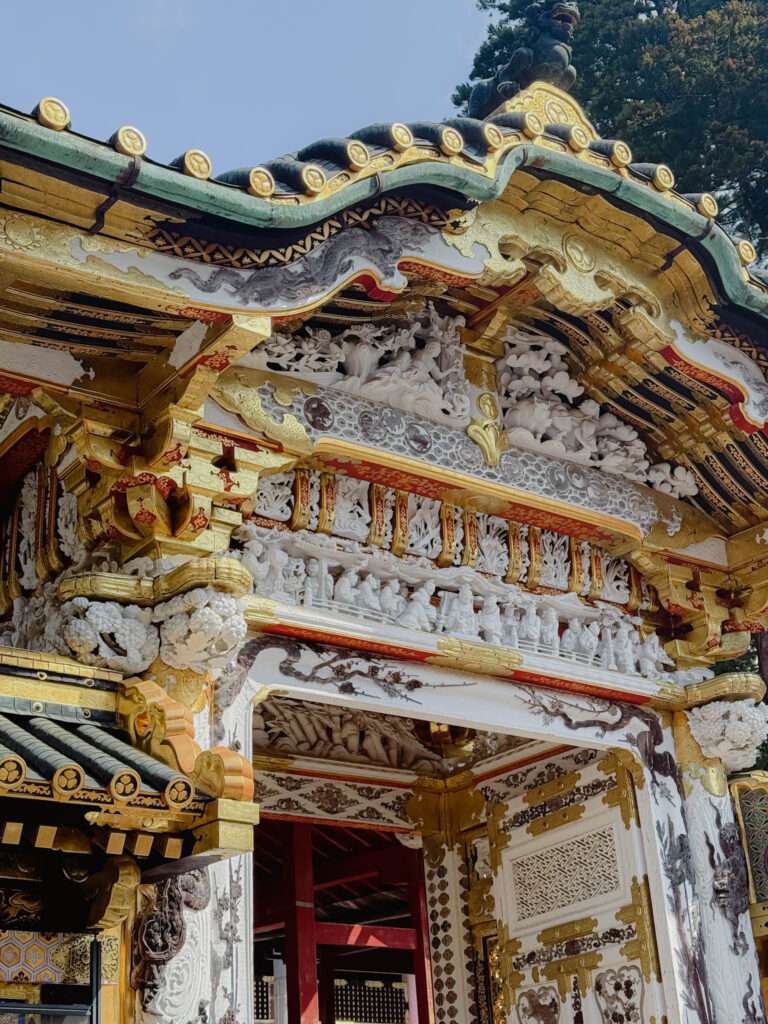
The Nikko Toshogu Shrine is a Shinto shrine that was initially constructed in 1617 and dedicated to the shogun Tokugawa Ieyasu (the chief military commander in Japan). While there was an emperor who was the figurehead of the country at the time, the shogun held the real power given that they were in charge of the military power of the country during the feudal empire of Japan. Ieyasu is buried at the Toshogu Shrine and can be visited today as part of your walk around the temple complex.
Tokugawa Ieyasu was vitally important to Japan’s history because he was the first shogun of the powerful Tokugawa shogunate and is considered the last of the “Great Unifiers” of Japan. Because the shogun position was hereditary, Tokugawa Ieyasu is important as the start of this powerful line of military rulers of Japan.
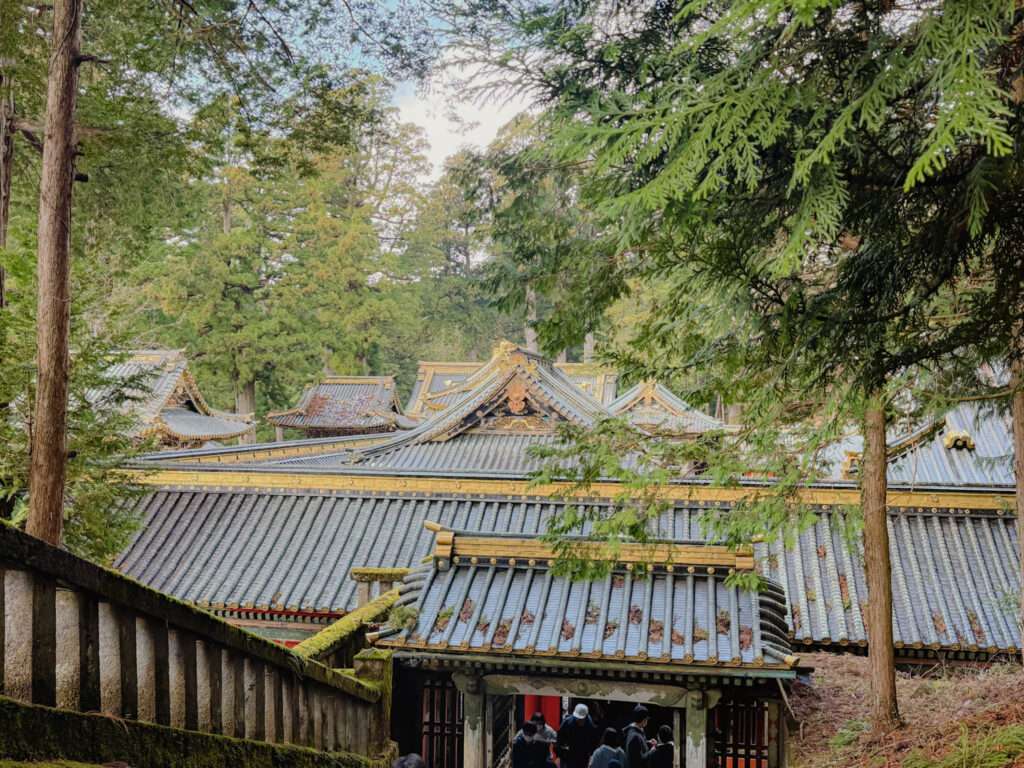
The shrine complex is large and extensive. Most of the signs throughout the temple are written in both Japanese and English, giving you context to the various structures that you will see throughout. There is also a relatively clear path that takes you through all the structures in an orderly way, despite the crowds.
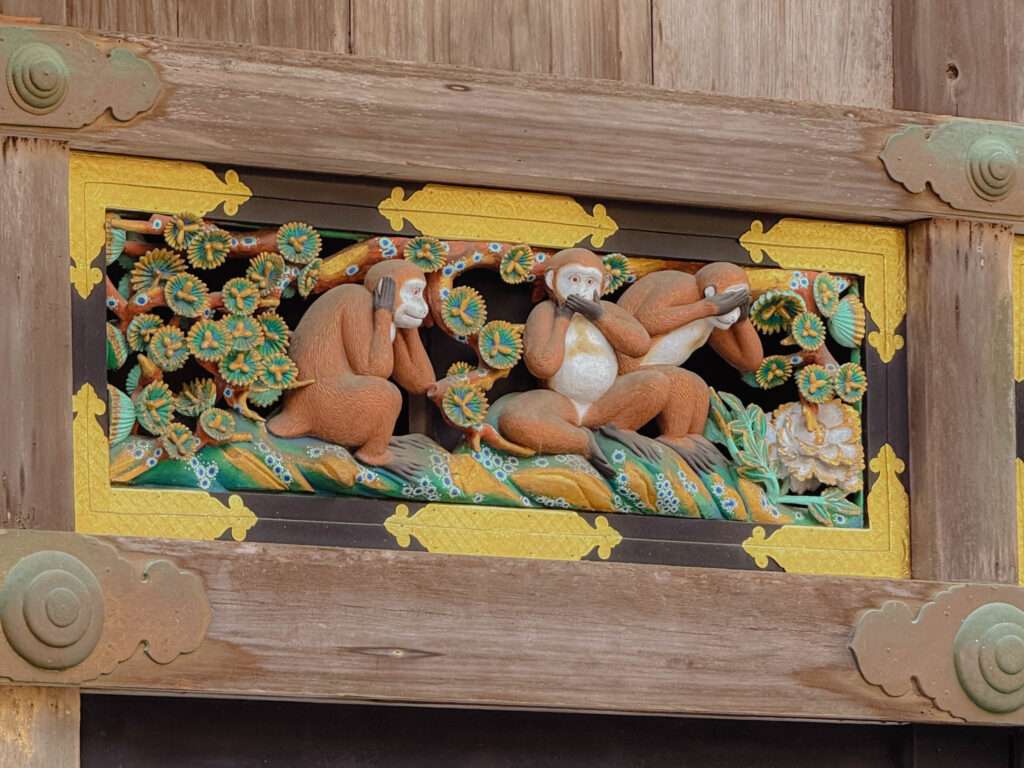
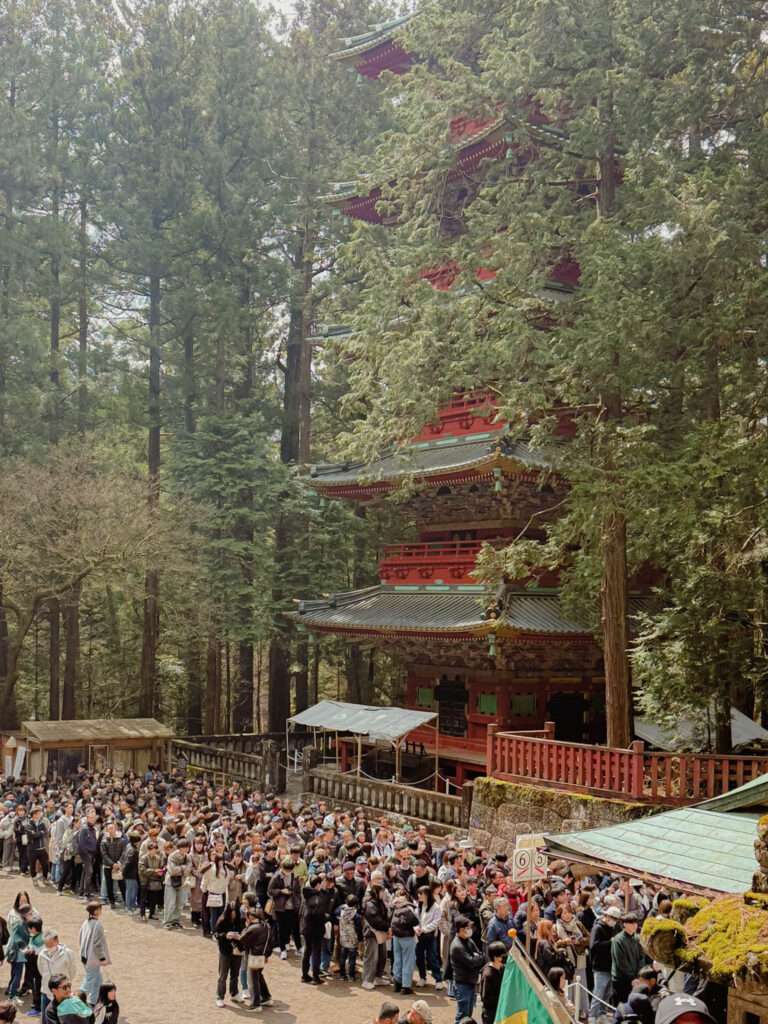
You will walk by storehouses that are elaborately decorated with carvings, the most famous of which depicts three monkeys indicating “see no evil, speak no evil and hear no evil”. You will also see a 5-story pagoda, the incredibly ornate Yomeimon Gate, the Honjido Hall with a beautiful dragon painting, and the main shrine building (where you will have to remove your shoes to visit and cannot take any photographs). You will also have the chance to climb the stairs up the hill to discover Ieyasu’s mausoleum, which is more modest than the shrine below. To learn more about Ieyasu and his legacy, you can visit the Toshogu museum near the shrine.
Nikko Futarasan Shrine
The Futarasan Shrine is a Buddhist shrine that is dedicated to the mountains and forest of the Nikko region. The grounds of the temple are open to walk around besides a small forest area and shrine rooms that have a small fee to enter into them. The Shinkyo Bridge is also part of this shrine, although you will see the bridge as you enter into Nikko’s historical area.
Nikko Rinnoji Temple
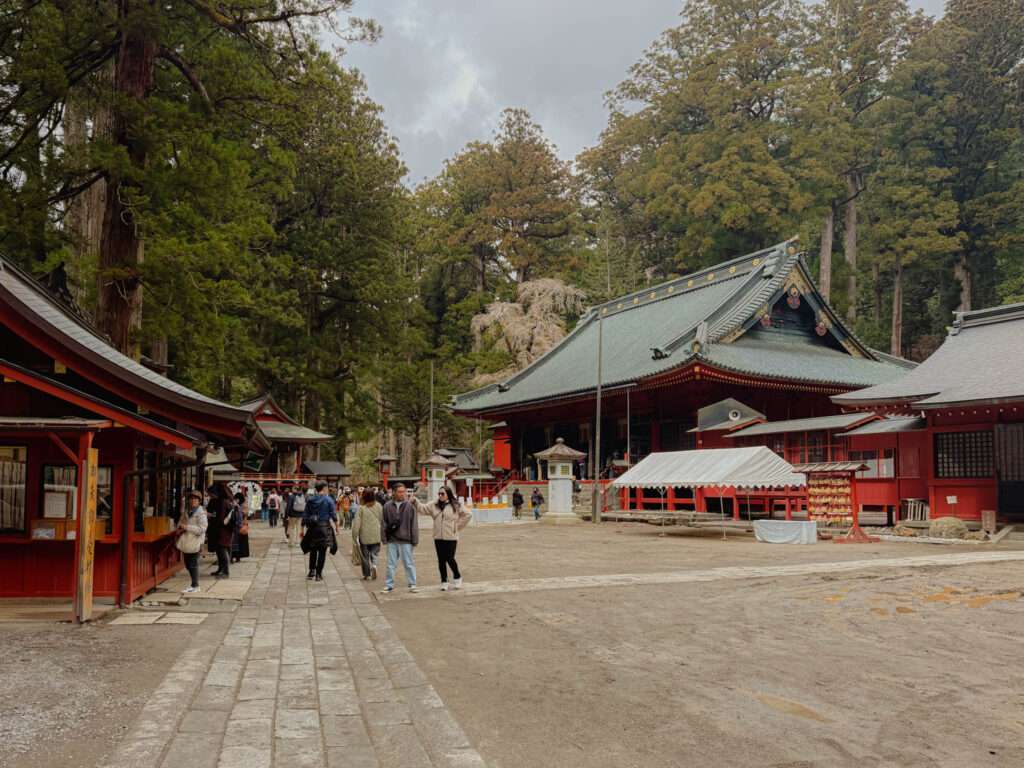
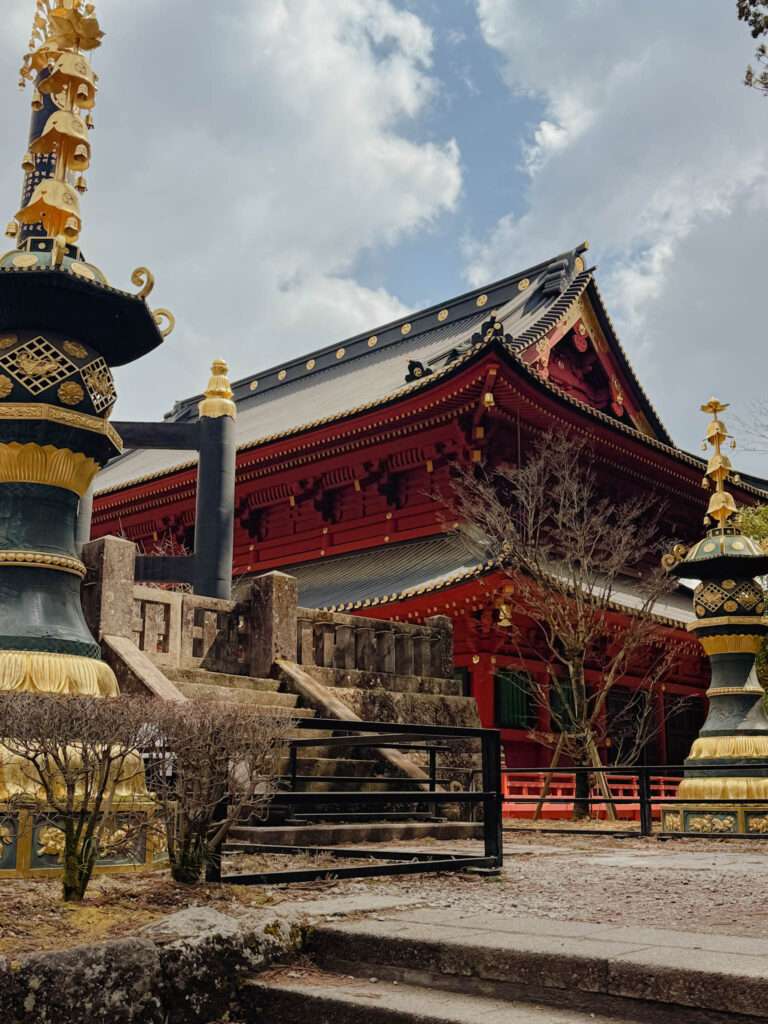
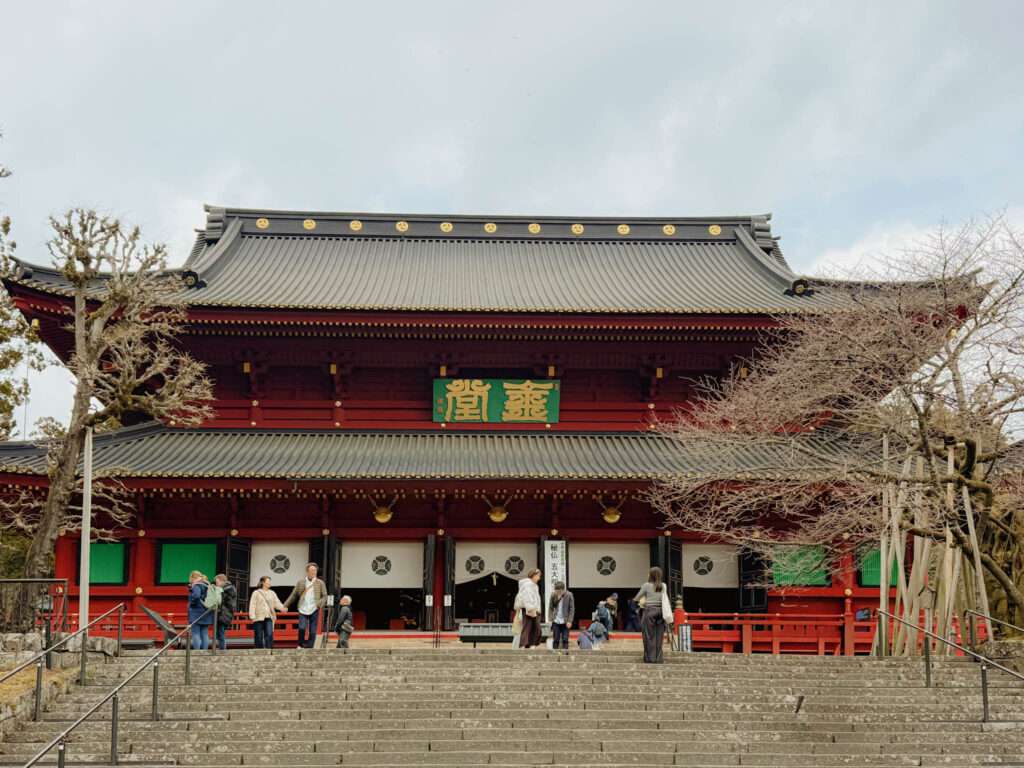
The Rinnoji Temple is the most important temple within Nikko. It is a Buddhist temple that was founded by the person who brought Buddhism to Nikko. There is a small fee to visit the interior of the temple. With an additional ticket, you can also discover the Rinnoji Temple’s treasure house where you can find other Buddhist artifacts and a small Japanese garden, popular in the fall for its maple leaves.
Other Things to Do During Your Day Trip to Nikko
Shinkyo Bridge
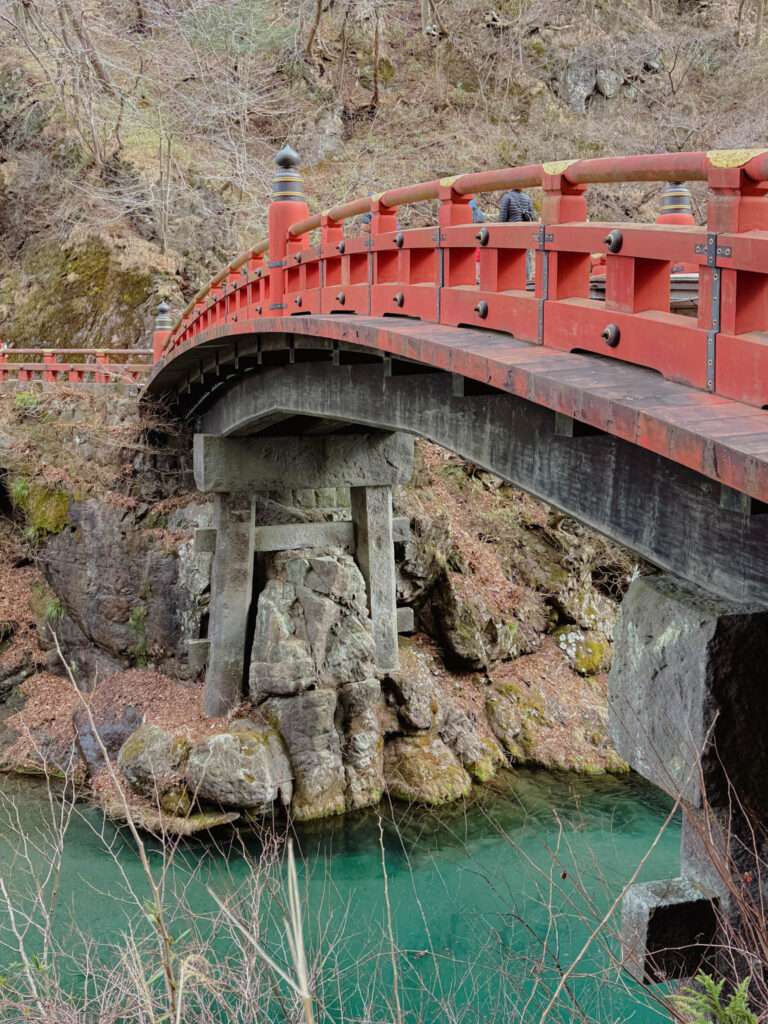
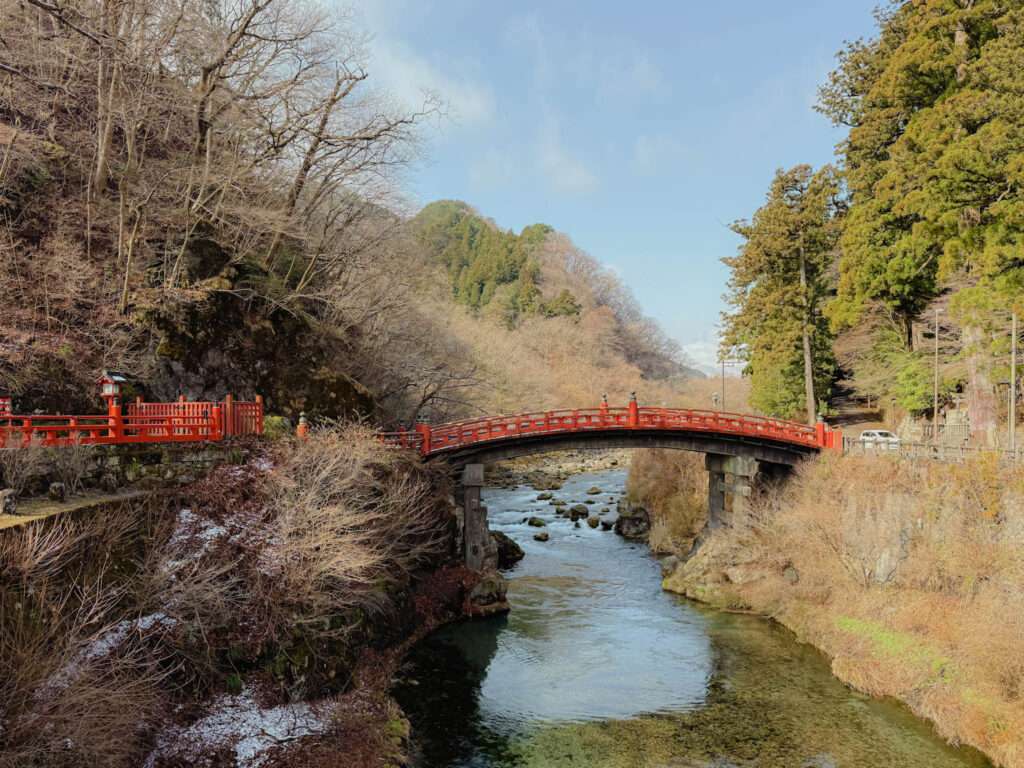
When coming in from the train stations of Nikko, the first historical structure that you will encounter is the Shinkyo Bridge. It is the entrance to the Nikko’s shrines and temples and belongs to the Futarasan shrine. For a small fee, you can walk on the bridge itself but it is not necessary as you will be able to see the bridge as you walk to and from the UNESCO heritage site.
Nikko Toshogu Museum
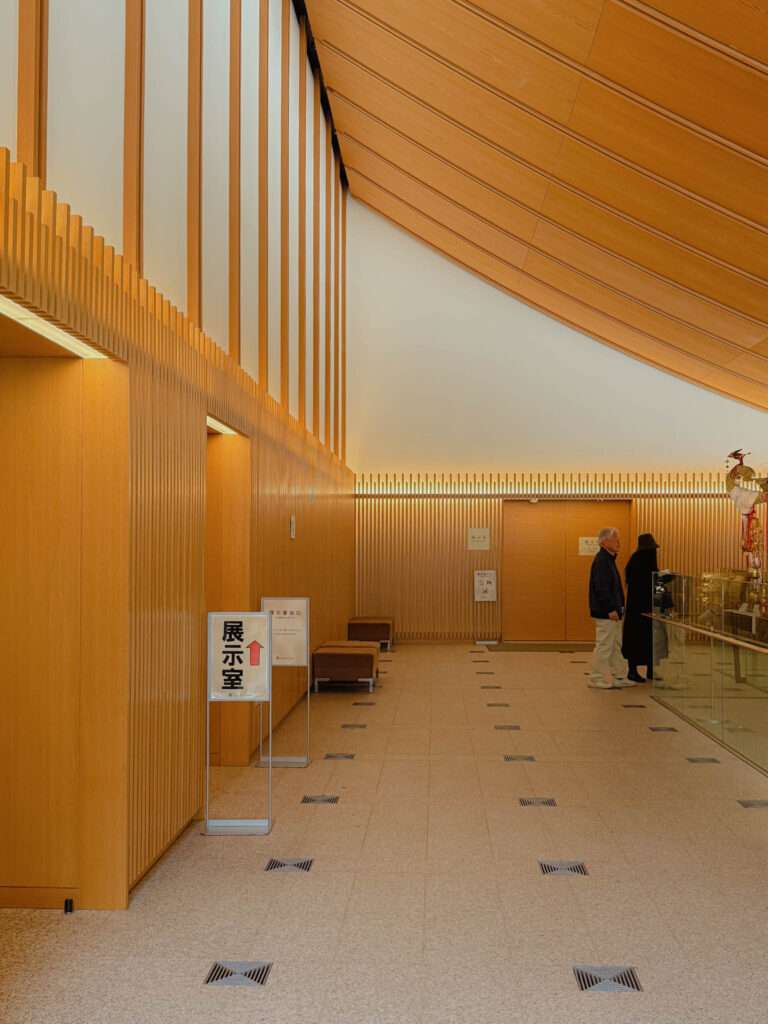
The Toshogu Museum is located right next to the Toshogu Shrine, making it easy to visit during your day trip to Nikko and tickets can be purchased together. The museum contains artifacts and personal effects from Shogun Tokugawa Ieyasu, including armor and swords, furniture, and more. It was built in 2015 to commemorate his death and photographs are not allowed inside the exhibition rooms.
Kanmangafuchi Abyss
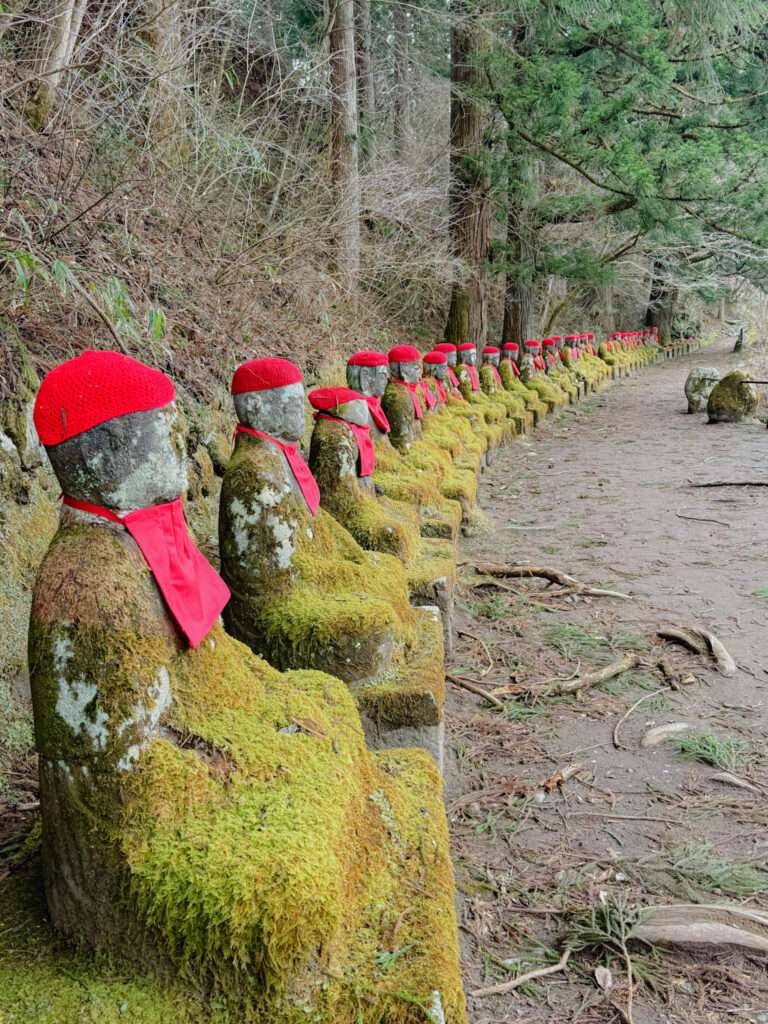
Kanmangafuchi Abyss is a gorge located near Nikko’s historical area with beautiful walking paths. Along the paths, you will find stone statues with red hats and bibs that line the pathways. These represent Jizo, a being who reached Nirvana in Buddhism and now looks over the deceased. Walking along these paths is a meditative way to take in the nature around Nikko without going too far from the town center.
Trying Yuba: Santenamataro
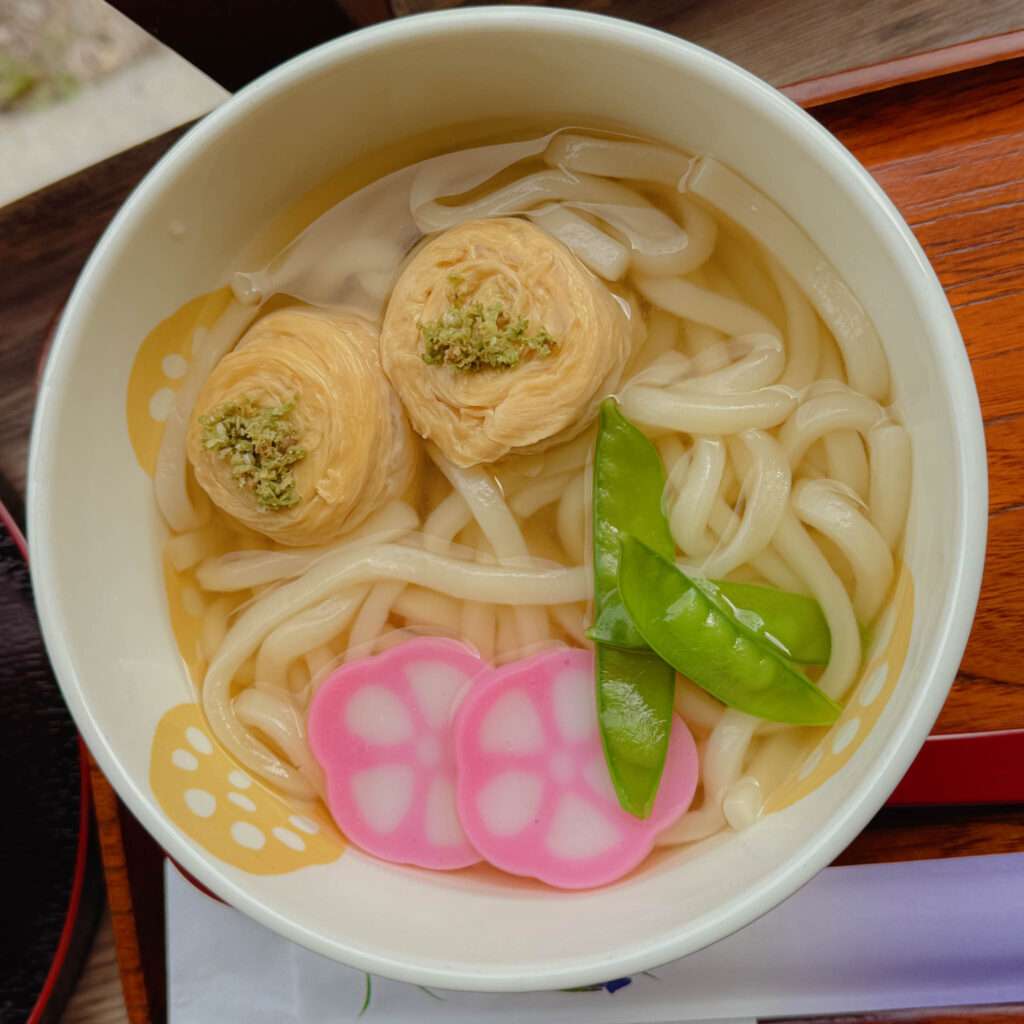
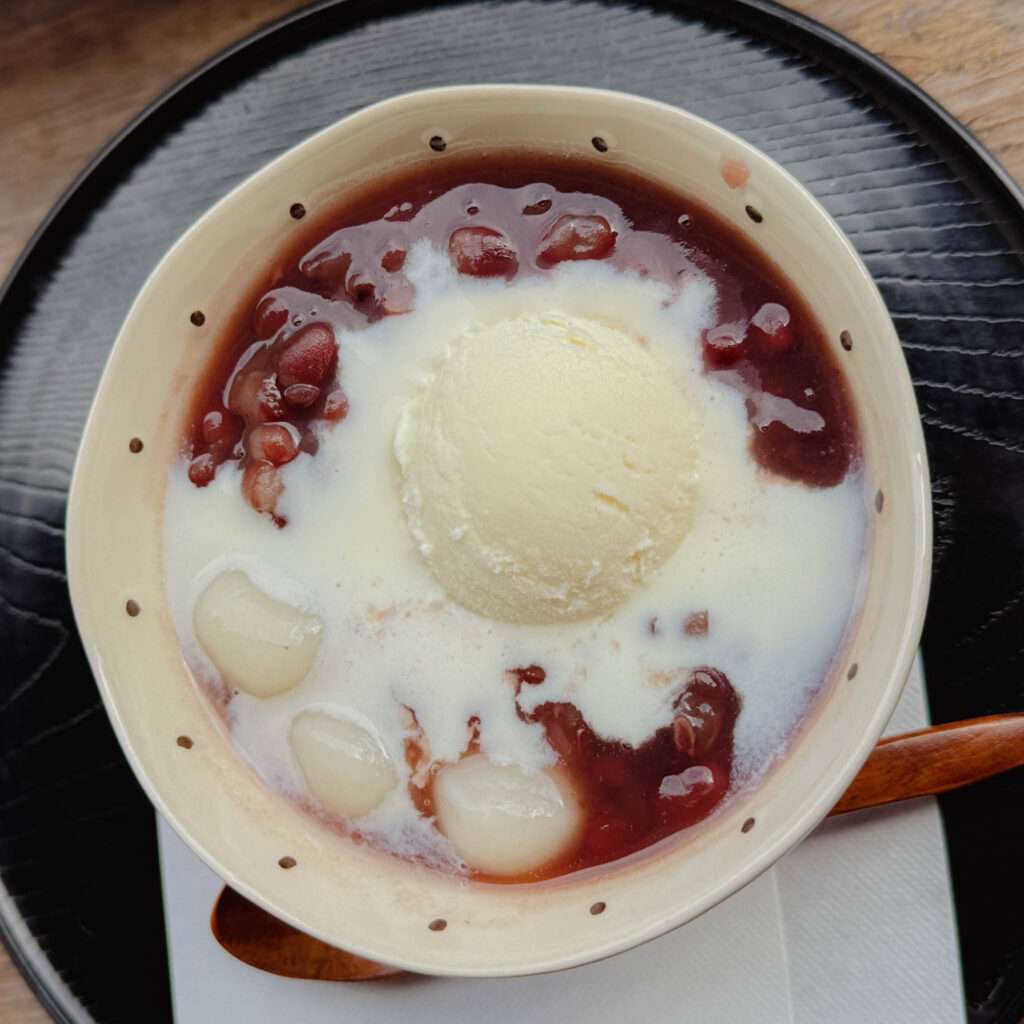
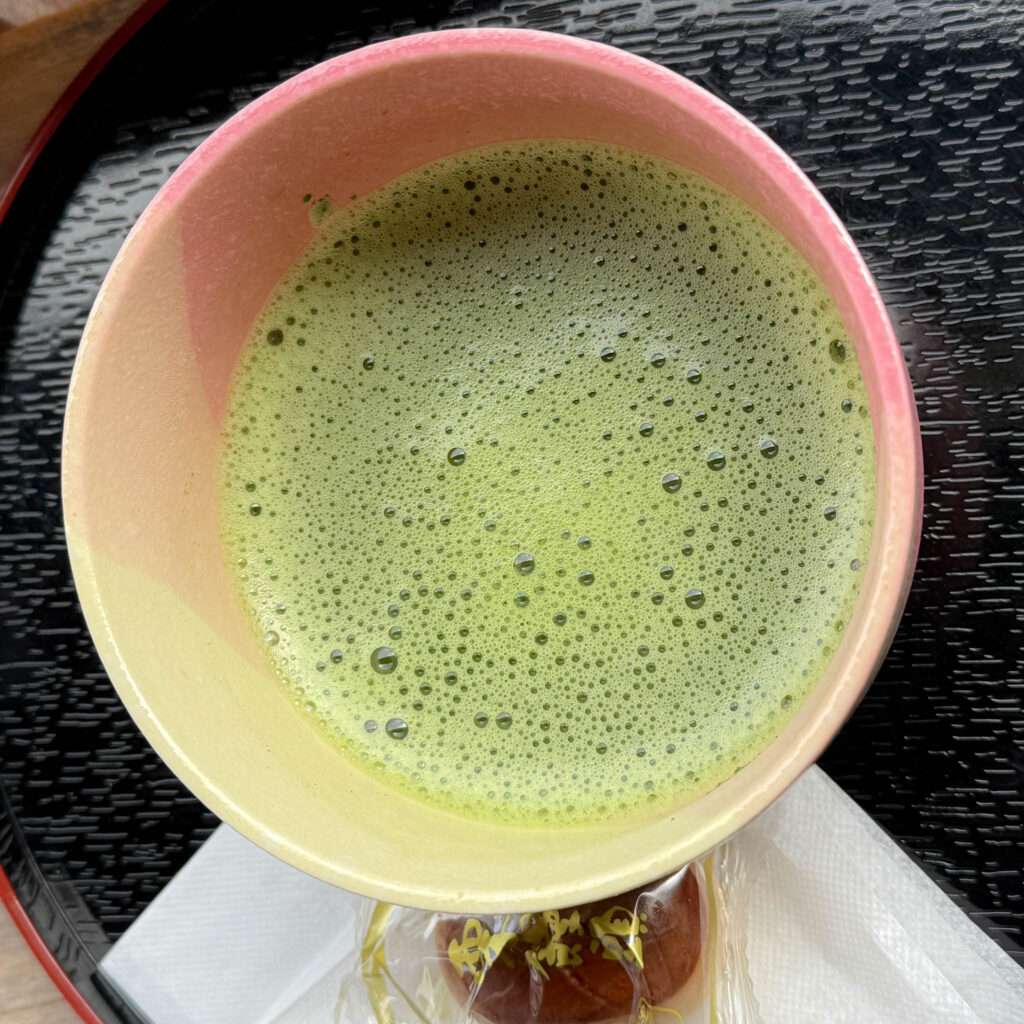
Yuba is a culinary specialty of the Nikko region of Japan. It is tofu skin, produced from the boiling of soy milk and in Nikko, is rolled into small rounds. It is often served in udon noodle soups (as seen below). There are a number of restaurants in Nikko that serve yobu. Santenamataro is a cafe located along the river of the Kanmangafuchi Abyss. Along with yuba udon, you can try adzuki zenzai (a sweet dessert soup made of red beans with mochi and ice cream) and matcha.
What You Need to Know to Spend More than One Day in Nikko
While it is easy to take a day trip to Nikko to get the essence of this special town, with more days you will have the ability to explore the landscapes around the town. If you are spending a few days in Nikko, you should get the Nikko Pass All Area with Tobu so you can freely explore the surrounding region with access to the buses, the Lake Chuzenji sightseeing cruise (seasonal), various onsens, etc. This allows you to dive into the nature and culture of the region and get a more local feel of the area.
Where to Stay
There are various hotels that you can stay in within the main Nikko town or around Lake Chuzenji.
What to Do
As you get outside of Nikko, your focus will be less on the history and ancient religions of Japan and more about the nature of the region, getting into the water, forests, and mountains around. The following are the top things to include in your itinerary (in addition to the experiences listed above) to dive into the nature around Nikko:
- Go on a sightseeing cruise along Lake Chuzenji (included in the Tobu Nikko Pass All Area)
- Take a short walk to discover Kegon Falls
- Visit various onsens that can be found throughout the region
Before or After this Day Trip to Nikko... Where Should You Go?
Distance from Nikko:
1.5 Hours
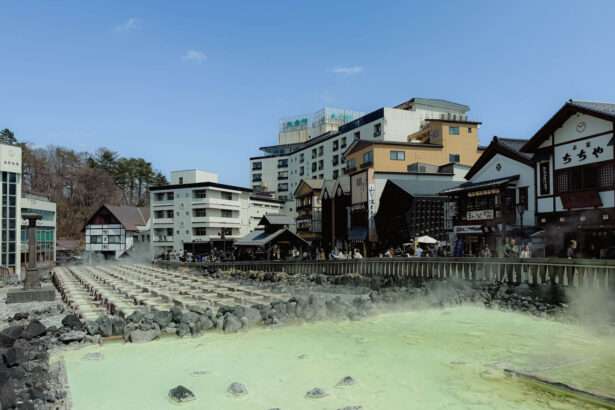
Alternative trip from Tokyo: A weekend trip to the onsen town of Kusatsu
Distance from Tokyo:
2.5 Hours
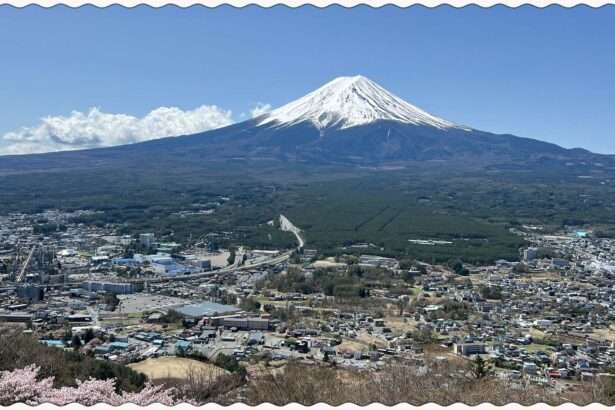
Alternative trip from Tokyo: A weekend trip to Fujikawaguchiko to see Mount Fuji
Distance from Tokyo:
1.5 Hours