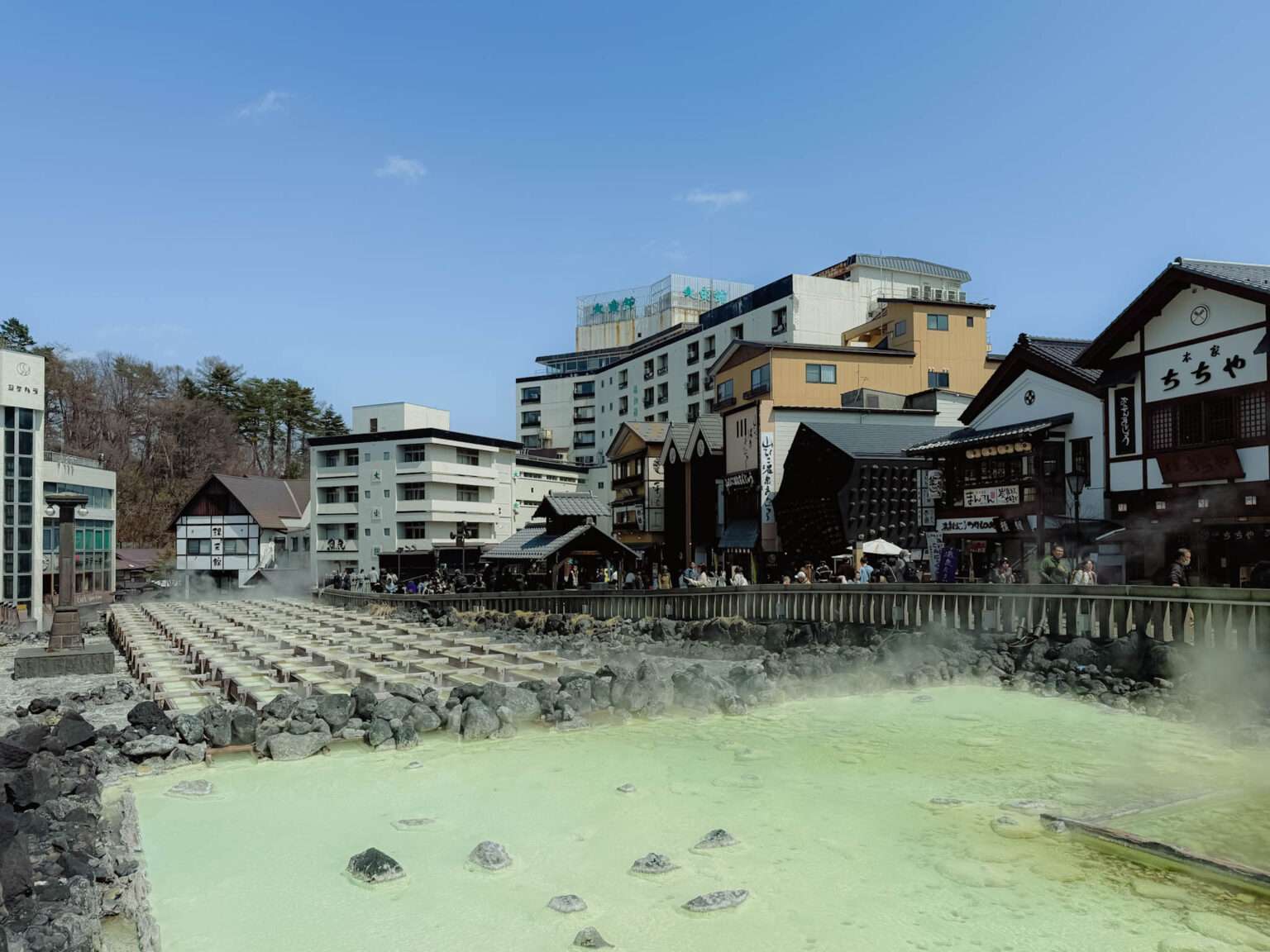
Kusatsu is an onsen town located just 2 hours outside of Tokyo by train. This town is a little escape from the big city and allows you to immerse yourself into the unique hot spring culture that is so important to Japan. There are other onsen towns throughout Japan that leverage hot spring water but Kusatsu is considered the best onsen town in Japan.
What is an Onsen? What is an Onsen Town?
Onsen means hot spring in Japanese but it can also be used to refer to the facilities with hot spring baths or the towns that have infrastructure built around a natural source of hot spring water. In Japanese culture, the waters are thought to have relaxing and healing properties and are a strong part of the local culture.
In some places, you can find hotel accommodations with onsen facilities integrated in their hotels or even in your own private room. However, you can also find onsen establishments with day use access. These have a small fee tied to visiting and using their hot spring water. Finally, some onsens are private members-only or community-only facilities, preventing tourists from accessing them.
In places without access to hot spring water (such as Tokyo or Kyoto), communal bath houses with hot water are common and a similar idea, without the mineral properties of hot spring water. Historically, these were the places where locals would bath in hot water. Today, they continue to be a popular place where locals and tourists frequent. You can read below about the etiquette expected within both an onsen and a bath house in Japan.
Note:
Culturally, Japan is not very welcoming to tattoos. There is a long history with the ties between tattoos and organized crime within Japan. As a result, you may find onsens and bath houses that ban people with tattoos from entering. There are some that are tattoo friendly but you can also find bandages that will cover your tattoos so you can enter the facilities freely. You can also look into private facilities or guesthouses.
How to Get to Kusatsu from Tokyo
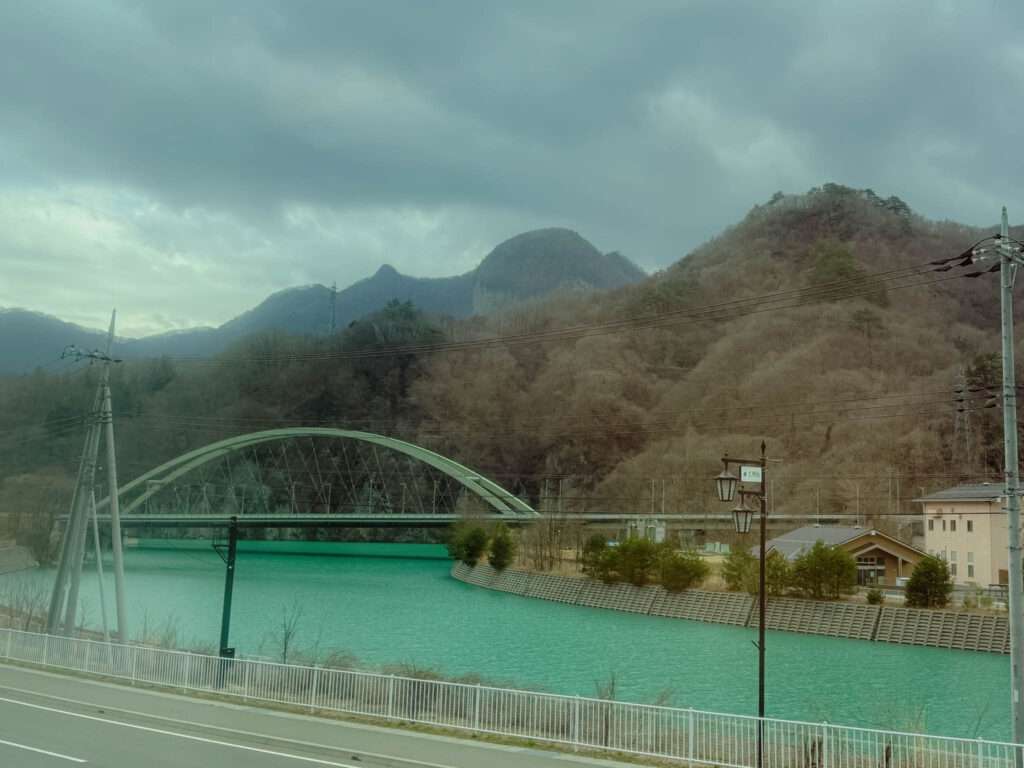
To get to Kusatsu Onsen from Tokyo, you can take a train and a bus. The JR train system provides the transportation. The train leaves from the Tokyo or Ueno station within the city and arrives at the Naganohara-Kusatsuguchi Station. From there, a JR bus will take you for the rest of the journey to the Kusatsu Onsen town.
You can purchase the entire round-trip journey from the JR stations located within the main train stations of Tokyo. We recommend taking early transportation on the first day and a late transportation on your last day in Kusatsu to maximize your time in this special town.
When arriving at the bus station of Kusatsu Onsen, there are a number of lockers at the lower level of the station where you can deposit your bag so you can walk around the town freely throughout the day, especially if you do not have the opportunity to drop off your bags at your accommodations. The bus station is located very close to the concentrated center of town and the entire town is very walkable, with small distances between different destinations and onsens throughout.
The Different Onsens to Discover in Kusatsu, the Best Onsen Town in Japan
How to Comfortably Visit an Onsen in Japan
Visiting an onsen or a bath house is a very traditional practice in Japan. This is even something that you may find within your hotel in Tokyo or Kyoto. So what is the traditional and respectful way to participate in an onsen?
Bath houses and onsens in Japan are separated by gender and are typically fully nude. When you enter your gender’s space, you will immediately take off your shoes. Then you will get undressed and put all your belongings neatly in a designated bin or cubby.
Some onsens provide towels for you and others require you to bring your own. People use two different sized towels within the onsen: a small one that will go into the bathing area with you and a larger one that you can use to dry off with afterwards. Often, you can purchase this smaller towel at an onsen facility and use it throughout your time in Japan and rent one of the larger towels if you do not have your own. With the smaller towels, you may want to keep it in your purse or bag with you as there are public foot baths in different parts of Japan where these small towels are useful.
Before entering the baths, you will take a shower. There is usually an area with small shower stations with stools and buckets. Fill a bucket with water and pour the water over yourself to rinse off. Then you are ready to enter into the baths. To keep your small towel dry, you can place it on top of your head (as the locals do) or leave it on the edge of the bath. You can rinse off after bathing in the hot water or not, that is up to you. Then you can dry off and get changed. Many facilities provide lotion and hair dryers so you can get ready before leaving the onsen.
After the baths, many people purchase and drink a yogurt drink to get more energy after the soaking in the hot springs. Make sure to drink plenty of water before and after the hot baths to stay hydrated.
Overall, just follow what the locals are doing. This activity is meant to be relaxing and rejuvenating.
Sainokawara Open-Air Bath
The Sainokawara open-air baths are an onsen located on the top of a hill in Kusatsu. You will have to pay for entry into these baths but they are available to the public and are completely open-air. There is a fee to enter the baths. If you want, you can use a coin to store your valuables in the small lockers outside the changing rooms or take everything with you into the changing rooms to neatly keep them with your clothes.
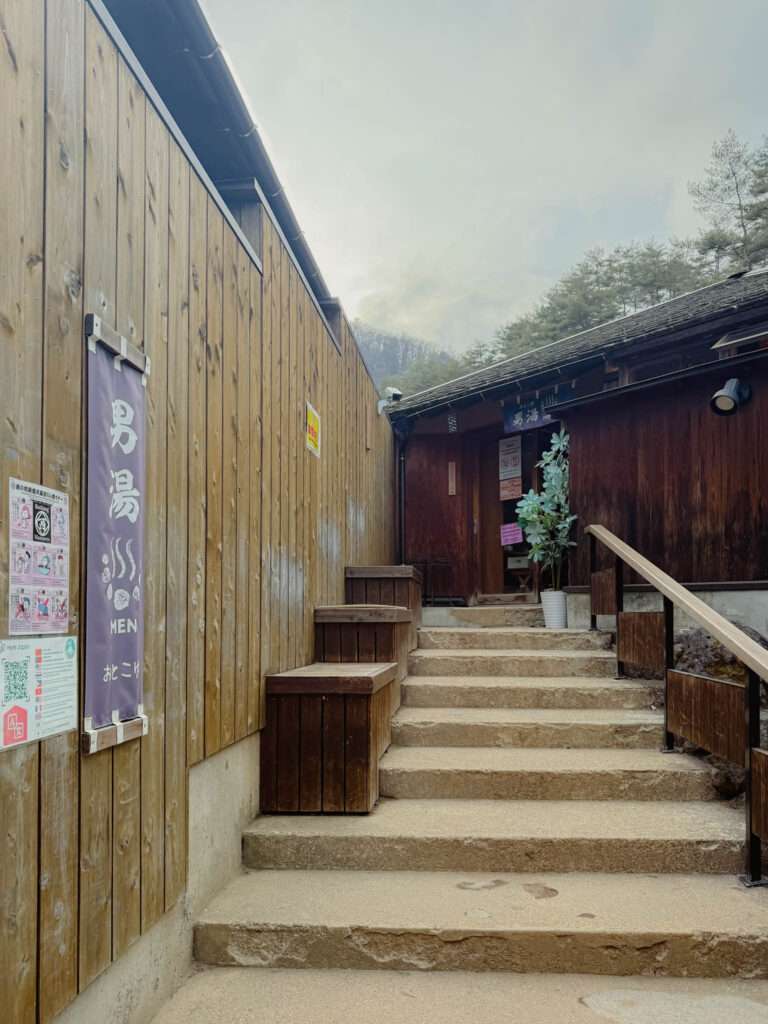
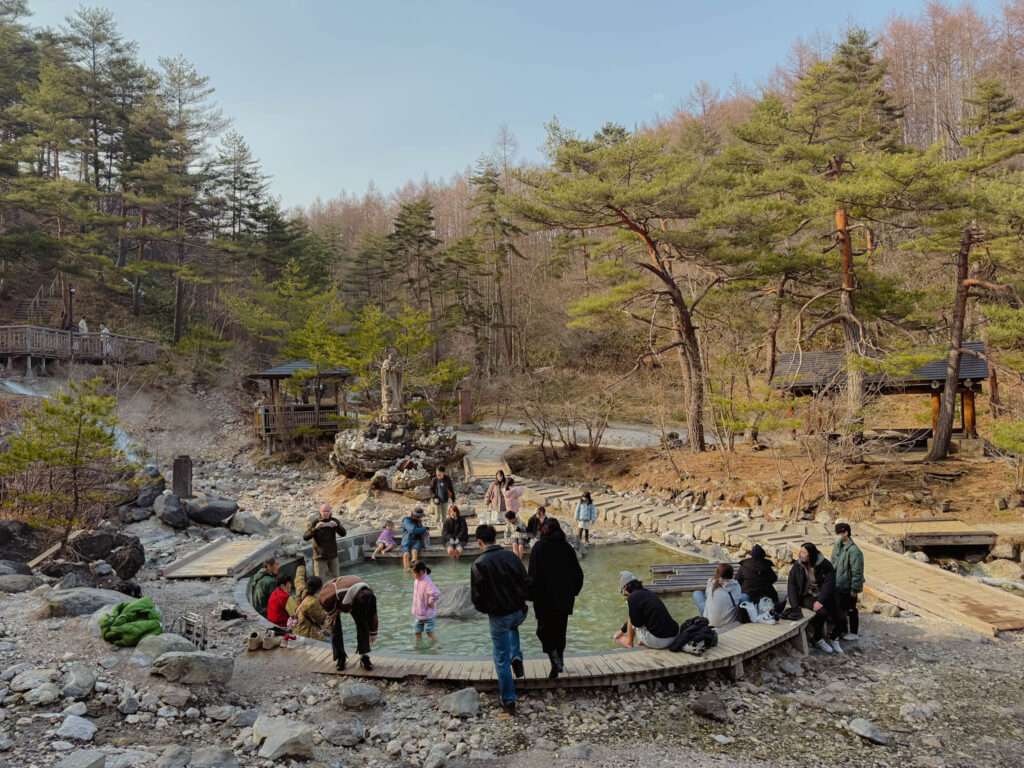
To get to the onsen, you will walk along a pathway where you will find public foot baths, fed by the local hot spring mineral water. Instead of paying for the onsens, you can dip your feet into these public baths. There are others throughout the town that we mention below. This is one of the great things about visiting an onsen town: you will find different baths throughout the town that anyone can use and are part of the social life of the town.
Otaki no Yu
This onsen is a popular one within Kusatsu. It is more extensive than other onsens because it has both an indoor pool and an outdoor pool to give you different locations to relax in. It also has a sauna that you can use if you want a different relaxing spa environment. There is also a small cafe outside of the onsen area where you can purchase a coffee or the popular yogurt drink.
Free Hot Spring Facilities around Kusatsu
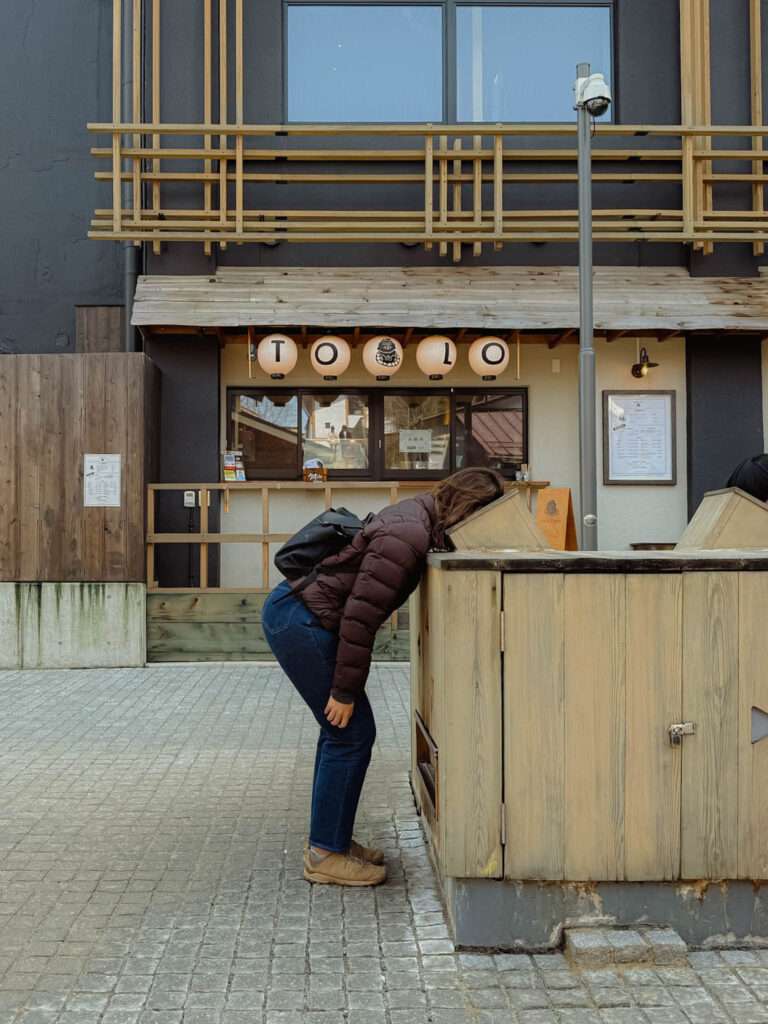
One thing that makes onsen towns so great to visit is the access to hot spring mineral water. You will find areas throughout the town that make the foot baths part of the social complex of the towns and give a slower and relaxing vibe, even when not in an onsen facility. In Kusatsu, the Jizo Hot Spring footbath and face bath are a must-visit. They are located very close to the town center. There are two boxes located within the square where you can put your face in to take advantage of the steam from the hot springs and give yourself a small facial.
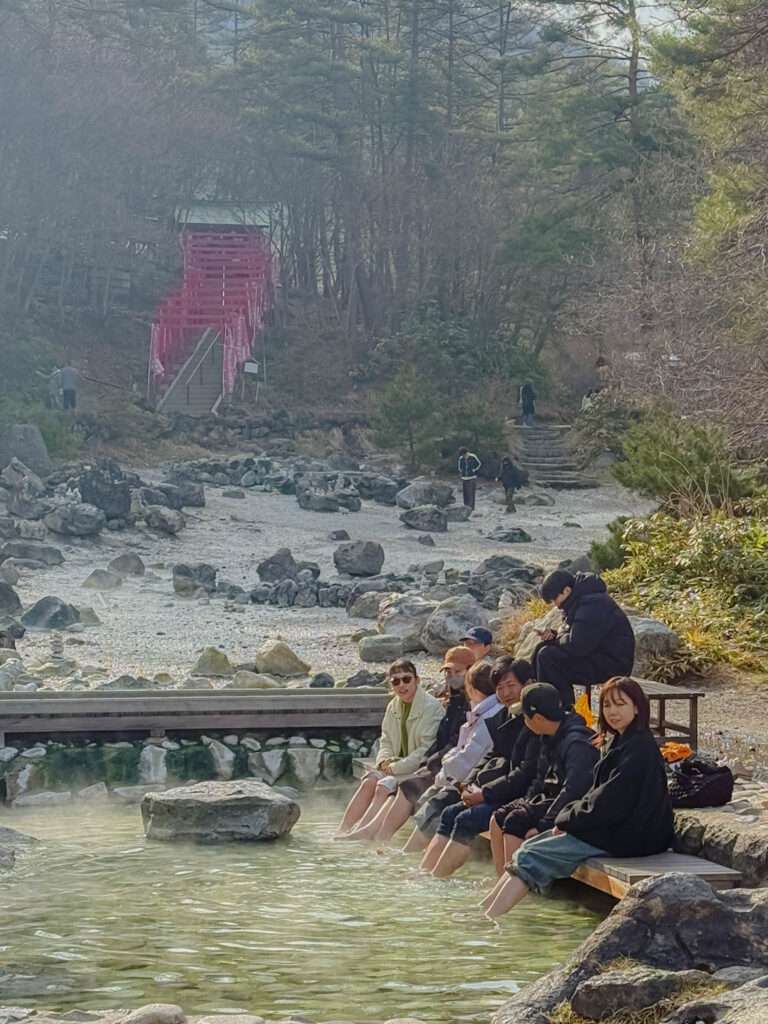
You can also walk through the Sainokawara Park where you will find beautiful walking paths along with various large public foot baths to enjoy. This is the park that you walk through as you make your way to the Sainokawara open-air bath.
Other Things to do in Kusatsu
Yubatake
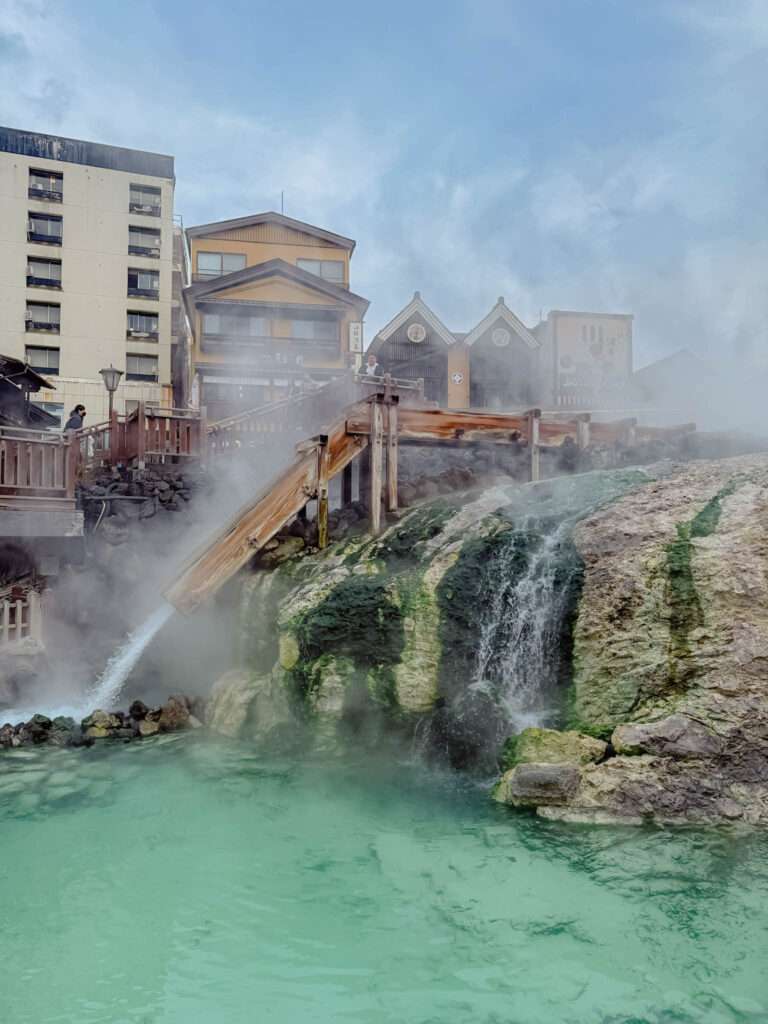
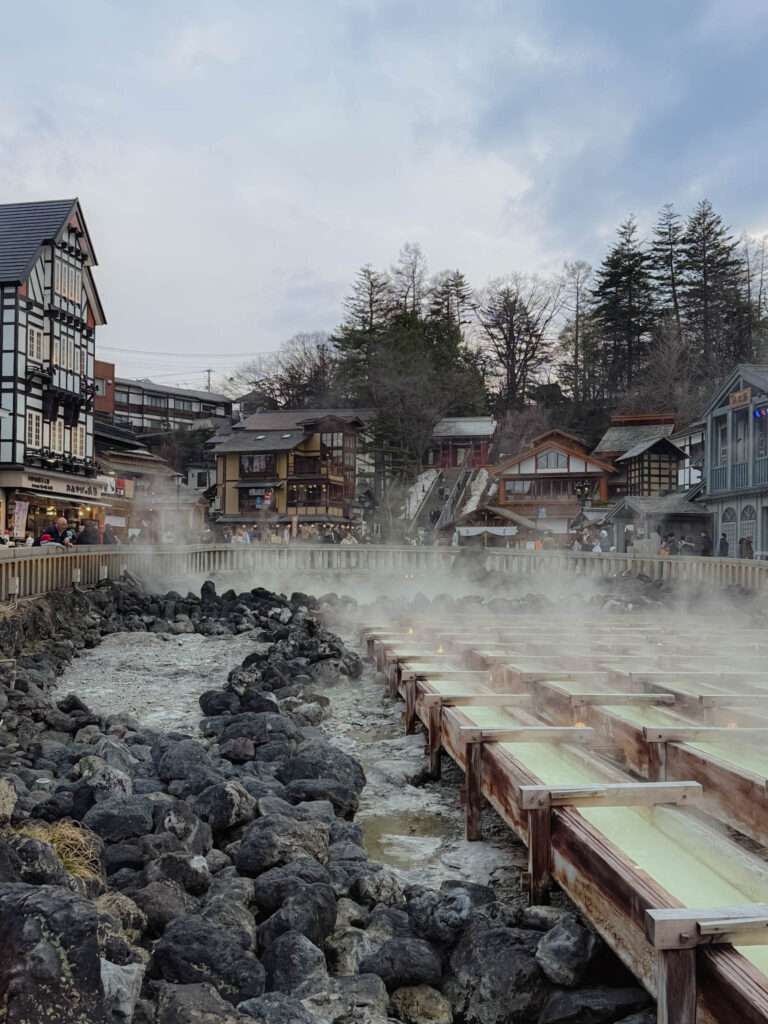
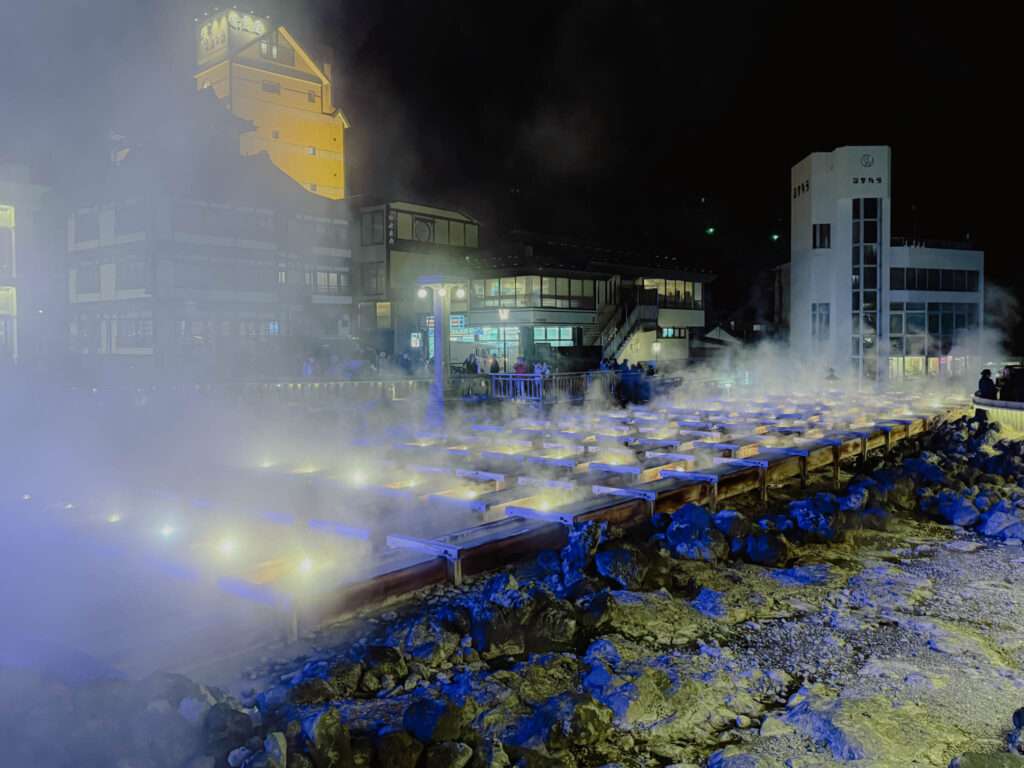
The Yubatake is the central collection pool of geothermal water in Kusatsu and is the icon of the town. The Yubatake is one of the most productive thermal hot springs in all of Japan, which helps explain why Kusatsu is the best onsen town in Japan. The wooden boxes that the water travels through helps cool down the water before it is distributed to the various onsens throughout. At night, the Yubatake is lit up and you will find many people wearing traditional dress, yukata (the robe) and geta (sandals) to hang out around the hot spring and take photos.
Kosenji Temple
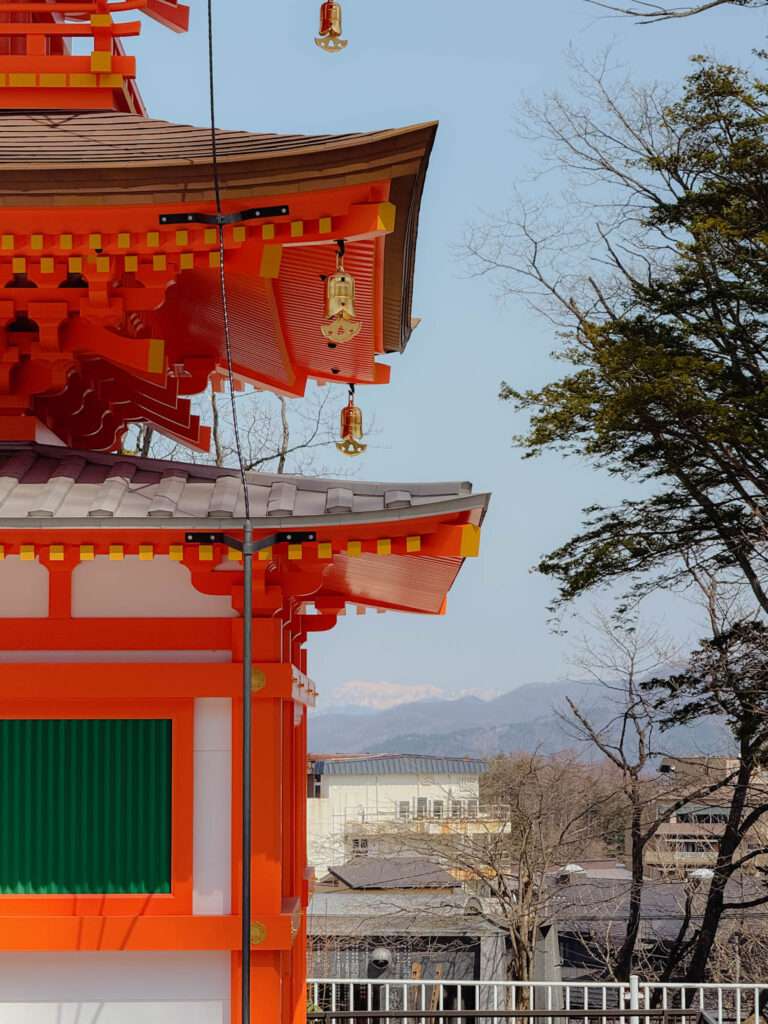
The Kosenji Temple is the Buddhist temple that stands over the town of Kusatsu. You can climb to the top of the hill on which it sits to see the town below and see the pagoda of the temple.
Sainokawara-Dori Street
This street goes from the town center of Kusatsu towards Sainokawara Park. It is lined with boutiques and restaurants, making it a wonderful place to eat and wander during your time in Kusatsu.
Yumomi Performance at the Netsunoyu Building
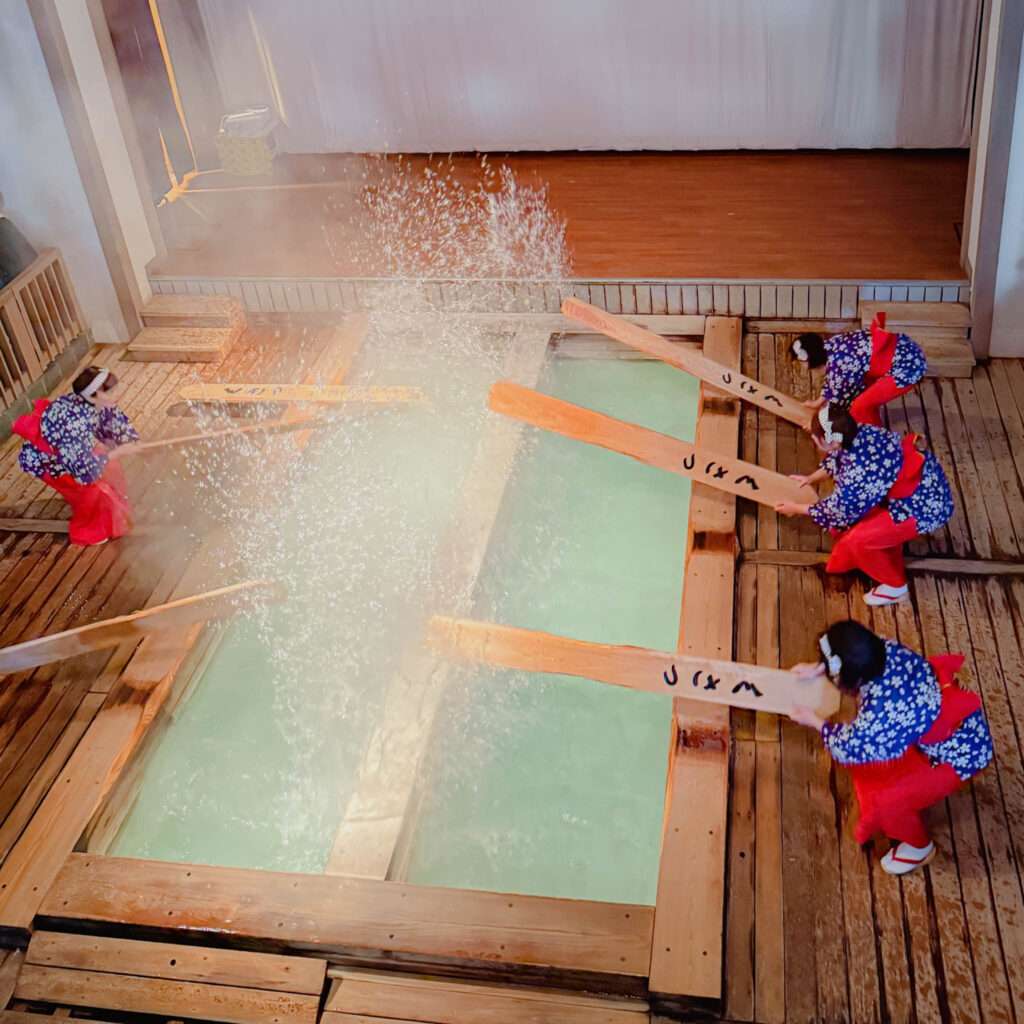
Yumomi was a traditional way that the water in the onsens was cooled down to be at the appropriate temperature for bathing. This was done by women who would splash and swish the water while singing. Today, you can experience this traditional method at the Netsunoyu building in the town center of Kusatsu. About six performances happen every day and space is limited so we recommend lining up about 30 minutes prior to the start of a performance. Sitting on the top floor gives a nice overhead view of the performance.
Besides the Best Onsen Town in Japan... Where Should You Go?
Distance from Kusatsu:
2.5 Hours
Alternative trip from Tokyo: A day trip to Nikko
Distance from Tokyo:
1.5 Hours
Alternative trip from Tokyo: A weekend trip to Fujikawaguchiko to see Mount Fuji
Distance from Tokyo:
1.5 Hours