

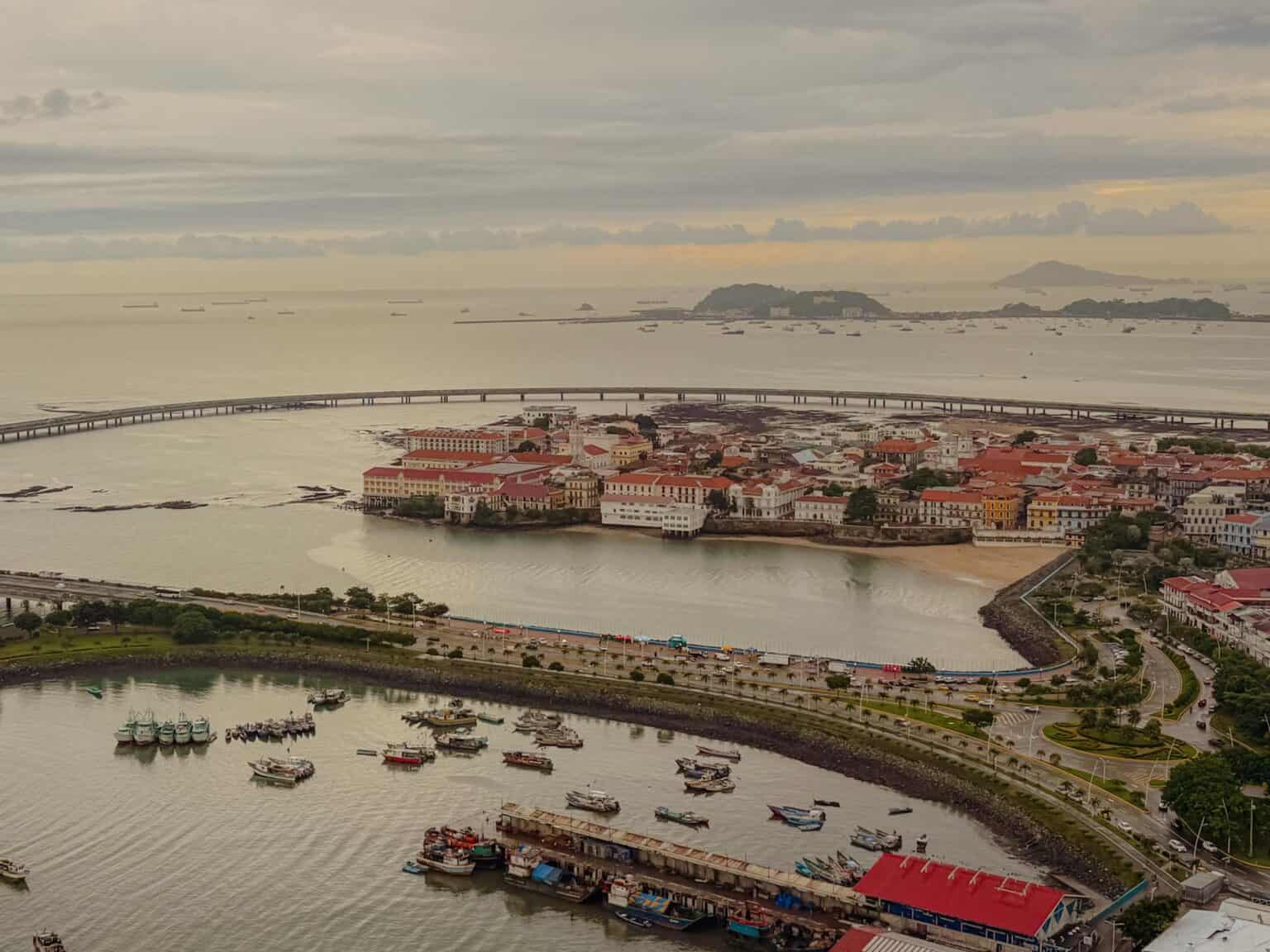
Panama City catches most people off guard. Travelers passing through on a Copa stopover, or bookending a Panama trip with a few days in the capital, tend to arrive expecting a transit city and leave surprised by how much they actually liked it.
The skyline is genuinely striking: glass towers rising above the Pacific, a UNESCO-listed colonial neighborhood at the water’s edge, and the Panama Canal a forty-minute drive from your hotel. It is one of the most manageable cities in Latin America, compact, easy to get around, and calm compared to Bogota or Mexico City.
Two to three days is enough to do the city justice, but Panama City rewards more time than that. Each neighborhood has its own character, and the city sits within reach of an extraordinary range of day trips: Pacific islands, Caribbean coastline, rainforest reserves, and the Canal itself. Few cities in the Americas give you that kind of range without a long-haul flight.
This guide covers everything you need to plan your time well: what to do, where to eat, which neighborhood to stay in, and the day trips that make Panama City one of the best bases in the region.
Where to Stay
Panama City neighborhoods
Panama City is more spread out than it looks on a map, and where you base yourself shapes the experience. The main areas are easy to navigate between, and each one has a distinct character worth understanding before you book.
Casco Viejo
Casco Viejo is the historic heart of the city: cobblestone streets, colonial architecture, and rooftop bars. If you have two days or less, this is where to stay. It is atmospheric and walkable, with great restaurants and nightlife right outside your door. Keep in mind that much of the dining here caters to visitors, and hotels carry a premium.
Best for short stays
El Cangrejo
El Cangrejo is the pick for travelers who want something more local. It is a lively, central neighborhood with strong cafe culture, good transit connections, and restaurants that locals actually eat at. It feels more like the real Panama City than Casco Viejo does, and the prices reflect that.
Best for local feel
San Francisco
San Francisco has arguably the best dining scene in the city, with a stretch of restaurants along Calle Uruguay covering everything from Peruvian ceviche to wood-fired pizza. It works well as a base if food is your priority, though it lacks the character of Casco Viejo or El Cangrejo.
Best for dining
Punta Pacifica
Punta Pacifica is where you go for views. The JW Marriott sits right on the water with floor-to-ceiling windows overlooking the Pacific and the ships queued to enter the Canal. It is the most resort-like option in the city and worth it if that is the experience you are after.
Best for views
Trying to decide where to stay? Our full Panama City neighborhood guide breaks down the best hotels in each area →
Highlights
Things to do in Panama City
Panama City has more going on than most first-timers expect. These are the experiences worth prioritizing, from the two unmissable highlights to the spots that reward an extra half day.
The Panama Canal
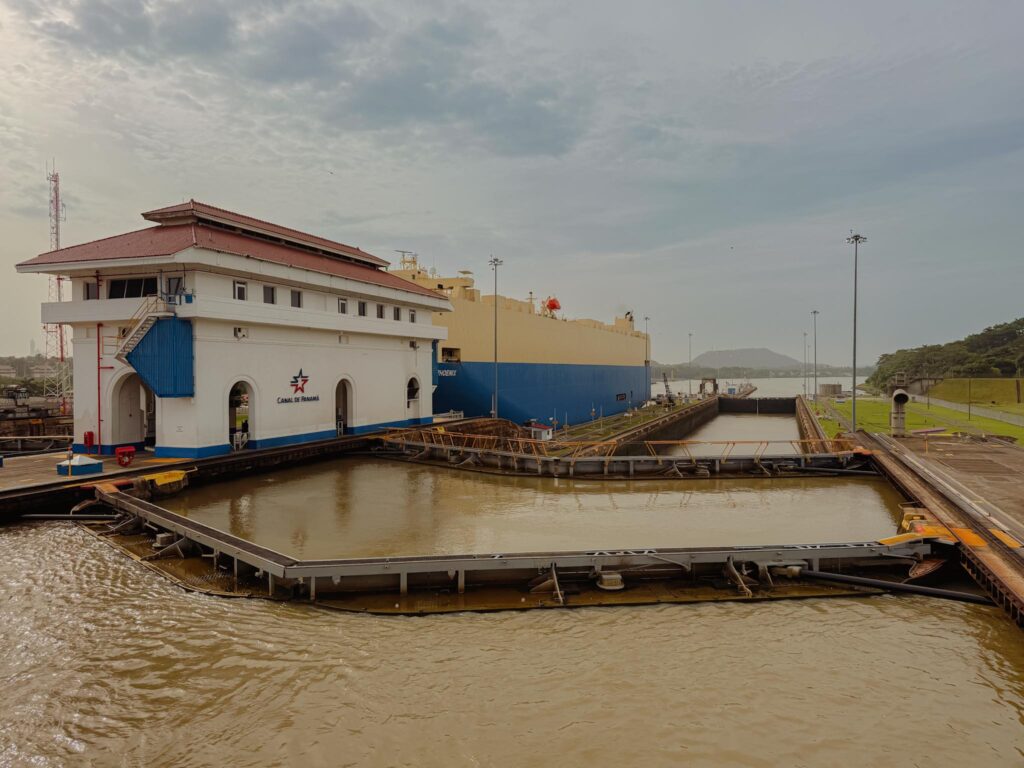
The Panama Canal is one of those rare things that genuinely lives up to the hype, but how much you get out of it depends on how you approach it. The Miraflores Visitor Center puts the whole operation in context. From the observation deck you can watch vessels pass through the locks in real time. Or you can choose to take a boat through the locks to discover the engineering feat for yourself.
Casco Viejo
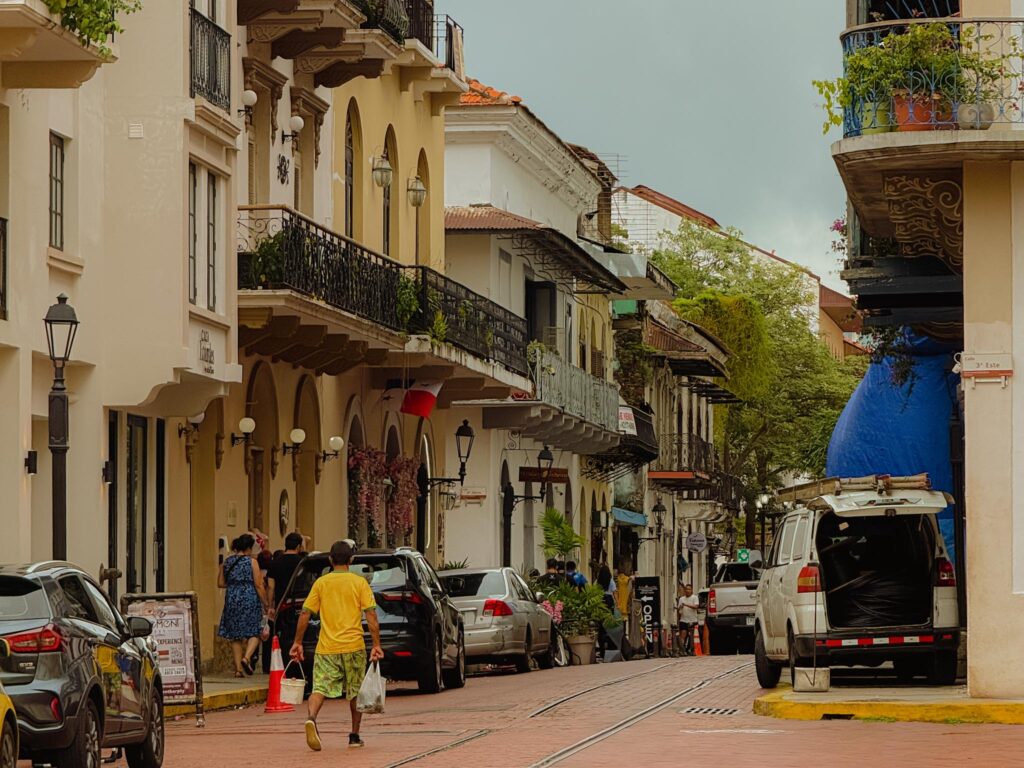
Casco Viejo is the part of Panama City that stays with you. The UNESCO-listed colonial quarter sits on a small peninsula at the edge of the bay, its churches and weathered facades backed by the gleaming towers of the modern skyline. Spend time walking the streets, enjoying the cafes, and watching the sunset from the rooftop bars.
More Things to Do
Mercado de Mariscos
Mercado de Mariscos is where Panama City eats seafood. The ground floor is a working fish market and the outdoor restaurant stalls sell fresh ceviche and local seafood dishes.
Amador Causeway
The Amador Causeway stretches out into the Pacific from the base of the Canal. It is one of the best spots in the city for views of Panama City landmarks and the ships waiting to enter the Canal.
Panama Viejo
Panama Viejo (not to be confused with Casco Viejo) is the site of the original city, destroyed by the pirate Henry Morgan in 1671. Today you can visit the ruins located on the waterfront site on the eastern edge of the city.
Biomuseo
The Biomuseo (an architectural wonder) explains how the formation of the Isthmus of Panama connected North and South America and set off one of the most significant biodiversity events in the planet’s history.
For the complete activity guide with practical details on each, see our full Panama City activity guide →
Food
Where to eat in Panama City
Panama City’s best eating is not in Casco Viejo. The old quarter has plenty of solid restaurants, but most are priced for visitors and the menus tend toward the familiar.
For the best food in the city, head to San Francisco.
Calle Uruguay is the street to know: a dense stretch of restaurants covering Peruvian ceviche, wood-fired pizza, craft cocktails, and Panamanian classics done properly. It is where locals eat on a Friday night, and the quality is consistently high across the board. If you want one specific reservation to make before you arrive, Cantina del Tigre is an elevated Panamanian restaurant in San Francisco that is worth going out of your way for.
Mercado de Mariscos is a different kind of experience and essential in its own right. The upstairs ceviche stalls are one of the best value meals in the city, covered in more detail in the things to do section above.
For a full breakdown of where to eat by neighborhood and what to order, see our Panama City food guide →
Is Panama City safe?
Panama City is generally safe for travelers sticking to the main tourist areas. The neighborhoods covered in this guide, including Casco Viejo, El Cangrejo, San Francisco, and Punta Pacifica, are all fine to walk around with basic common sense.
A few areas are best avoided altogether: El Chorrillo, Curundú, Calidonia, San Miguelito, and parts of Santa Ana. These neighborhoods are not on the tourist trail and there is no reason to pass through them as a visitor.
For getting around, the Metro is safe and easy to use. For everything else, Uber is the recommended option over local taxis and public buses.
For a full region-by-region breakdown of safety across Panama, read our honest guide to safety in Panama →
Beyond the City
Day trips from Panama City
Panama City is one of the best-positioned capitals in the region for day trips. Within a few hours in any direction you have Caribbean islands, Pacific islands, rainforest, a crater town, and a UNESCO colonial port. If your time in the city allows for it, at least one day trip is worth building in.
San Blas Islands
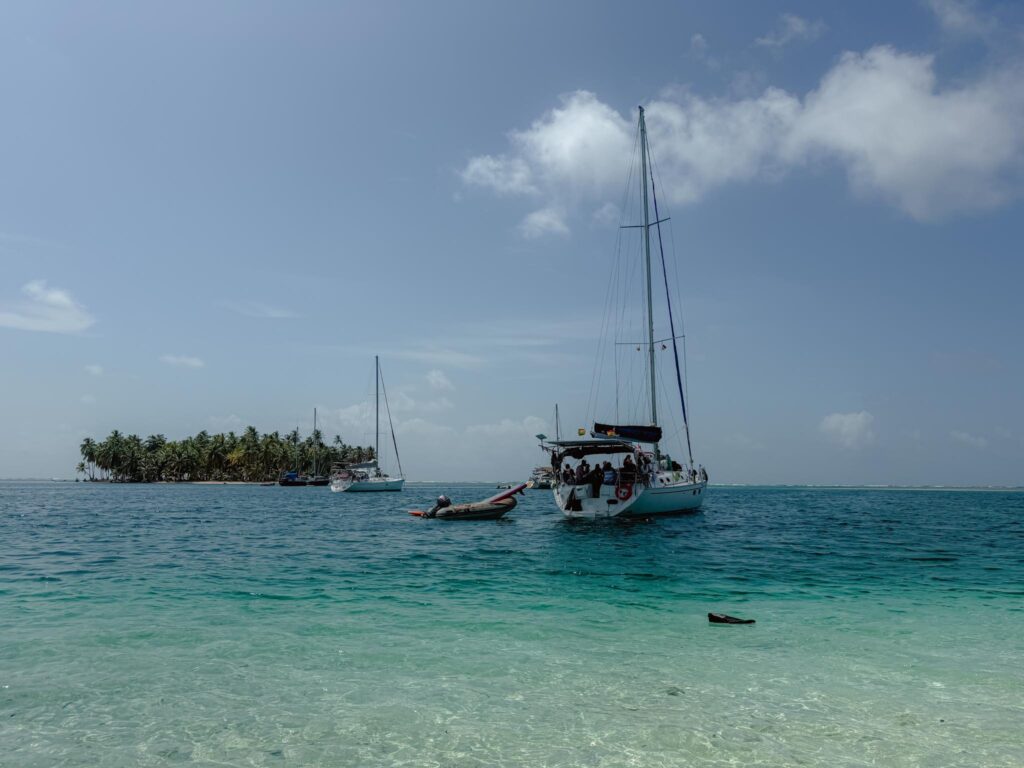
The archipelago is governed by the Guna people and the islands are unlike anything else in Central America: white sand, clear turquoise water, and no resort infrastructure. A day trip is possible but 3-4 days gives you the full experience. If you can only do one day trip from Panama City, this is the one.
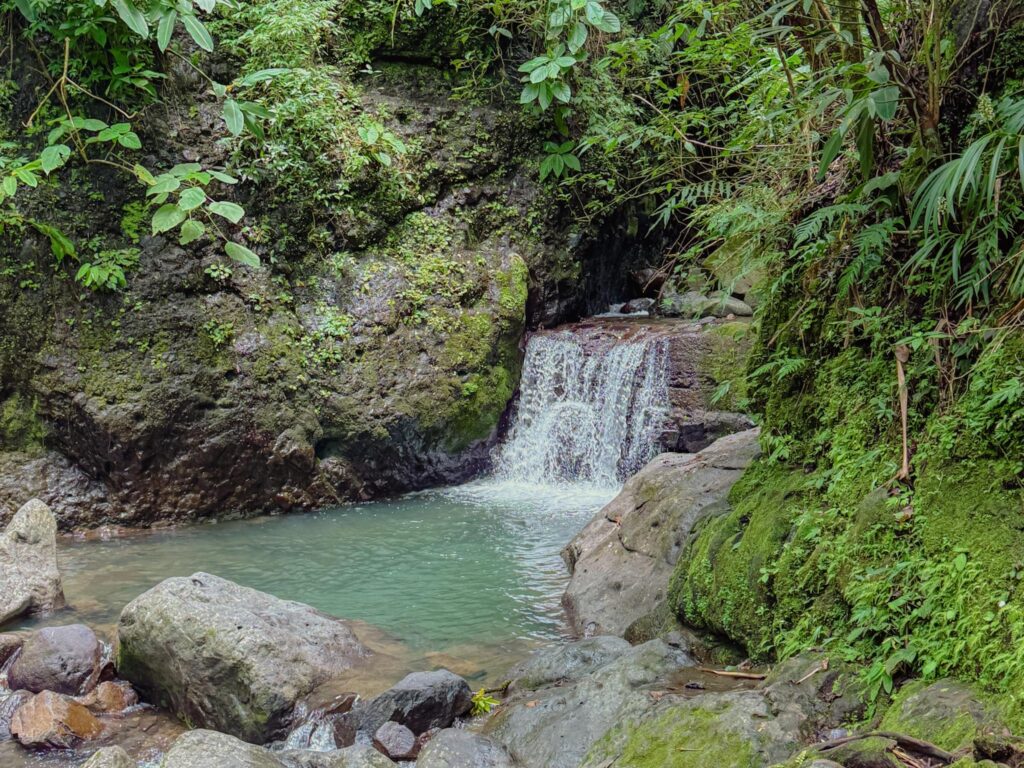
Valle de Antón
Valle de Antón sits inside the crater of an extinct volcano two hours from the capital, and it earns more than the single day most visitors give it. Hot springs, waterfalls, and cloud forest trails make it one of the most complete day trips available from the city. Stay overnight if your schedule allows.
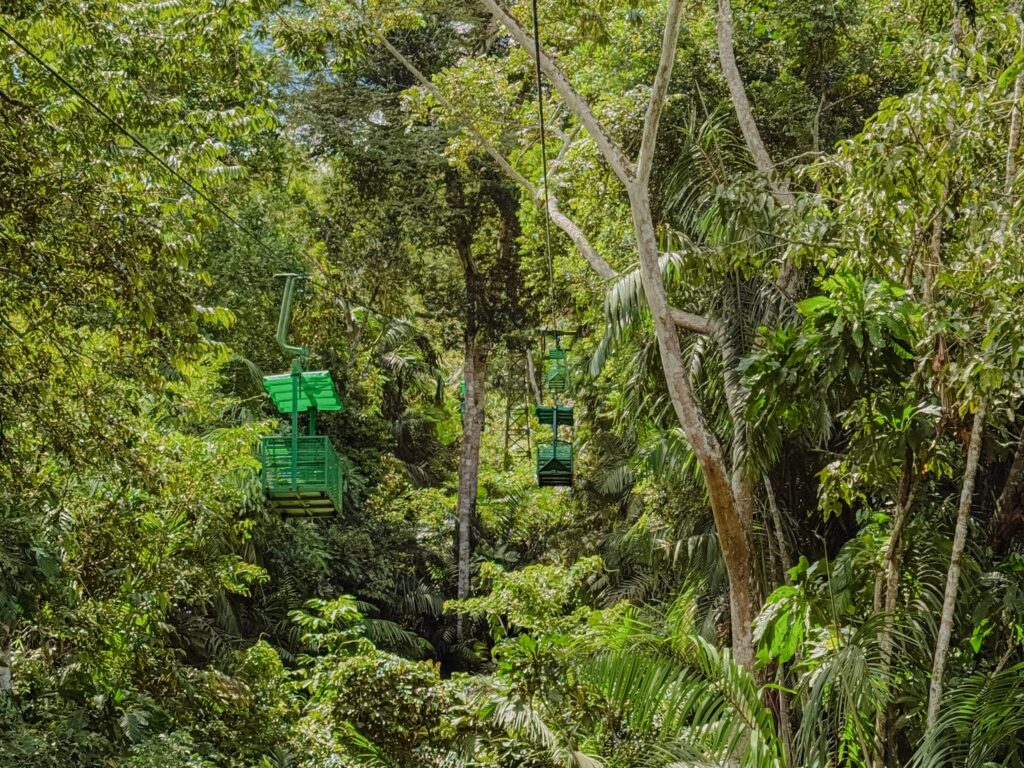
Gamboa and Soberanía National Park
Gamboa is the closest rainforest to Panama City and one of the best places in the country for wildlife and birdwatching. The Gamboa Rainforest Resort sits directly on the Canal, giving you access to the waterway along with visits to Embera indigenous villages. With all that there is to do, a full two-day experience is worth it if you have the time.
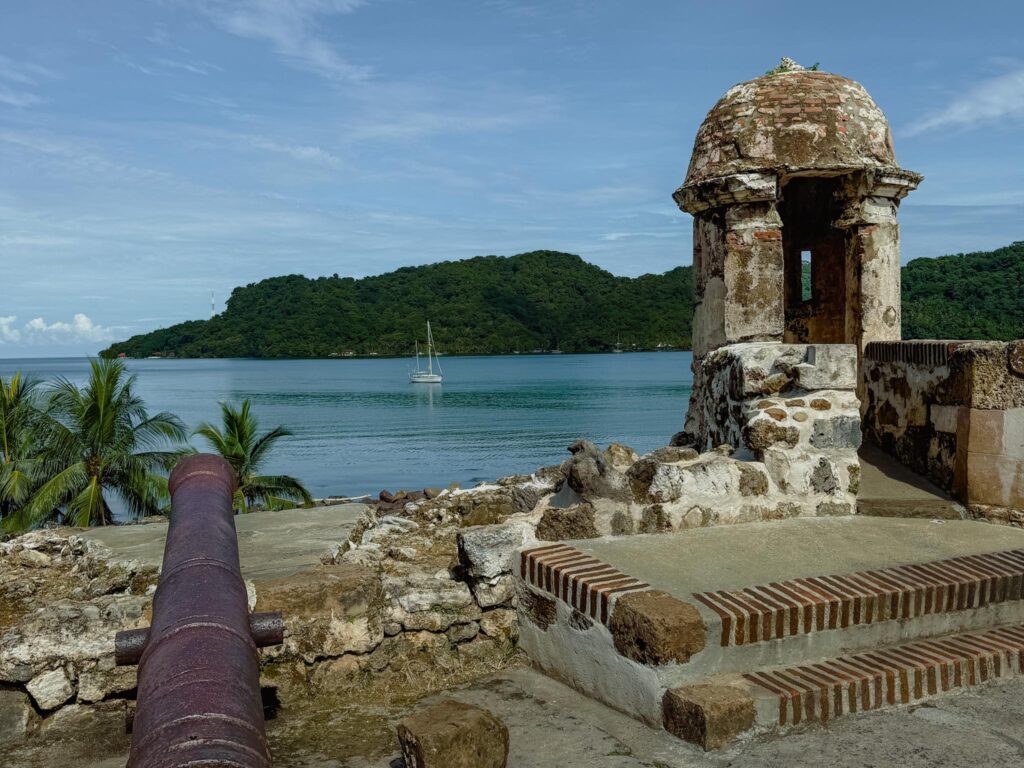
Portobelo and Isla Grande
Portobelo is a full day trip rather than a quick stop. The Spanish colonial forts are among the best-preserved in Latin America, and the town has a Congo cultural identity that sets it apart from the rest of Panama. From Portobelo, Isla Grande is a short boat ride away to experience a Caribbean island. Allow a full day and go with a guide to get the most out of the history.
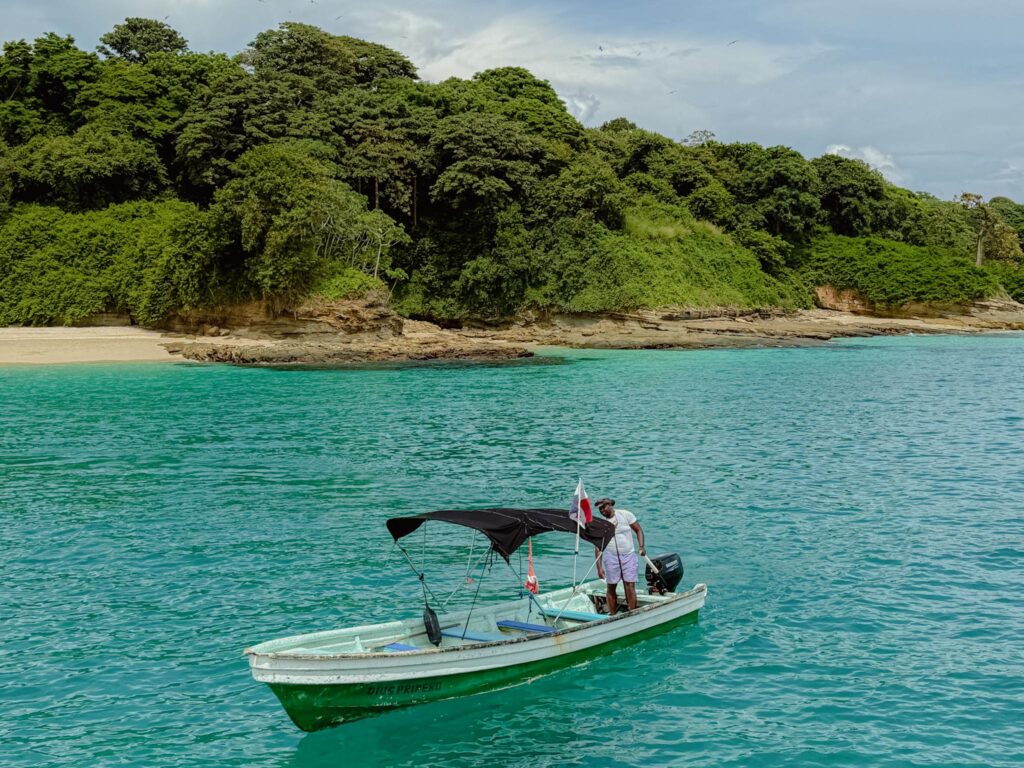
Las Perlas Islands
Las Perlas is Panama City’s Pacific island escape, accessible by a short flight or boat from the city. The archipelago has some of the best beaches in Panama with calmer water, less wind, and a more upscale visitor demographic than the Caribbean side. A good option for those who want a beach day without the full commitment of San Blas.
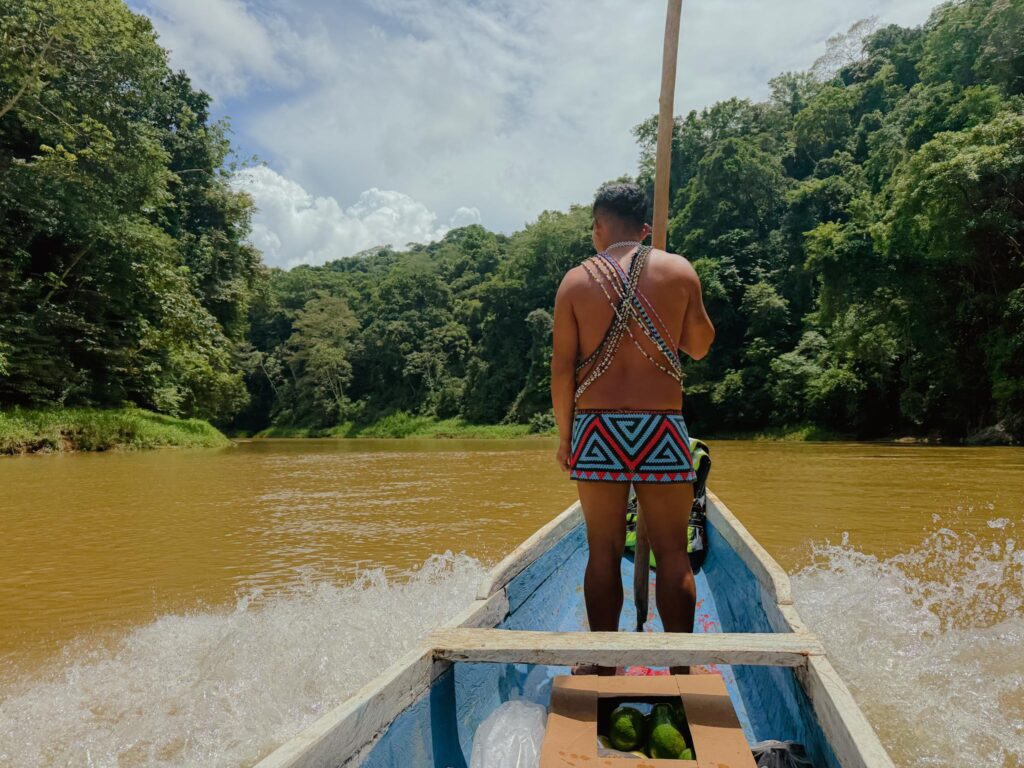
Embera Indigenous Villages
A visit to an Embera village along the Chagres River is one of the most culturally rich day trips available from Panama City. The Embera have maintained their traditional way of life and welcome visitors for guided experiences covering food, craft, and daily life.
For full logistics on each of these trips including how to get there and how long to allow, see our day trips from Panama City guide →
Getting around Panama City
Panama City is easy to navigate once you know the basics. Uber is the default recommendation for getting around: it is reliable, widely available, and removes the negotiation that comes with unmetered taxis. Fares within the main tourist areas are inexpensive.
The Metro is clean, safe, and worth knowing about, though most visitors will not need it beyond a few specific routes. For day-to-day movement between neighborhoods, Uber covers everything more conveniently.
Getting in from the airport takes around 30 minutes to an hour depending on traffic. Tocumen International Airport is on the eastern edge of the city, and the drive to Casco Viejo or El Cangrejo can stretch longer during morning and evening rush hours. Book an Uber from the arrivals hall rather than taking a taxi at the curb.
When to visit Panama City
Panama City works year-round in a way that most of Panama does not. The city’s main attractions, Casco Viejo, the Canal, and the food scene, are all fully accessible regardless of season, which makes it one of the more forgiving destinations in the region.
Dry season runs from January through April and brings reliably clear skies and lower humidity. If you are combining Panama City with other regions, this is the most straightforward window for a first trip.
The wet season runs from May through November, but Panama City handles it better than you might expect. Rain typically arrives in afternoon bursts while mornings stay clear, which means you can plan outdoor activities and day trips in the morning and let the afternoon take care of itself.
For a full month-by-month breakdown across all of Panama’s regions, see our best time to visit guide →
5-Day Itinerary
Panama City and San Blas
The complete day-by-day plan built from personal travel
More Panama City Guides
Animals in Panama: Wildlife to Spot and Where to Find Them
Panama has some of the most diverse wildlife in the Americas. Here's what you can realistically see, where to find it, and why a guide makes all the difference.
Best Time to Visit Panama
The dry season is not the only season worth going. Here is what the calendar actually looks like, region by region.
Is Panama Safe? An Honest Region-by-Region Guide
Panama is one of the safest countries in Central America. But the answer shifts considerably depending on where you are going.