

Skip to content
Blueprint Travelers
  • Latin America
    • Argentina
    • Bolivia
    • Brazil
    • Chile
    • Colombia
    • Ecuador
    • French Guiana (France)
    • Mexico
    • Panama
    • Paraguay
    • Peru
    • Suriname
    • Uruguay
  • Oceania + Japan
    • Australia
    • New Zealand
    • Japan
  • Resources
    • Itineraries
    • Travel + Hiking Gear Staples
  • Who We Are
    • About Us
    • Work With Us
    • Personal Travel Blog
  • Contact Us
Need help planning your next vacation? Reach out to us and we can help you with your future adventure
Font ResizerAa
Blueprint TravelersBlueprint Travelers
Search your destination or topic...
  • Latin America
    • Argentina
    • Brazil
    • Bolivia
    • Chile
    • Colombia
    • Ecuador
    • French Guiana
    • Mexico
    • Panama
    • Paraguay
    • Peru
    • Suriname
    • Uruguay
  • Oceania + Japan
    • Australia
    • New Zealand
    • Japan
  • Resources
    • All Our Itineraries
    • Travel + Hiking Gear Staples
  • Contact Us
  • About Us
    • Who We Are
    • Work With Us
    • Personal Travel Blog
Follow US
Home > Panama > Best Time to Visit Panama
Panama

Best Time to Visit Panama

The dry season is not the only season worth going. Here is what the calendar actually looks like, region by region.

By
Melina Goldman
ByMelina Goldman
Co-Founder, Editor-in-Chief, Traveler
Experience strategist turned travel writer. Melina has personally researched and visited every destination on this site across Japan, Latin America, Australia and New Zealand.
Follow:
- Co-Founder, Editor-in-Chief, Traveler
Last updated: April 7, 2026
10 Min Read
This post may contain affiliate links. When you make a purchase using one of these affiliate links, we get paid a small commission at no extra cost to you.
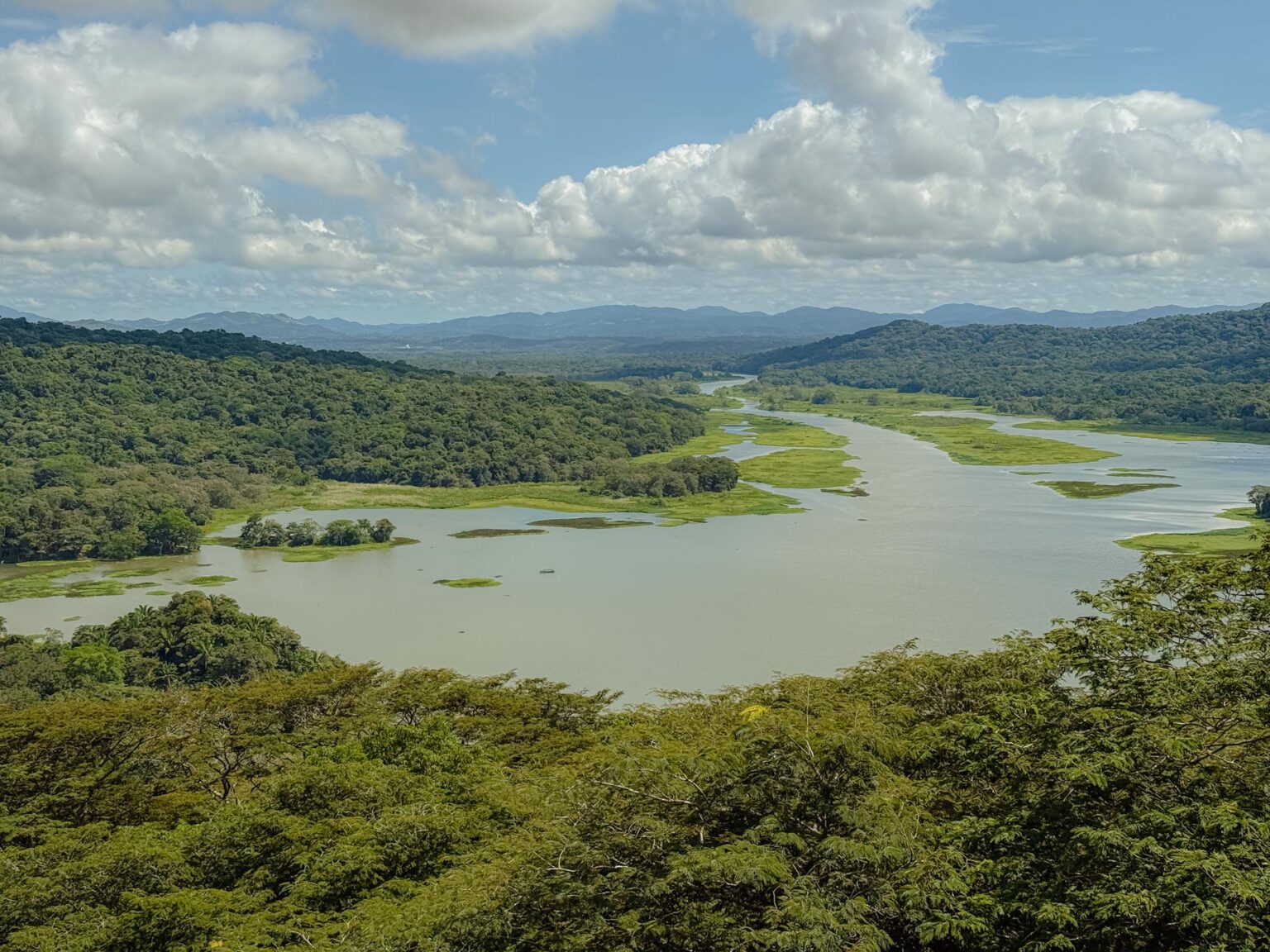
View over the Chagres River and rainforest from Gamboa, Panama
Chagres River · Gamboa, Panama
Jump to
Panama's two seasons explainedBest Time to Visit by RegionA Case for the Wet Season

January through April is the most reliable window for a first visit. The Pacific side, Panama City, Boquete, and Santa Catalina are all at their best during these months: dry skies, lower humidity, and cool nights in the highlands. If you have flexibility and want the simplest possible trip, aim for February or March.

That said, Panama is a year-round destination. The wet season is not a reason to stay home. Understanding what each season actually delivers, region by region, will help you plan a trip that works for the time of year you have available.

Panama's two seasons explained

Dry season: December to April

Panama’s dry season runs from roughly December through April across the Pacific side and the interior. Days are reliably clear, humidity drops noticeably, and travel between regions is easier. This is peak season for a reason: the Canal looks best under blue skies, hiking in Boquete is at its most comfortable, and San Blas delivers the postcard conditions you have seen in photographs.

December and January can bring some lingering rain from the tail end of the wet season, particularly in the highlands. By February the dry season is fully established, and it holds through April. This is also the busiest period for visitors, particularly around Christmas, New Year, and US school breaks in March. San Blas accommodation fills up early during these windows, so if you are planning to visit the islands, book well ahead.

Wet season: May to November

The wet season does not mean constant rain. Across most of Panama, the pattern is consistent: mornings are clear, skies open up in the afternoon, and by evening it has often passed. If you plan outdoor activities and excursions for the morning hours, you can move through the wet season with very little disruption.

I visited Panama entirely during the wet season, covering every region on the itinerary. The rain was lighter than I expected. On most days it came in the afternoon, lasted an hour or two, then stopped. The humidity that builds before a downpour can be intense, but the rain itself is often a relief. Panama is hot, and the afternoon showers cool everything down considerably. More than once it felt like a welcome break rather than a problem.

The wet season also means fewer visitors. Panama City, Boquete, and Bocas del Toro all feel noticeably quieter, and popular spots are far more relaxed without the peak-season density. It is one of the more underrated reasons to consider travelling outside the standard dry season window.

Best Time to Visit by Region

Dry season Wet season Shoulder season

Panama City

Jan

Jul

Dec

Dry Season

January through March brings clear skies, lower humidity, and comfortable temperatures for walking the waterfront, exploring Casco Viejo, and watching ships pass through the Canal. During peak visitor season, book ahead.

wet Season

May through October brings afternoon rain, typically an hour or two after midday, although it can rain all day. The Canal is still impressive, the covered food halls and museums are unaffected, and the city is noticeably quieter. Plan outdoor sightseeing for mornings.

Bocas del Toro

Jan

Jul

Dec

Dry Season

February through April and again September through October are the driest windows. Flat Caribbean seas make island-hopping straightforward, snorkeling visibility is at its best, and beach days are reliable.

wet Season

May through July and December bring the heaviest rain. Bocas runs on its own Caribbean calendar and its wettest months do not align with the Pacific dry season, so plan accordingly if combining regions.

San Blas Islands

Jan

Jul

Dec

Dry Season

February through April offers the most reliable conditions for San Blas. Calm seas make the crossing and boat transfers easier, snorkeling is excellent, and the outer islands are fully accessible. Accommodation fills fast though so book early.

wet Season

May through August and November through December bring rougher Caribbean seas that can limit access to the outer islands. Inner island stays are still possible but conditions are less predictable for both land accommodations and sailing opportunities. 

Boquete & Panama Highlands

Jan

Jul

Dec

Dry Season

January through March is the best window for the Volcán Barú summit hike with clear skies give the best chance of seeing both oceans from the top. Coffee farm visits and the Quetzal Trail are also at their most comfortable in cool, dry conditions.

wet Season

May through October brings cloud cover and heavier rain that can reduce visibility on the summit of Volcán Barú. Coffee farm visits and town exploration are less affected. The highland cloud forest looks intensely green and atmospheric in the wet season.

Valle de Antón

Jan

Jul

Dec

Dry Season

December through March is the most comfortable window. The natural crater bowl stays cooler than the coast year-round, and dry conditions makes the various hikes easy to enjoy. The cooler temperatures make the Valle de Antón a nice escape from the rest of Panama. 

wet Season

June through October brings more rain but Valle de Antón handles it well. The hot springs and town center are all weather-independent. Hikes can be enjoyed between showers throughout the day. Works fine as a day trip from Panama City at any time of year.

Santa Catalina & Coiba

Jan

Jul

Dec

Dry Season

January through March offers the flattest seas and best underwater visibility for diving Coiba National Park. Surf breaks are consistent and waves are great for expert and beginner surfers alike. (Beginner surfers should consider the shoulder season for smaller waves.)

wet Season

May through October brings bigger swell that experienced surfers actively seek out, but the Coiba crossing can be rougher and dive visibility decreases. There may be fewer visitors in the water during these months.

Portobelo & Isla Grande

Jan

Jul

Dec

Dry Season

February through April and September through October are the calmest windows on this stretch of Caribbean coast. The Spanish forts at Portobelo are outdoor sites and best explored in dry weather. Isla Grande beaches are at their most inviting when the sea is calm.

wet Season

May through July and December bring heavier rain and rougher seas. The fort ruins are still worth visiting but the experience is more comfortable in dry conditions. Isla Grande beach days are less reliable and sailing around the islands may be rougher.

A Case for the Wet Season
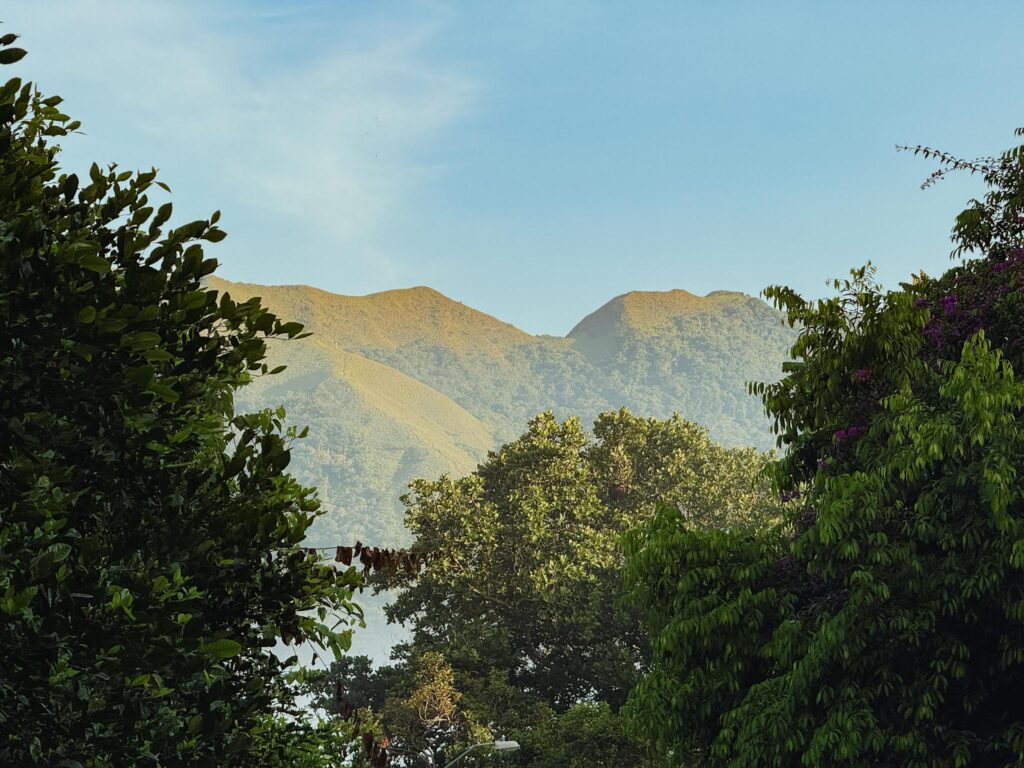
Mountain peaks and tropical forest viewed from Valle de Antón, Panama
Valle de Antón · Panama

Most travel guides frame the wet season as something to avoid or tolerate. That framing undersells it. The rain keeps the landscape intensely green, wildlife is active, and the country is quieter. Every destination feels more spacious. You can walk through Casco Viejo without navigating tour groups. You can sit at a beach bar in Bocas without competing for the last table.

The key is adjusting your schedule rather than trying to outrun the rain. Plan anything that requires sunshine, clear skies, or ocean crossings for the morning. Use afternoons for indoor experiences: coffee tastings in Boquete, the Canal visitor centre, lunch at Mercado de Mariscos, the colonial churches of Portobelo. In most cases the afternoon rain is over within an hour or two, and evenings in Panama are typically dry.

One honest caveat: the wet season does occasionally produce full days of rain, particularly in October and November, which are the heaviest months across much of the country. If you are visiting in those months, build more flexibility into your daily plans than you would in February.
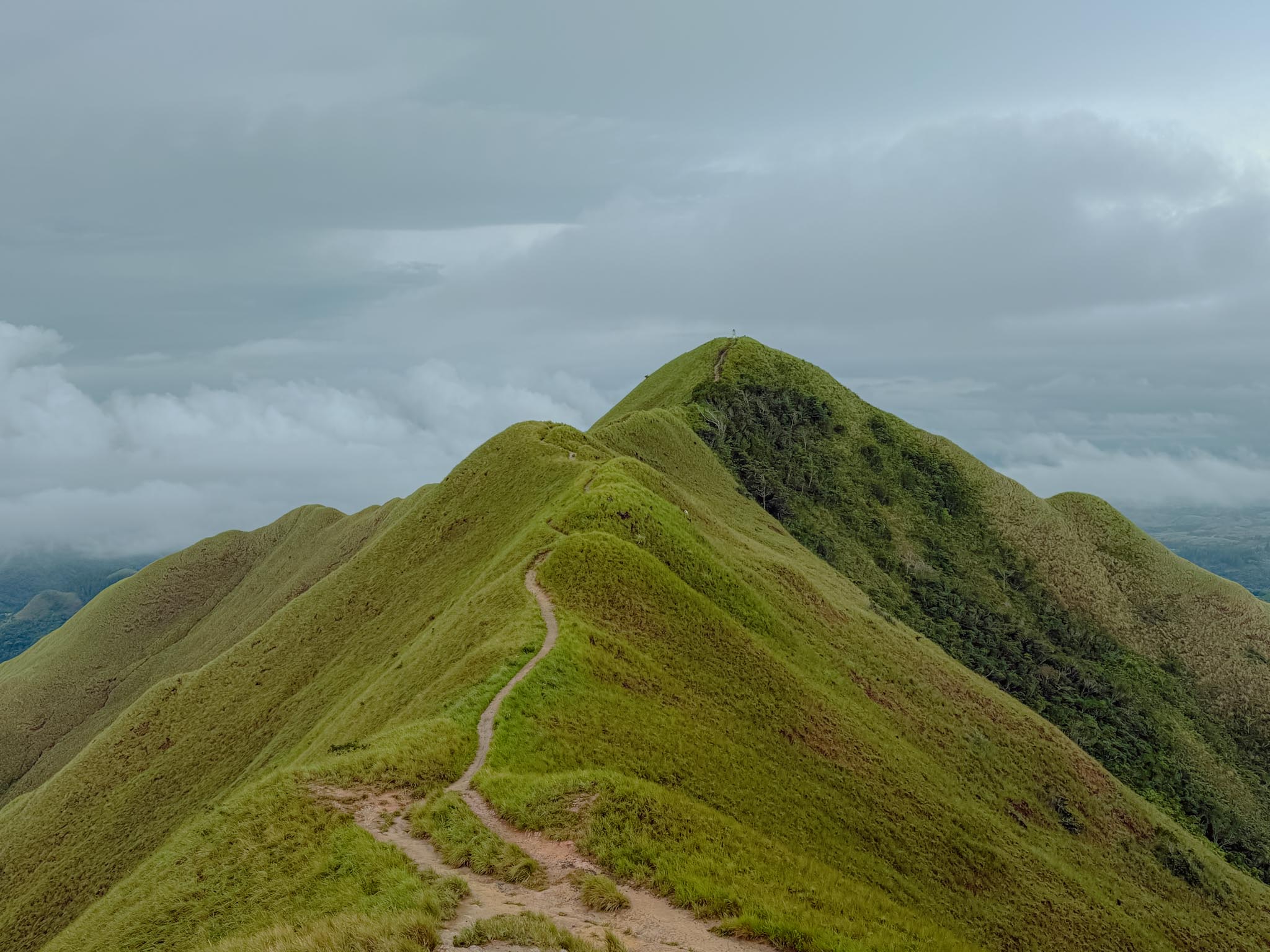
Traveling to Panama in January?
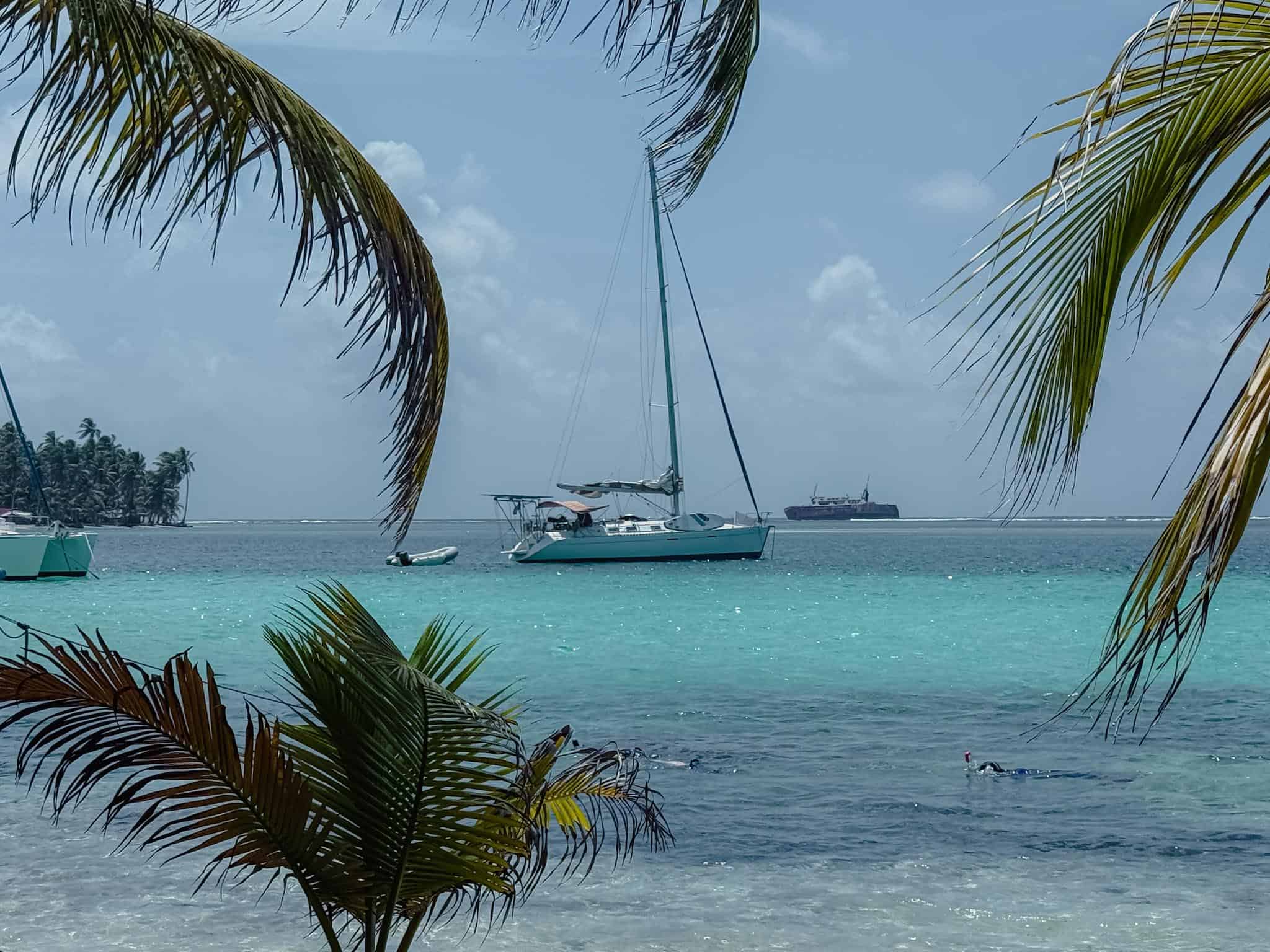
The 9-Day Greatest Hits itinerary is built around dry season conditions.
explore the itinerary

Traveling to Panama in the Wet Season?

The 9-Day Caribbean and Culture itinerary is great for wet season conditions.
explore the itinerary
discover all Panama itineraries →
Share This Article
Facebook LinkedIn Copy Link
ByMelina Goldman
Co-Founder, Editor-in-Chief, Traveler
Follow:
Experience strategist turned travel writer. Melina has personally researched and visited every destination on this site across Japan, Latin America, Australia and New Zealand.
Leave a Comment

Leave a Reply

Your email address will not be published. Required fields are marked *

  • General Info
  • Safety
Contents
Panama's two seasons explainedBest Time to Visit by RegionA Case for the Wet Season

You Might Also Like

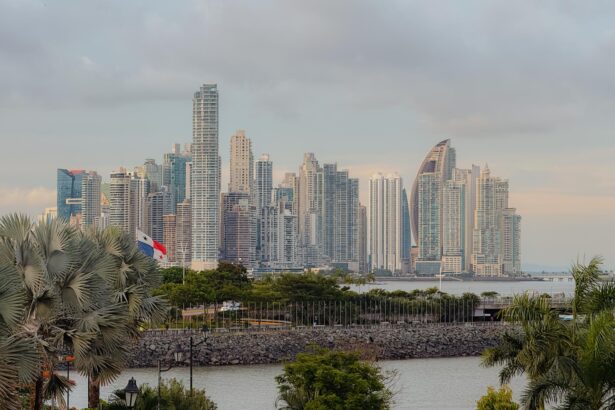
Panama City skyline viewed from Casco Viejo, with the Panamanian flag in the foreground and skyscrapers rising along the Pacific waterfront
Panama

Is Panama Safe? An Honest Region-by-Region Guide

First-hand guides from real travelers

Blueprint Travelers was founded by Kevin and Melina, two travelers who have personally visited every destination on this site across Japan, Latin America, Australia and New Zealand. Every guide starts with extensive research through guidebooks, travel blogs, and specialist resources, then conversations with locals and tourism centres, then the trip itself. Nothing makes it onto the page until it has been tested firsthand.

meet Melina and Kevin →

Need help planning your trip?

Not sure where to start? Reach out directly. Kevin and Melina love helping travelers structure itineraries, choose the right destinations for their time and budget, and find the experiences that will actually matter.

Get in touch →

Every destination we cover

Latin America

Argentina

Bolivia

Brazil

Chile

Colombia

Ecuador

French Guiana (France)

Mexico

Panama

Paraguay

Peru

Uruguay

Suriname

Oceania

Australia

New Zealand

Asia

Japan

Popular Starting Points

All Itineraries →

Australia highlights →

New Zealand highlights →

Mexico City travel guide →

Tokyo first-time guide →

Patagonia travel guide →

Destination inspiration on your Instagram feed

🚀👩‍🚀🔭🪐 The Guiana Space Center is the crown jewel 🚀👩‍🚀🔭🪐 The Guiana Space Center is the crown jewel of French Guiana (a French territory that is part of the Guyanas region in South America) and a remarkable place to visit, especially for those who are interested in space and the future of space travel.  The Guiana Space Centre is the official space center for all of Europe and is an important facility to maintain space independence by the countries of Europe. This location was chosen after France lost their territory of Algeria, where the prior space center was located. It is an ideal space center location because it is located near the ocean, away from large population centers, and in a seismic and hurricane free zone.  The most unique aspect of this space center is that you can actually take a free guided tour by bus to different facilities around the sprawling site. This tour may visit two different command centers and the location where the rockets are assembled. It is the only place in the world where you will have such access to launch pads and command centers.  You can learn more about visiting the space center and French Guiana on our website. 🔗 Link is in the bio.  #guianaspacecenter #frenchguianatravelguide #southamericatravelexpert #frenchguiana #spacecentertour
The Northland region of New Zealand is the norther The Northland region of New Zealand is the northernmost area of the country known for its important cultural sites, long beaches, and beautiful coast line. With so many things to do in Northland, you could easily spend four days exploring the region to experience this incredible part of the country.  🛟 Save this post for your next trip to the Northland region of New Zealand! And you can always read more on our website, 🔗 linked in bio.  📍Northland, North Island, New Zealand  #northlandnewzealand #newzealanditinerary #newzealandtravel #northislandnz #newzealandtravelguide
Auckland is New Zealand’s largest city and its eco Auckland is New Zealand’s largest city and its economic center, with a noticeably more international feel than the rest of the country. Maungawhau / Mt Eden (pictured) is a site of cultural significance to Māori, believed to have once been guarded by a deity living within the crater. A boardwalk now circles the cone, offering 360° views across Auckland and a clear look at the city below.  📍Auckland, North Island, New Zealand  #NewZealandTravel #AucklandNZ #CulturalTravel #MeaningfulTravel #travelphotography
Follow on Instagram

New guides monthly straight to you

Kevin and Melina publish fresh itineraries, deep dives, and honest travel advice in a newsletter about once a month. No spam, no filler. Just the guides you would actually use.

Blueprint Travelers

First-hand travel guides for Latin America, Australia, New Zealand and Japan, written by expert travelers who have actually been there.

instagram
Pinterest
Linkedin
facebook

Travel Destinations

Argentina

Australia

Bolivia

Brazil

Chile

Colombia

Ecuador

French Guiana (France)

Japan

Mexico

New Zealand

Paraguay

Peru

Uruguay

Suriname

All Destinations →

More

All Itineraries

Travel + Hiking Gear Staples

Who We Are

Work With Us

Personal Travel Blog

Social Media Links

Copyright © 2026 Blueprint Travelers LLC. All rights reserved. No part of this site may be reproduced without our written permission.
  • Privacy Policy
  • Disclosure Policy
  • Blueprint Travelers – Terms of Use
Welcome Back!

Sign in to your account

Username or Email Address
Password

Lost your password?