
Casco Viejo · Panama City, Panama
Latin America
Panama Travel Guide
A modern capital city, an indigenous island archipelago, a cloud forest full of quetzals, and a working canal. Panama fits more into one trip than most countries fit in a lifetime.
Panama does not ask you to choose between experiences. It gives you all of them at once. The country is small by any measure, roughly the size of South Carolina, but the variety packed into that footprint is extraordinary. An hour from Panama City, the road climbs into cloud forest. A short flight in the other direction puts you on islands so remote they belong to an indigenous nation that governs them independently. The Caribbean coast smells like coconut rice and salt air. The highlands smell like coffee and rain. Very few countries reward a traveler who wants contrast this quickly.
Kevin and Melina have personally traveled Panama, spending time in Panama City, the San Blas Islands, Boquete, Bocas del Toro, Valle de Antón, Portobelo, and Santa Catalina. Every itinerary and recommendation on this page comes from traveling within those regions. This guide covers where to go, how long to spend, what to know before you arrive, and how to navigate Panama once you are there.
Panama at a glance
Language
Spanish
Capital City
Panama City
Currency
US Dollar
Budget Range
$$
Best time to visit
January to April is dry season and the most reliable across most regions. The Caribbean coast (Bocas del Toro, San Blas) runs on its own rhythm, drier in February to April and September to October. More detail in Planning your trip.
Typical trip length
Five days is enough for one focused region. Nine days opens up two to three regions properly. Sixteen days covers the full country without rushing.
US and Canadian passport holders enter visa-free for up to 180 days. Most other nationalities receive 90 days. Some passport holders require a visa in advance so check your country's requirements before booking.
Quick Resources to Plan Your Trip to Panama
Explore by Region
Regions of Panama
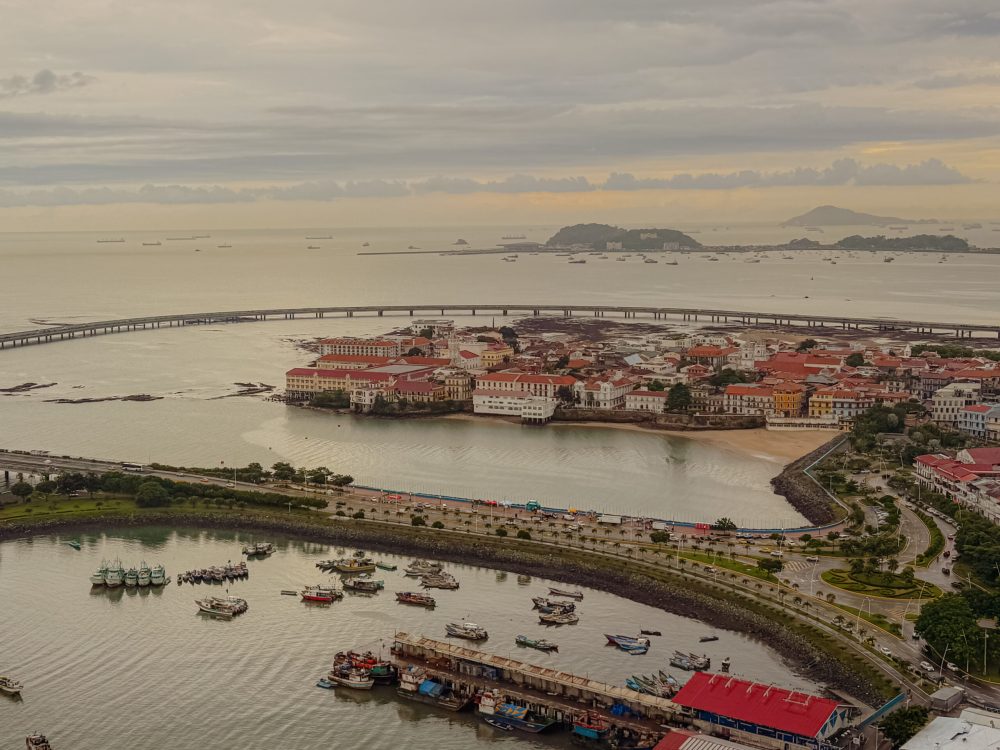

The capital and the country’s entry point. A modern skyline, a UNESCO colonial quarter, and the famous canal all within the same city limits.
Entry point for most trips
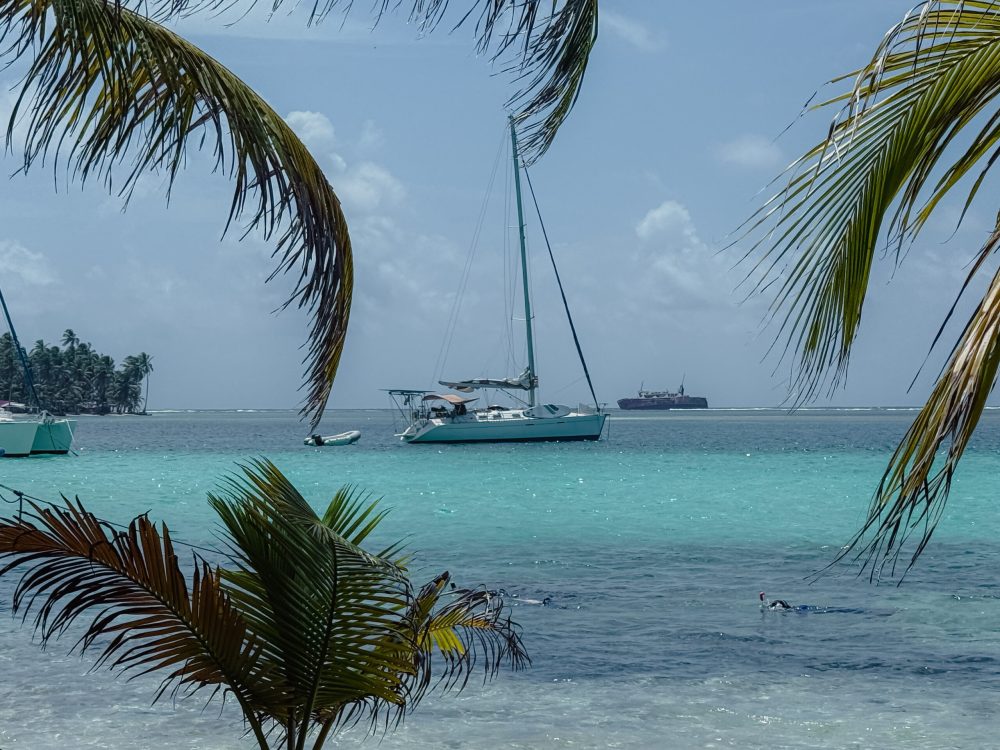

An archipelago of more than 300 islands governed autonomously by the Guna people. White sand, clear water, and no resort hotels anywhere in sight.
~3 hr drive + boat from Panama City
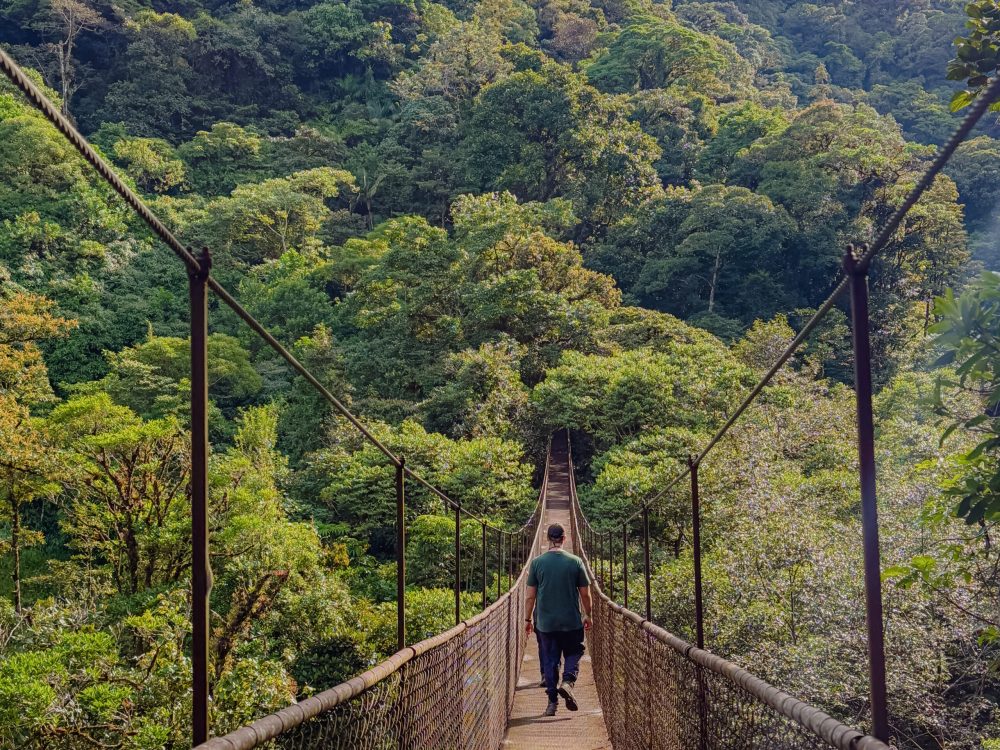

Panama’s highland town, surrounded by cloud forest and coffee farms. The base for hiking Volcán Barú, walking the Quetzal Trail, and rafting the Chiriquí river.
~1 hr flight from Panama City
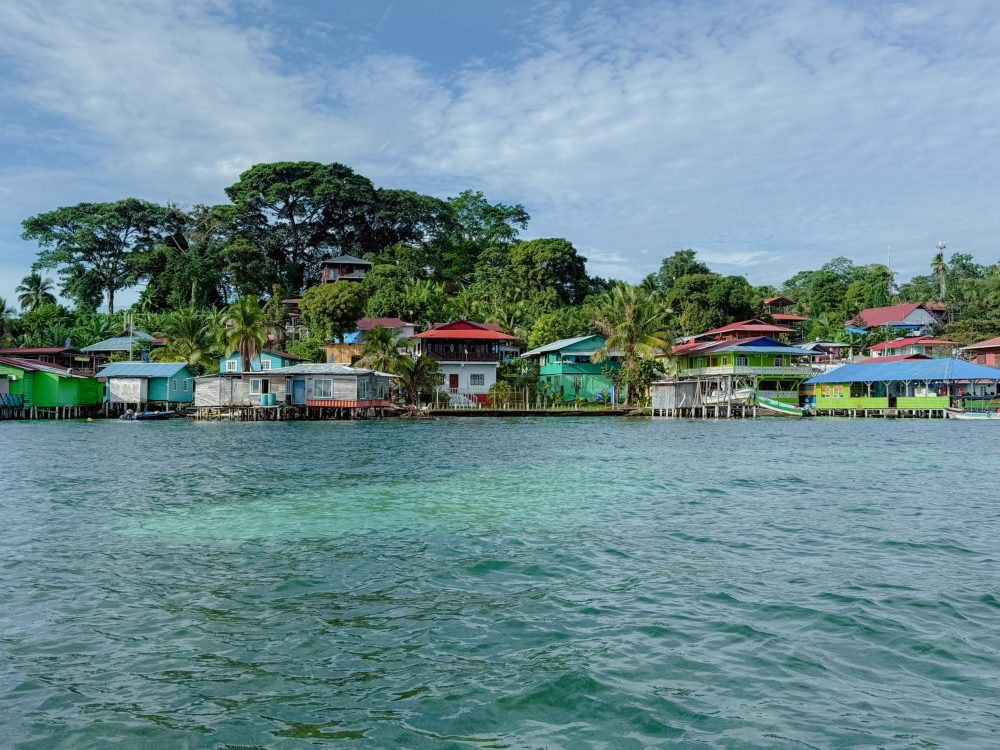

An archipelago of Caribbean islands in the northwest. Panama’s most visited beach destination, known for snorkeling, surfing, sloths, and a relaxed island-hopping pace.
~1 hr flight from Panama City
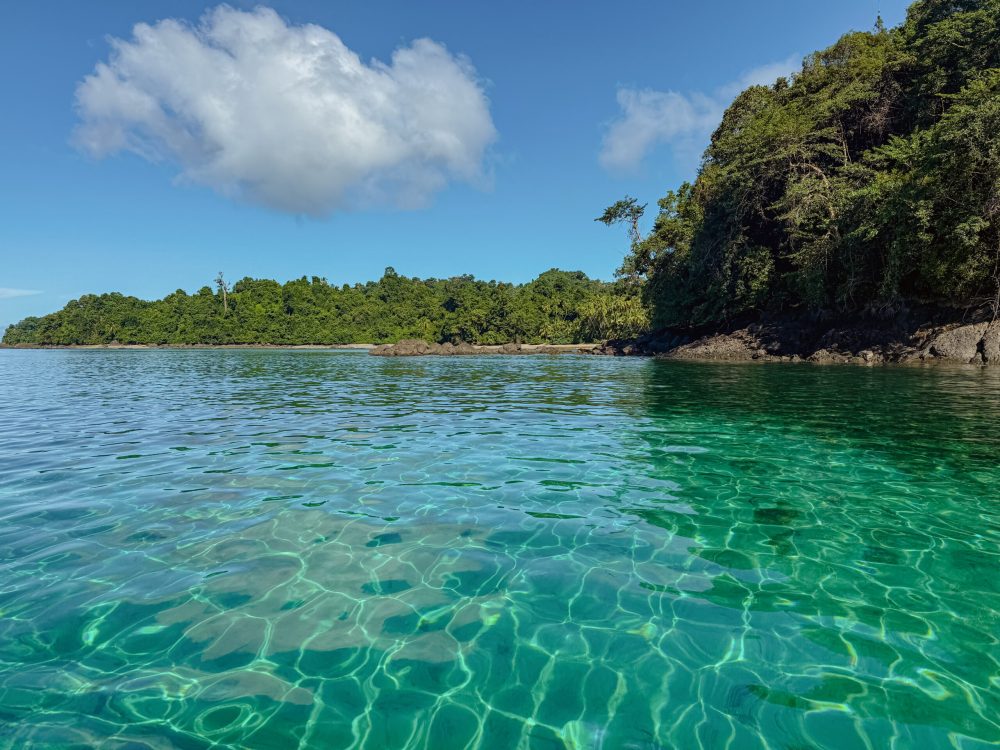
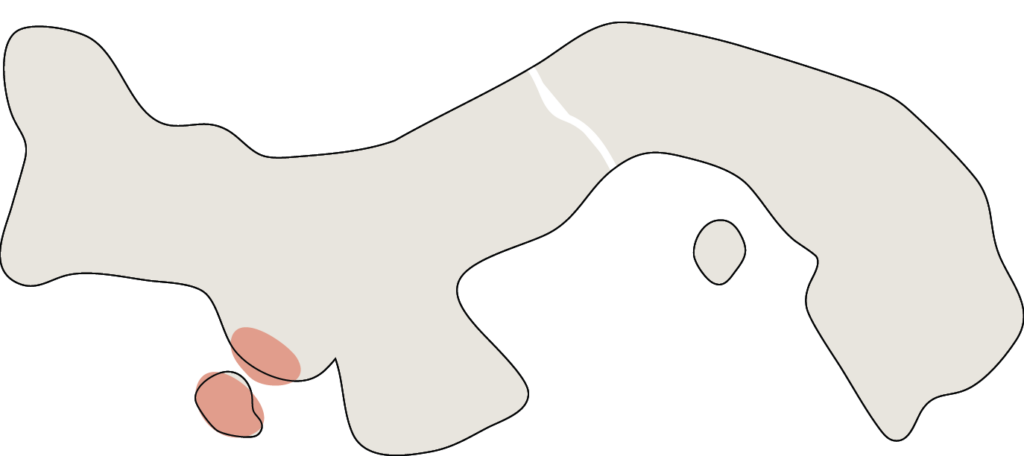
A small Pacific fishing village that became a magnet for surfers and divers. The gateway to Coiba National Park, a UNESCO marine reserve with world-class diving.
~5 hr drive from Panama City
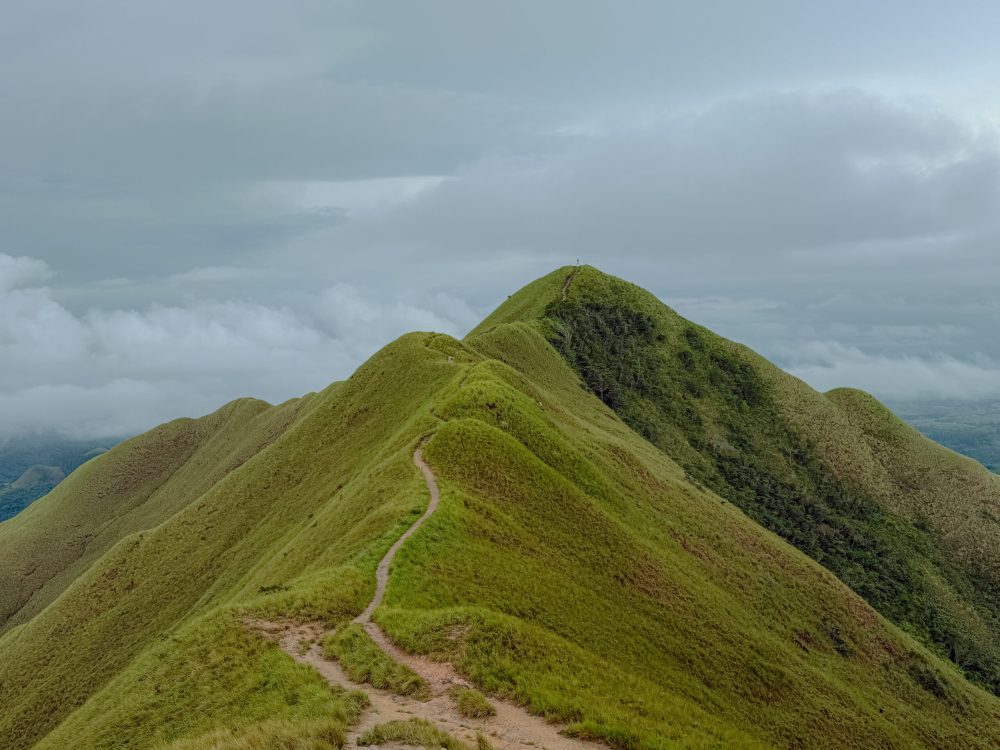

A small town sitting inside the crater of an extinct volcano. Hot springs, waterfalls, and cloud forest birding all within two hours of the capital.
~2 hr drive from Panama City
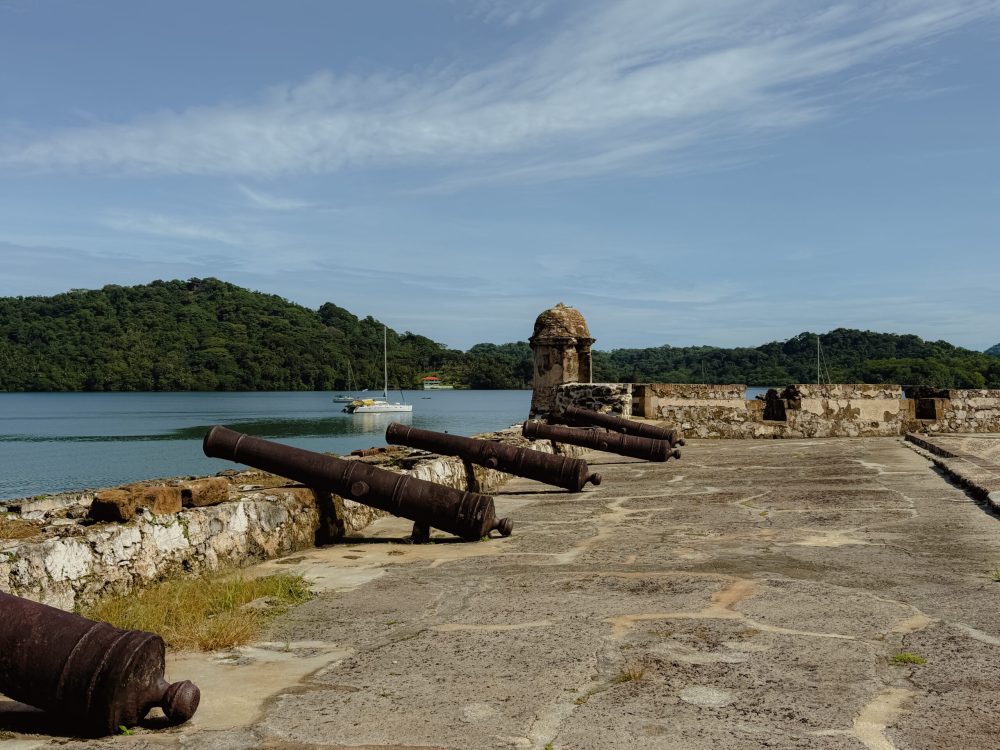

A Spanish fort town on the Caribbean coast paired with a quiet island just offshore. Historically rich and largely off the international tourist trail.
~2 hr drive from Panama City
Where to Go
Featured destinations
Panama City
The only city in the world where you can watch ocean freighters pass through a canal from the colonial quarter. Casco Viejo, the Miraflores Locks, the fish market, and a food scene that punches well above its size.
San Blas Islands
One of the most extraordinary places in Central America. The Guna people govern the archipelago independently, accommodations are simple and intentional, and the islands themselves — white sand, turquoise water, no development — live up to every photograph.
Boquete
The highland town that surprises most visitors. Coffee farms producing world-famous Geisha beans, cloud forest trails with resplendent quetzals, Volcán Barú looming over everything, and cool mountain air that feels like a different country from the coast.
Bocas del Toro
Panama’s most well-known island destination. A cluster of Caribbean islands where the main activities are snorkeling over coral gardens, spotting sloths in the mangroves, and island-hopping at whatever pace suits you.
Plan your trip
Itineraries
Every itinerary below was built from personal travel. Kevin and Melina have done each route themselves, from the Buenos Aires neighborhoods to the end of the world in Ushuaia. Use the region sections to find your destination, or reach out if you need help building a full trip.
Portobelo + Isla Grande
itineraries coming soon
Before you book
Planning your trip
Best time to visit
Panama has two seasons: dry and wet. But the answer changes depending on which region you are visiting. For Panama City, Boquete, and the Pacific coast, January through April is the most reliable window. Dry skies, lower humidity, and cool nights in the highlands make this the easiest entry point for a first trip.
The Caribbean coast runs on its own calendar. Bocas del Toro is driest in February to April and again in September to October, with wetter spells in December and July. San Blas is generally calm February through April. Valle de Antón is comfortable year-round but wetter June through November.
The wet season is not a reason to avoid Panama entirely. Mornings often stay dry and prices drop noticeably. But if you are covering multiple regions on one trip, January through March gives you the best conditions across the most destinations simultaneously.
How long do you need
Panama City paired with San Blas, Boquete paired with Valle de Antón, or Bocas del Toro on its own all work well at this length. Nine days opens the country up meaningfully: you can combine city, highlands, and islands without feeling rushed, which is why it is the format most first-time visitors choose. Sixteen days is the format for covering all seven regions with enough time in each to move slowly.
Panama’s domestic distances are short. Flights between regions are rarely more than an hour, so the limiting factor is depth, not distance. The mistake most travelers make is using the short flight times as a reason to add more stops rather than spend more time in fewer places.
Budget
Panama uses the US dollar as its official currency, which removes currency exchange entirely for American travelers. A comfortable mid-range trip including good accommodation, meals at local restaurants, and activities typically runs USD 150 to USD 250 per person per day. Panama City and boutique lodges in Boquete sit at the higher end. Bocas del Toro and Santa Catalina have options at every level from backpacker to boutique.
Credit cards are accepted in most hotels, restaurants, and larger businesses in Panama City and tourist areas. Bring cash before heading to San Blas or Santa Catalina, where ATM access is limited or nonexistent. Tipping is standard: 10 percent at restaurants if not already included, and USD 5 to 10 per day for guides.
Getting there
Tocumen International Airport (PTY) in Panama City is Panama’s main hub for international arrivals. Direct flights connect Panama City to most major US cities including Miami, New York, Houston, Atlanta, Los Angeles, and Chicago, with Copa Airlines operating the most frequent schedules. Flight times from the US East Coast run around three hours; from the West Coast, around six.
Copa Airlines, Panama’s national carrier, also operates an extensive regional network throughout Latin America, making Tocumen a common connecting hub for onward travel. From Panama City, Air Panama operates domestic flights to Bocas del Toro, David (the gateway to Boquete), and several other regional destinations in under an hour. Getting to San Blas requires a 4WD transfer on a rough mountain road followed by a boat — most visitors book this as part of a guided package.
Health and entry requirements
Panama requires no vaccinations for entry for US travelers, and no malaria prophylaxis is needed for the standard tourist circuit of Panama City, Bocas del Toro, Boquete, and San Blas.
Tap water is safe to drink in Panama City and most larger towns. In rural areas, Bocas del Toro, and San Blas, stick to bottled or filtered water. Most hotels and lodges in these areas provide filtered water as standard.
On the ground
When you're there
Getting around
Domestic flights on Air Panama are the fastest way to move between regions. Panama City to Bocas del Toro is under an hour, and the David airport serving Boquete is similarly short. Book domestic flights early as capacity is limited and prices rise significantly closer to the date.
For overland travel, private shuttle transfers are the most comfortable option and only marginally more expensive than public buses when shared between two or more travelers. Getting to San Blas requires a combination of 4WD transfer on a rough mountain road and a boat to your island or boat.
Within Panama City, Uber works reliably and is the recommended option over taxis. In Bocas del Toro, water taxis are the primary way to move between islands and run frequently throughout the day.
Language
Spanish is the official language throughout Panama. English is widely spoken in Panama City and in heavily touristed areas like Bocas del Toro and Boquete, less so in rural areas. In San Blas, the Guna people primarily speak their own language (Dulegaya), with some Spanish. A few useful phrases:
hola
OH-la
hello
gracias
GRAH-see-ahs
thank you
por favor
POHR FAH-vohr
please
no entiendo
NOH ehn-tyEN-doh
I don’t understand
¿Hablas inglés?
hah-BLAHS een-GLEHS
do you speak english?
¡chau!
CHOW
bye
¿Dónde está el baño?
DOH-ndeh ehs-TAH EHL BAH-nyoh
where is the bathroom?
¿Cuánto cuesta?
KWAHN-toh KWES-tah
how much does it cost?
Cash and tipping
Panama uses the US dollar as its official currency, called the Balboa locally but interchangeable in every way with USD. Credit cards are accepted in most hotels, restaurants, and larger businesses in Panama City and major tourist destinations. In San Blas, Santa Catalina, and smaller rural towns, cash is essential. Bring enough before you leave Panama City, as ATM access in these areas is limited or unreliable.
Tipping in Panama
Tipping is standard and expected. At restaurants, 10 percent is the norm if a service charge is not already included on the bill. For guides, USD 5 to 10 per person per day is appropriate for a half or full-day tour, more for multi-day guides. Hotel porters typically receive USD 1 to 2 per bag. For free walking tours in Panama City, tip directly to the guide: USD 10 to 20 per person is a fair amount for a quality tour.
The canal
No other country has a feature quite like the Panama Canal. It is not simply an engineering landmark — it is the reason Panama City exists, the reason the country has its current shape, and the reason the US dollar is its official currency. Watching a fully loaded container ship squeeze through a lock chamber with inches to spare is something photographs cannot prepare you for.
Miraflores Locks in Panama City is the most accessible viewing point, with a museum, observation deck, and restaurant. The newer Agua Clara Locks near Colón handle the larger post-Panamax ships and are worth the trip if you want to see the expanded canal. Ships transit around the clock but morning visits tend to see the most traffic. A canal visit belongs on every Panama City itinerary, regardless of travel style.
Regional character
Panama changes more dramatically between regions than its small size suggests. Panama City is cosmopolitan and fast-paced, with a food scene and nightlife that would feel at home in any major Latin American capital. Bocas del Toro runs on Caribbean time with a vibe that is slower, saltier, less concerned with schedules. Boquete is cool and quiet, a highland town where the main sounds are birds and rain on coffee leaves.
San Blas is unlike anywhere else in Panama or Central America. The Guna people have governed the archipelago autonomously since 1925 and have resisted resort development entirely. Visiting requires adjusting your expectations away from comfort and toward experience. If your trip covers more than one region, allow yourself a day to decompress between each rather than moving straight from one to the next. The contrast is part of what makes Panama extraordinary.
All Articles
All Panama travel guides
The articles and guides are in progress and will be coming soon!