
Suriname is a small country in the northern part of South America, nestled between French Guiana, Brazil, and Guyana. As a former Dutch colony, it has a complicated history that has led to the diversity that is celebrated in the country today. Follow this Suriname itinerary to help you plan your trip to this unique country.
Given its tropical climate, it is complicated to decide when it is best to visit the country. During the months of February to April and August to December, the weather is dry but incredibly hot. However, the months of December to February and April to August are considered the wet season, where it rains every day heavily for a few hours a day but that rain helps cool down the temperature.
A 7 Day Suriname Itinerary
This guide is a starting point to exploring Suriname in South America. This area is culturally and ecologically unique. As a former Dutch territory, it is influenced by the Dutch colonizers. However, being in a tropical environment near the equator, it is ecologically completely different, which has a huge impact on the culture. Follow this itinerary to explore the various historical, cultural, and ecological aspects of Suriname.
Activity
Day 1
Arrive in Suriname (either from French Guiana or at the Paramaribo airport.
Spend the afternoon walking through the Peperpot Nature Park
If available and in the right season, go on a sea turtle tour to see them nest
Day 2
Take a tour to visit the Jodensavanne National Monument (a former Jewish settlement) and the Redi Doti Amerindian community
Day 3
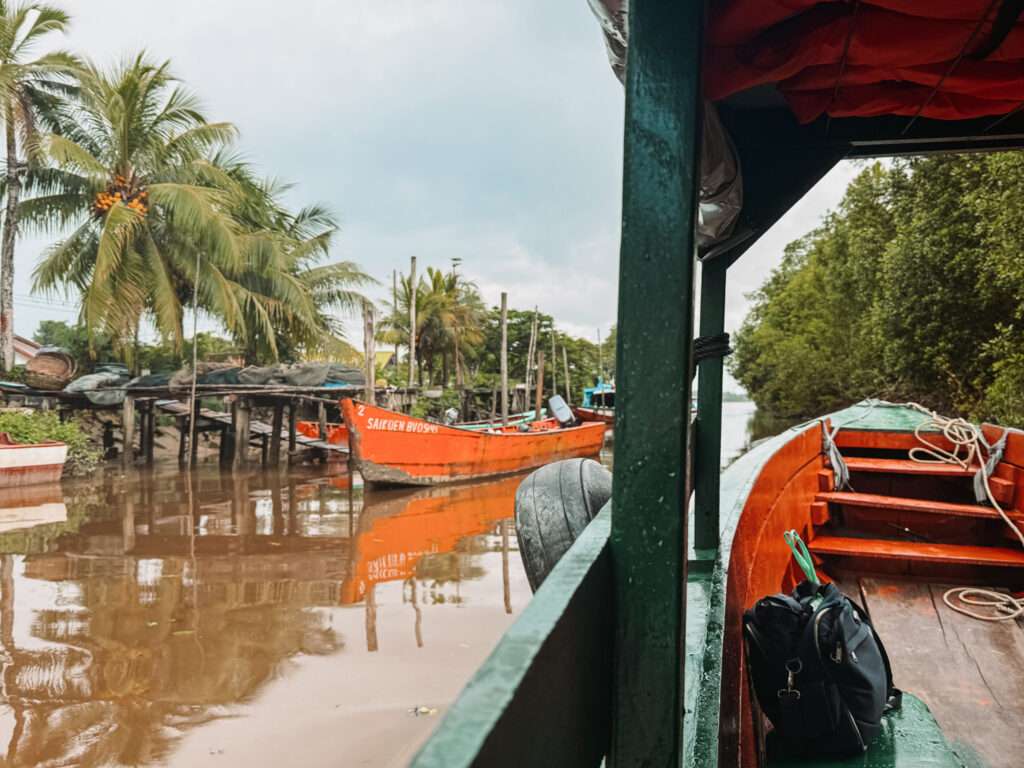
Take a tour along the Commewijne River to visit Fort Nieuw Amsterdam, have the chance to see the famous pink dolphins, and tour former Dutch plantations
Day 4
Take a tour (or walk around independently) through the city center of Paramaribo
Day 5
Make your way to a Maroon community, spending a few nights exploring the Amazon rainforest and learning about these unique communities
Day 6
Spend the full day in the Maroon community
Day 7
Return from the Maroon community
Day 1 of the Suriname Itinerary: Getting to Paramaribo
To get to Suriname, you can either fly, landing at the international airport (PBM), or cross the border from French Guiana (if you started your adventure in French Guiana). You can read about both of these options here. With either option, you will make your way to Paramaribo, which will be your main hub during your time in Suriname. We recommend coordinating transportation prior to your arrival with your hotel accommodation or Travel the Guianas.

How to Coordinate Your Entire Trip
We don’t often recommend a travel agency to plan and coordinate your trip but we feel that it is necessary for best exploring Suriname. We recommend coordinating with Travel the Guianas.
You can read more about their services here.
Peperpot Nature Park
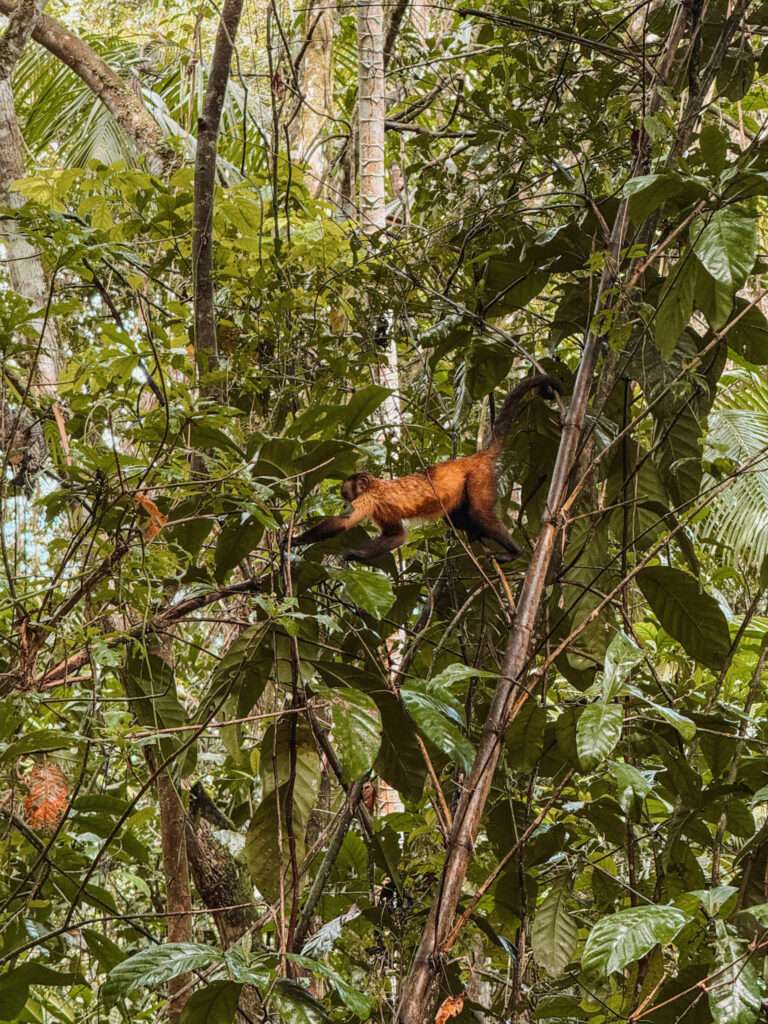
On your way to Paramaribo, start your Suriname itinerary with a stop at Peperpot Nature Park, a former coffee and cocoa plantation. Today, it has been converted into a nature preserve with walking and biking trails. Located 30 minutes outside of the city center of Paramaribo, it is an easy nature escape where you have the opportunity to see different birds, monkeys, and sloths (if you are lucky and know what to look for). There is an entrance fee to visit the park and we recommend wearing hiking boots during the wet season because the trail can be very muddy. You can also rent bikes at the park to make it easier to visit the entire extent of the nature park.
After visiting the nature park, head into Paramaribo and get settled into your accommodations for the week.
A Note About Currency in Suriname
Suriname is a primarily cash-based society and many international cards are not accepted throughout the country. The added complexity of the cash-based society is that many of the ATMs do not work for international cards or visa debit cards. Within Paramaribo, the Courtyard by Marriott has an ATM that does work for international cards. People claim that the ATM within the Republic Bank Suriname NV also works for international cards, but only if it contains available cash. If you have any concerns about withdrawing cash, consider bringing sufficient cash in dollars or euros that you can then exchange in the city center for Surinamese dollars.
Braamspunt Sea Turtle Tour
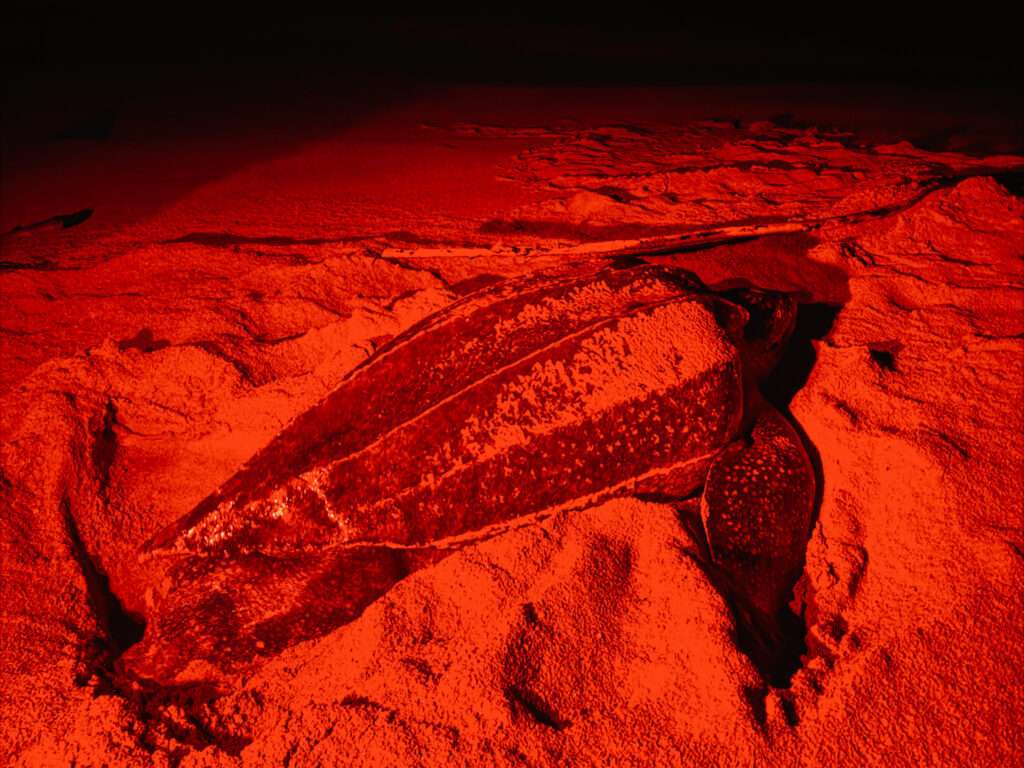
Turtle nesting season in Suriname is between February to August, where Leatherbacks, Green Sea Turtles, and Olive Ridleys, come to the beach to lay their eggs and two months later, those eggs hatch and race their way to the sea. The Braamspunt beach at the end of the Paramaribo and Commewijne Rivers is one of the prime locations for these turtles to lay their eggs. With a tour coordinated through Travel the Guianas, a guide can take you to this beach at dusk where you will watch the sunset, eat a dinner on the boat, and learn more about nesting turtles. If you are lucky you will see the turtles come to the beach, make a hole in the sand, lay their eggs, and make their way back to sea. The leatherback turtles are the largest in the world and seeing them in person is a remarkable opportunity. The tour organized by Travel the Guianas has a guide who has studied turtles for years and knows their behavior and how to interact with them in a safe and respectful way.
Day 2: A Jewish Settlement and an Amerindian (Indigenous) Community
On the second day of the Suriname itinerary, you can dive into the older history of the country, starting with one of the oldest Jewish settlements in the Americas and diving into the culture and history of the indigenous communities of Suriname, known as the Amerindians.
These two areas are very close to each other and are part of the same tour day.
Jodensavanne National Monument
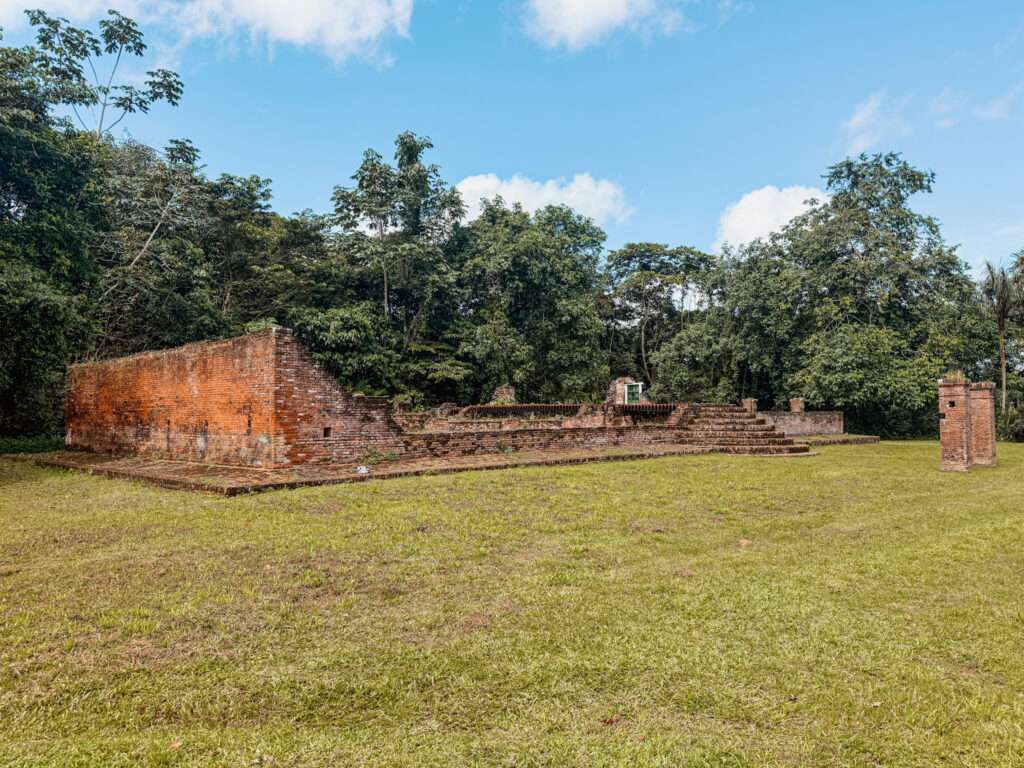
The Jodensavanne National Monument is a UNESCO World Heritage and archaeological site that was the first Jewish settlement in South America. Today, you can visit the ruins to see the Jewish cemetery, the cemetery of their slaves, the first synagogue, and the excavation of the foundation of the homes of the settlers. It’s an important archaeological site that is worthwhile to visit as part of your Suriname itinerary. On weekends, archaeologists continue to excavate the site, making more discoveries about how people lived here back in the 1600-1700s.
Visiting an Amerindian Community
Amerindian people are the indigenous communities that inhabited Suriname prior to French, English, and Dutch colonization. There were different tribes who inhabited the coastline, the lowlands of the rainforest, and the highlands of the rainforest. These different groups had different customs, religions, and languages. Today, they only make up about 4% of the population.
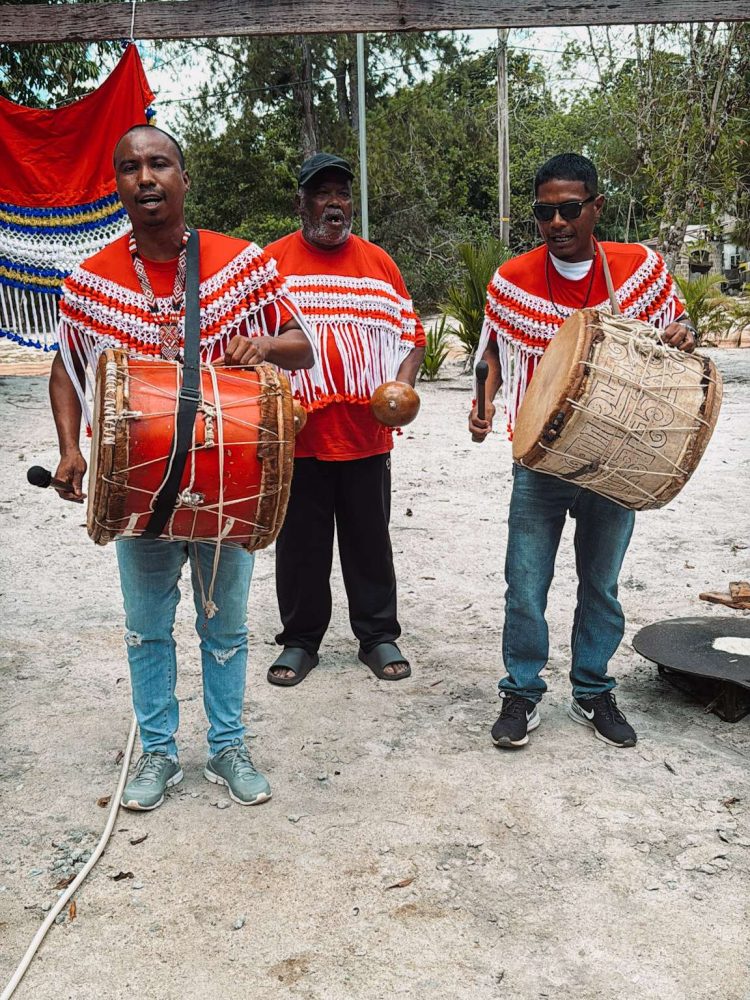
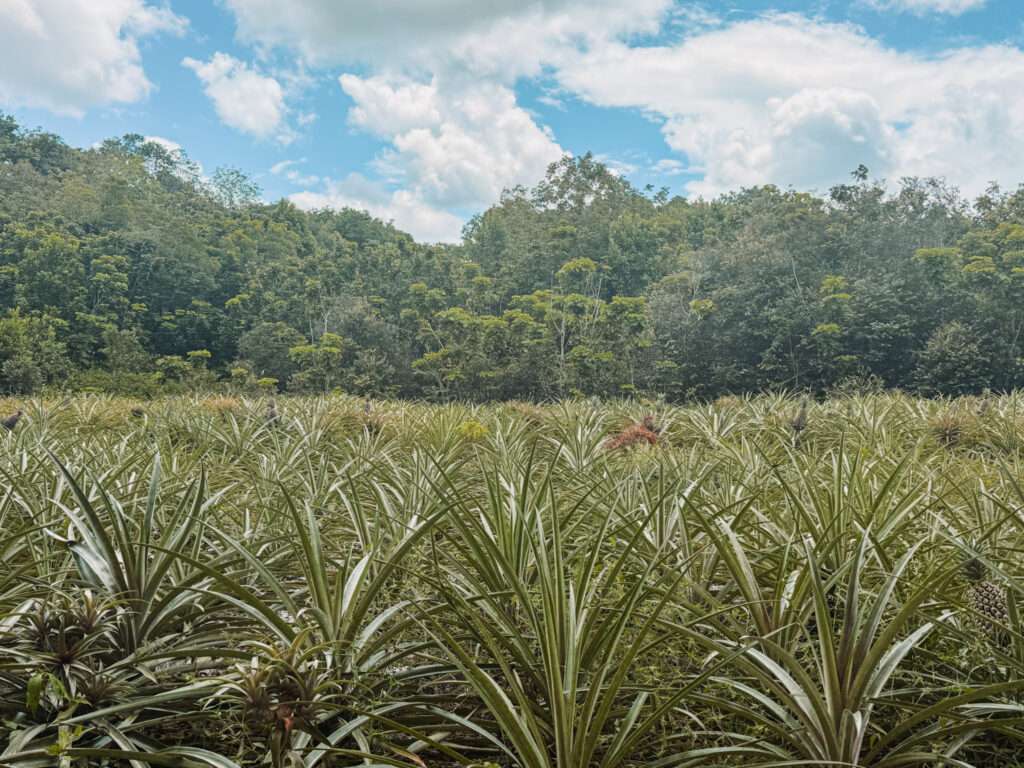
There are a few Amerindian communities that you can visit today to get to see their culture and lifestyle. Redi Doti is one of these communities and is located just an hour away from Paramaribo. Through Travel the Guianas, you can visit the community and the efforts that they are doing to give themselves more opportunity. For example, these communities have found success in growing pineapples and now, local women have started a company that produces fresh juices from these locally grown pineapples. You can also experience the traditional cuisine and customs of the Amerindian people. And there is a local hotel that you can stay in if you want to spend the night and immerse yourself further to enhance your Suriname itinerary.
The day tour showcases the wonderful things that the community is doing along with the historical heritage. You have a chance of discovering the music, food, crafts, language, and more. It’s a wonderful way to see how traditional culture adjusts and morphs to align with today’s world, all while maintaining historical traditions and ways of life.
Day 3: The Commewijne River Tour
For the third day of your Suriname itinerary, you will dive into the local history of the Commewijne River next to Paramaribo and Suriname’s colony and plantation background.
The Commewijne River intersects the Paramaribo river prior to flowing into the Caribbean Sea and is located just 30 minutes from Paramaribo by boat. Because of the intersection of these two rivers with the ocean, this part of these rivers is full of marine life and history.
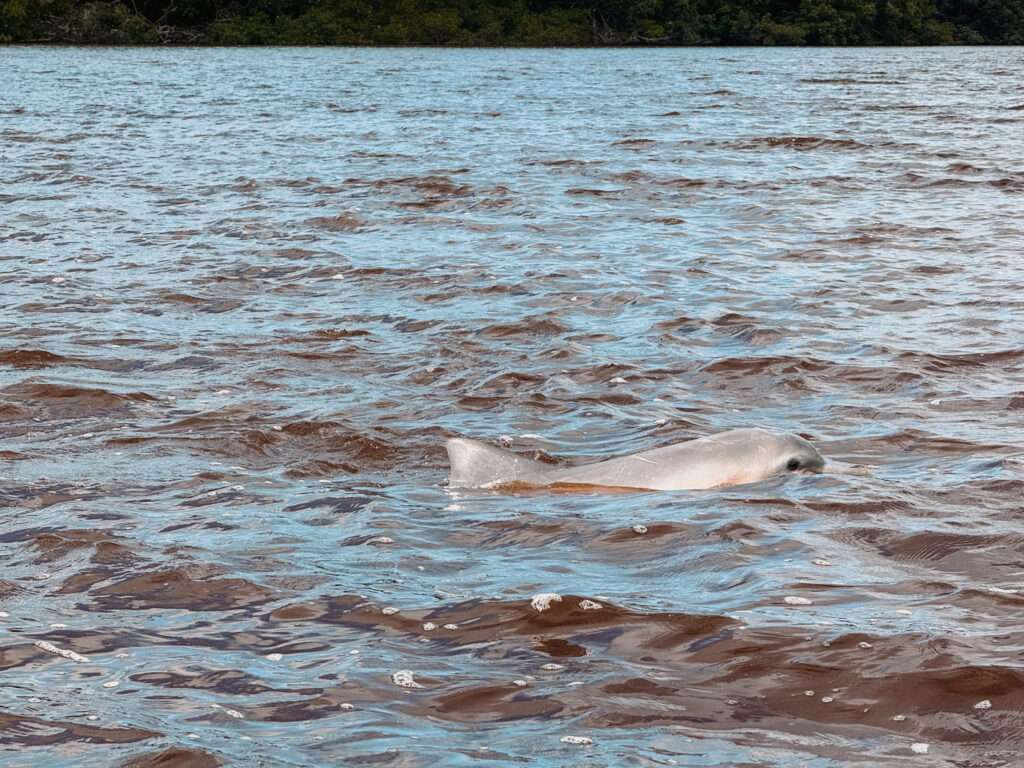
This is one of the few places in the world where you can find pink belly dolphins, or Guiana dolphins. They live in the brackish waters of the river and can be spotted jumping in the water, especially during high tide. A tour to the Commewijne River area can allow you to get close to these animals and watch the jump and flip in the wild. Seeing these dolphins is one of the most popular things to include in any Suriname itinerary.
Dutch Colonization History
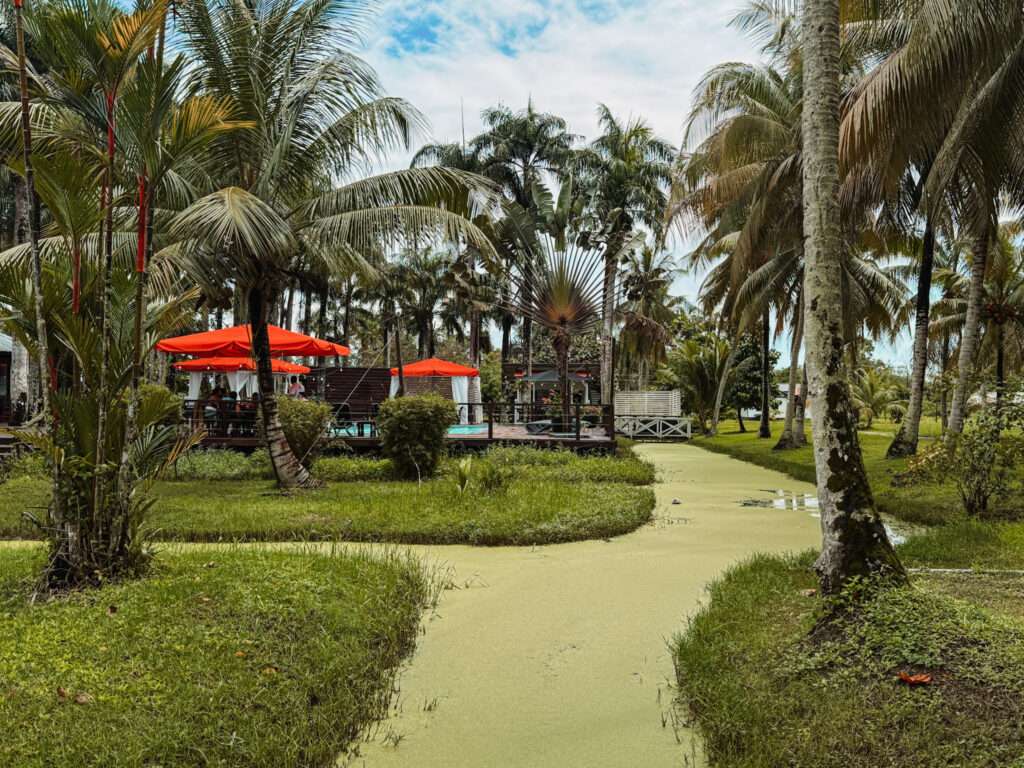
You will also get the opportunity to visit different plantations along the river, some of which continue to be farmland with local communities living on them. Others have pivoted into hotel and restaurant destinations, such as Plantage Frederiksdorp that has maintained the history of the plantation while developing a tourism hub for the region. Eind-Rust is another one of these plantations where the workers had the opportunity to purchase the land they lived on and maintained and continued to develop their community.
Alternative Accommodation Option
If you want to stay on one of these historic pieces of land, you can look into staying at Plantage Frederiksdorp. They have converted the old buildings into hotel rooms and do not shy away from the history of the land. Instead, they use the history as part of their tour of the land. From this plantation, you can take a multitude of tours that allow you to further explore the area, all coordinated by the hotel itself.
Finally, on the tour, you will have the opportunity to visit Fort Nieuw Amsterdam, which was constructed by the Dutch for protection when the land was a colony. Today, it is a museum that displays the history and merging of cultures within Suriname. Most of the information is written in Dutch, making a tour with a guide through the Commewijne River region a very valuable experience.
Day 4: Visit Around Paramaribo
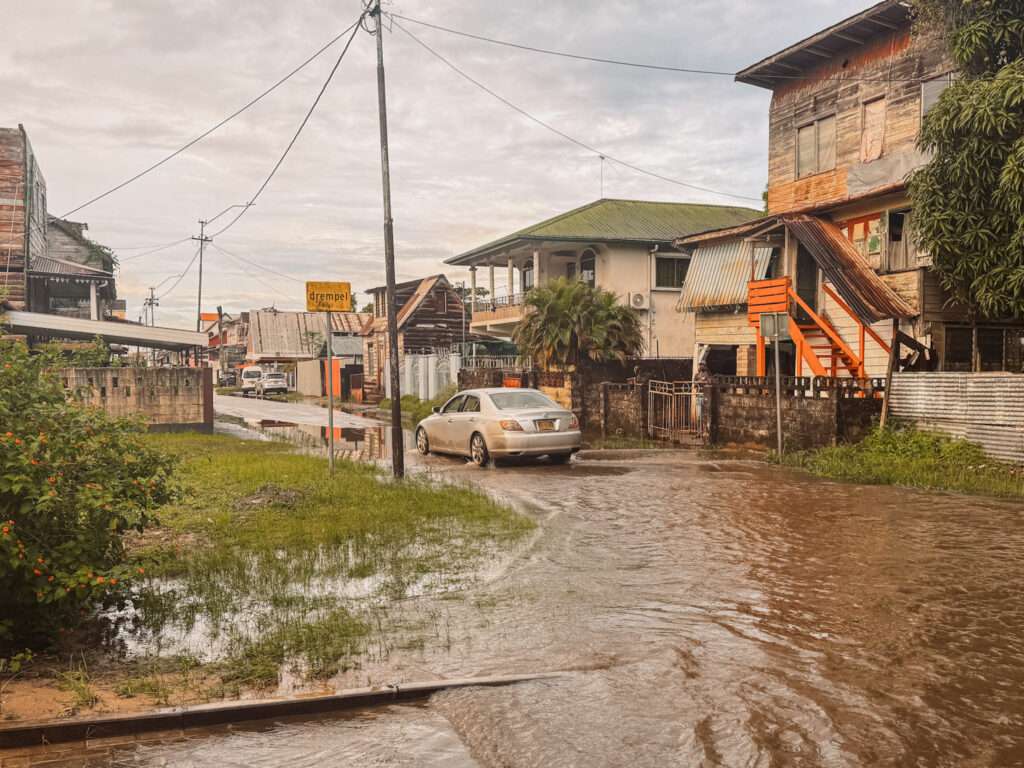
Paramaribo is the capital city of Suriname and the main hub within the country. For a small country of only 500,000 people, Paramaribo will be your central point throughout your stay. This is most likely where you will be staying while exploring Suriname. The city can be explored with a tour organized by Travel the Guianas, giving you historical information about this former colony town. If you want to tour around independently, we recommend visiting the city during the week day while the city center is bustling. Here are some of the things to see within the city of Paramaribo to include in your Suriname itinerary.
A Mosque and Synagogue Next to Each Other
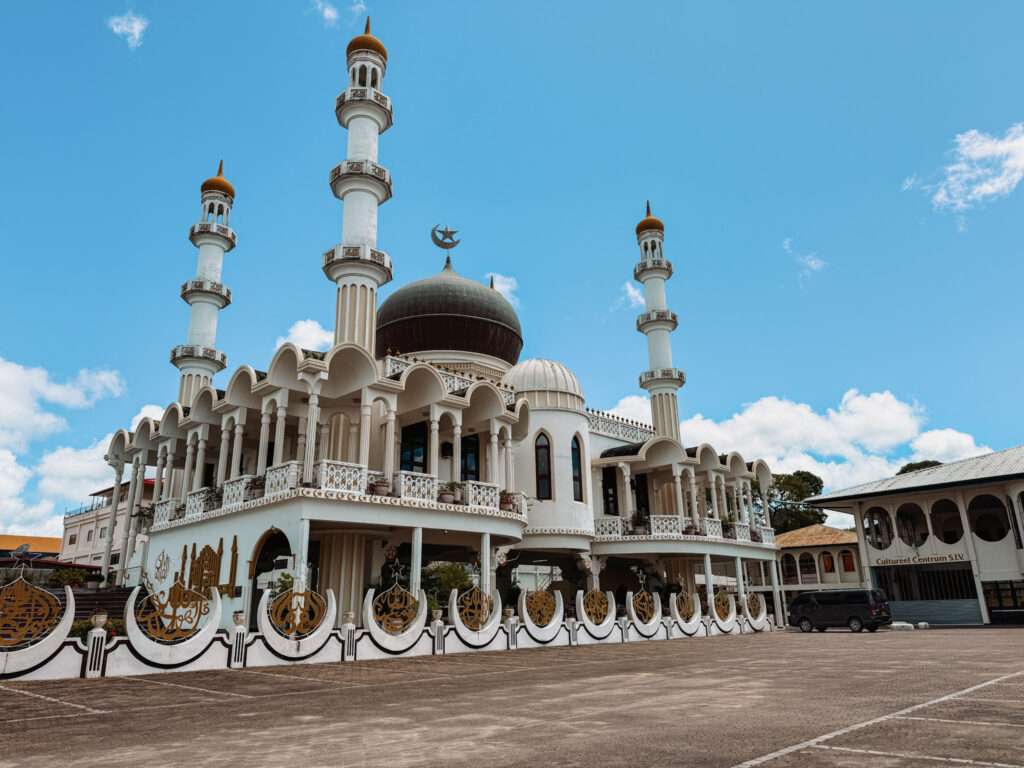
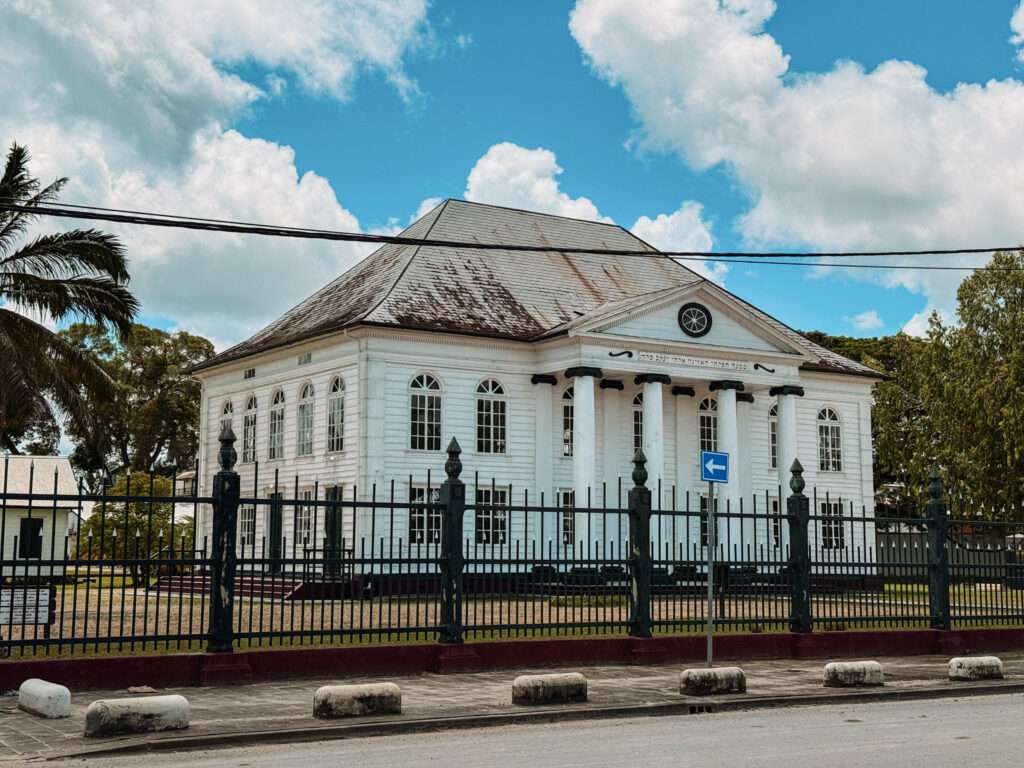
Paramaribo is one of the few places in the world where a mosque and synagogue stand right next to each other. It is something that everyone in Suriname mentions and is very proud of as a symbol of the diversity and unity that this country feels. The Neveh Shalom Synagogue and S.I.V. Mosque are located right next to each other on Keizer Street in the city center of Paramaribo.
Fort Zeelandia
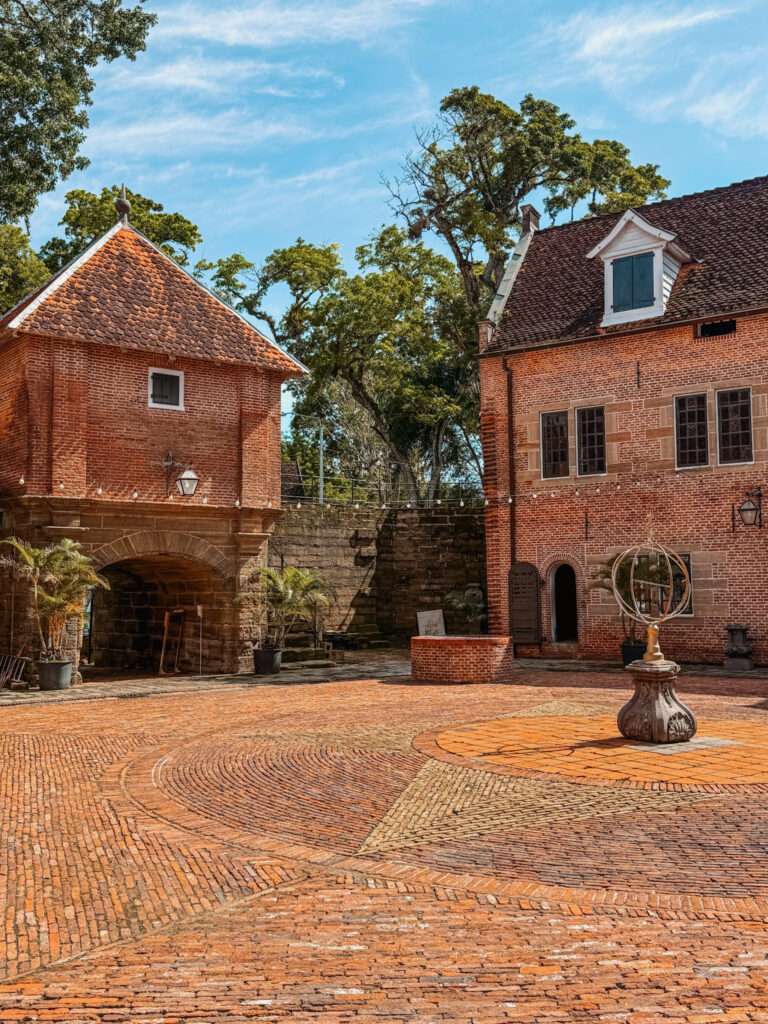
Fort Zeelandia is a historical museum today that discusses the history of Suriname and celebrates the different cultures that make up Suriname. Historically, this site was used as protection from potential invaders and the holding and selling area for the slave trade that occurred in Suriname. It was more recently used as a place to hold, torture, and kill political prisoners in the 1980s. The museum has restored and maintained two of the cells to remember the history of this site. While all the signage of the museum is in Dutch, it is still worth walking through to see the different artifacts and imagery that is displayed in the museum.
The Historical Area of Paramaribo
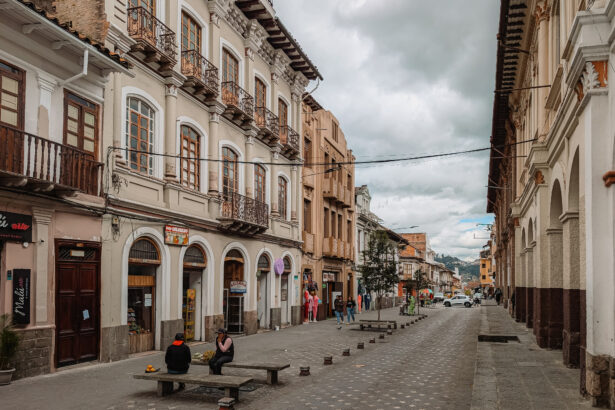
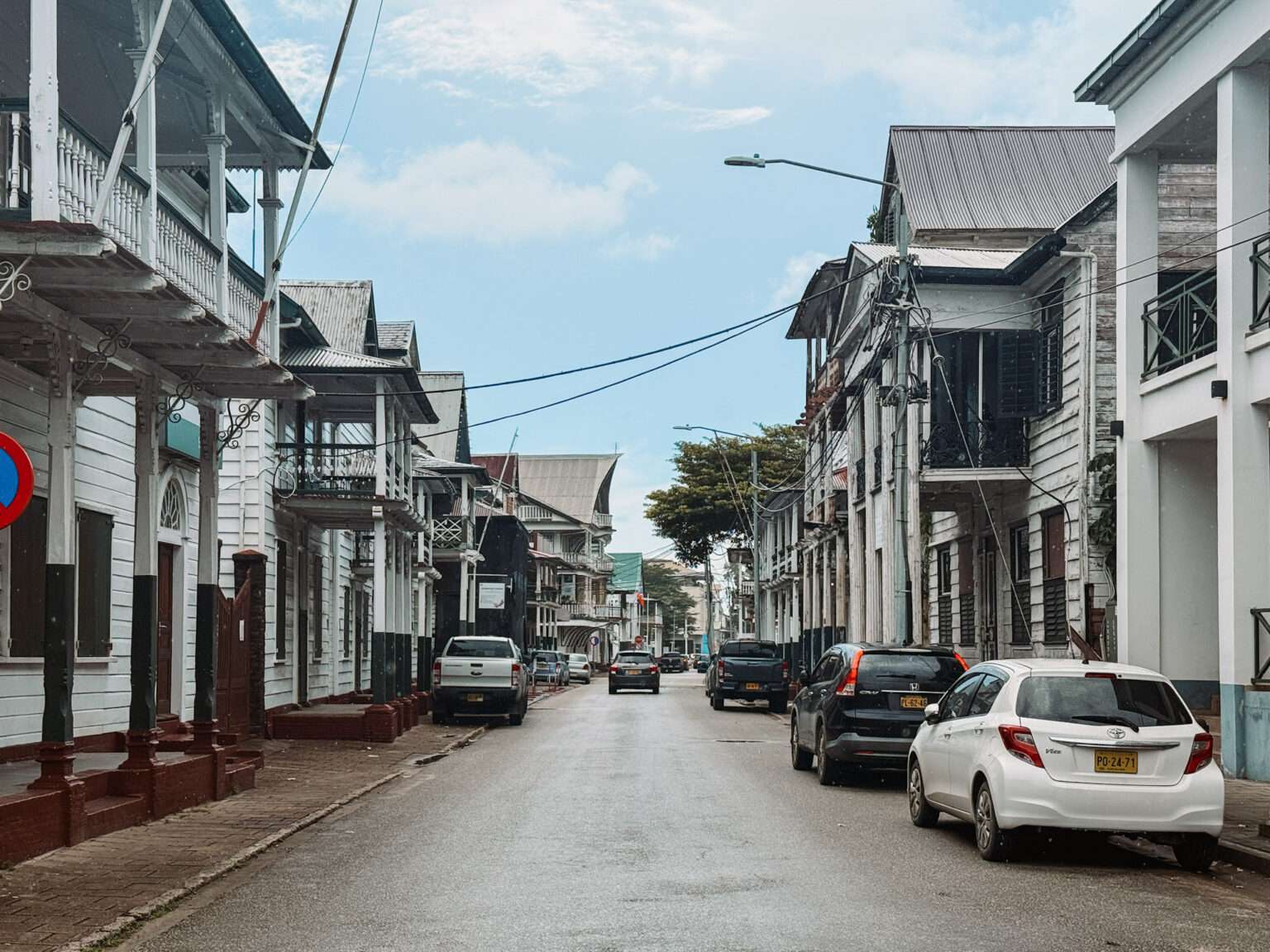
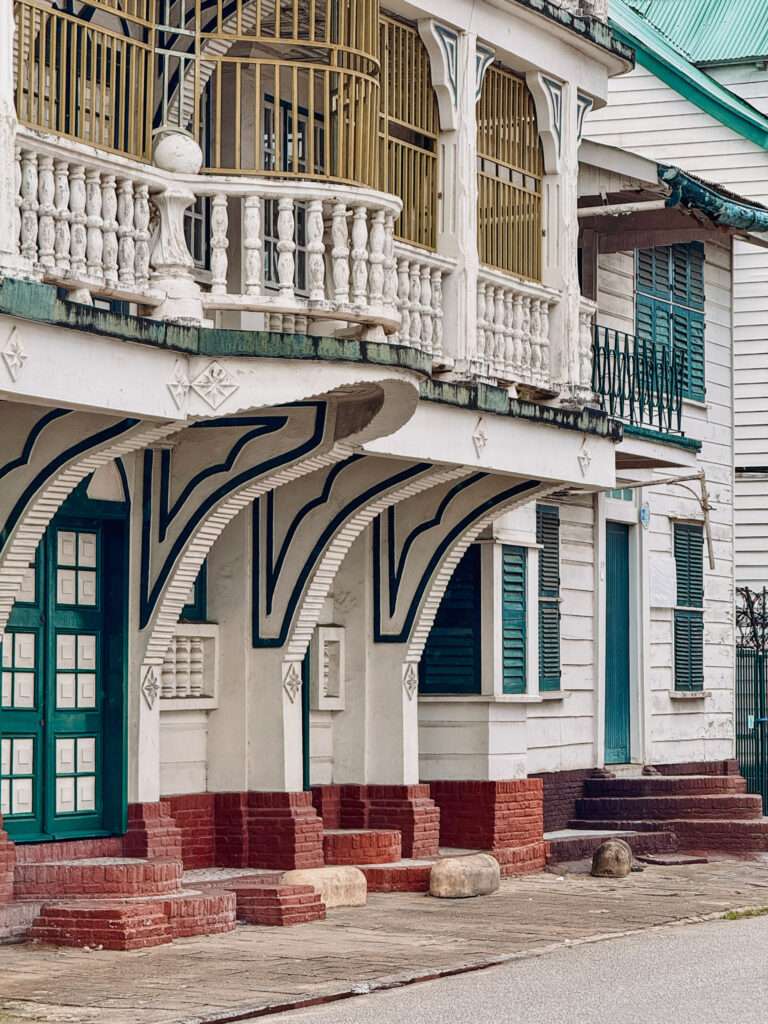
The inner city of Paramaribo is recognized as a UNESCO World Heritage Site for its Dutch colonial architecture and blend between Dutch and Caribbean cultures. As you walk along Waterside Street between Fort Zeelandia and the Central Market, you will find streets full of the colonial architecture and historic characteristics that make it such a unique site. It truly is mind-bending walking among this type of architecture in the scorching heat and humidity of Suriname. We recommend wandering through this area on weekdays because this city center is a business and government center and can feel empty on weekends.
Paramaribo Central Market
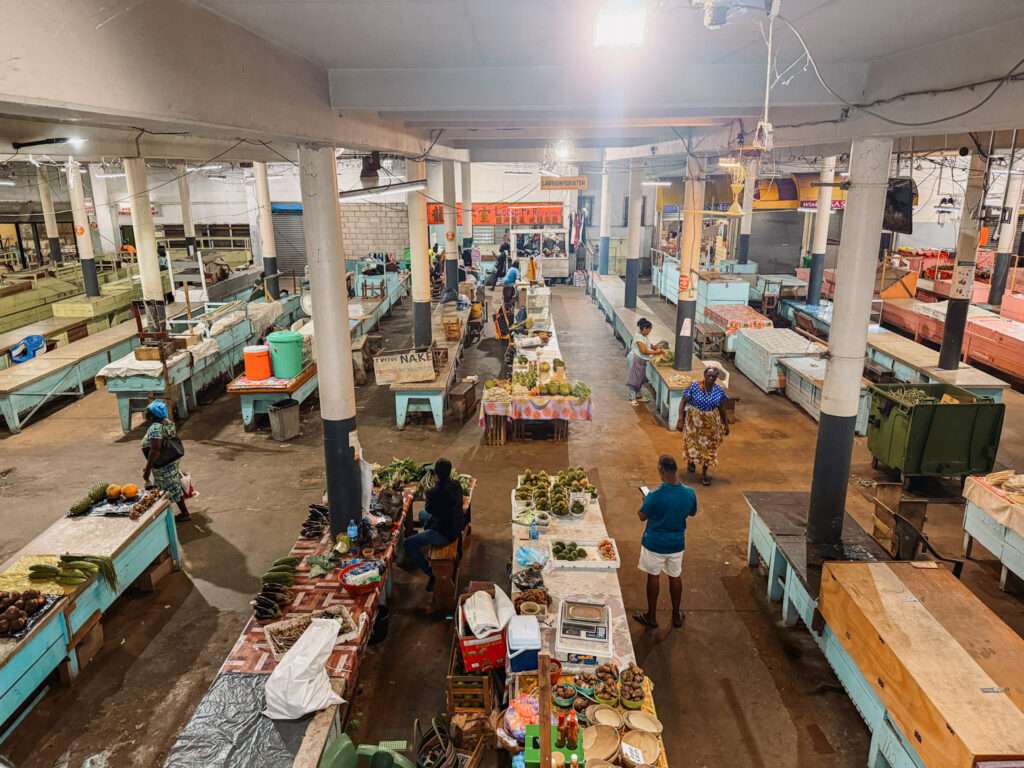
The central market of Paramaribo is the main produce, fish, meat, and service market in all of Suriname. On the ground floor of the indoor market, you can find different areas where the vendors sell their fresh products. On the perimeter of this floor, you will see different restaurants and food vendors where you can grab a snack or meal that highlights Surinamese cuisine. The second floor is where you will find clothing vendors, barber shops, and other services. Overall, it is seen as a major destination in Paramaribo where most locals do their shopping.
A Suriname Cooking Class
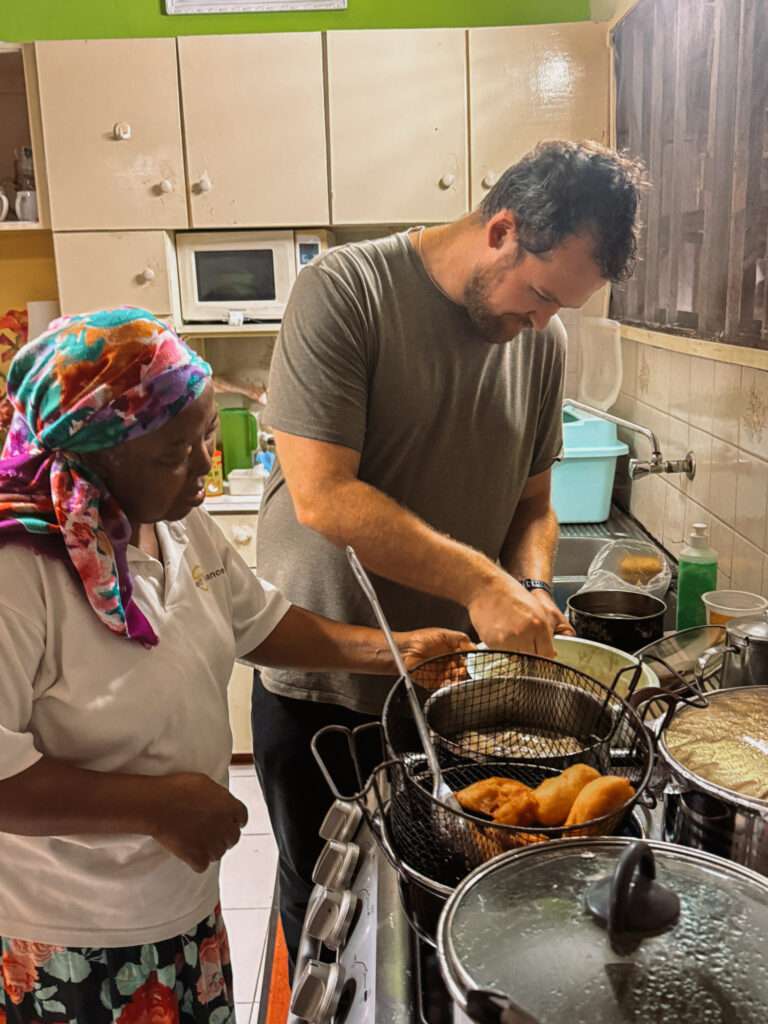
If you are interested in Suriname cuisine, you can look to do a cooking class through Travel the Guiana. Elfriede, the chef and instructor, has two cooking class options: (1) you go to the central market with her to get the ingredients for the meal and then return to her home where you get to make the meal together, or (2) go to her home in the evening where you will get to cook a meal together. Not only will the meal be delicious but the class also provides transportation to and from your accommodations.
Days 5-7: Staying in a Maroon Community
Maroon communities are made up of descendants of former slaves who escaped their captors and lived in small communities in the rainforest. Because of their history, these communities have maintained the customs and traditions that they brought with them from Africa. With the help of the indigenous people of Suriname, these escaped slaves were able to survive in the jungle, developing communities along rivers. Communities today range from a few hundred to a few thousand people and they continue to use the river as their only form of transportation and communication. Some children choose to leave the communities for Paramaribo for education and opportunity while many others choose to stay in their communities because of the simple and communal aspects of this lifestyle.
Visiting a Community
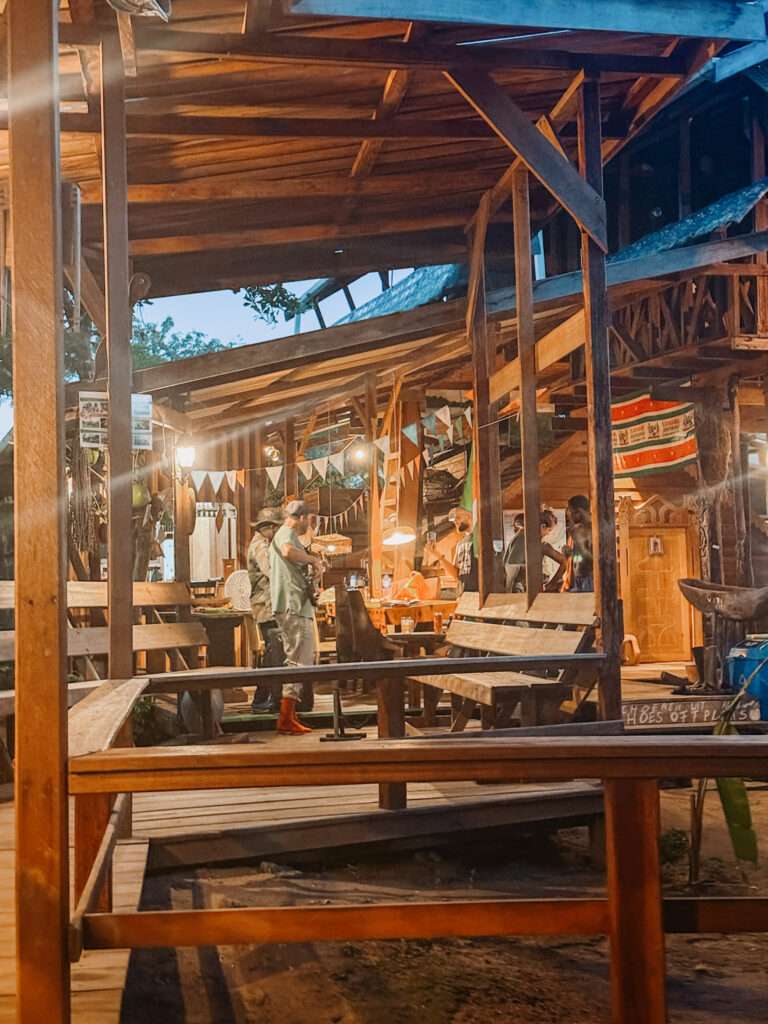
Visiting a maroon community is an amazing way to integrate yourself into these communities and learn about a completely different culture and lifestyle. Communities have started to develop resorts near and within their communities to promote tourism and grow their opportunities. With Travel the Guianas, you can visit a variety of different maroon communities depending on your interests in wildlife or culture. We recommend visiting Jaw Jaw for at least two nights because its resort is uniquely located within the community. (Most stays happen right outside of the community rather than integrating you within.)
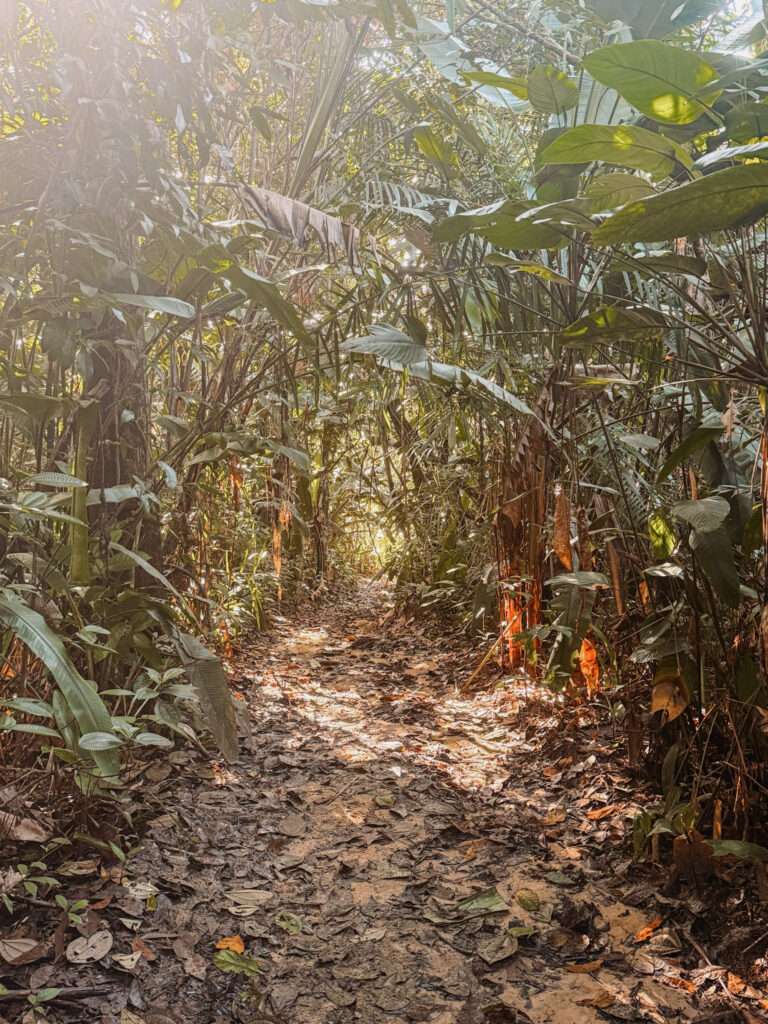
With a two-night program, you will have the opportunity to walk through the jungle and see different flora and fauna, visit other communities to understand the different types of people who live along the river, take wildlife boat cruises to try to see different animals at night, and more. It is a nature and cultural integration that beautifully immerses visitors into the community. The accommodations in these communities are simple but with a bed, mosquito net, fan, filtered water, communal meals, and private toilet, there is not much more you need!
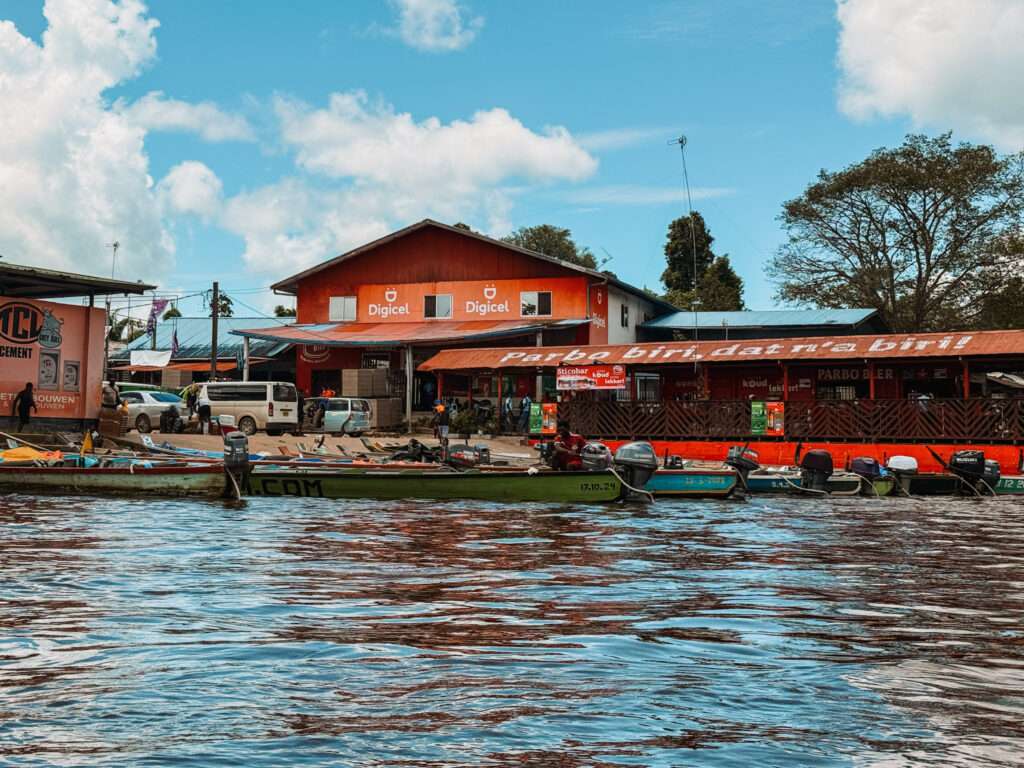
We recommend staying for two nights because it takes a long time to get to each community. You have to take a 3-4 hour drive (coordinated by Travel the Guianas with the Maroons) to the docks used by all the Maroon communities. Navigating to these communities can only be done with pirogue boats so this dock is incredibly busy. Not only are people transported this way but so is furniture, construction materials, etc. Don’t worry, the chaos is organized and you are guided throughout your transit. From there, you will ride on a pirogue for 30 minutes to an hour to arrive at the community, just in time for lunch. The return to Paramaribo is done in the same way.
The Blueprint Travelers Hiking Staples